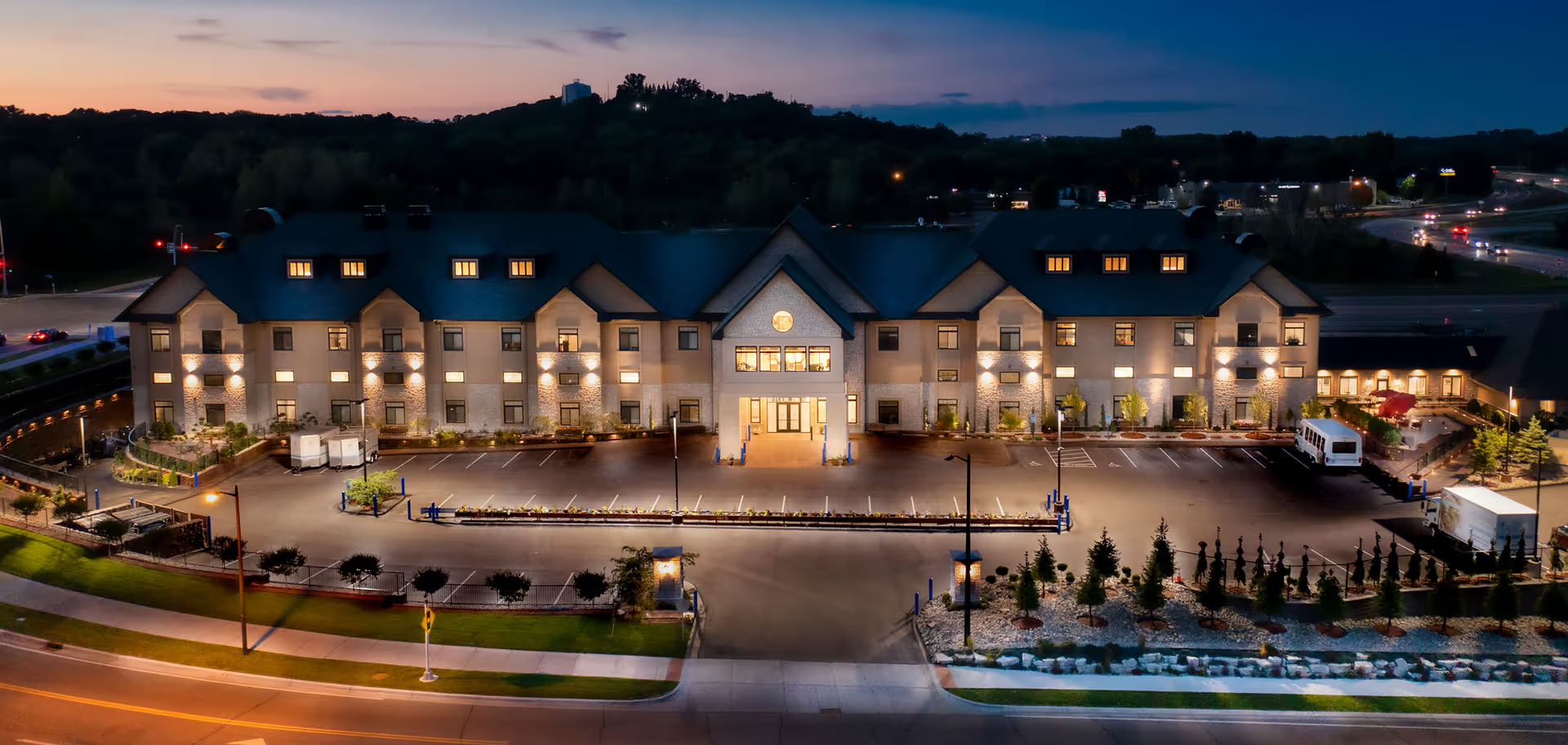
Overall impression: Reviews present a mixed but actionable picture. Many comments describe a facility with clean, modern spaces and a staff culture that is welcoming, compassionate, and professional. At the same time, a subset of observations points to operational inconsistencies—particularly around clinical coverage, meal-service continuity, environmental controls, and behavioral-health supervision—that could materially affect some residents’ safety and comfort.
Care quality and staff: Positive feedback centers on respectful, person-centered caregiving and strong interpersonal communication between staff and families. Several reviews praise attentive staff and leadership that emphasizes excellence and innovation, creating an environment that inspires trust for many families. However, other observations indicate gaps in clinical staffing (notably limited nursing presence) and uneven supervision. Those gaps can translate into delayed clinical attention or increased reliance on external emergency responders, suggesting variability in the consistency of care rather than a uniform standard across all shifts.
Dining and activities: Numerous comments highlight nutritious, well-prepared meals and respectful dining service. Conversely, there are indications of intermittent meal-service disruptions tied to kitchen staffing, which could affect meal availability or consistency. Specific information about structured activities is limited in the available summaries; the person-centered approach cited by reviewers suggests individualized attention is a priority, but families seeking an active group-program schedule should verify offerings directly with management.
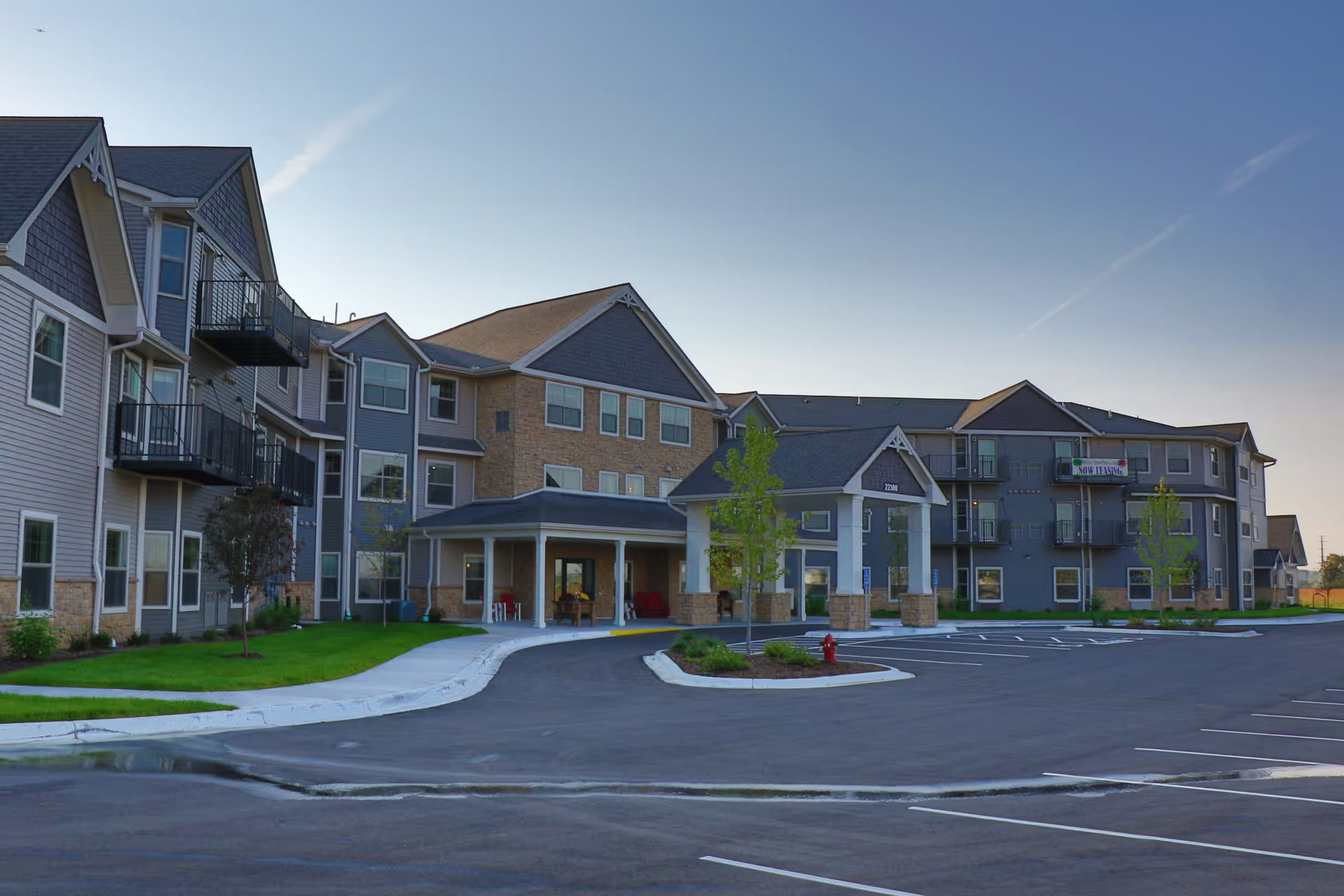
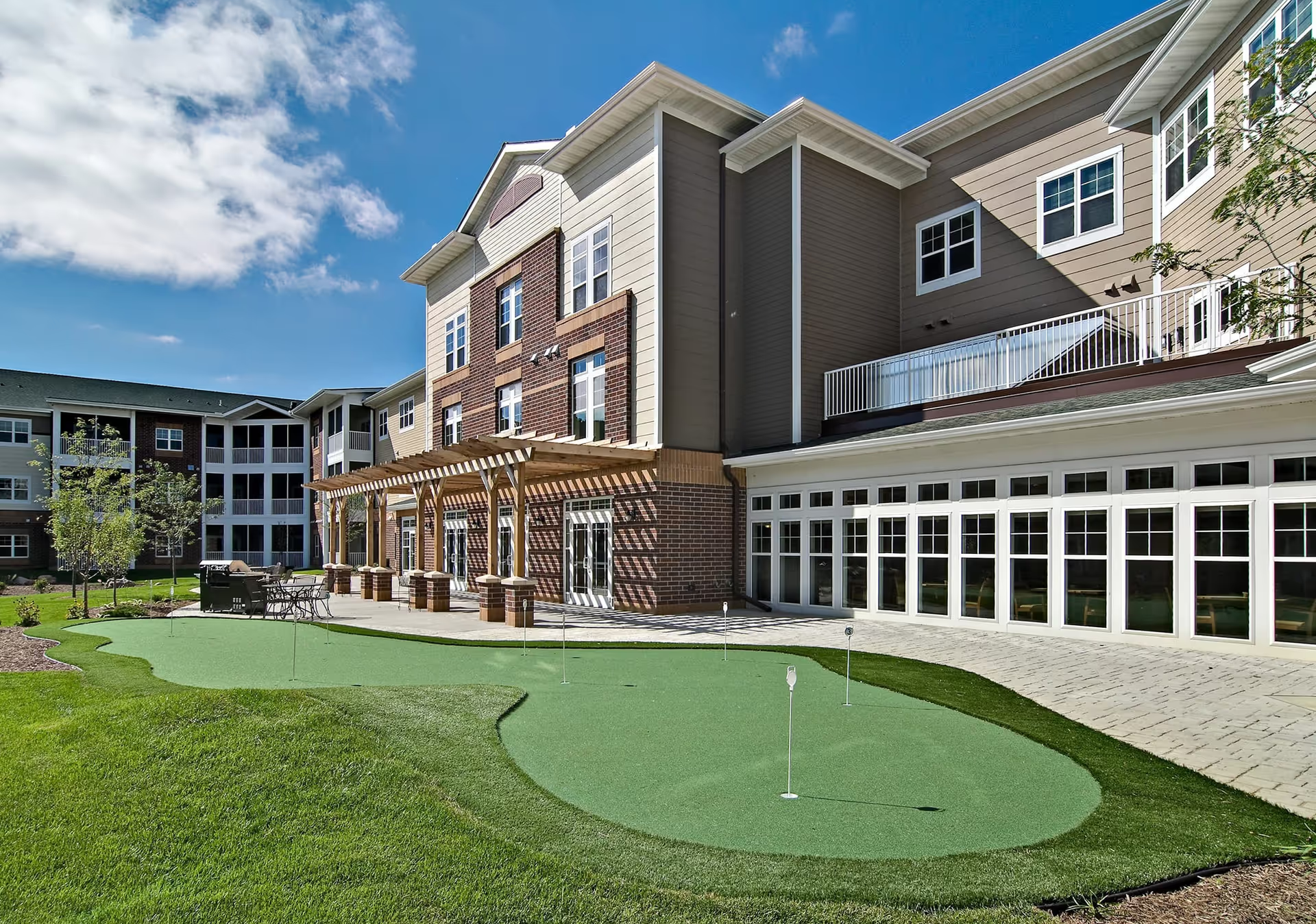
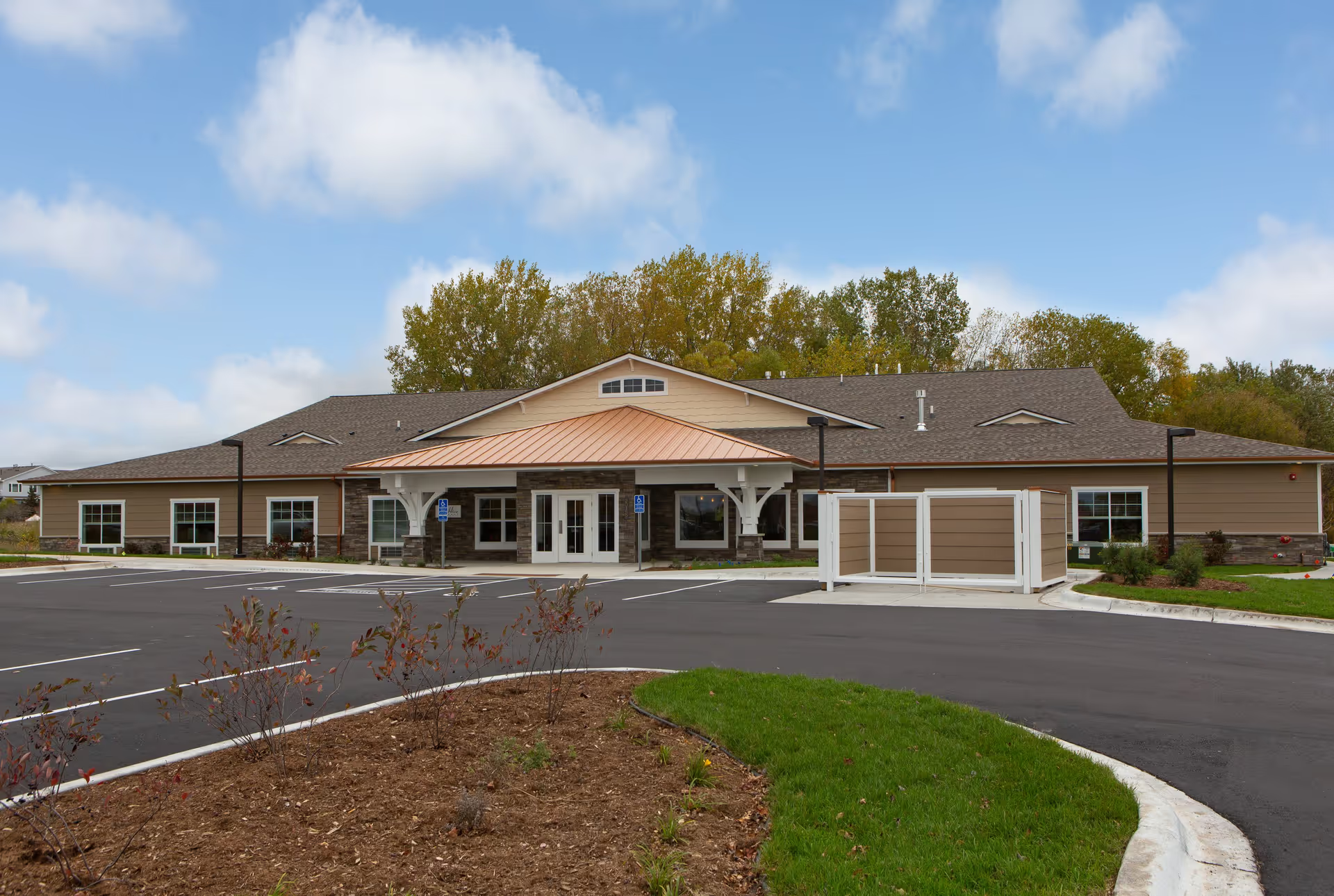
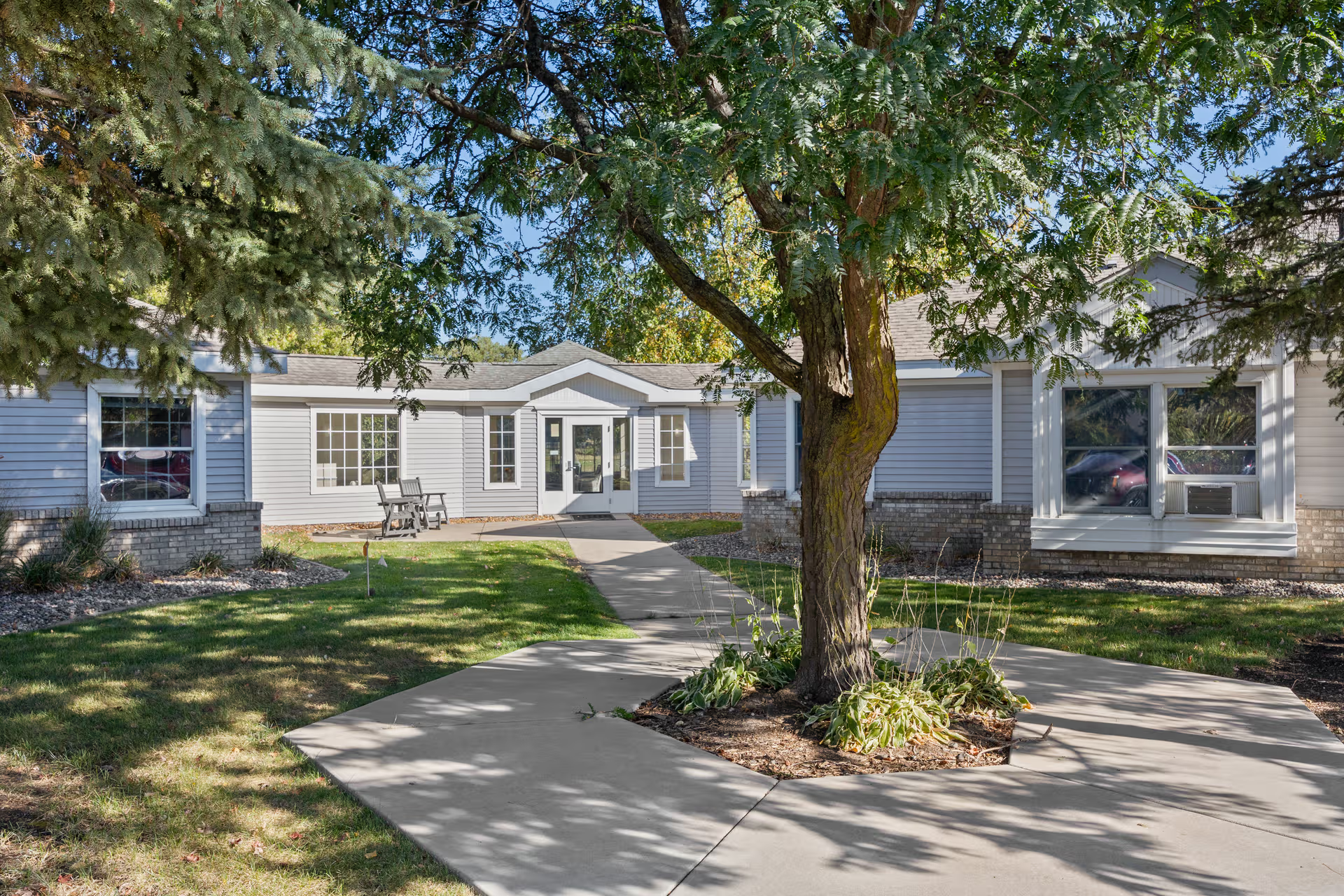
Facilities and safety: The facility is frequently described as very clean and ultra-modern, with comfortable accommodations. At the same time, reviewers noted environmental-control problems in some units, such as inadequate heating, that could lead to resident discomfort or hypothermia risk in vulnerable individuals. Safety concerns center on inconsistent supervision and the facility’s limited capacity to manage residents with complex neurological needs (for example, traumatic brain injury), which may increase the likelihood of crisis events or law-enforcement/EMS involvement if not proactively managed.
Management and notable patterns: Leadership receives positive mentions for commitment to quality and innovative approaches, which aligns with many accounts of reliable, respectful care. Nevertheless, the pattern-level issues—especially inconsistent clinical coverage, meal-service continuity, and behavioral-crisis prevention—point to operational areas that may require managerial attention to ensure consistent delivery of services. Prospective residents and families would benefit from asking management about current nurse staffing models, contingency plans for kitchen or dietary staffing, heating/maintenance protocols, and specific behavioral-health supports and emergency-response procedures. Verifying these points during a visit or interview will clarify whether the facility’s strengths are likely to match an individual’s needs.