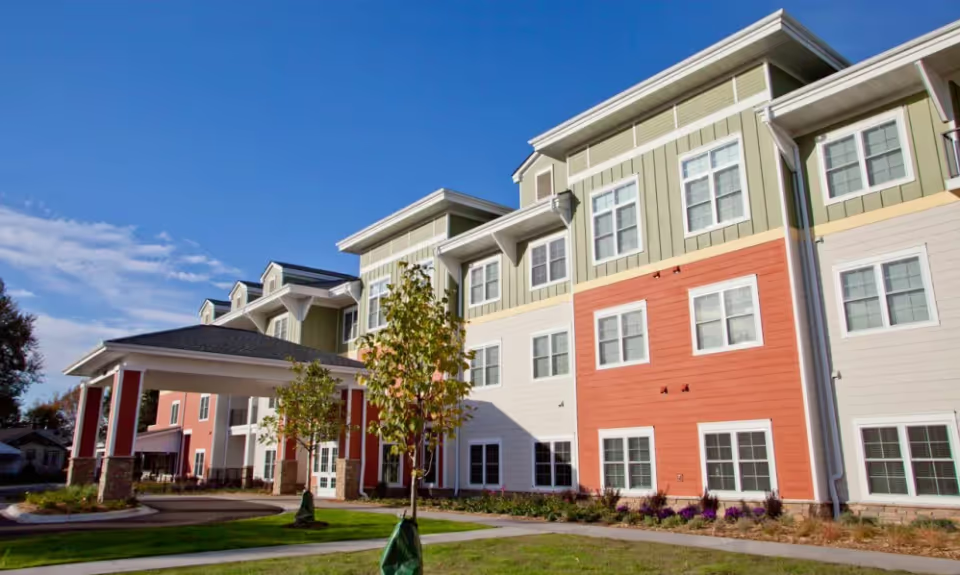
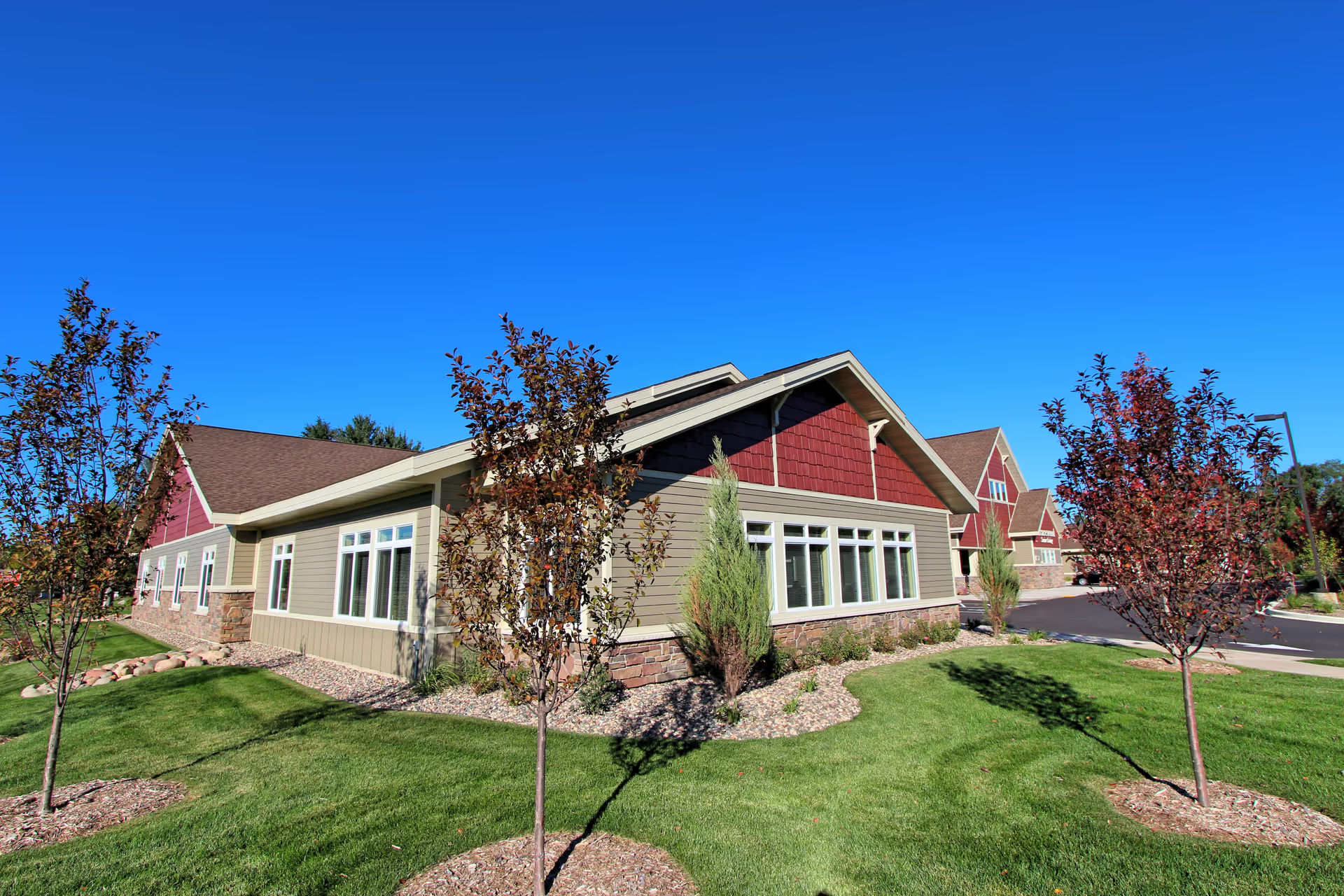
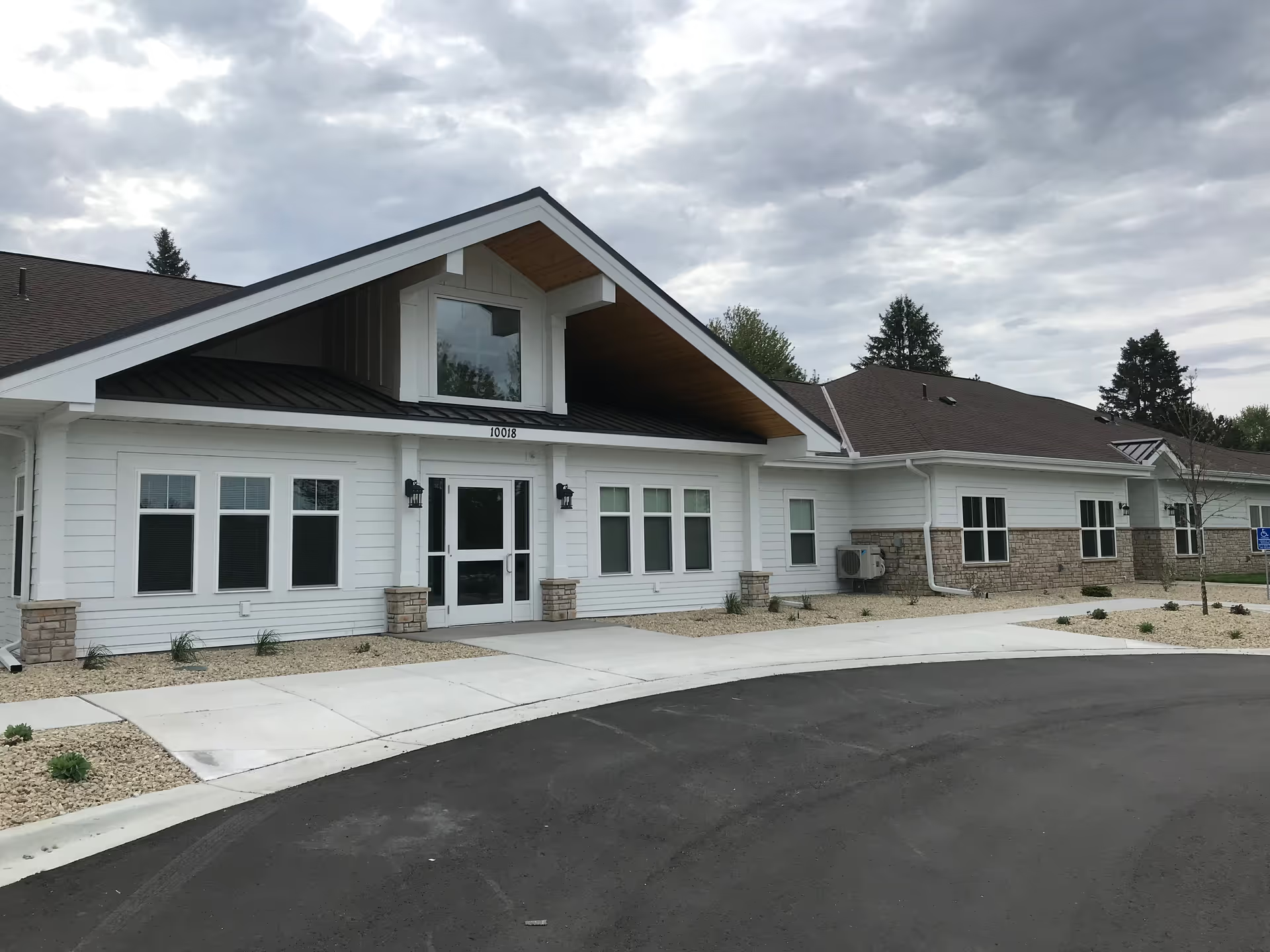
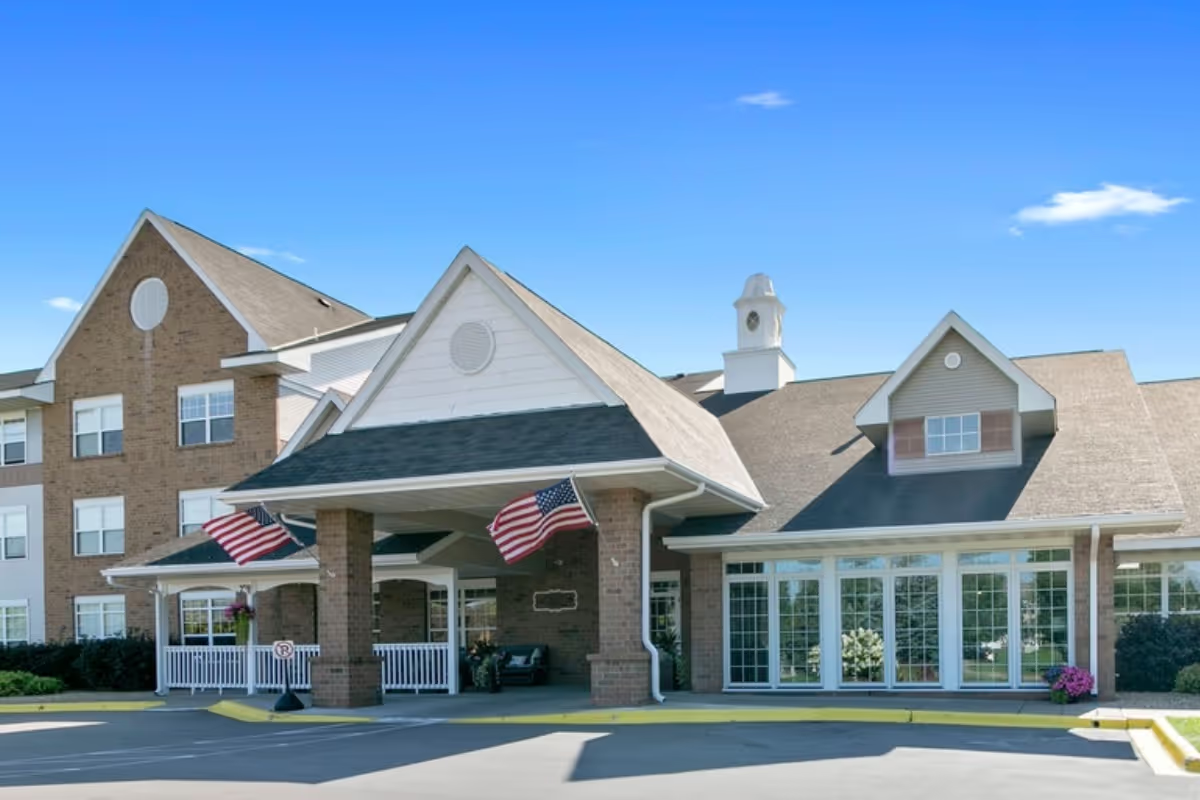
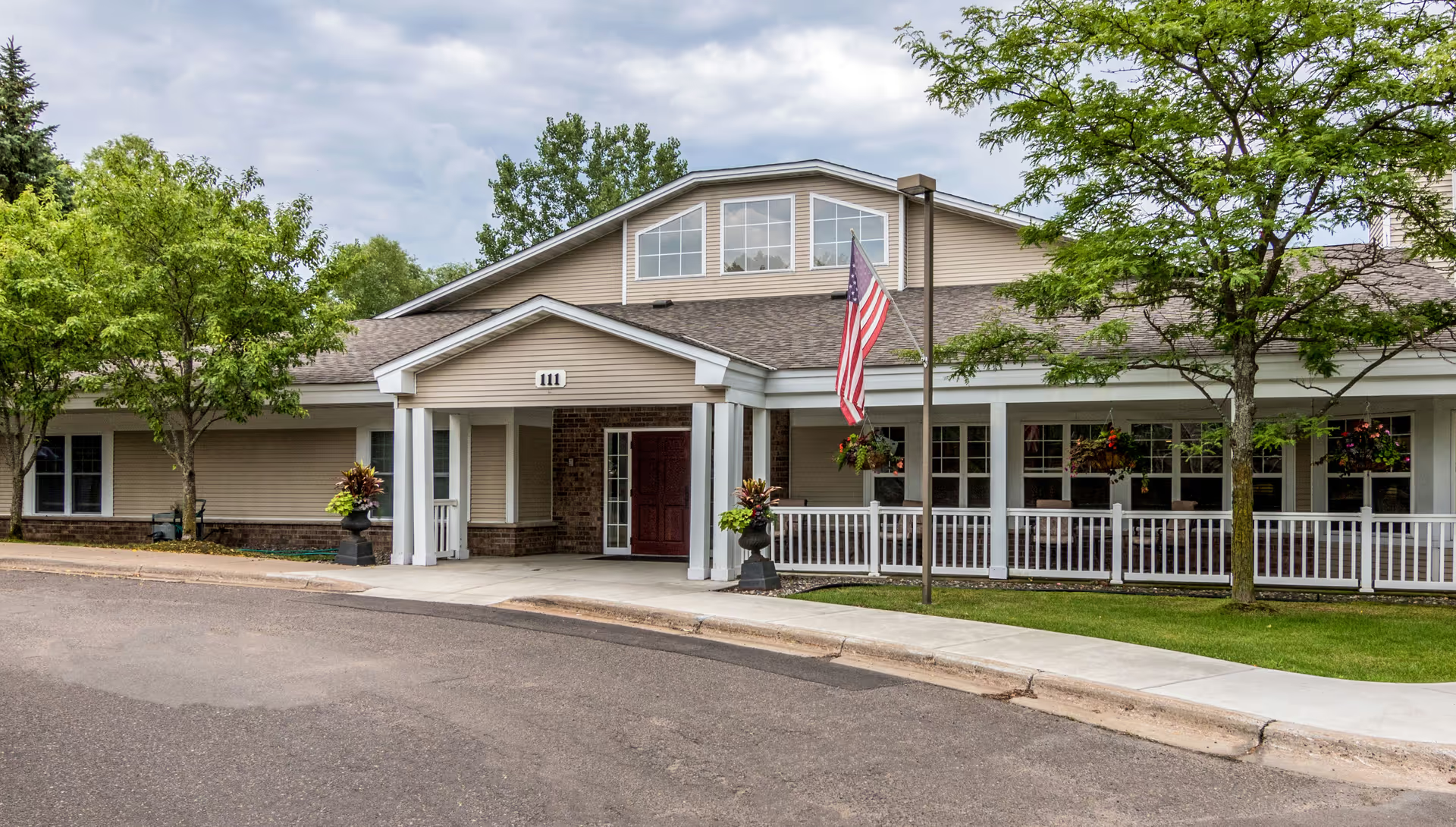
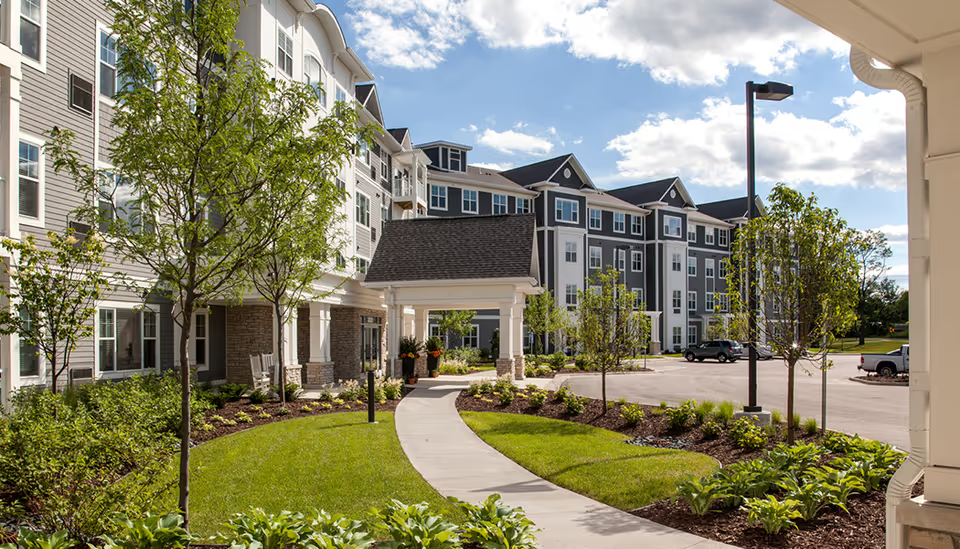
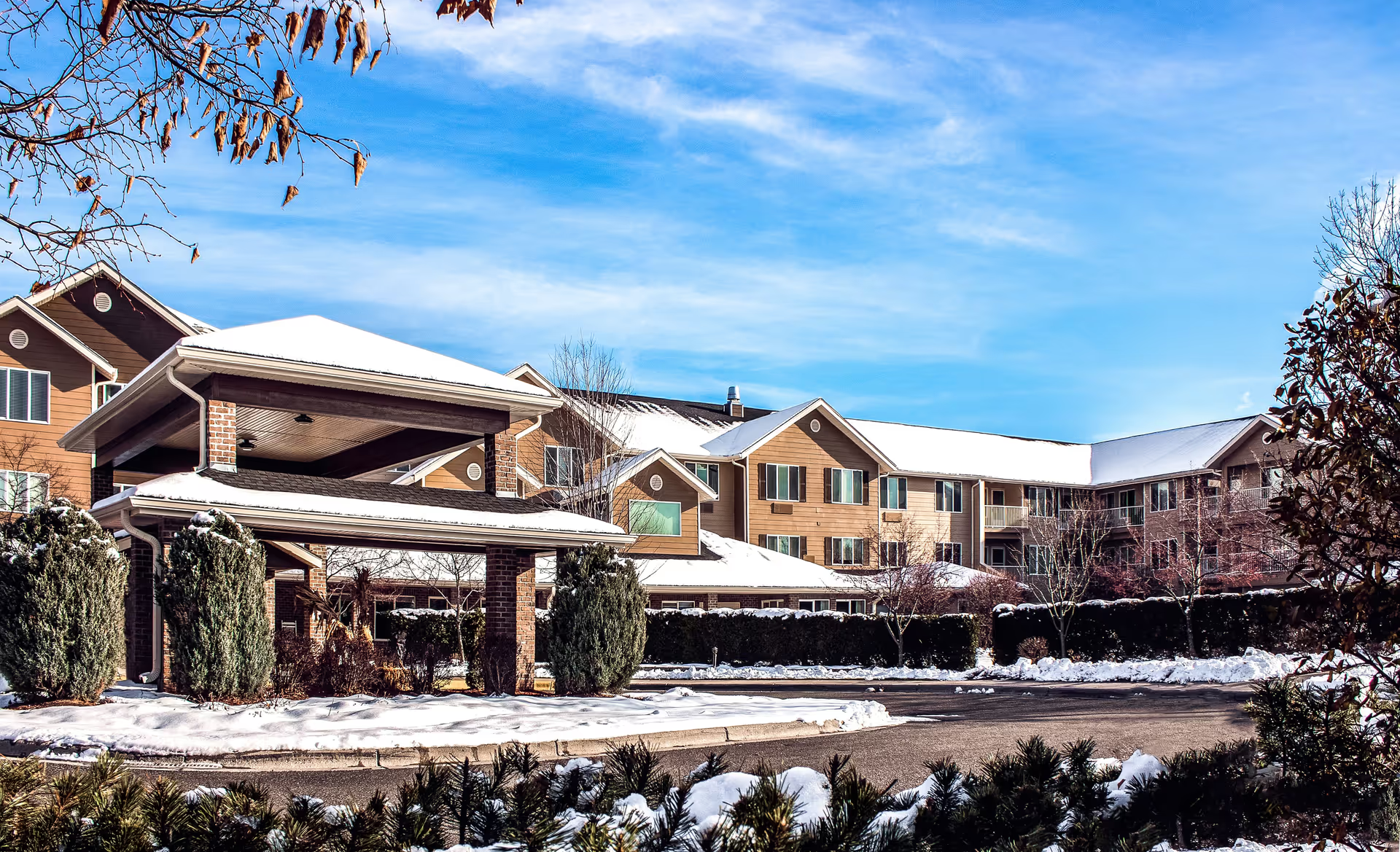
Encore Assisted Living and Memory Care at Hugo presents a mixed but broadly consistent profile: the physical plant and programming receive frequent praise, while operational and management issues generate notable concern. Positive commentary centers on the facility's suitability for memory-care needs, private apartment-style suites, family-style dining with on-site culinary staff, and an active calendar of music, outings, and therapy. The building's layout — including wide-open common areas and outdoor decks — is frequently described as calming and easy to personalize, and many families highlight a home-like atmosphere and a favorable staff-to-resident ratio.
Care and direct caregiving are among the facility's strongest assets in the accounts provided. Numerous statements emphasize compassionate, attentive aides who provide personalized comfort and supportive end-of-life attention. The memory-care focus, individual rooms with private bathrooms, and availability of physical-therapy services were cited as alignment points for residents with cognitive needs. Families that endorsed the facility tended to note stability in day-shift caregiving and a trusting relationship with nurses and aides.
At the same time, reviewers describe operational patterns that warrant careful consideration. Staffing levels — and particularly overnight staffing and supervision — are recurring concerns, with accounts indicating periods of insufficient coverage. Relatedly, questions about staff training and clinical competency were raised, suggesting variability in skill levels across shifts. Several comments point to limits in the facility's capacity to provide 24-hour skilled nursing, which may necessitate transitions to higher-acuity nursing homes for residents with escalating medical needs.
Management, communication, and administrative processes surface as another area of mixed performance. Positive interactions with administrators and front-desk staff are described alongside examples of poor responsiveness, last-minute cancellations during admissions, and perceived inconsistency in contract enforcement and discharge decisions. These accounts suggest variability in corporate oversight and local leadership practices; families should seek written clarification on admissions, re-admission, and discharge policies. A few notes also mention challenges coordinating hospice and end-of-life services, which indicates the importance of clarifying hospice protocols and roles before placement.
Facility amenities and environment are generally well regarded, including newer, well-maintained areas and accessible outdoor spaces. However, some parts of the property are described as dated or dimly lit, with an undersized parking area noted as a practical limitation. Financial navigation can also be complex for prospective residents — reviewers mention funding and payment complexities — so families may benefit from discussing billing, insurance, and contract terms in detail.
For prospective residents and families, the trade-offs are clear: Encore offers a warm, memory-focused setting with strong activities programming and many praised direct caregivers, but operational inconsistencies — especially around overnight staffing, leadership consistency, and 24-hour nursing capability — are important to verify. Recommended pre-admission steps include confirming current staffing ratios by shift, asking for documented overnight supervision protocols, reviewing contract and discharge policies carefully, and discussing hospice coordination and access to skilled nursing when needed.