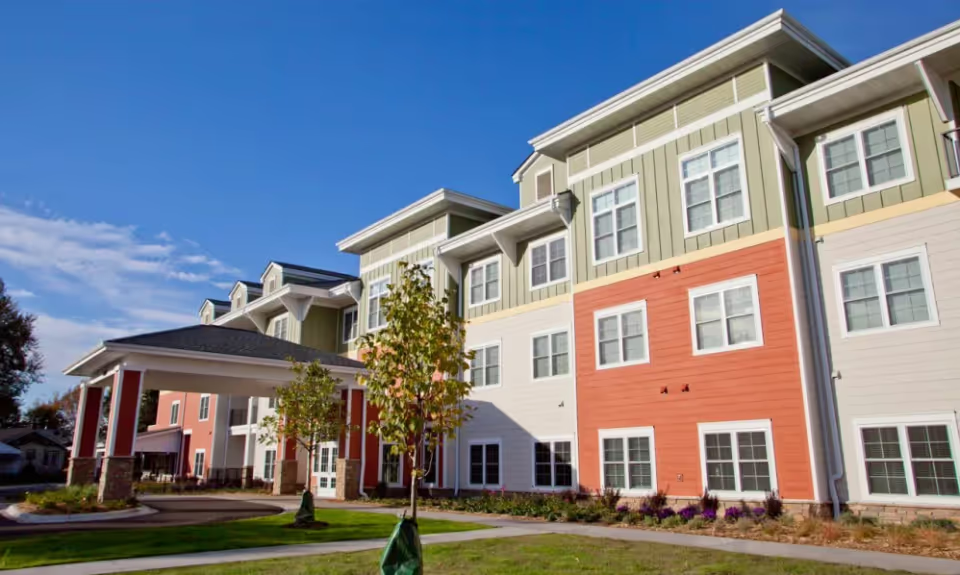
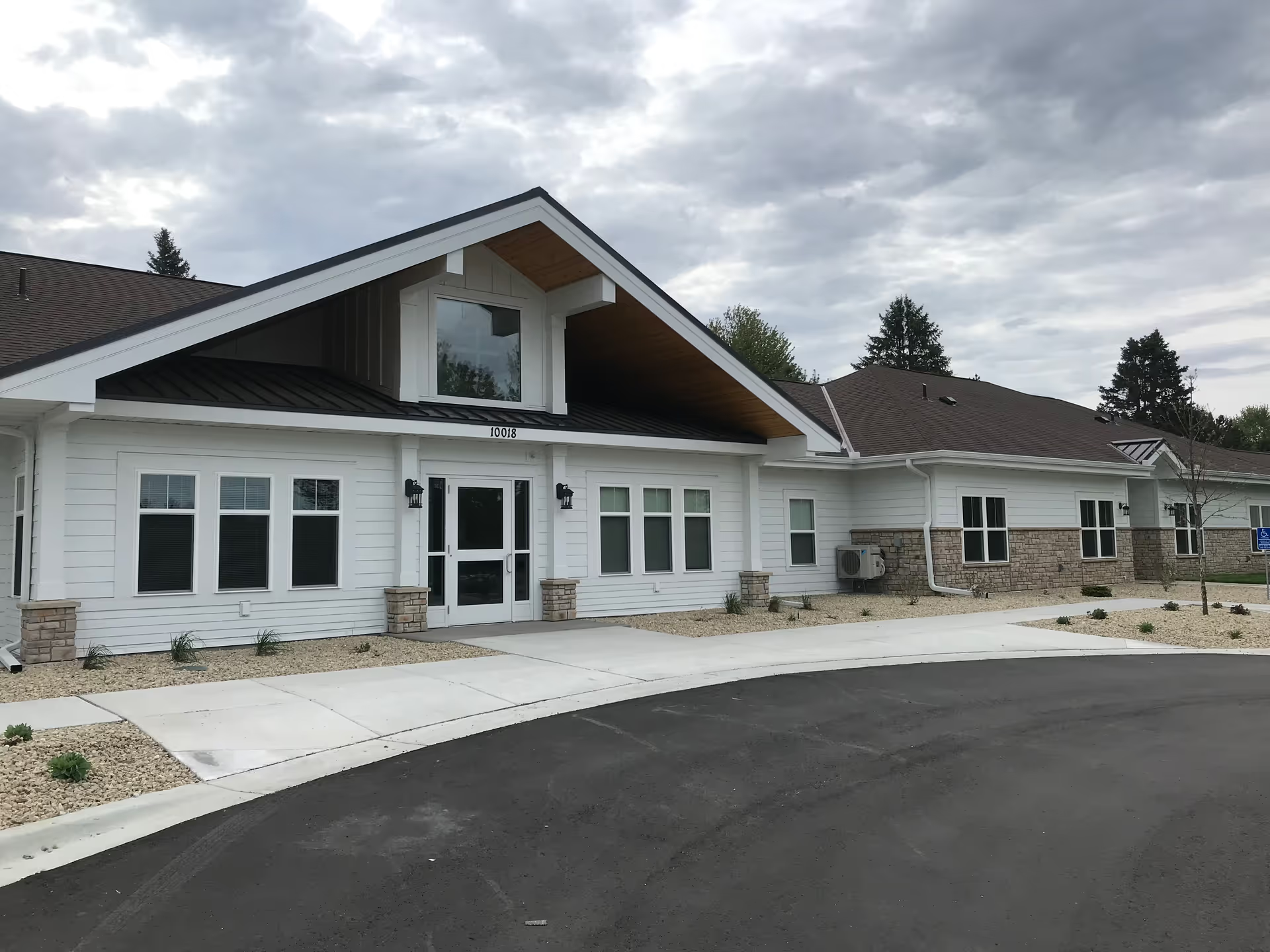
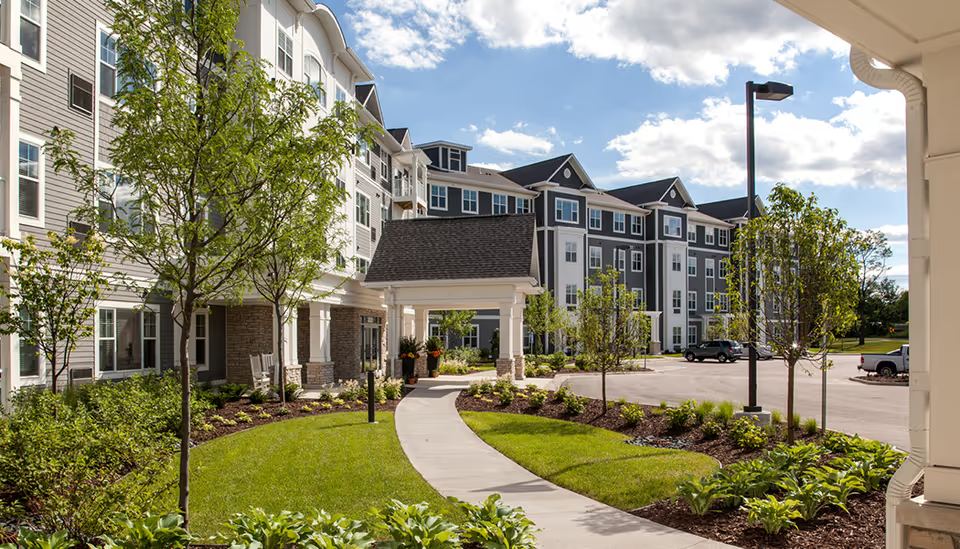
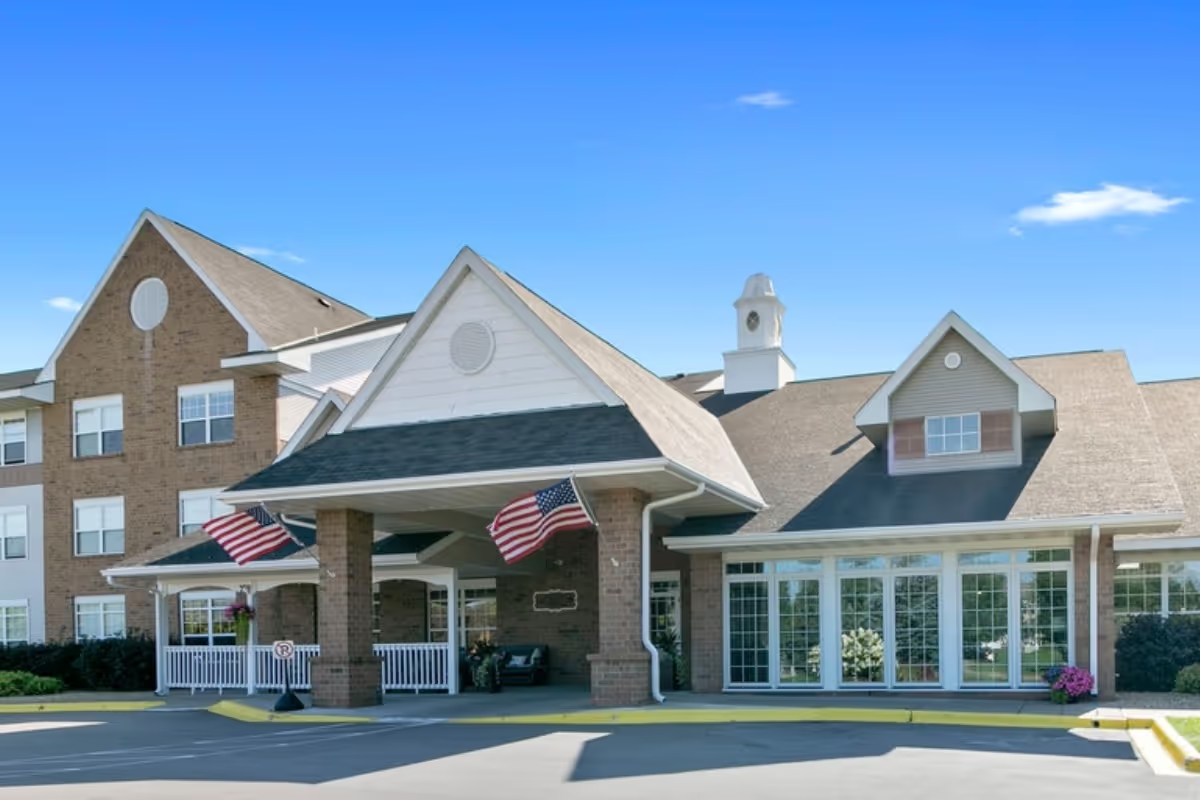
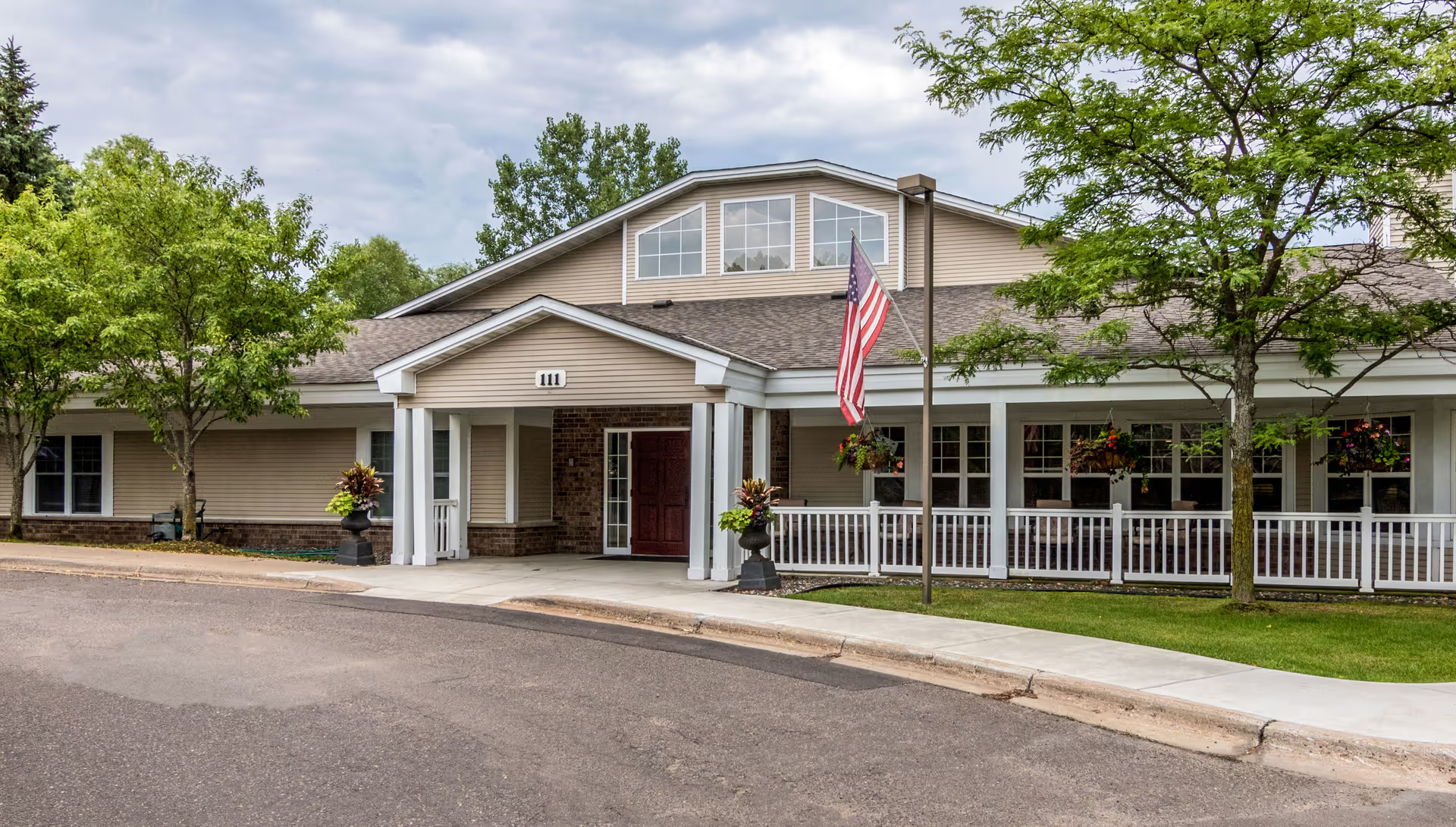
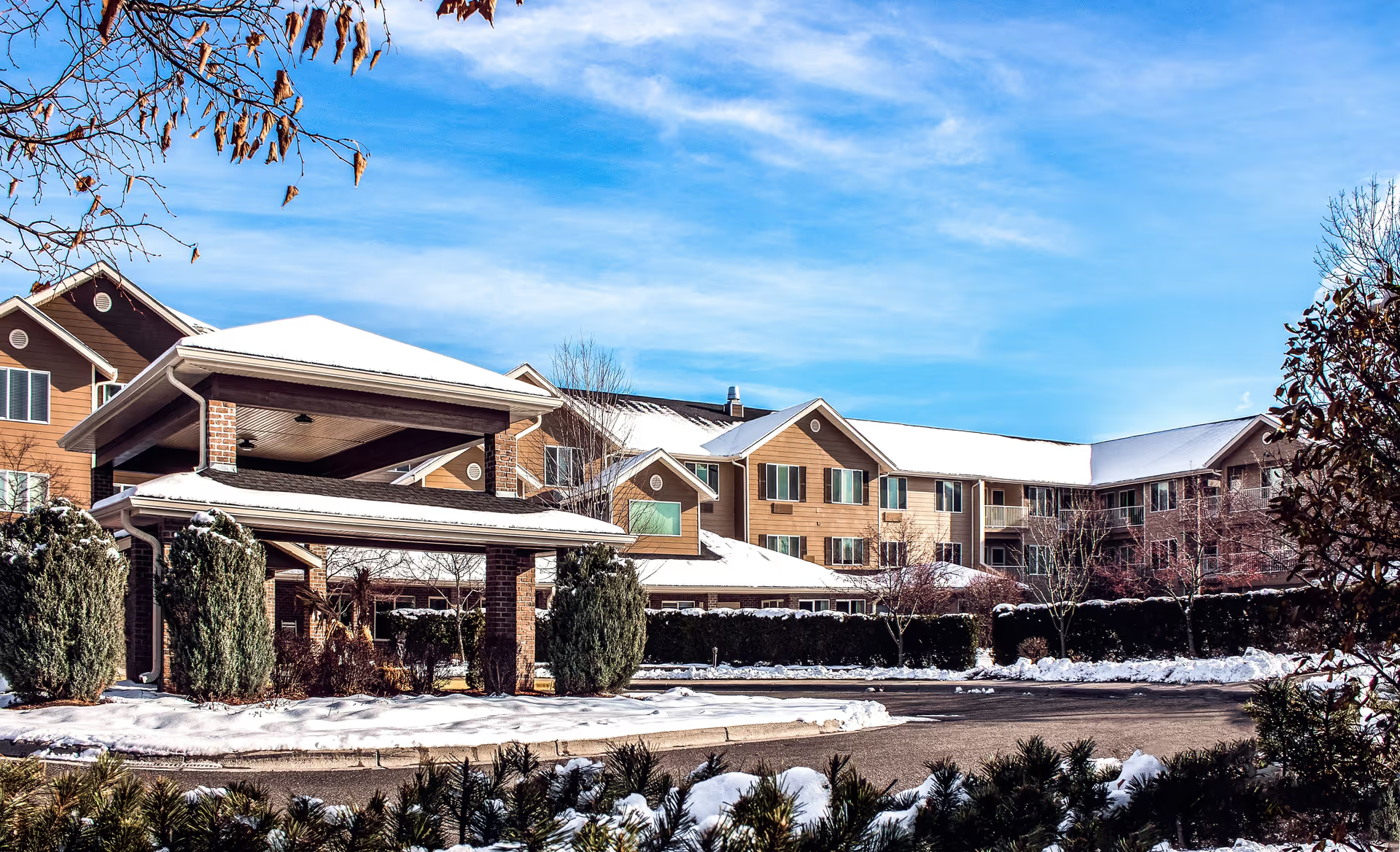
Good Life Senior Living Hugo is described by many families as a small, well-maintained community with a strong emphasis on personalized daily life and social engagement. Strengths that recur across accounts include high-quality, onsite dining with menu choices; private, spacious suites that accommodate personal furnishings; and a suite of on-site amenities such as a beauty salon and laundry. The building and grounds are frequently characterized as clean and home-like, with accessible patios, fireplaces and shared media activities that contribute to a family-style atmosphere.
Clinical and care strengths highlighted include an RN executive director, visible nursing and therapy services, a dedicated memory-care wing, and coordinated hospice transitions. Reviewers commonly praise consistent activity programming — bingo, socials, themed events and field trips — and name staff members for going “above and beyond” to create meaningful days for residents. Several families noted individualized meal and activity planning, strong staff–physician communication during clinical transitions, and proactive assistance with hospital transfers and insurance paperwork.
Alongside these positive themes, a set of operational concerns appears in the feedback. Staffing consistency is a recurring issue: families describe high turnover, periods of being short-staffed, and variability in staff professionalism. These dynamics are linked in some accounts to supervision gaps, especially for residents with dementia or wandering risk, and to delays or inconsistencies in incident escalation and family notification. A few reviews raise concerns about medication-handling and clinical training, suggesting the facility would benefit from stronger clinical oversight and clearer medication-management protocols.
Communication and management responsiveness present a mixed picture. Many families report prompt, attentive communication and helpful administrative support; others describe unanswered phones, delayed responses, or perceptions of limited management engagement. Capacity constraints are occasionally mentioned in the form of waiting for beds or mobility equipment. Finally, a number of families express concern about pricing, indicating they perceive cost as high relative to value in some cases.
For prospective residents and families, this facility’s principal strengths are its dining, personalized atmosphere, activity programming, and visible clinical services including hospice support. When evaluating the community, consider asking specific questions about current staffing ratios and turnover, memory-care supervision and wander-prevention protocols, medication-administration and incident-reporting procedures, recent staff training initiatives, average response times for family communications, and any waitlists or equipment-availability issues. These targeted inquiries can help clarify whether the facility’s operational practices align with your priorities for safety, clinical consistency, and value.