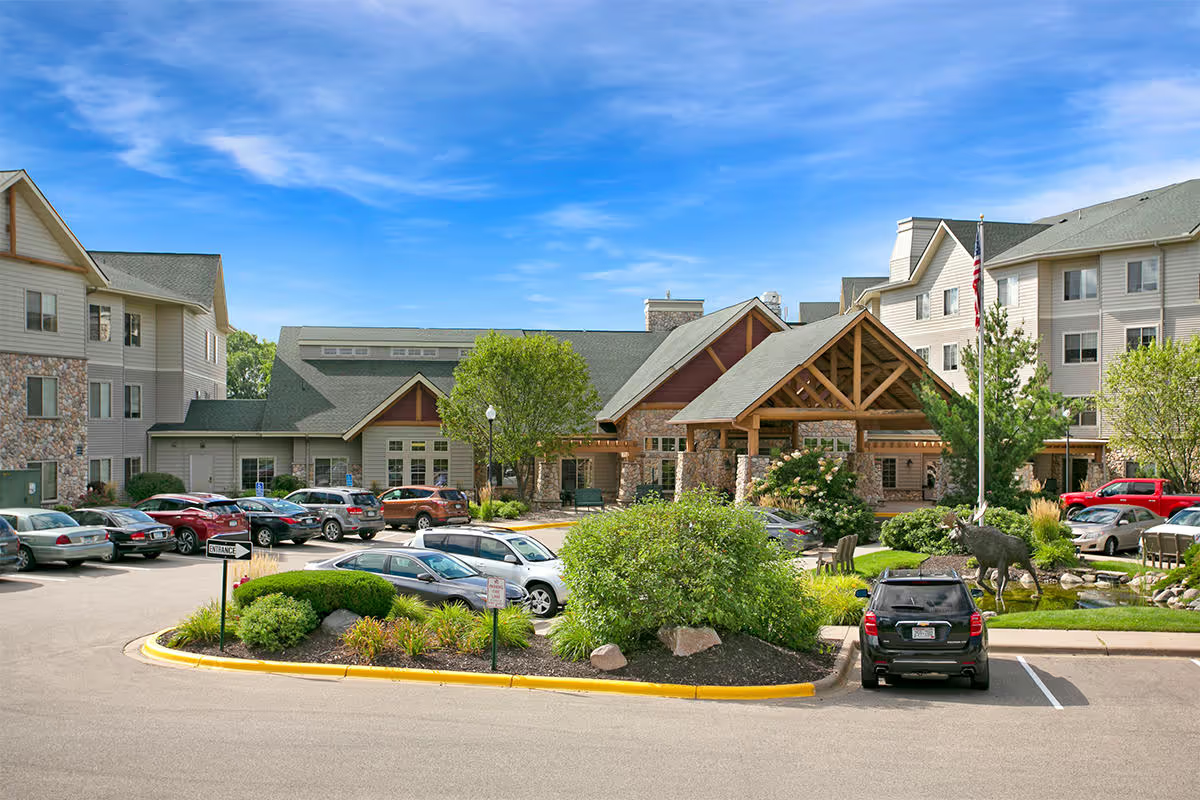
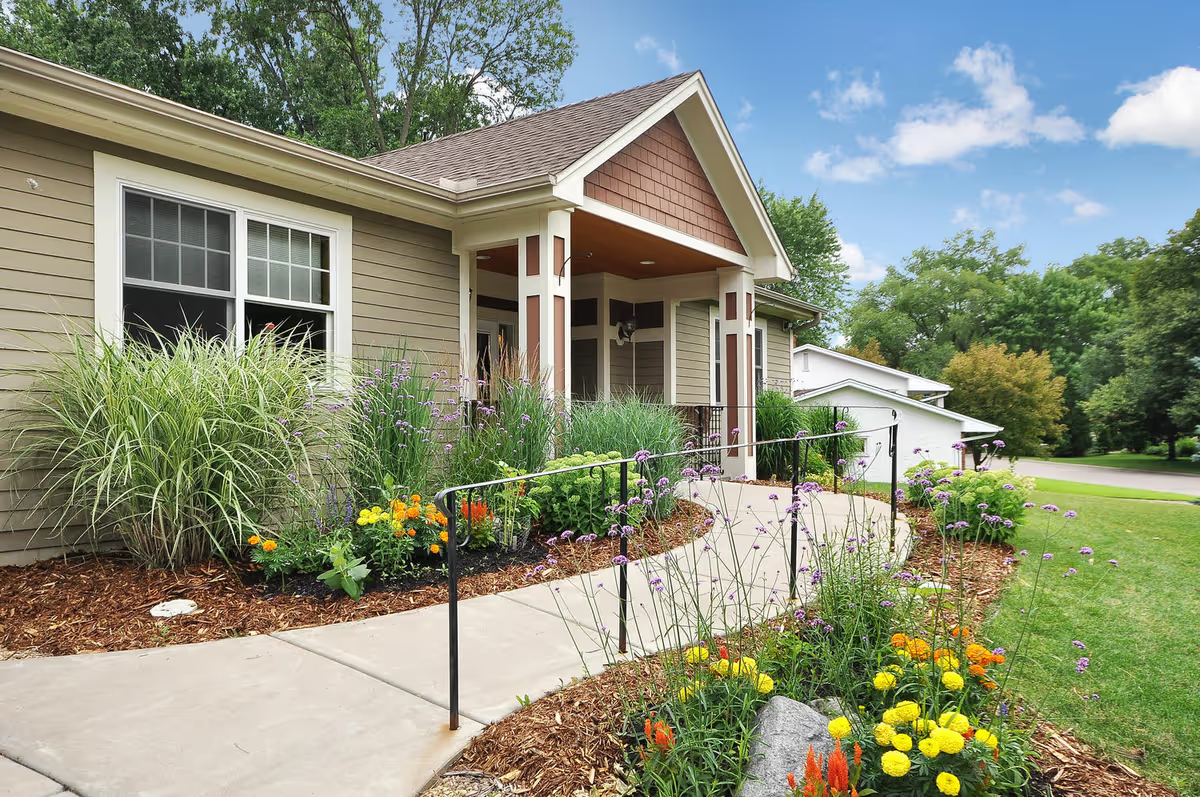
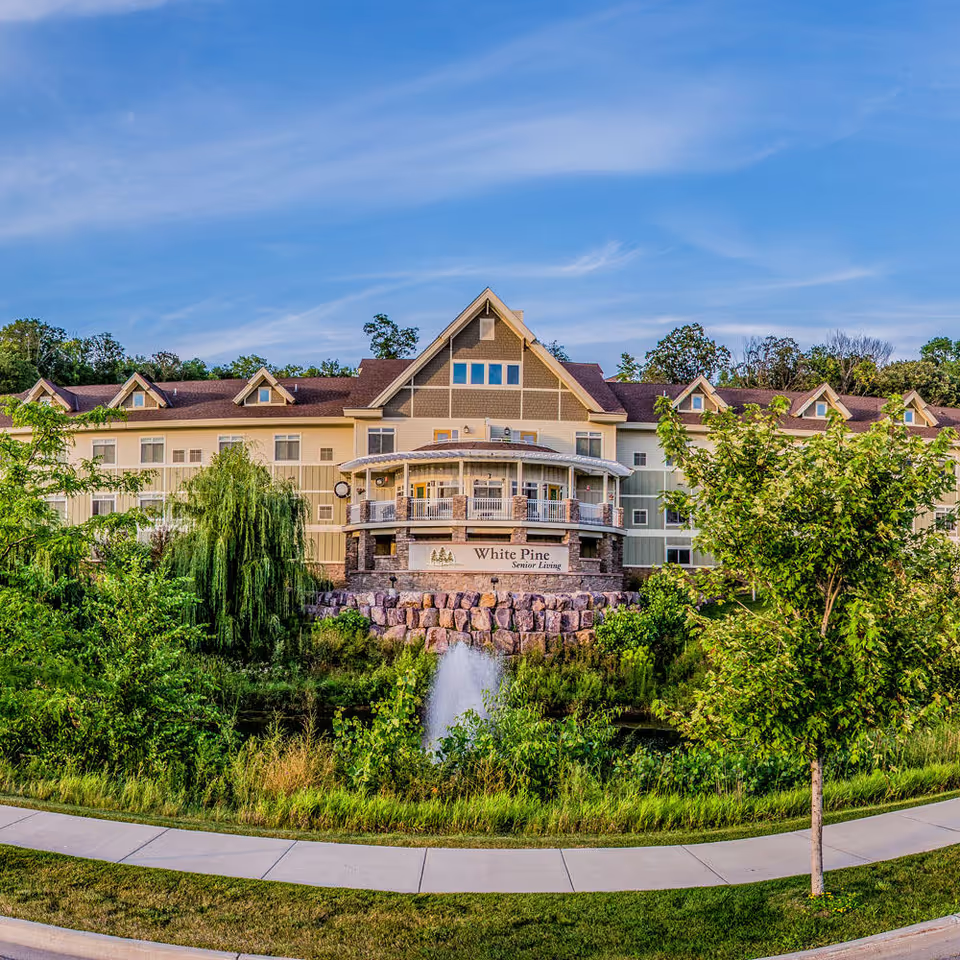
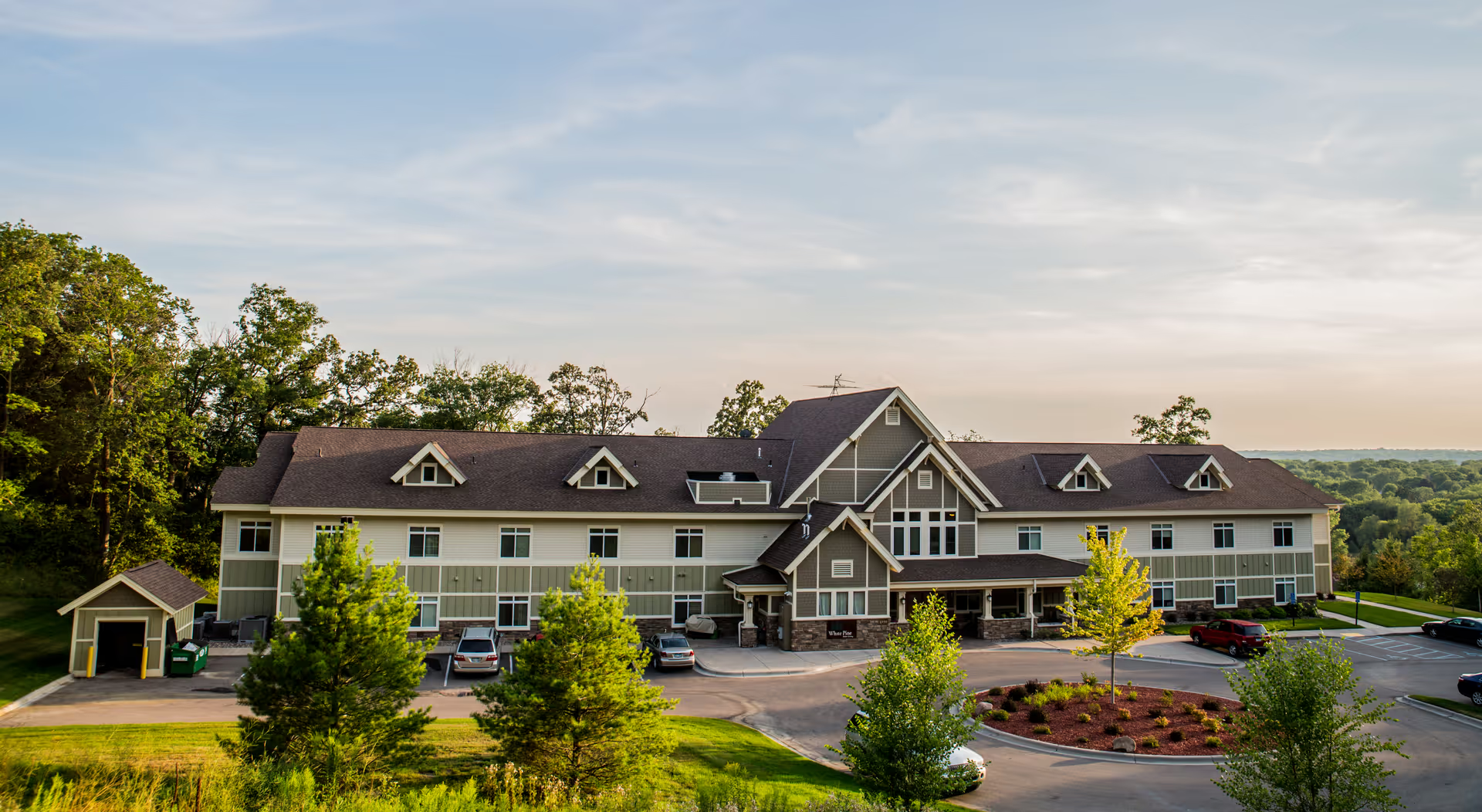
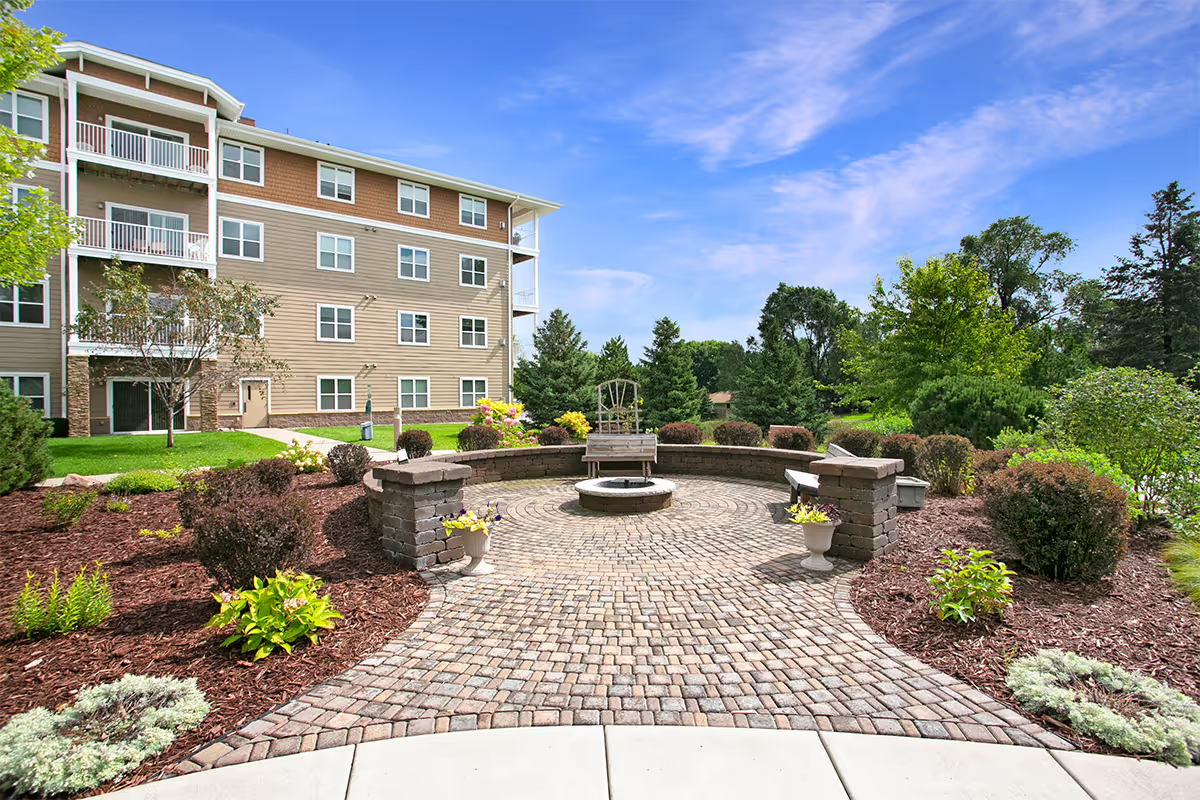
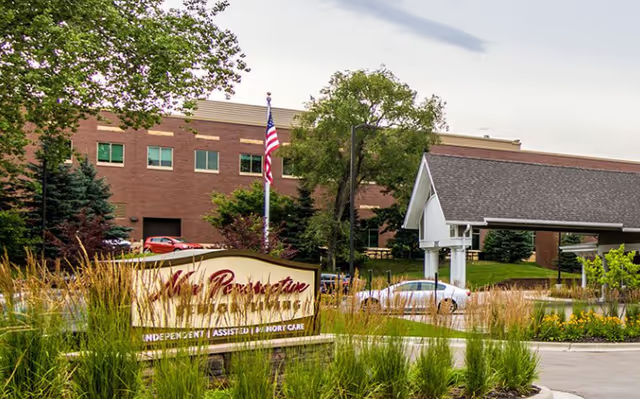
Overview: Brookdale Inver Grove Heights is consistently described as a small, single-level assisted-living community that aims for a home-like atmosphere. Many accounts highlight strengths tied to its size: intimate common areas, easy visitation, and personalized interaction between staff and residents. The facility’s location, outdoor patio, and central dining area are often noted as positive features that support socialization and daily routine.
Care and clinical quality: Care experiences are mixed. Numerous comments praise compassionate, patient caregivers and individualized care plans, and several accounts commend clinical staff for attentive end-of-life and higher-acuity care when provided. Conversely, recurring operational concerns include understaffing and intermittent high turnover, which reviewers link to slower response times for clinical needs and occasional delays in emergency transfers. There are also specific concerns about staff conduct and resident-handling techniques; these have been framed by families as issues with tone or technique rather than as isolated administrative errors. Reports also indicate gaps in continuous clinical coverage, including limited on-site nurse or physician presence at times.
Staff and management: Staff are frequently described as friendly, engaged, and personally involved in resident well-being. Long-tenured caregivers and activity staff receive specific praise for building rapport and keeping residents active. At the same time, reviewers describe inconsistencies in management communication and availability. Positive accounts underline quick responses and advocacy from facility leaders, while other accounts cite unanswered questions, poor follow-up, and disputes over billing or lease terms. Billing and fee transparency is a notable operational vulnerability, with reports of unclear entry fees, invoice inaccuracies, and contested charges.
Dining and activities: Dining is a commonly cited strength and a source of mixed opinion. Many reviewers report fresh, scratch-made meals and a pleasant mealtime atmosphere that encourages interaction. Other accounts point to inconsistent food quality, limited menu variety at times, and absence of fresh fruit or desired items. Activity programming is broad — bingo, exercise, gardening, movies, and outings are mentioned — and the small size supports individualized engagement. However, activity offerings are not always perceived as accessible to residents with higher acuity or limited mobility, and some families wished for more varied or rehabilitative options.
Facilities and layout: The facility’s compact, single-level design is attractive for residents who prefer a small, accessible setting without stairs or elevators. On-site services such as a beauty shop and central kitchen are conveniences that reviewers appreciate. Persistent facility-level limitations include small room sizes with constrained privacy, limited in-room refrigeration and cooking options, and reduced suitability for couples or private family gatherings. Some reviewers also raised sanitation and odor concerns in specific rooms or common areas and noted that parking is limited.
Notable patterns and decision guidance: Overall impressions are polarized around two themes: the advantages of a small, home-like community with caring staff and the operational strains of understaffing, variable clinical responsiveness, and administrative opacity. Prospective residents and families seeking a cozy, personalized environment with strong social dining and a robust activities calendar may find the facility appealing. Those who prioritize larger private living spaces, guaranteed 24/7 clinical staffing, transparent billing practices, or comprehensive on-site medical coverage should evaluate those areas carefully during a tour and by reviewing contract/fee documents. Asking for specifics on staffing ratios, clinical coverage hours, sample menus, activity schedules, parking availability, and a clear written fee breakdown can help clarify fit before a move.