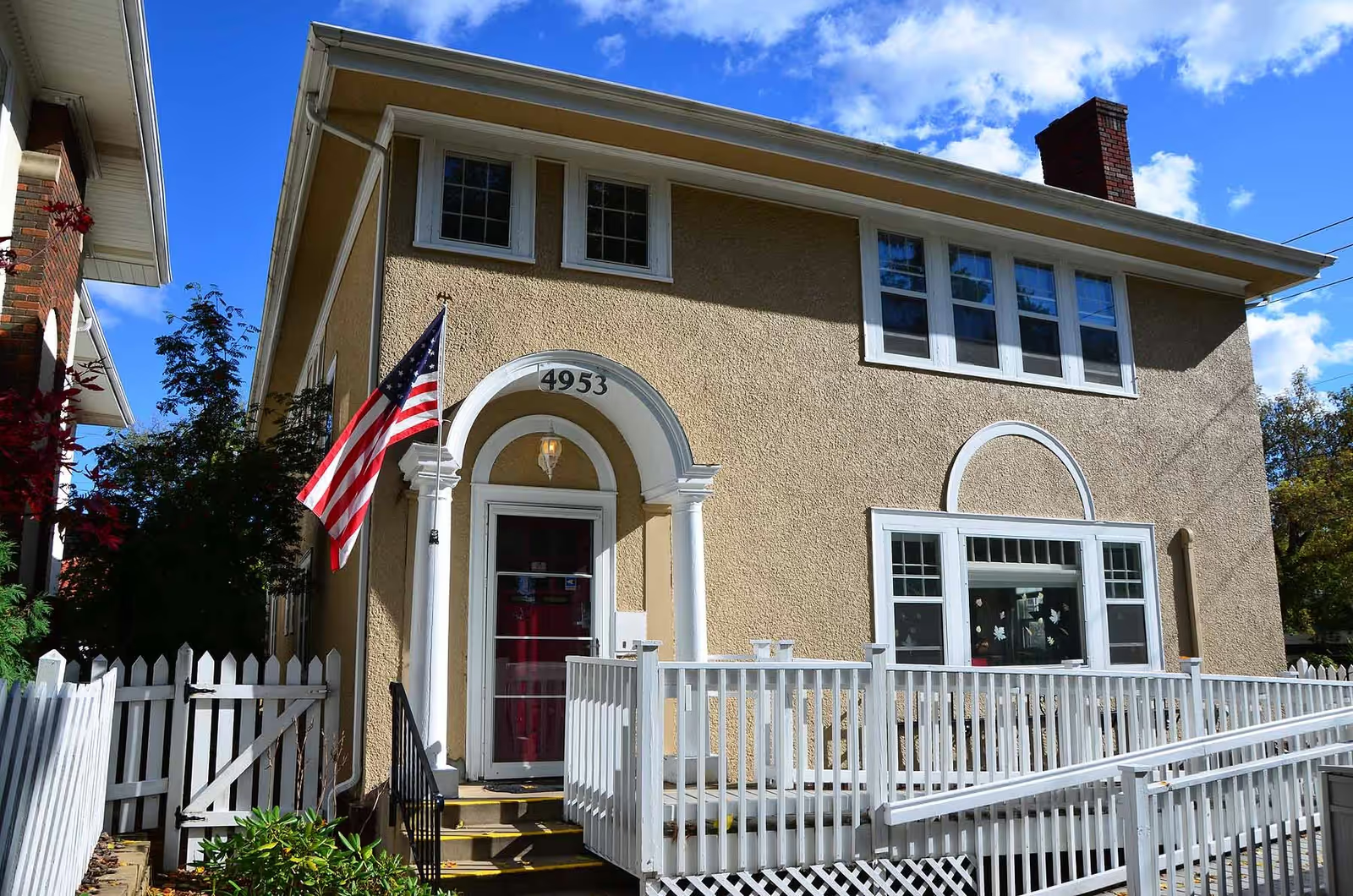
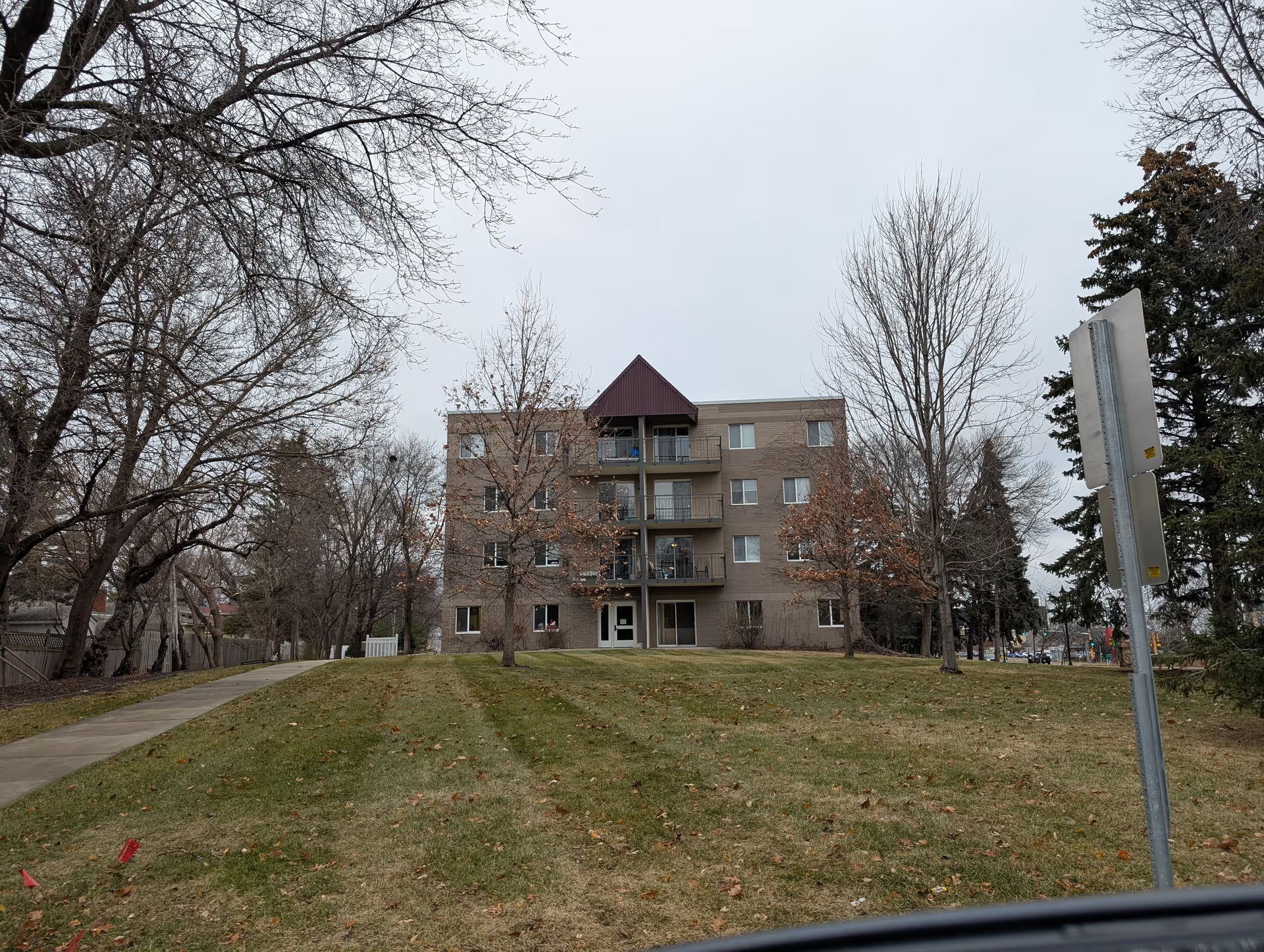
Reviews of Edenbrook Edina present a strongly mixed picture. The facility earns consistent praise for its therapy and rehabilitation services, with multiple accounts of effective physical and occupational therapy programs and positive functional outcomes. The wound-care team and several nurses and aides are frequently described as competent and compassionate, and families often note helpful administrative staff and assistance arranging home-health or hospice services. Many reviewers reported that transitions from hospital to the facility were handled smoothly.
At the same time, a recurrent pattern of operational weaknesses appears across reviews. Staffing levels and consistency are a major concern: reviewers describe frequent turnover, fewer staff on evenings or weekends, and long response times to call bells. Those staffing challenges are linked to delays in care delivery (including pain management and other medications), inconsistent bathing and room-cleaning schedules, and unmet promises for routine checks. Medication management and supply control are also recurring issues — reports include late or missing medications, running out of necessary supplies, and isolated but serious medication incidents that prompted escalation to emergency care.
Communication and care coordination are uneven. Families cite instances of poor follow-up from social work and inconsistent outreach from clinical staff, while others describe clear interdisciplinary meetings and coherent care plans. Similarly, complaint handling and administrative responsiveness vary: some families found administrators welcoming and proactive, while others experienced dismissive or slow responses and difficulty resolving billing or clinical concerns. A few reviews reference regulatory or malpractice activity and allegations of theft or improper charges; these items represent serious individual claims that several families raised.
Dining, activities, and facilities show similar polarization. Meal quality and consistency are frequently criticized — from unpalatable breakfasts to diet-order errors — though some families reported acceptable rotating menus and adequate portions. Activities and therapy-driven programming receive praise when active, but families noted that social programming can feel limited unless family members participate. The physical plant is described as clean and well maintained in many accounts, yet other reviewers report dated areas, maintenance problems (leaks, broken fixtures, limited elevator service), and accessibility constraints such as undersized bathrooms and hazards that impede safe mobility.
Overall, the dominant pattern is one of strong clinical rehabilitation capabilities and pockets of highly committed staff contrasted with systemic operational challenges: inconsistent staffing, medication and supply management gaps, variable communication, and uneven facility maintenance and dining services. Prospective residents and families would benefit from in-person observation across different shifts, direct questions about staffing levels, medication-supply protocols, infection-control and sanitation routines, billing practices, and how the facility handles incident reporting and family communication. These targeted inquiries can help determine whether Edenbrook Edina’s strengths in therapy and individual staff members align with a given resident’s needs despite the documented operational variability.