Home Health at North Ridge elicits a mixed but informative picture: many families praise direct caregivers, clinical staff, and on-site management for attentive, person-centered care, while operational inconsistencies and turnover create variability in day-to-day experience. The facility shows clear strengths in clinical staffing presence, rehabilitative services, and a strong emphasis on social engagement, yet reviewers commonly flagged issues that affect reliability and family confidence.
Care and clinical staffing: Reviewers frequently highlight compassionate aides, capable LPNs/RNs, and 24-hour nursing coverage. Rehabilitation therapy and therapy aides receive particular mention for effective support during short-term rehab stays. The community demonstrates competence with dementia care approaches and individualized engagement; staff who get to know residents and recognize subtle changes are cited as a meaningful strength. At the same time, persistent staffing shortages and turnover—including changes in nursing leadership—are associated with uneven responsiveness, occasional missed or delayed care tasks, and variability in oversight. Several families described delays in medication administration and slower-than-expected assistance with personal needs; these are best understood as system-level responsiveness issues rather than isolated interpersonal concerns.
Staff and management: Direct-care workers, life-enrichment staff, and some administrators earn consistent praise for kindness, accessibility, and hands-on problem solving. Specific managers and directors are singled out for effective communication and follow-through. However, reviewers also identify recurring management challenges: department-to-department coordination gaps (for example, between finance, assisted living admissions, and clinical teams), a perception of corporate cost pressures influencing local decisions, and frequent administrative turnover that complicates continuity. There are also isolated but serious allegations—including reported concerns following a resident death and claims of missing items—that have amplified family unease about incident handling and post-incident communication.
Dining, activities, and daily living: The community offers a robust activity program (bowling, movies, Bingo, holiday events, outings) and has expanded life-enrichment hours in recent updates. Families often praise meal variety, daily housekeeping, and laundry services, and many reviewers describe the dining and social programs as important contributors to quality of life. A contrasting thread notes inconsistent meal quality for some residents, and pandemic-related visitation or dining restrictions were a recurrent operational constraint in earlier periods.
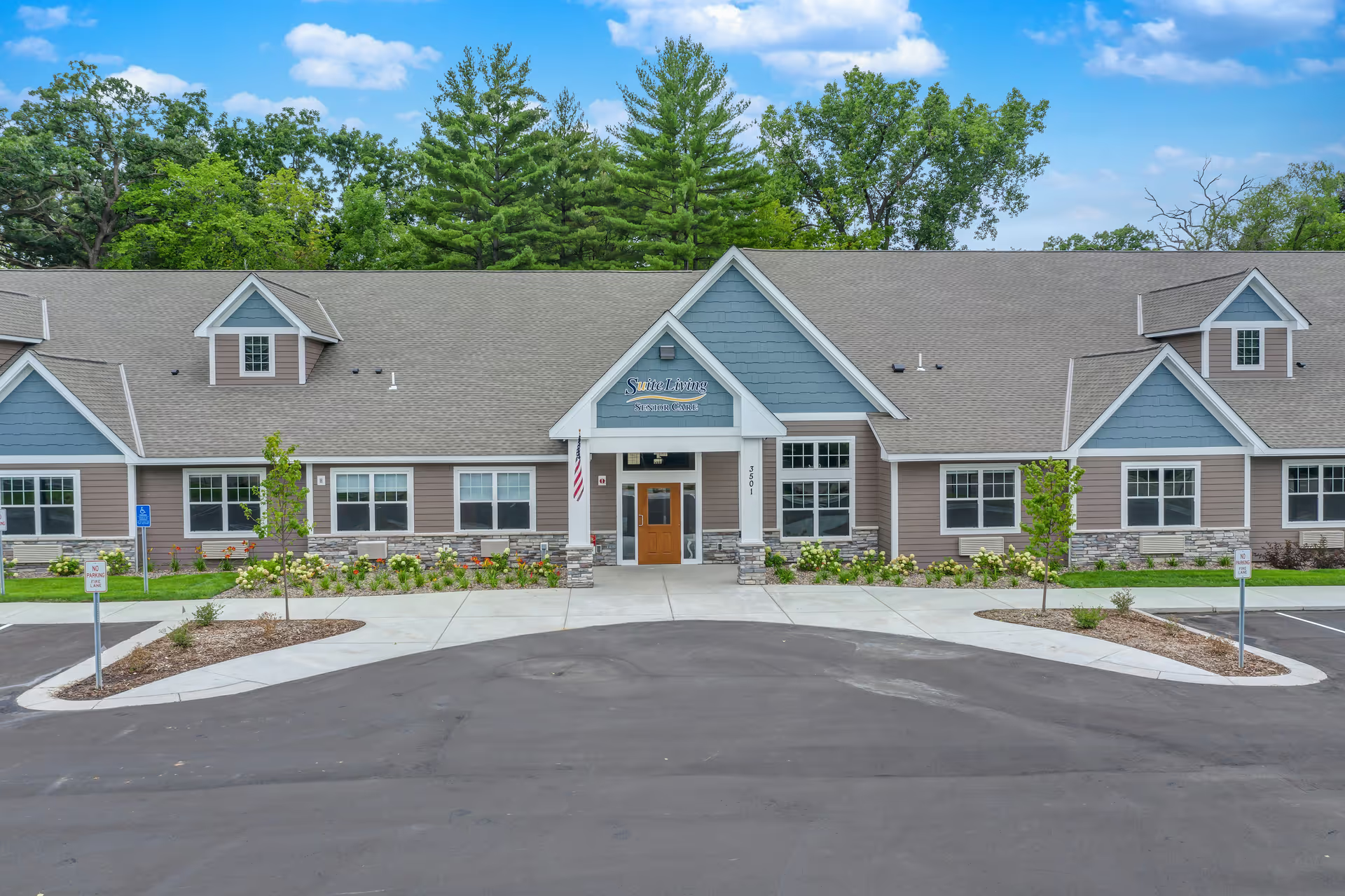
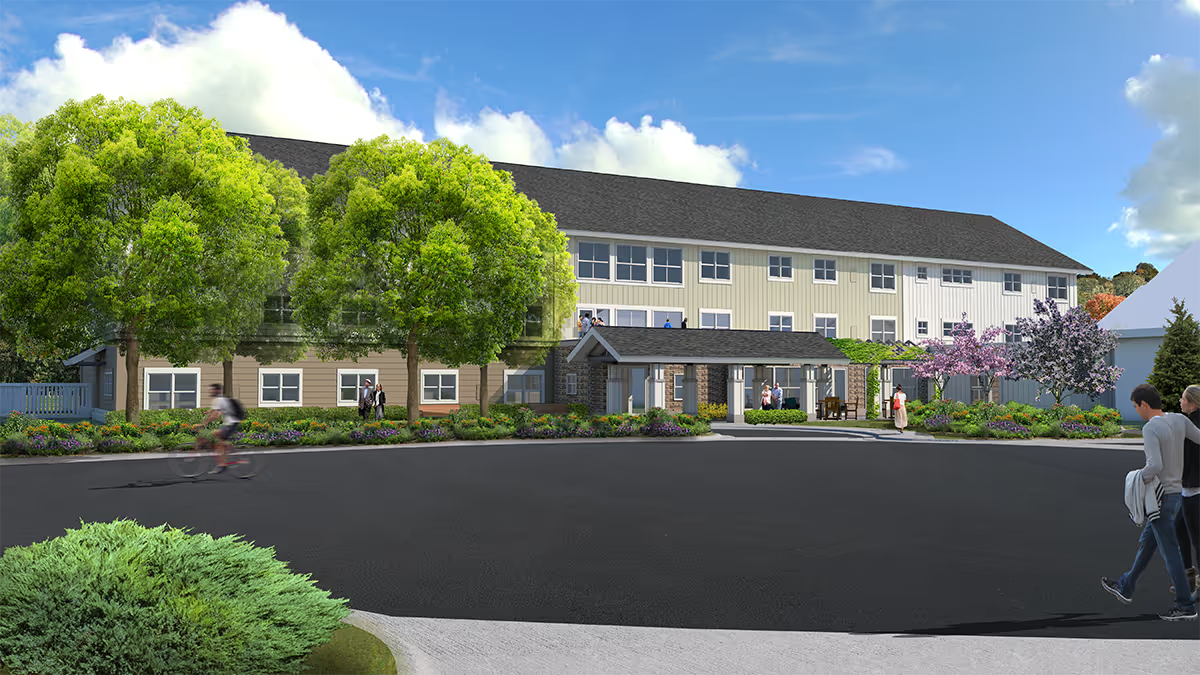
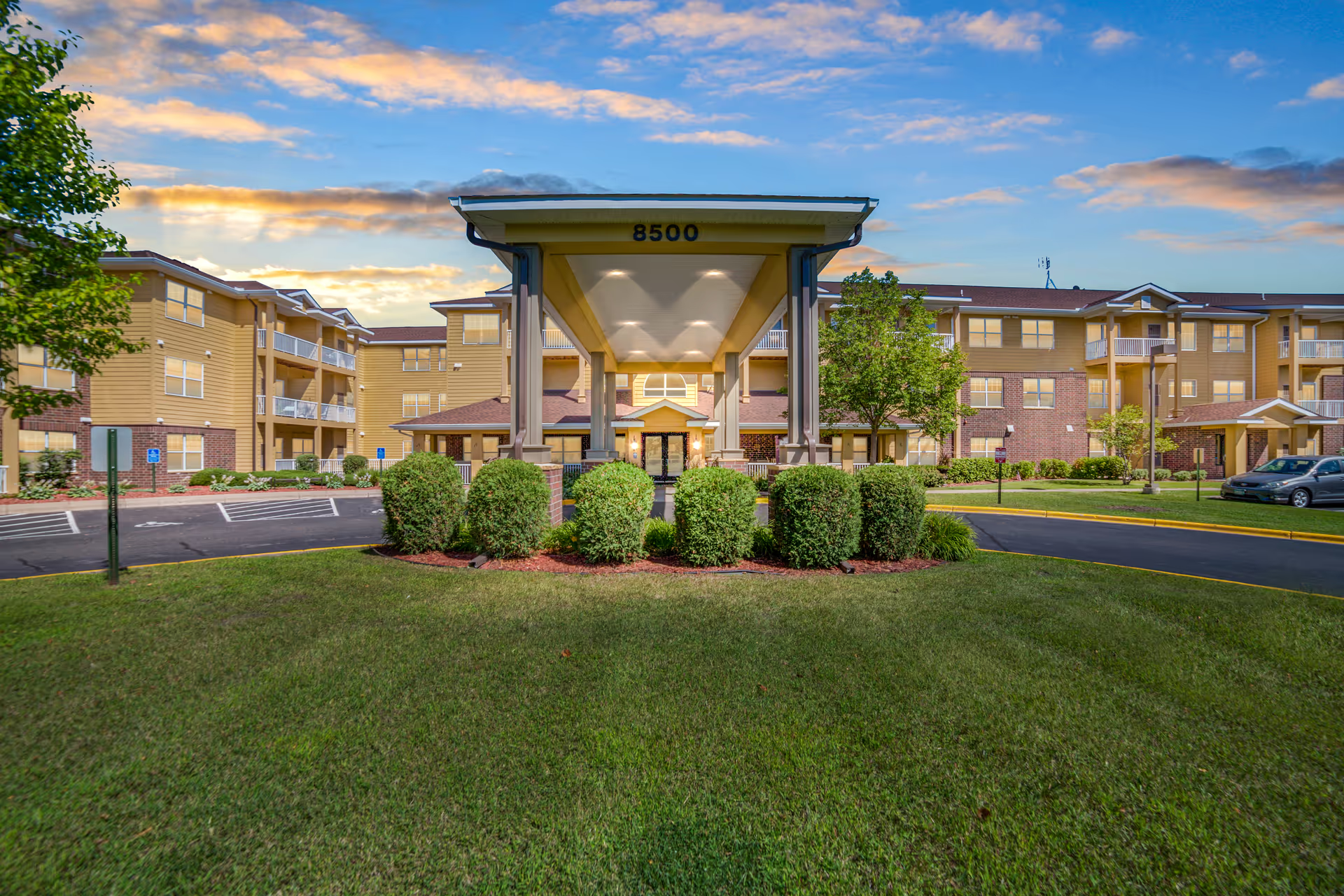
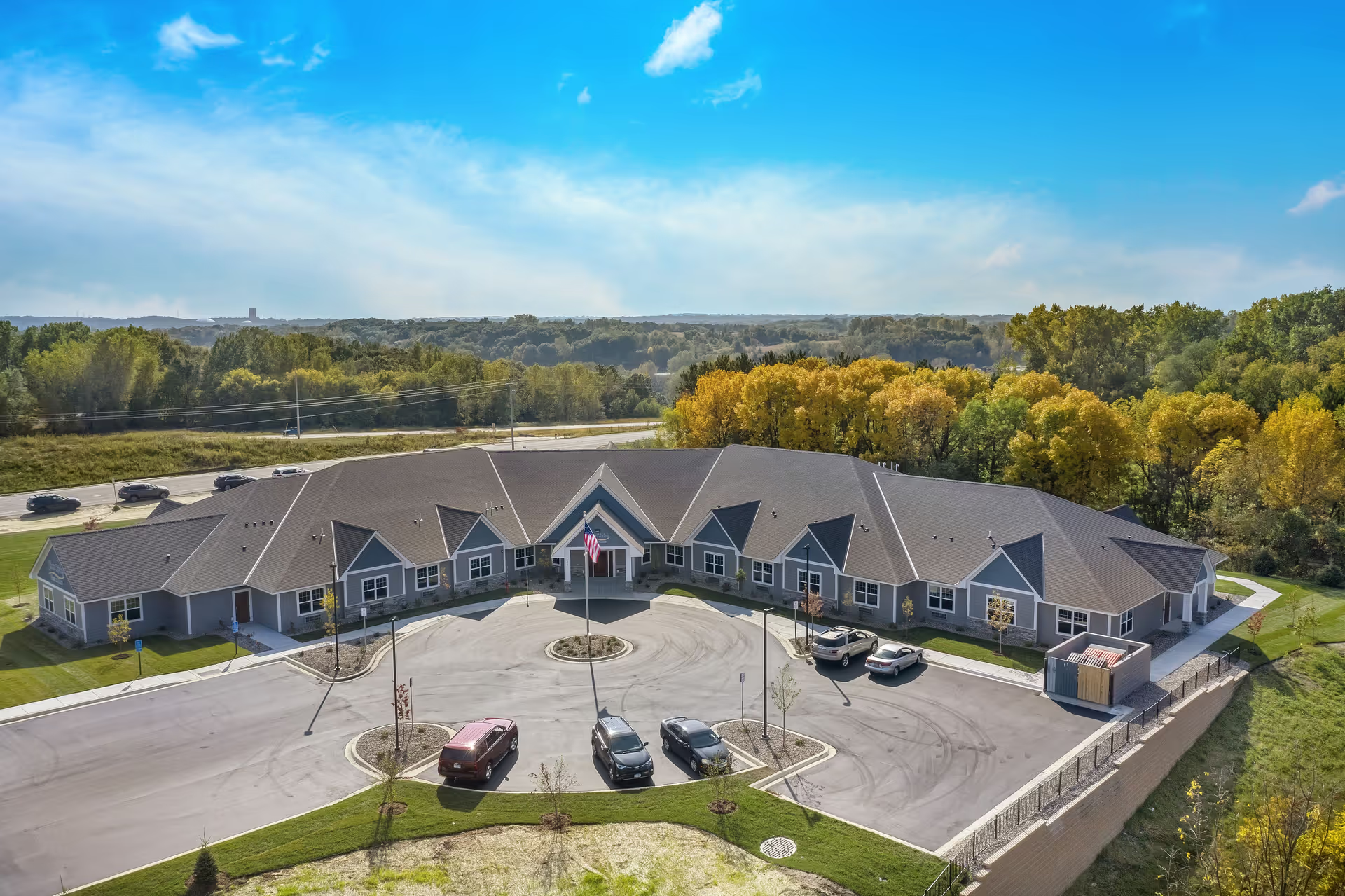
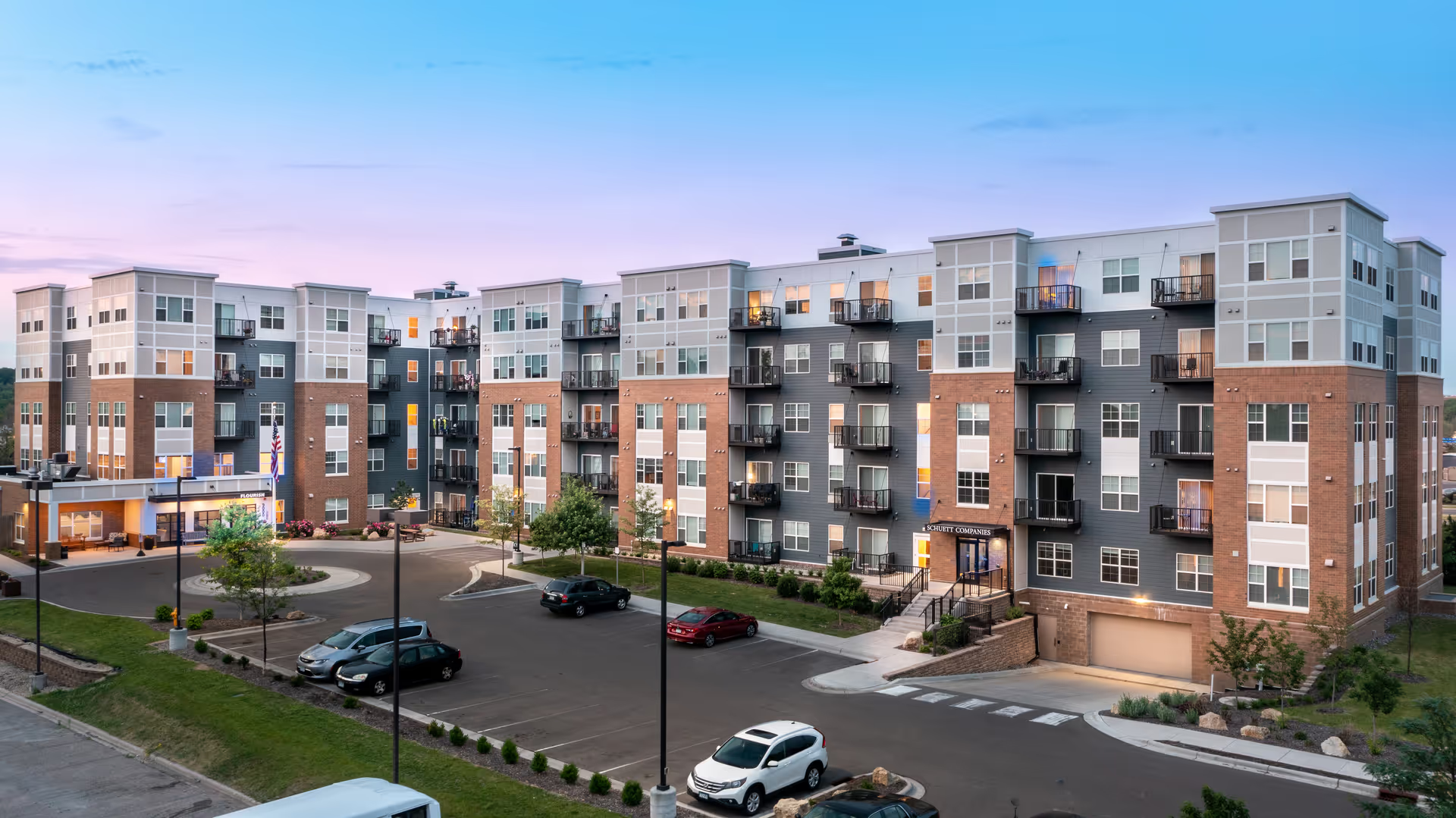
Facilities and environment: Physical updates and remodels receive positive comments: bright, remodeled hallways, refreshed flooring, and well-maintained common areas. Reviewers consistently describe clean rooms, accessible courtyards, and spacious apartment layouts with good views. The campus’s size and scope are seen as assets, though maintenance or supply-management delays—lost equipment, slower repair turnaround—are noted as operational weaknesses.
Notable patterns and guidance for prospective families: The dominant pattern is strong, compassionate front-line care tempered by variability in reliability stemming from staffing, training, and management transitions. Prospective residents and families should consider direct observation and targeted questions during a tour: current staffing ratios and recent turnover, how clinical incidents are communicated to families, training and supervision processes for aides, memory-care placement procedures, visitor and infection-control policies, and examples of how the community addresses missed-care events. Asking for recent references, examples of post-incident follow-through, and clarification on billing/finance coordination can help assess whether the community’s strengths align with an individual’s care needs and expectations.
Overall, Home Health at North Ridge demonstrates many of the qualities families seek—clinical coverage, rehabilitative capability, engaging programming, and a welcoming physical environment—while also exhibiting operational inconsistencies that merit direct inquiry and ongoing oversight by families and care planners.