Overview: Reviews of Woodlake at New Hope present a mixed but patterned picture. Strengths frequently cited include a strong rehabilitation program, many instances of attentive and friendly staff, active social programming, and an attractive outdoor campus. Several families praised the chapel and spiritual services, helpful front-desk staff, and the availability of both assisted-living and long-term care on one campus. These features suggest the community can be a good fit for residents seeking therapy services, social engagement, and spiritual support in a campus-style setting.
Care quality and clinical issues: Clinical experiences are mixed. Physical and occupational therapy services receive consistent positive comments for professionalism and effectiveness, and some reviewers considered the rehab center a clear asset. At the same time, there are recurring concerns about medication management (delayed or missed medications, documentation gaps) and inconsistent execution of care plans, which families reported as contributing to pain-control and skin-integrity issues. Staffing variability appears to affect clinical continuity: short staffing and delays in responding to call lights or emergencies were described, and these operational issues were linked to risk of avoidable deterioration and potential hospital readmission.
Staff, communication, and conduct: Many reviewers described individual staff members as kind, compassionate, and skilled—chaplaincy and several nursing/therapy staff received specific praise. However, other accounts highlight inconsistent staff conduct, lapses in professionalism, and inadequate follow-through from management when concerns were raised. Language and communication barriers among direct-care aides were noted and, in some cases, were associated with task errors or misunderstandings. Families should expect variability in staff performance and responsiveness depending on shift and unit.
Dining and activities: Dining impressions vary: several visitors described pleasant cafeteria lunches and generally good meals, while others found food quality inconsistent. The community programming and social activities were commonly described as engaging and conducive to new friendships; the presence of recreational options and social spaces is a positive factor for residents who prioritize activity and socialization.
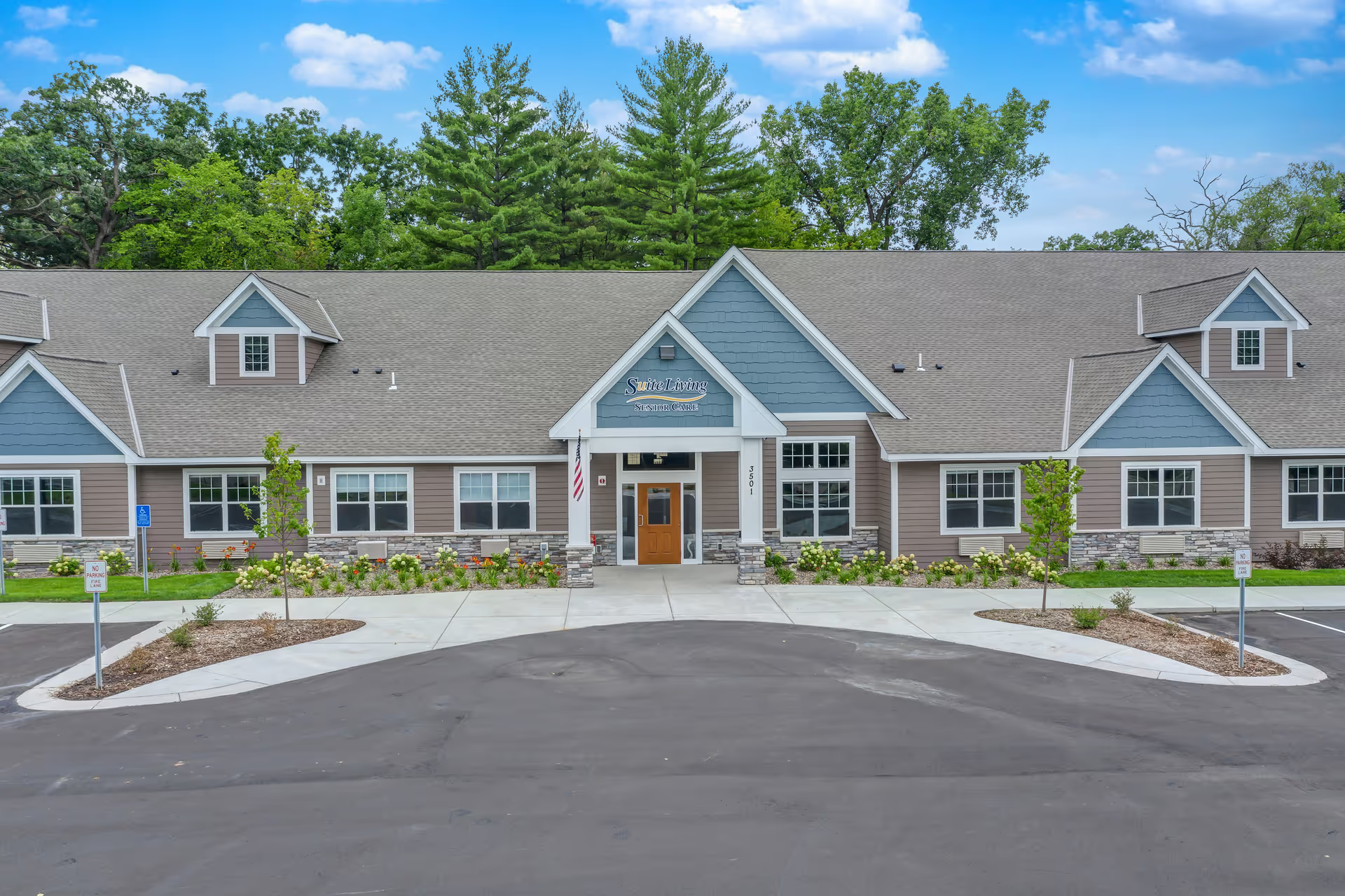
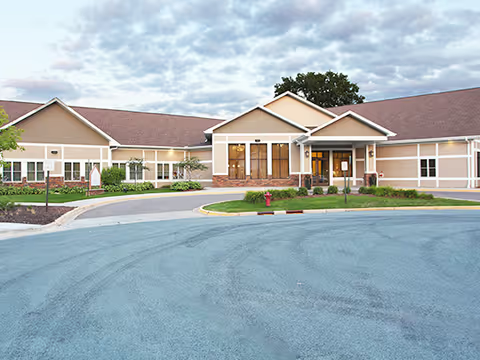
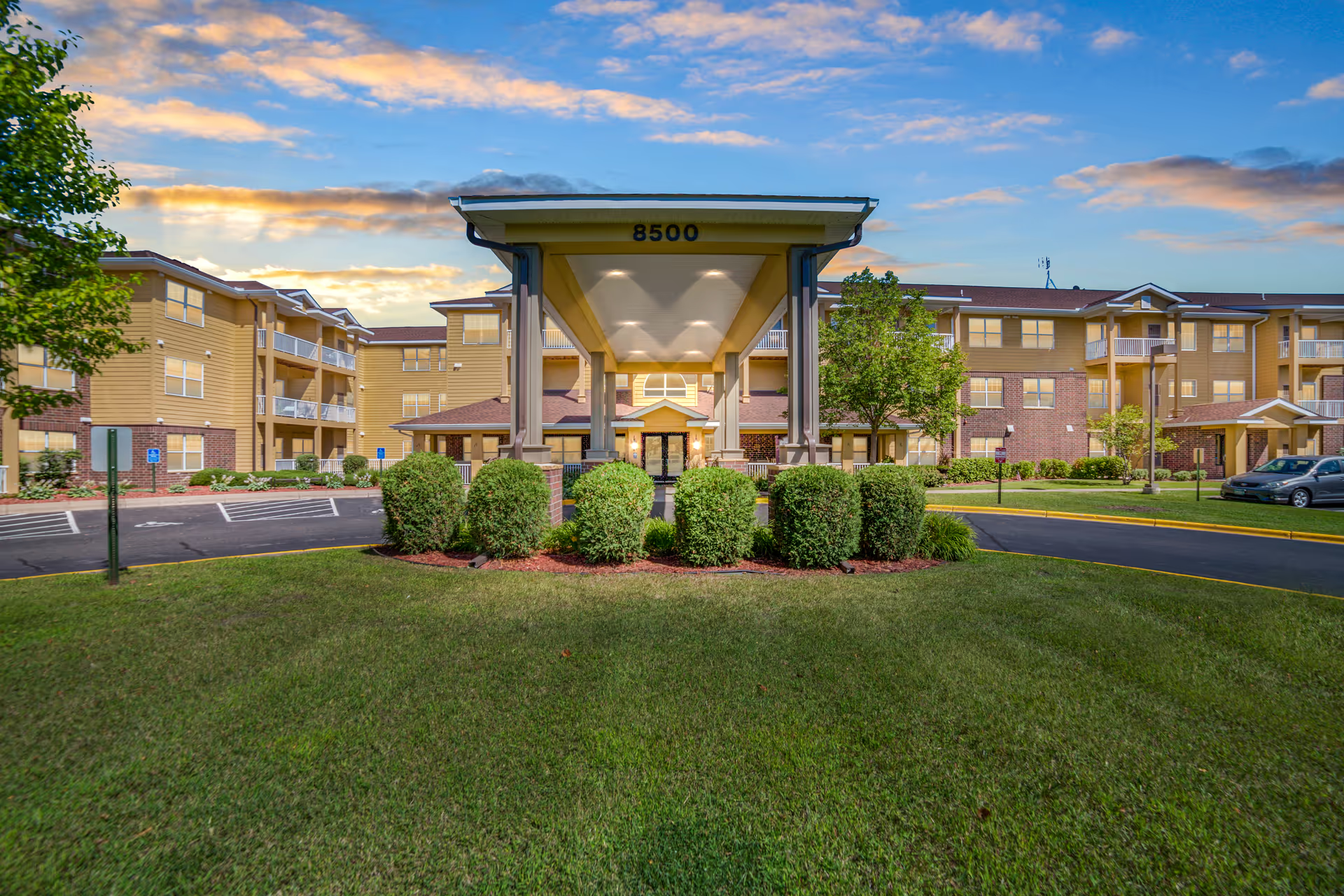
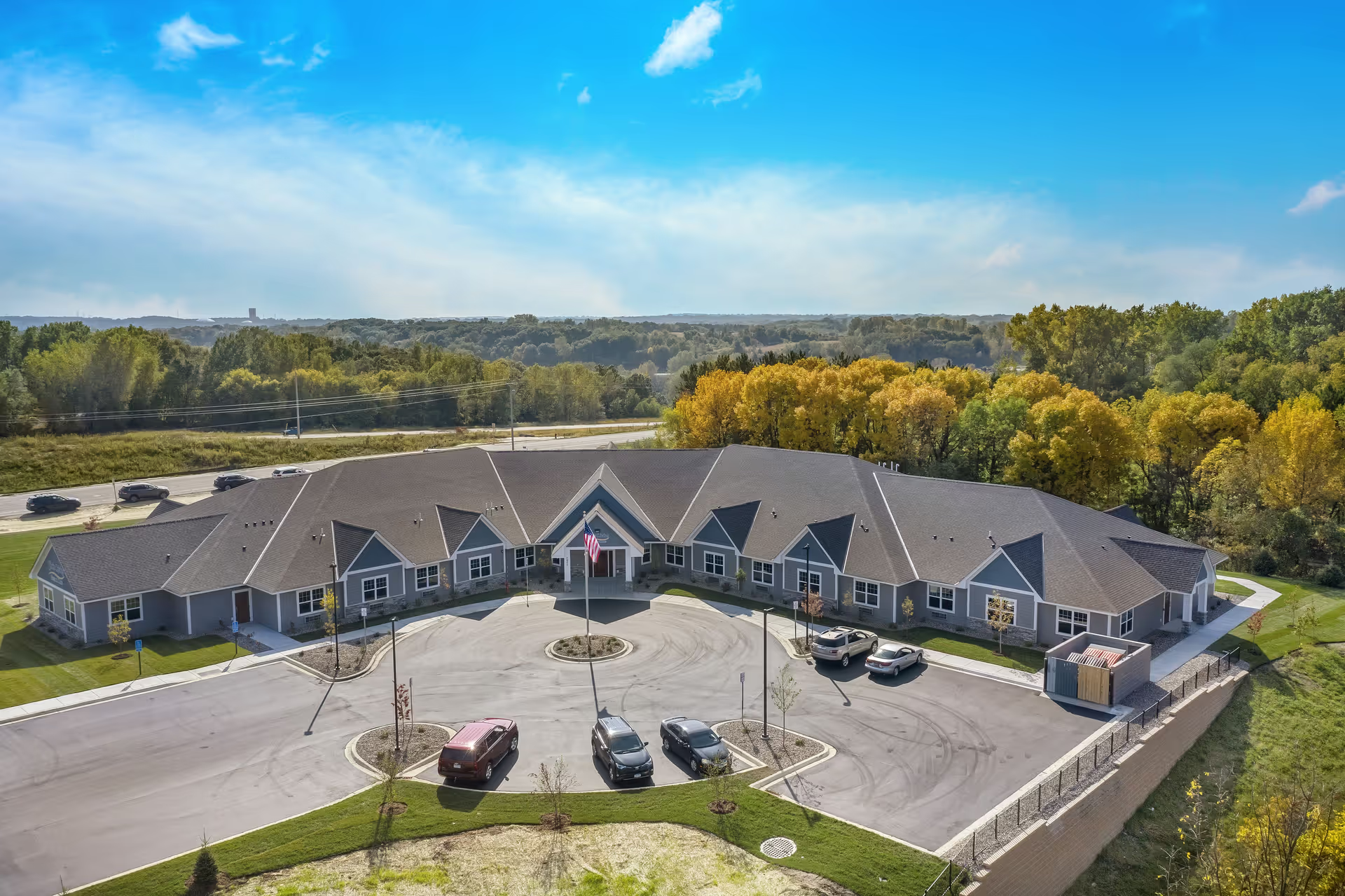
Facilities and environment: The campus has attractive outdoor landscaping, gardens, and walkways that reviewers appreciated. Internally, the facility shows signs of being older in places—many reviewers noted the need for refurbishment, updated equipment (including lifts), and improved wayfinding due to a confusing layout. Room size and configuration are a recurring concern: some units have small, institutional-style rooms, shared-room arrangements with curtains for separation, and limited private-bath availability. Sanitation and odor concerns were reported in some areas, indicating uneven housekeeping or maintenance standards across the campus.
Management, safety, and property concerns: Families described mixed experiences with management responsiveness: some found administrators helpful and proactive, while others reported inadequate complaint follow-up. Security and personal-property controls appear to be inconsistent; allegations of missing belongings and unsatisfactory responses from management were raised and had serious emotional impact for families. While assisted-living security measures were noted positively in some accounts, the overall pattern points to gaps in accountability and incident follow-up.
Notable patterns and guidance for prospective families: The overall pattern is one of polarization: strong rehabilitation and many compassionate staff coexist with operational weaknesses that affect medication management, staffing consistency, cleanliness in parts of the building, and property security. Assisted-living areas were generally described more favorably than some long-term care units. Prospective residents and families should tour multiple units (including long-term care and assisted-living wings), inspect representative resident rooms and bathrooms, ask about staffing ratios and night coverage, review medication-administration protocols and incident reporting processes, inquire about property-security measures, and evaluate lift/equipment availability. Asking for references from current families and observing mealtime and activity periods can also help assess fit and consistency of care.