The reviews present a mixed portrait of New Perspective Senior Living - Prior Lake, with strong praise for frontline staff and community life alongside recurring operational and management concerns. Many residents and families describe direct-care staff as compassionate, patient, and relationship-oriented; they highlight staff who learn resident preferences, welcome families, and create a family-like atmosphere. The community offers a wide range of social programming — music, bingo, crafts, outings, chapel, book club, holiday events, and a movie theater — and several reviewers note active resident engagement and an easy transition into community life for their family members.
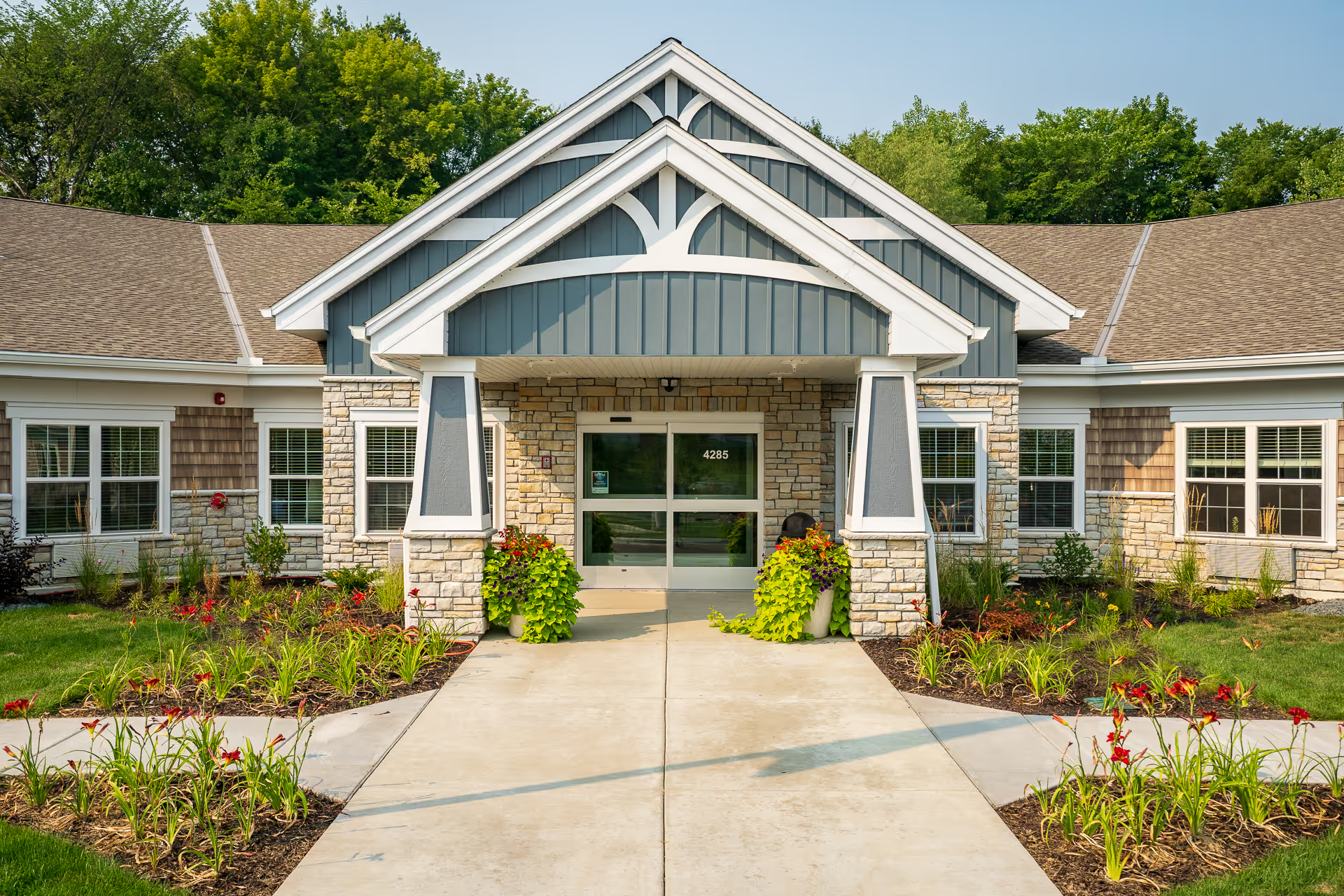
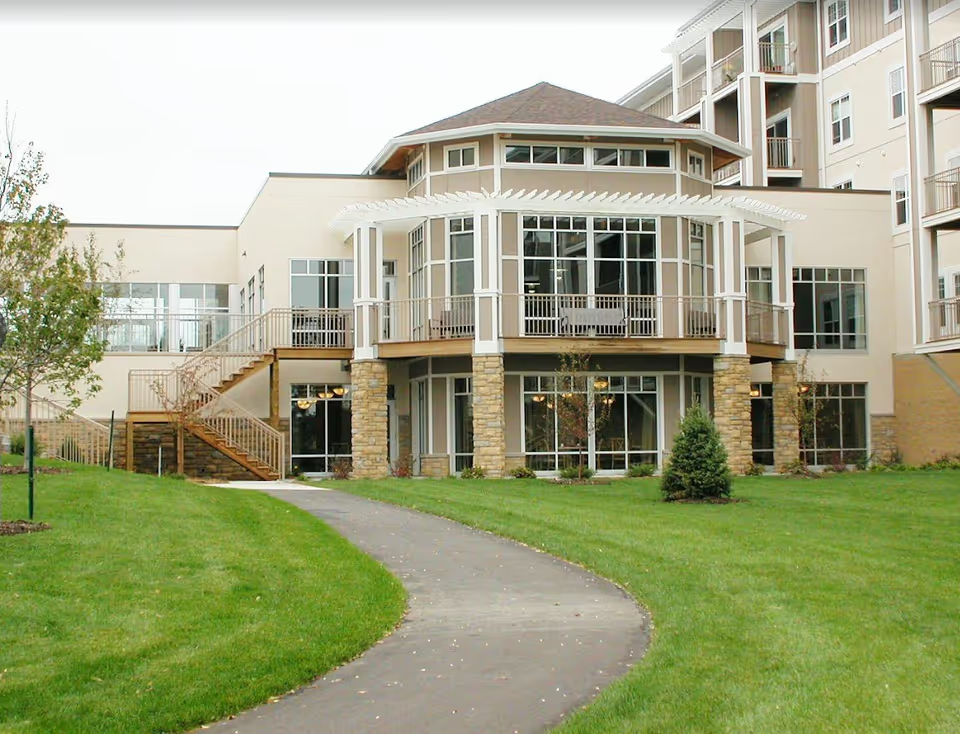
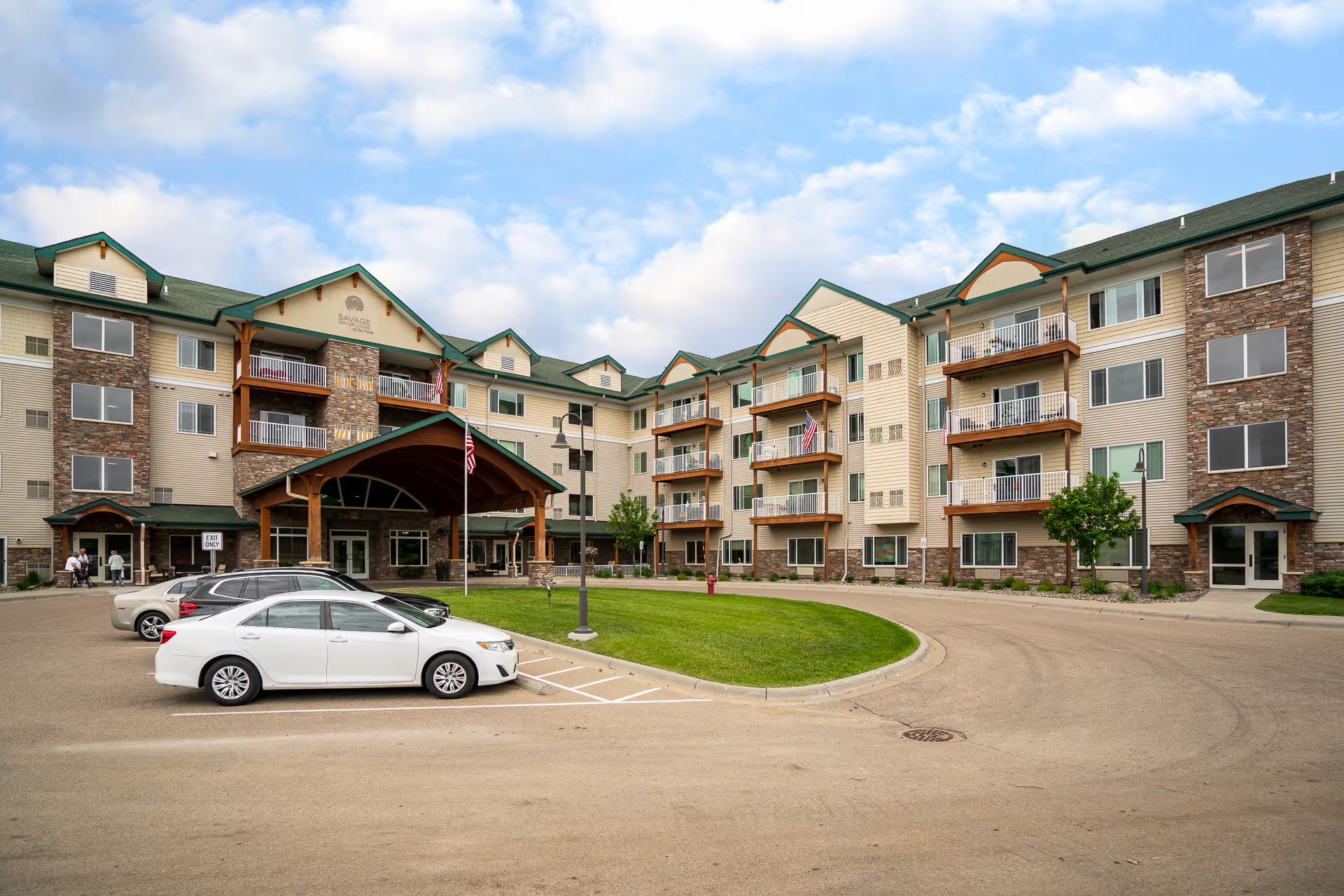
Physical accommodations and amenities receive positive comments. Apartments are frequently described as spacious, clean, and well laid out, with in-unit laundry, full kitchens, and walk-in showers in many units. On-site features such as a bistro, salon/barber, library, fitness room, and frequent transportation to shopping and appointments are appreciated. Maintenance responsiveness and periodic remodeling of common areas were called out positively by several families; however, other reviewers pointed to worn carpeting, incomplete renovation work, and uneven upkeep in some areas.
Dining experiences are among the most polarized topics. Some residents praise restaurant-style, cooked-to-order meals and generous portions; others describe meals as overly starch-focused, repetitive, and lacking balanced vegetables or therapeutic-diet options. Multiple comments indicate limited or inconsistent accommodations for diabetes/low-salt diets and additional charges for larger portions. Prospective residents should sample meals and ask specifically about dietary accommodations and menu flexibility.
Clinical care and safety show notable variability in the reviews. While many families report attentive nursing and successful efforts to avoid hospitalization, others describe delays responding to call pendants, missed or inconsistent documentation of incidents, and delayed family notifications following clinical events. Concerns include incontinence-care delays, falls or injuries not fully documented, and examples of staff not following established care plans. Several reviewers expressed unease about evening and overnight staffing levels and the training of staff in dementia care; memory-care experiences ranged from dignified and comforting to institutional and poorly acclimated.
Management, communication, and financial practices also recur as areas of concern. Positive interactions with sales or administrative staff are balanced by accounts of abrupt or unprofessional communication from leadership, difficulty contacting executive leadership, and opaque billing practices. Specific issues mentioned include unexpected charges, disputed repair fees, nonrefundable move-in fees, and rent increases; some families reported that charges were reversed after complaint, but that the resolution process was adversarial. Prospective residents should request clear, itemized fee schedules and written explanations of charge policies before signing.
Taken together, the pattern is one of strong interpersonal strengths at the staff-resident level and a range of operational inconsistencies at the institutional level. To evaluate fit, visitors should: tour during a meal service and sample the menu; ask about staffing ratios and average tenure for direct-care staff; review documentation and notification policies for incidents and clinical changes; confirm dementia-care training and memory-care practices; and obtain a detailed, written fee schedule including routine and incidental charges as well as recent rent-increase history. These steps will help families weigh the community’s evident strengths in social life and individualized care against the operational and management issues several reviewers noted.