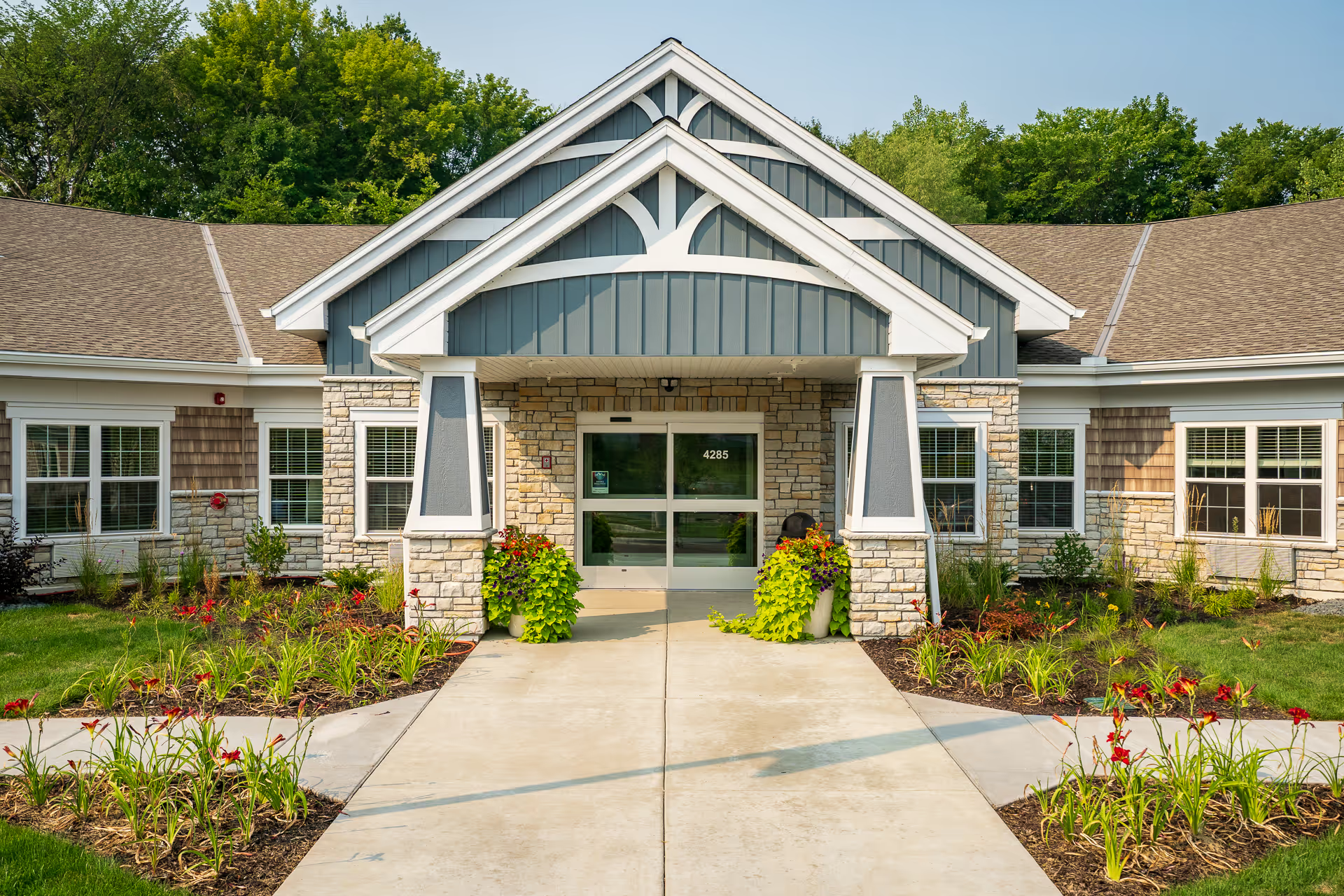
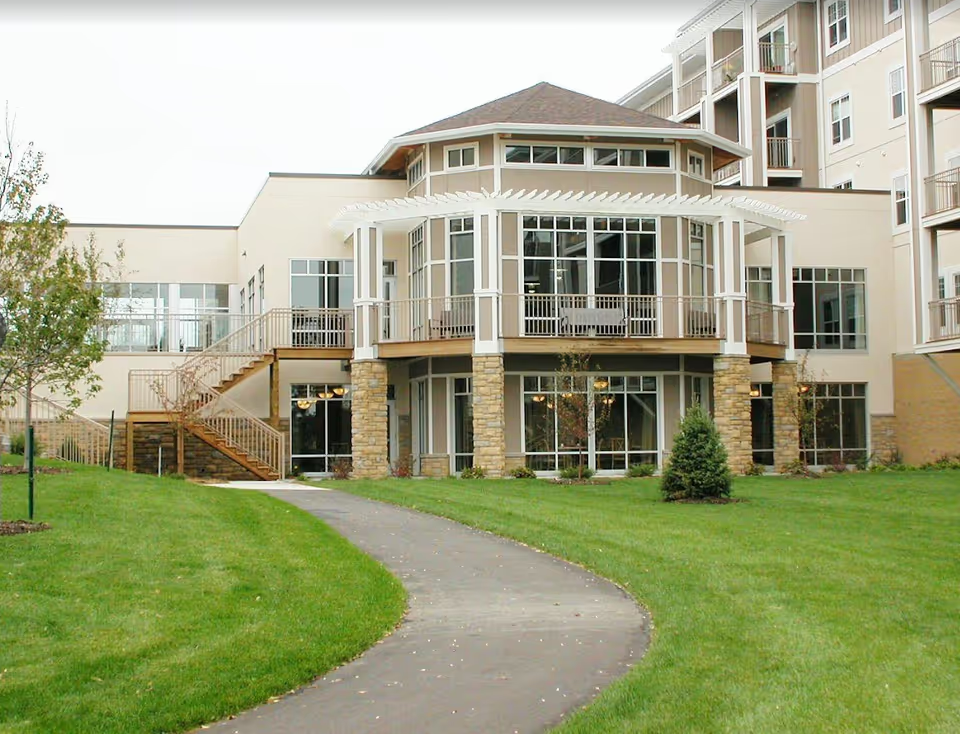
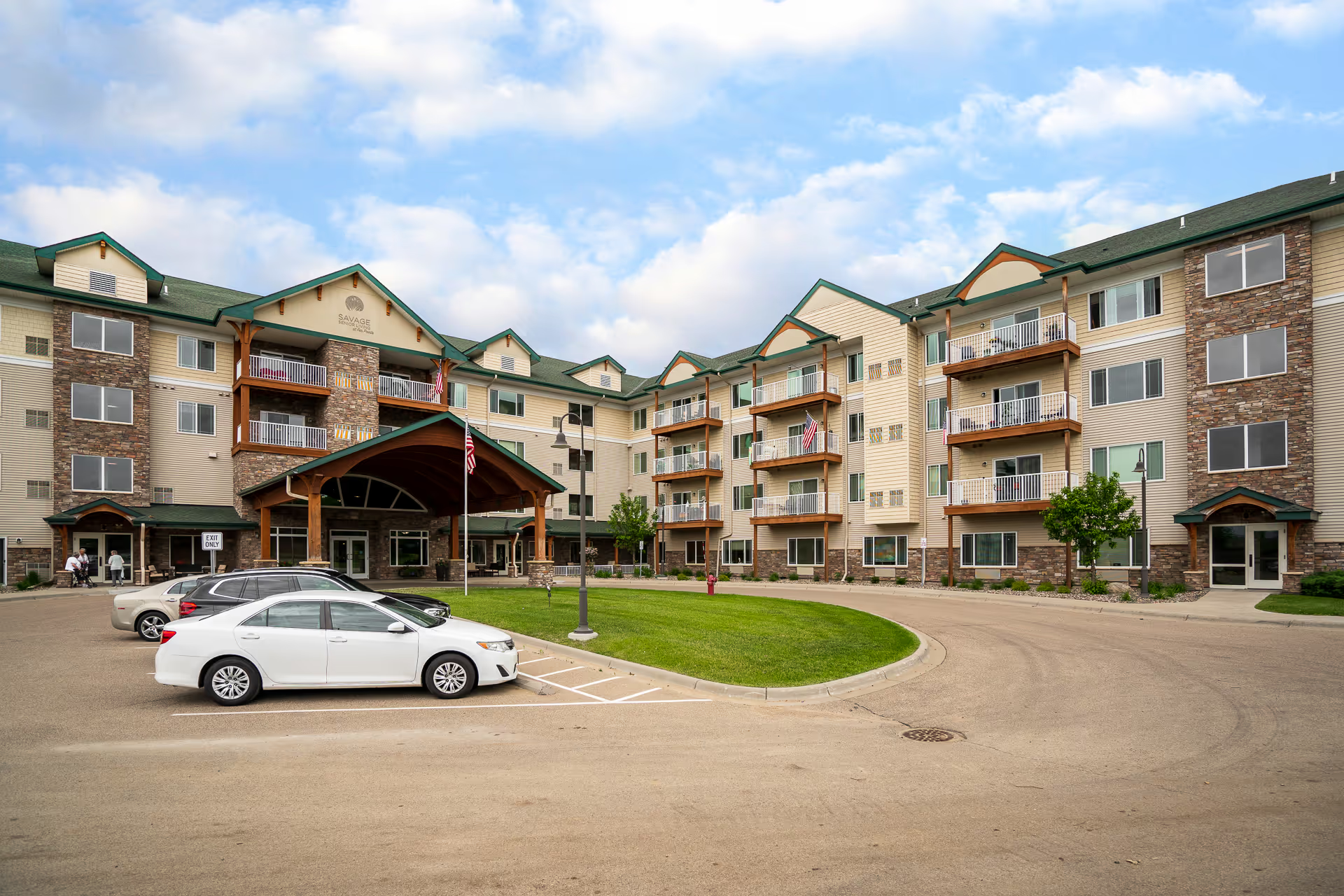
Suite Living Senior Care of Prior Lake presents as a newer, bright, and well-appointed small community with an explicit home-like scale (32 suites) and an on-site memory-care option. Many reviewers highlighted the facility’s clean, modern interior, attractive dining area, and meals prepared from scratch. The community’s efficient admission process, lack of upfront community assessment fees, and hospice-friendly coordination were also cited as practical advantages for families making transitions.
Care quality impressions are mixed. Numerous accounts praise compassionate, attentive caregivers and specific staff members who contributed to residents’ physical improvement and emotional comfort. Hospice services were described positively by families who used them. Conversely, there are recurrent operational concerns about inconsistent caregiver responsiveness — including delayed attendance to call lights and uneven staff attentiveness — and at least one safety-related incident that points to gaps in monitoring during personal-care tasks. These items suggest variability in day-to-day care reliability rather than uniformly poor clinical outcomes.
Staffing and leadership emerge as central themes. Several reviewers commented on staff burnout, long or understaffed shifts, and uneven workload allocation; these dynamics were said to limit breaks and sometimes affect bedside responsiveness. While some families described administration as accessible and helpful, others raised concerns about clinical leadership and management consistency, including allegations regarding end-of-life care that warrant direct follow-up. Together these observations indicate that leadership stability and staffing models are important areas for verification during a tour.
Dining and facilities are consistent strengths. The community’s fresh, scratch-style kitchen and bright dining room received frequent positive mention, and the overall facility condition was described as clean and welcoming. The small size supports a more intimate atmosphere that many families found reassuring. Activity programming elicited mixed feedback: some reviewers observed residents socializing and enjoying common spaces, while others found the schedule quiet or insufficiently engaging for certain individuals.
For prospective residents and families: conduct an in-person visit during multiple shifts to observe staff–resident interactions and mealtime service. Ask about current staffing ratios, average staff tenure, supervision structure for clinical care, incident-response protocols (including fall response and end-of-life policies), and the regular activity calendar. Confirm housekeeping and room-maintenance routines, and request references from families whose relatives are in similar levels of care. These targeted questions can help reconcile the facility’s clear physical and culinary strengths with the operational inconsistencies noted by some families.