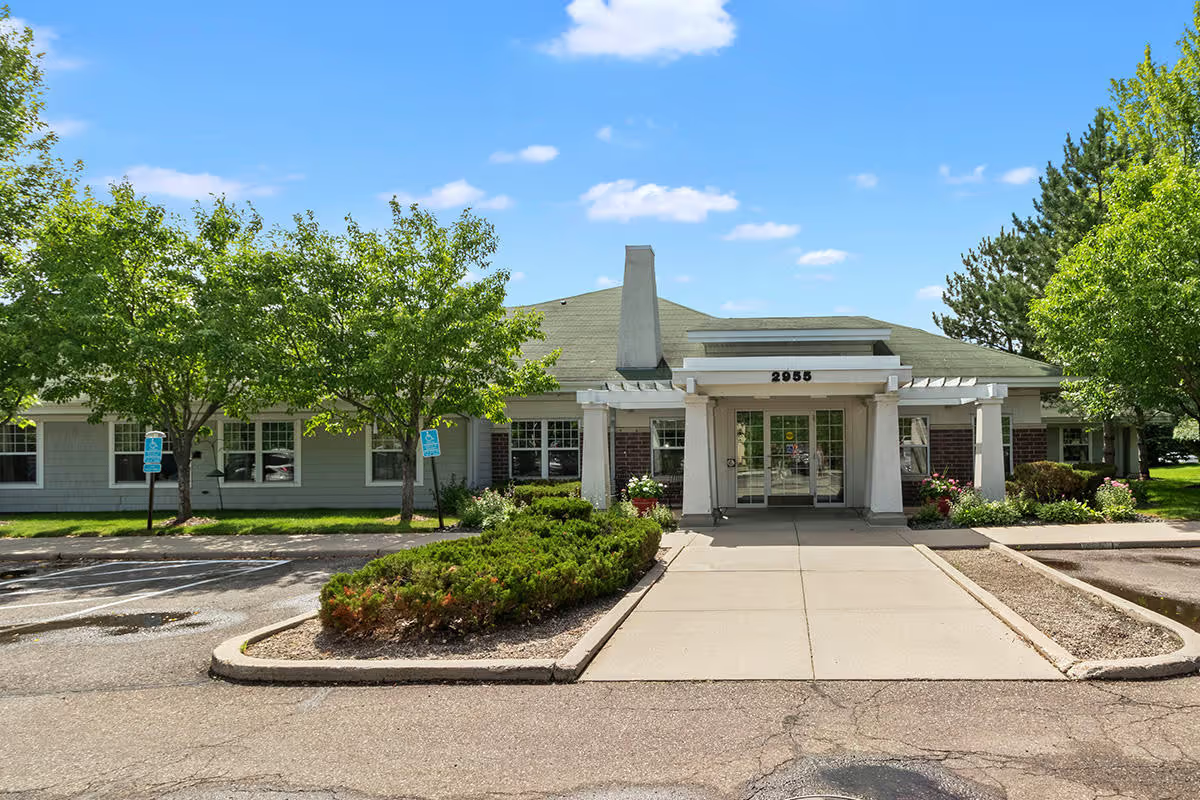
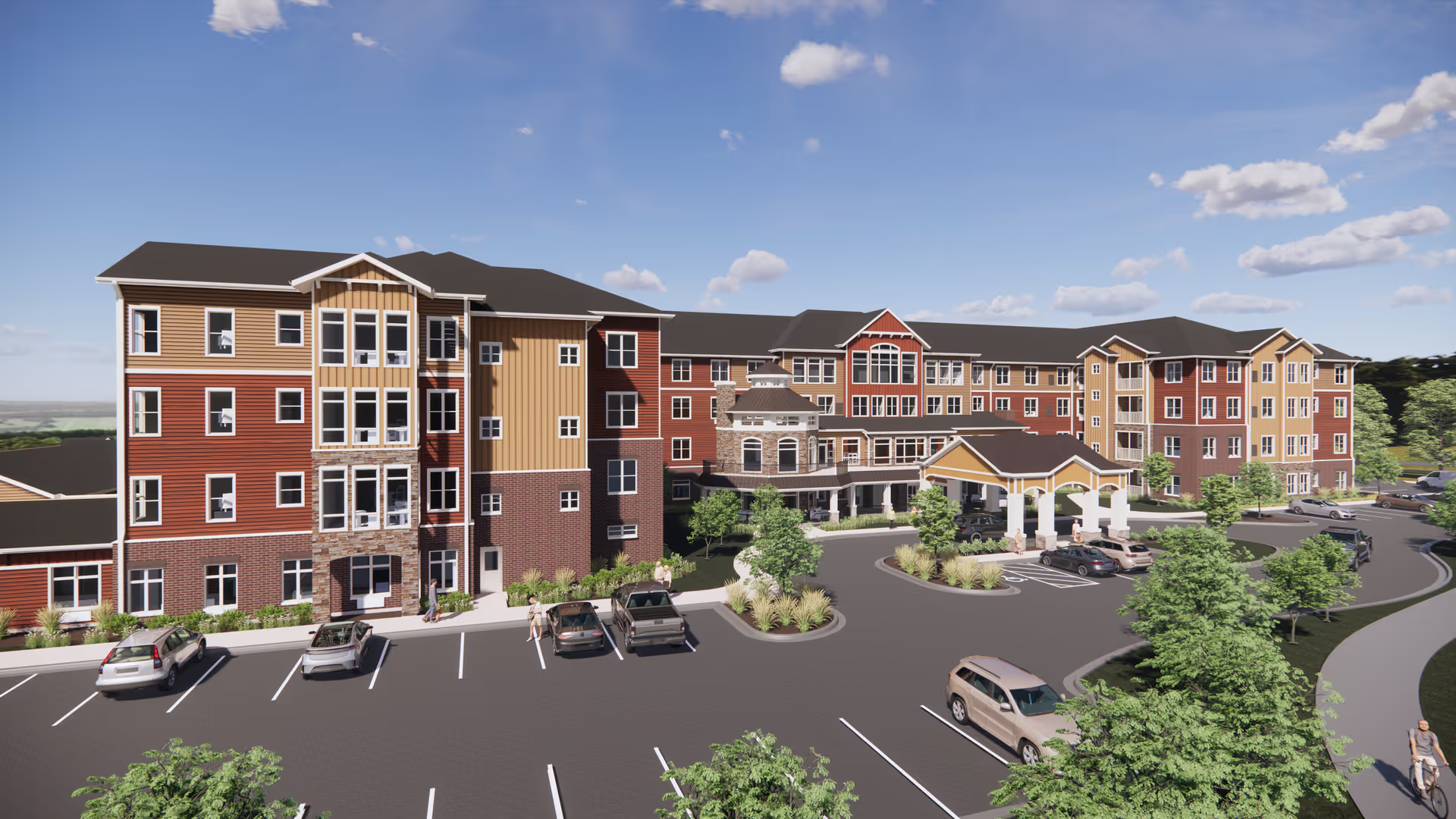
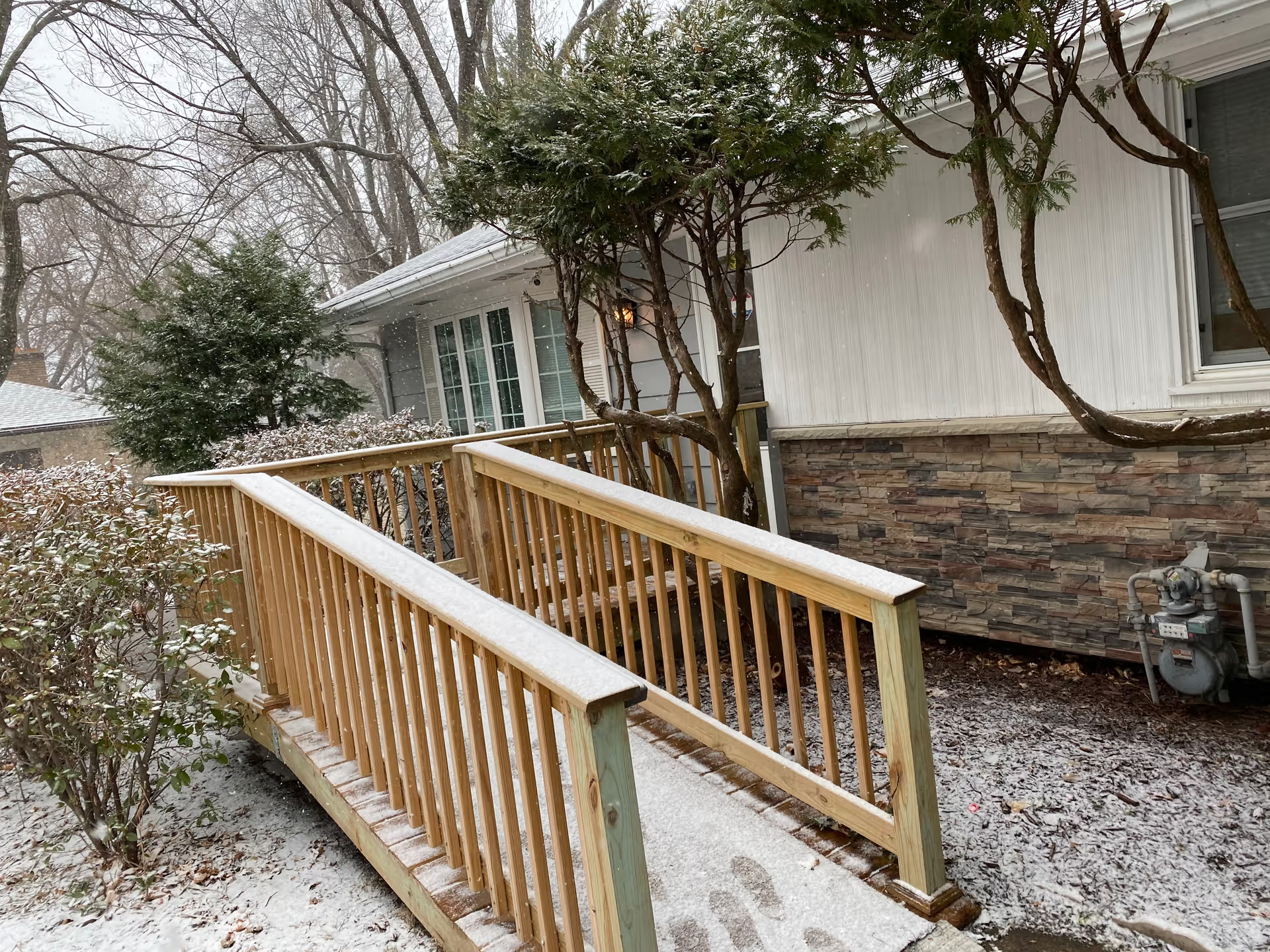
The reviews present a mixed picture. Strengths commonly highlighted include a clean, well-maintained campus, a convenient location, and a dining program that several families characterized as good quality and reasonably priced. Many comments praise staff as passionate, caring, and friendly, and overall facility upkeep is described positively. These operational strengths appear to contribute to a generally pleasant campus environment for routine daily life.
At the same time, there are recurring operational concerns that families should weigh carefully. Communication systems and contingency planning emerged as a clear area of weakness: removal or outage of landline service without an effective backup plan disrupted family contact, and there are reports of extra charges tied to restoring phone service. Relatedly, reviewers described inadequate ongoing family notification and inconsistent follow-up after incidents, suggesting weaknesses in internal communication protocols and vendor coordination.
Clinical oversight and safety also raise significant concerns in the reviews. Several accounts point to gaps in skilled-nursing monitoring and responsiveness, including advanced-stage pressure-injury management and concerns following a resident's death. Reviewers also raised safety-management issues such as unsafe staff driving behaviors and near-misses, indicating a need for clearer policies and enforcement around resident transport and staff conduct. There are additionally allegations regarding billing practices; these are serious and warrant direct inquiry and documentation when families evaluate the provider.
Workplace culture and management responsiveness were mentioned as contributing factors. Descriptions of a toxic campus atmosphere or low staff morale were linked by some families to perceived declines in care consistency. Reviewers also identified inconsistent incident-response processes and questions about regulatory follow-up, which together suggest gaps in quality assurance and administrative transparency.
For prospective residents and their families, the facility demonstrates clear strengths in cleanliness, staff warmth, and dining, but the operational weaknesses noted — especially around clinical oversight, communication systems, billing transparency, and safety management — are substantive. It is advisable to ask targeted questions about contingency communication plans, clinical monitoring protocols (including wound and pressure-injury prevention), staff hiring and training practices, vehicle and driving policies, billing procedures, and how the facility documents and follows up on critical incidents. These specific inquiries can help determine whether the facility's strengths align with a prospective resident's needs and safety expectations.