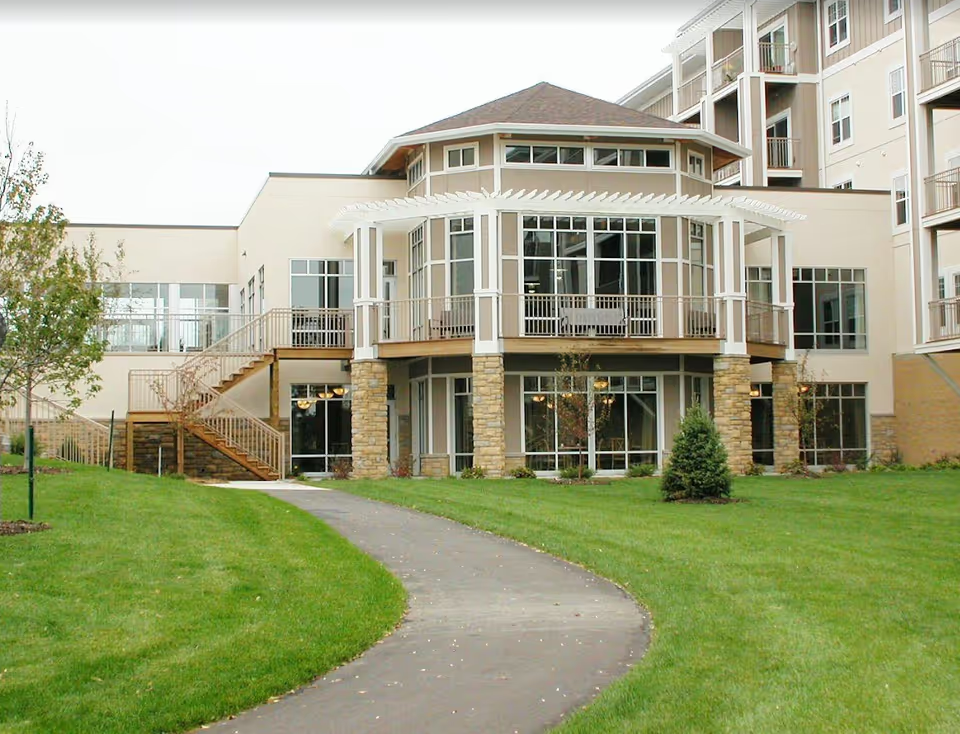
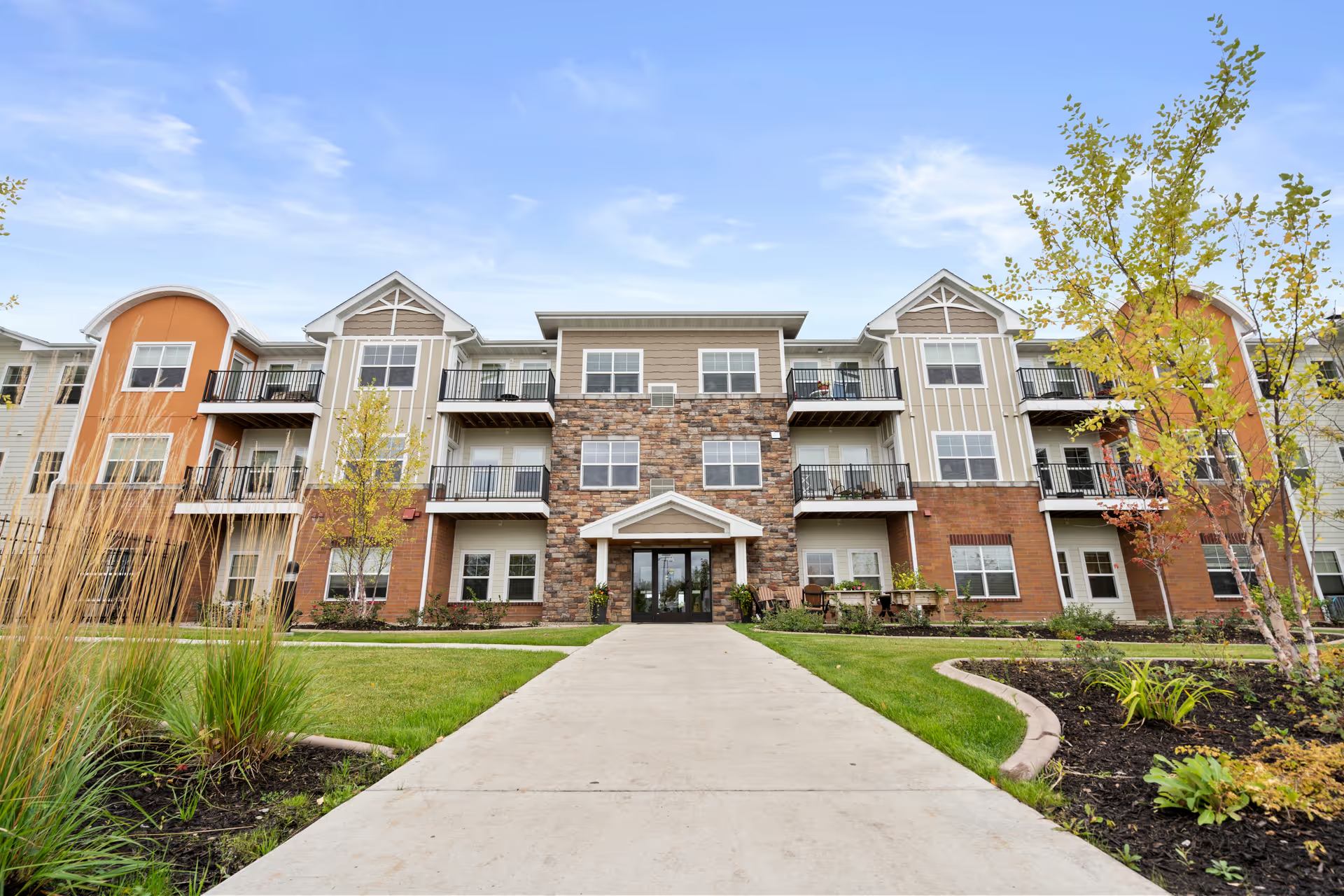
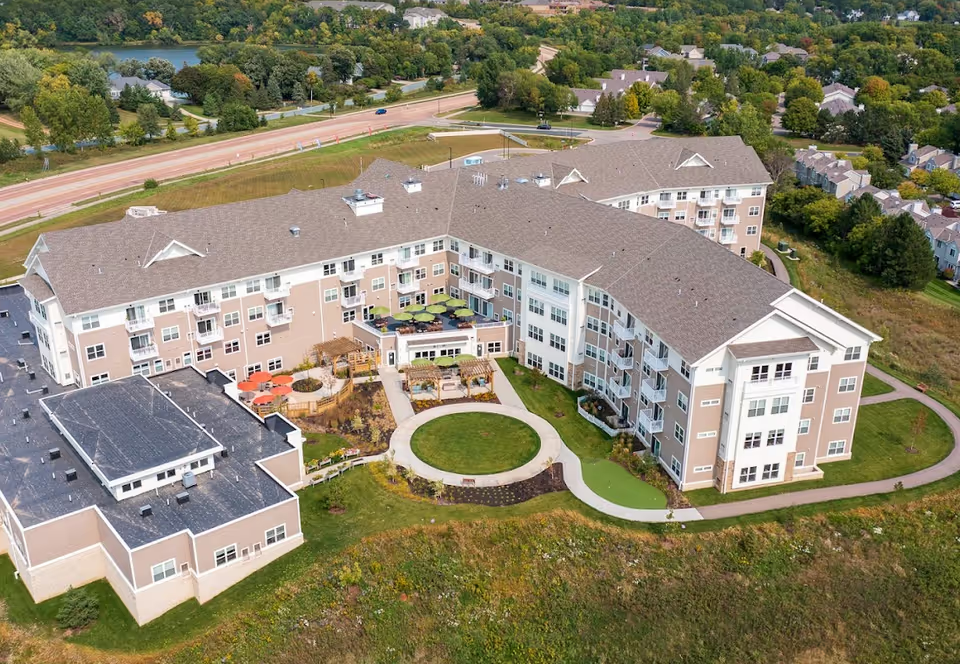
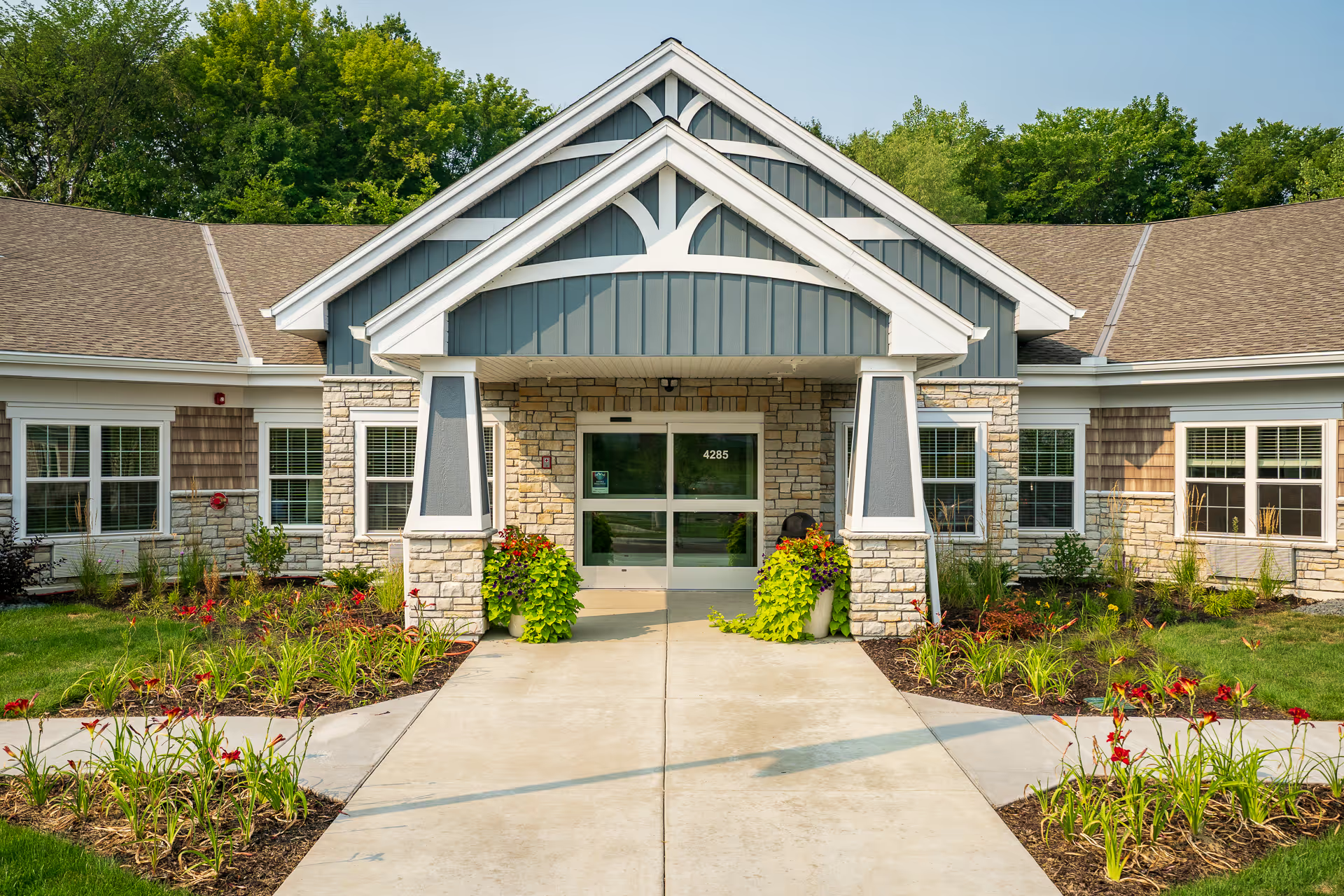
Benedictine Living Community — Shakopee Windermere Way is consistently described as an attractive, modern campus with well‑appointed common areas and numerous resident amenities. Reviewers frequently note bright, comfortable apartments (including corner units with balconies), a prominent chapel with both Catholic and non‑denominational services, a large theater, outdoor patio and gardens, and a variety of indoor spaces such as a library, puzzle room, bar area and fitness resources. The facility’s dining is a major strength for many families: chef‑prepared meals, an on‑site bistro/restaurant and an enthusiastic culinary team receive repeated praise.
Activity offerings are another clear positive. Residents and families describe a robust calendar — regular cards, bingo, movie nights, musical events, exercise classes, outings and religious programming — that supports social engagement and an active lifestyle. Rehabilitation and wellness services, including physical therapy and formal fitness classes, are available and noted as valuable supports for independence.
Care quality and staffing show a mixed pattern. Several accounts describe attentive, caring staff and effective coordination between housing and nursing leadership, with individualized attention to resident needs. Conversely, there is a recurrent theme of inconsistent staffing levels and gaps during meal service and clinical shifts. These operational shortfalls are linked to delays in service, concerns about clinical competency in some situations, and uneven oversight in higher‑acuity areas such as memory care. A number of families also described problems with assessment and escalation of care needs over time, characterizing aging‑in‑place transitions as inconsistent.
Management and communications emerged as an area of polarized feedback. Positive comments cite friendly intake interactions and proactive follow‑up by certain directors; however, many others raise concerns about unclear enrollment information, misinformation at signup, and poor follow‑through on issues. Reviewers identify weaknesses in training, recordkeeping and managerial accountability that can amplify the impact of staffing shortfalls. Some families explicitly questioned value for money when promised services were not consistently delivered.
In summary, Windermere Way presents as a high‑quality physical environment with strong dining and activity programming and an engaged resident community. Prospective residents and families should weigh those strengths against recurring operational concerns: variable staffing, uneven clinical oversight for higher‑acuity needs, and inconsistent communication and administrative follow‑through. Visiting during meal times, meeting nursing/housing leadership, and clarifying contract and care‑escalation policies in writing are recommended steps for families evaluating fit and readiness for aging‑in‑place there.