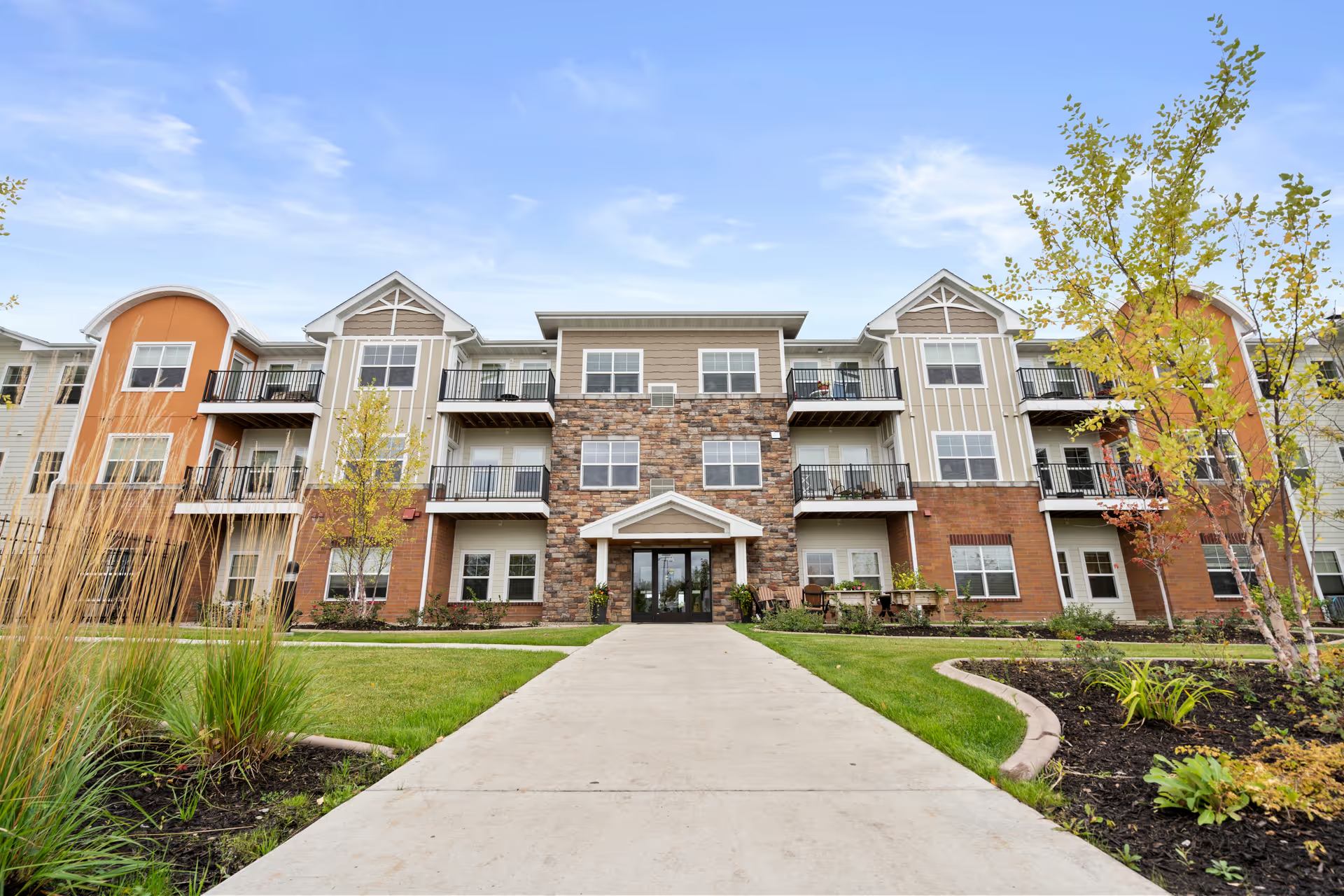
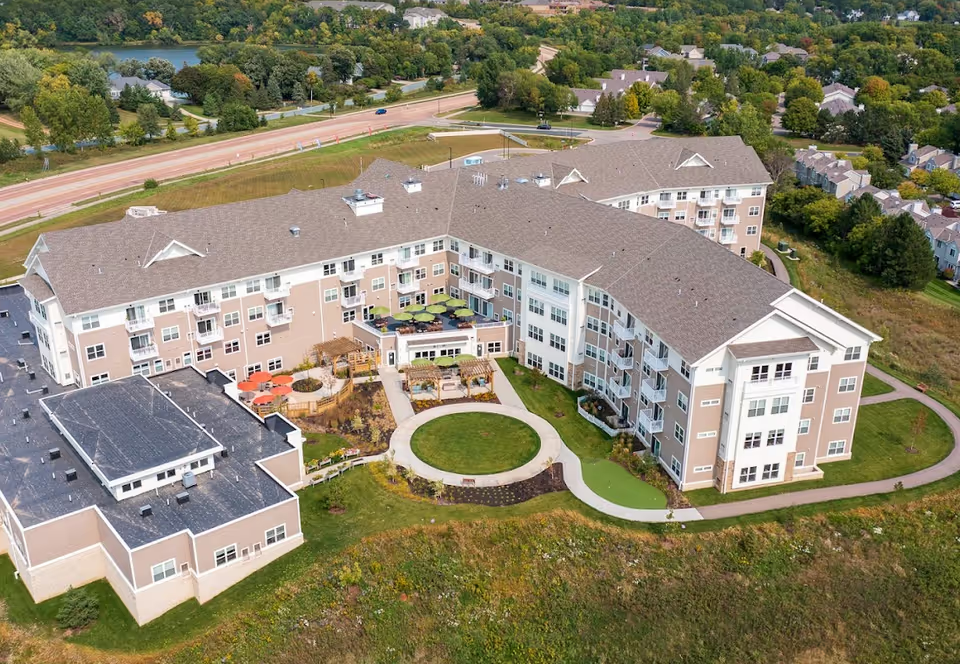
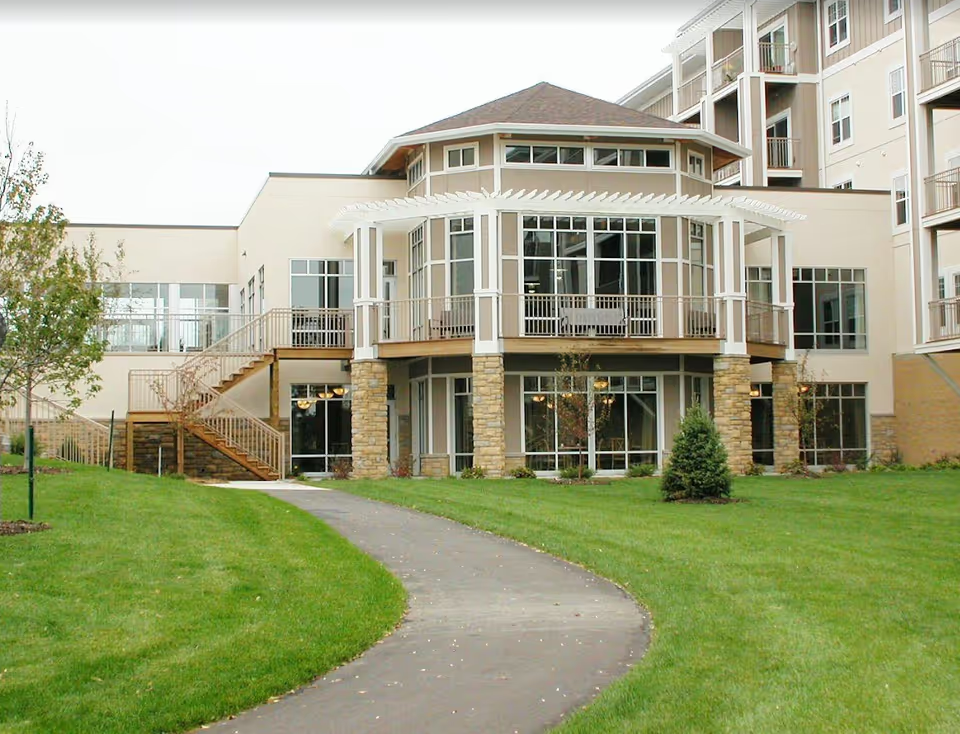
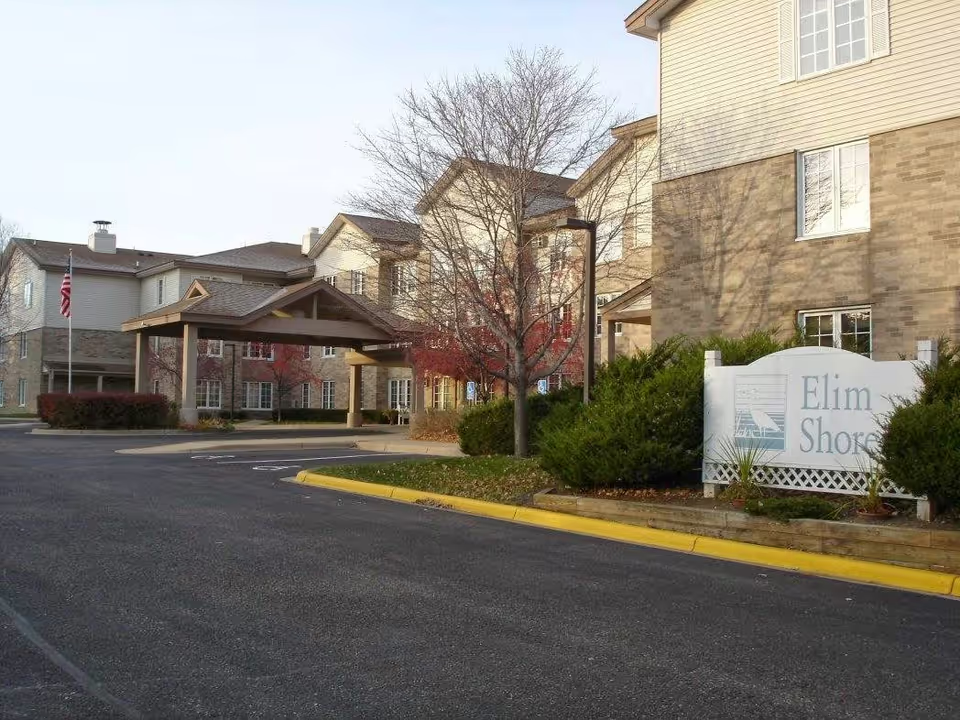
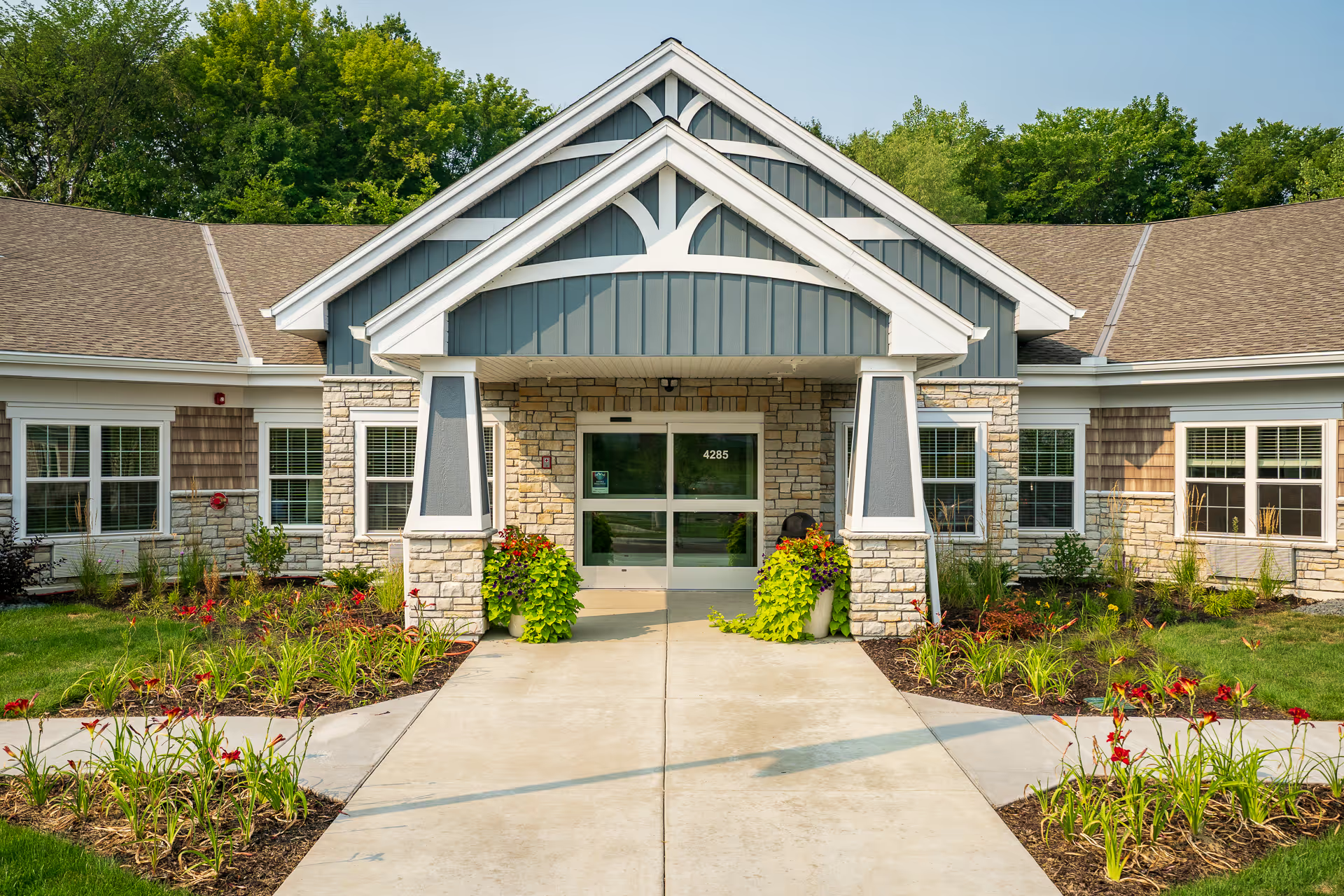
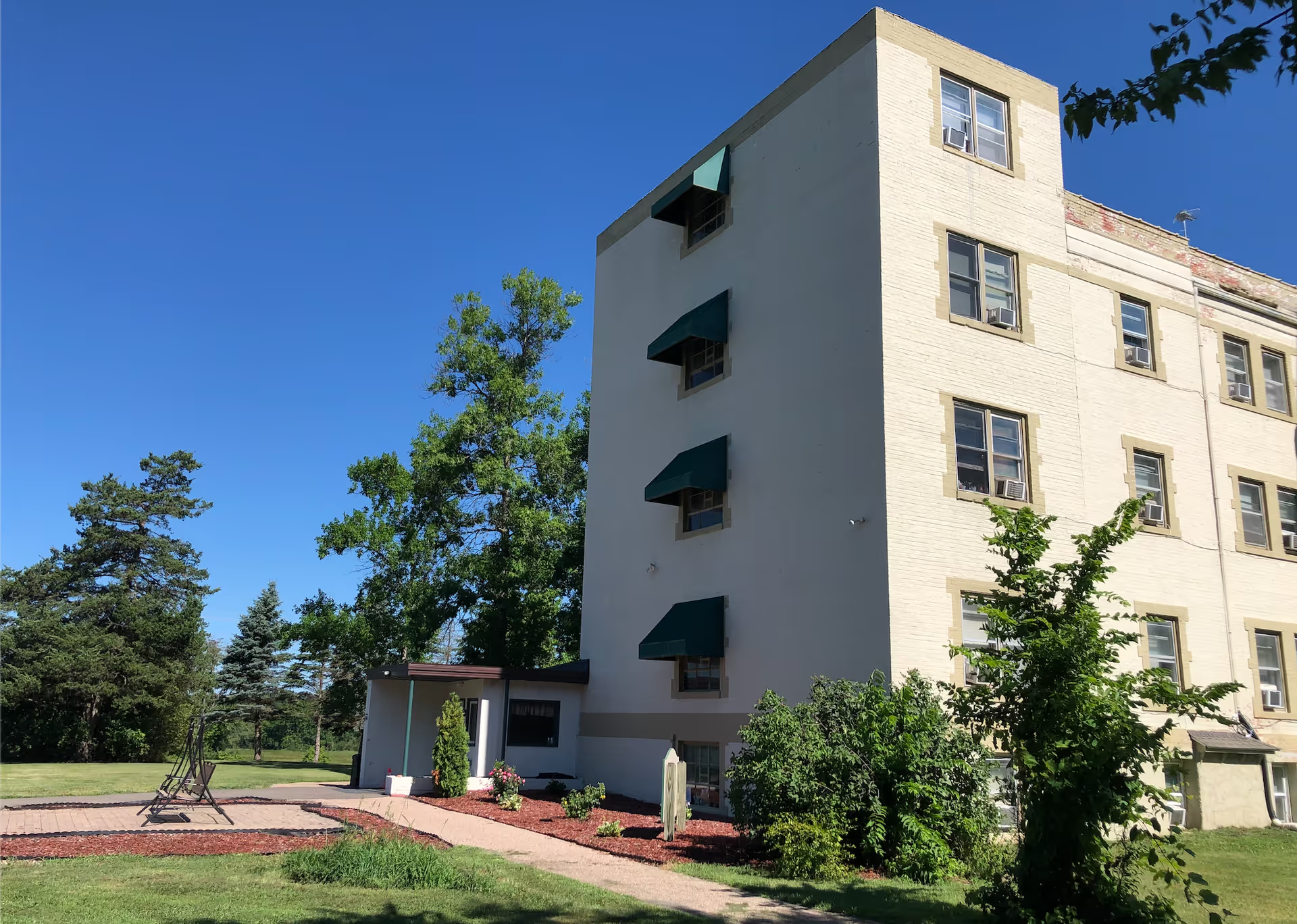
Emerald Crest Memory Care Shakopee presents as a small memory-care campus with several operational strengths alongside notable variability in some clinical and administrative areas. Many accounts emphasize a staff culture that focuses on resident dignity and affectionate, person-centered interactions. The clinical team receives positive mentions for knowledge and compassion, and the facility is described as homey and welcoming by long-term families. The physical environment is generally well-liked: units are well-lit with large windows, some rooms open onto a courtyard, and there are common spaces such as a library and a dining area with small-table seating that families find adequate.
Activity programming is a clear strength. Review narratives highlight an engaged activities director, frequent live music and music-therapy sessions, and regular weekly church/pastoral visits that contribute to spiritual and social engagement. These offerings appear to be embedded in the facility's routine and are cited as meaningful contributors to resident well-being.
At the same time, reviewers describe variability in operational consistency. Several accounts raise concerns about clinical consistency around pain management and safe feeding practices; while the hospice team is praised in some cases, other families experienced shortcomings in end-of-life coordination and symptom control. Staff conduct and responsiveness are described as generally kind and communicative by many families, but intermittent reports of frustration or poor tone indicate variability in day-to-day interactions and responsiveness to family requests.
Dining and housekeeping are mixed themes. The dining room layout and seating are generally acceptable, but food quality is described as inconsistent. Housekeeping and room-cleaning issues were mentioned in a few cases; some were resolved after follow-up, suggesting variable reliability of maintenance and cleaning processes. Facility layout receives positive notes, but bathroom sizes and general accessibility are a concrete operational limitation: several families noted bathrooms that are too small to comfortably accommodate walkers or larger mobility devices.
Administrative areas also show divergence. Some families appreciated an accommodating tour and admissions experience, but others cited inadequate administrative follow-through (for example, lack of callbacks) and concerns about billing, including sizable increases and unclear communication about charges. These management- and finance-related issues appear to be a recurring source of dissatisfaction for a subset of families and should be evaluated closely by prospective residents.
Overall, Emerald Crest offers many attributes that families value in memory-care — compassionate staff, active programming, spiritual support, and a pleasant physical environment — but also shows patterns of inconsistent clinical execution and administrative reliability in specific areas. Prospective families should consider a focused tour that includes observation of mealtime routines and activities, direct questions about pain-management and feeding protocols, clarification of hospice coordination procedures, review of bathroom accessibility for mobility aids, and detailed discussion of billing practices and family communication policies to assess fit and mitigate variability.