The reviews present a polarized picture of this Universal Health Services LLC group home. One perspective emphasizes strong personal connections and clear benefits for a resident, while the opposing perspective characterizes the program as poorly managed and not a good value. Together these comments suggest the facility can deliver excellent individual-level support under some circumstances but may also demonstrate inconsistent operational performance.
Care quality: Positive feedback highlights meaningful improvements in an individual resident’s daily life and wellbeing, indicating that staff can provide attentive, beneficial care. However, broader concerns about unprofessionalism and a poorly run operation imply variability in care consistency. Prospective families should verify staffing patterns, supervision structures, and care-plan follow-through to understand how reliably good outcomes are achieved.
Staff: Several comments praise the owners and direct-care employees for being compassionate and treating residents like family, which suggests strong interpersonal skills and a high level of personal investment among some staff members. Contrasting remarks about unprofessional behavior indicate possible unevenness in training, expectations, or staff oversight. Ask about staff hiring, orientation, continuing education, and turnover to assess whether the positive elements are stable.
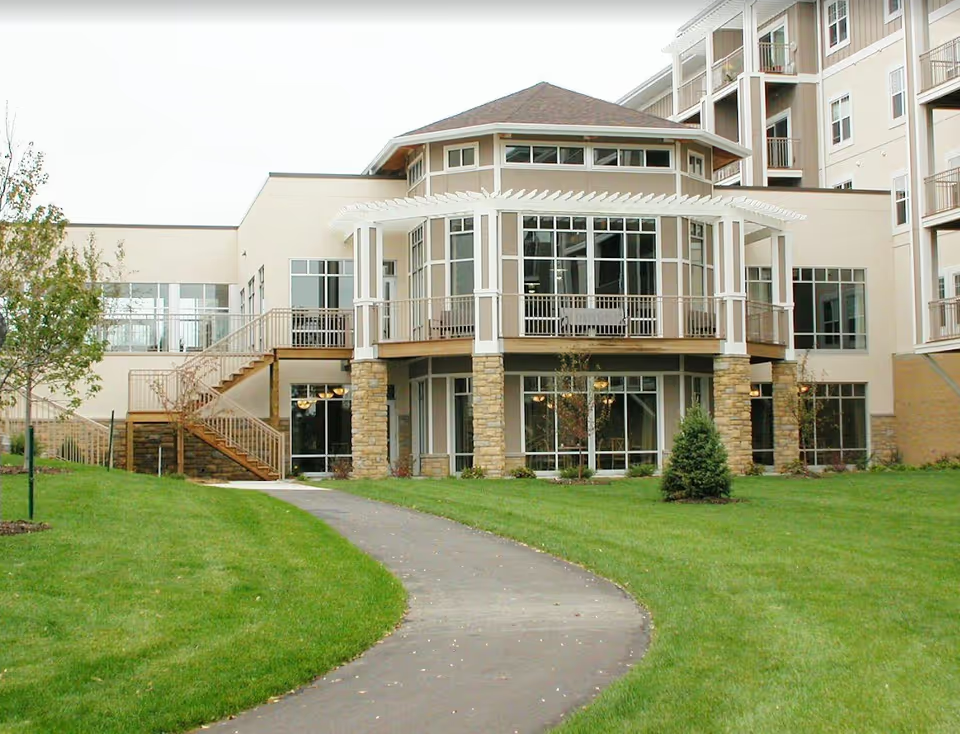
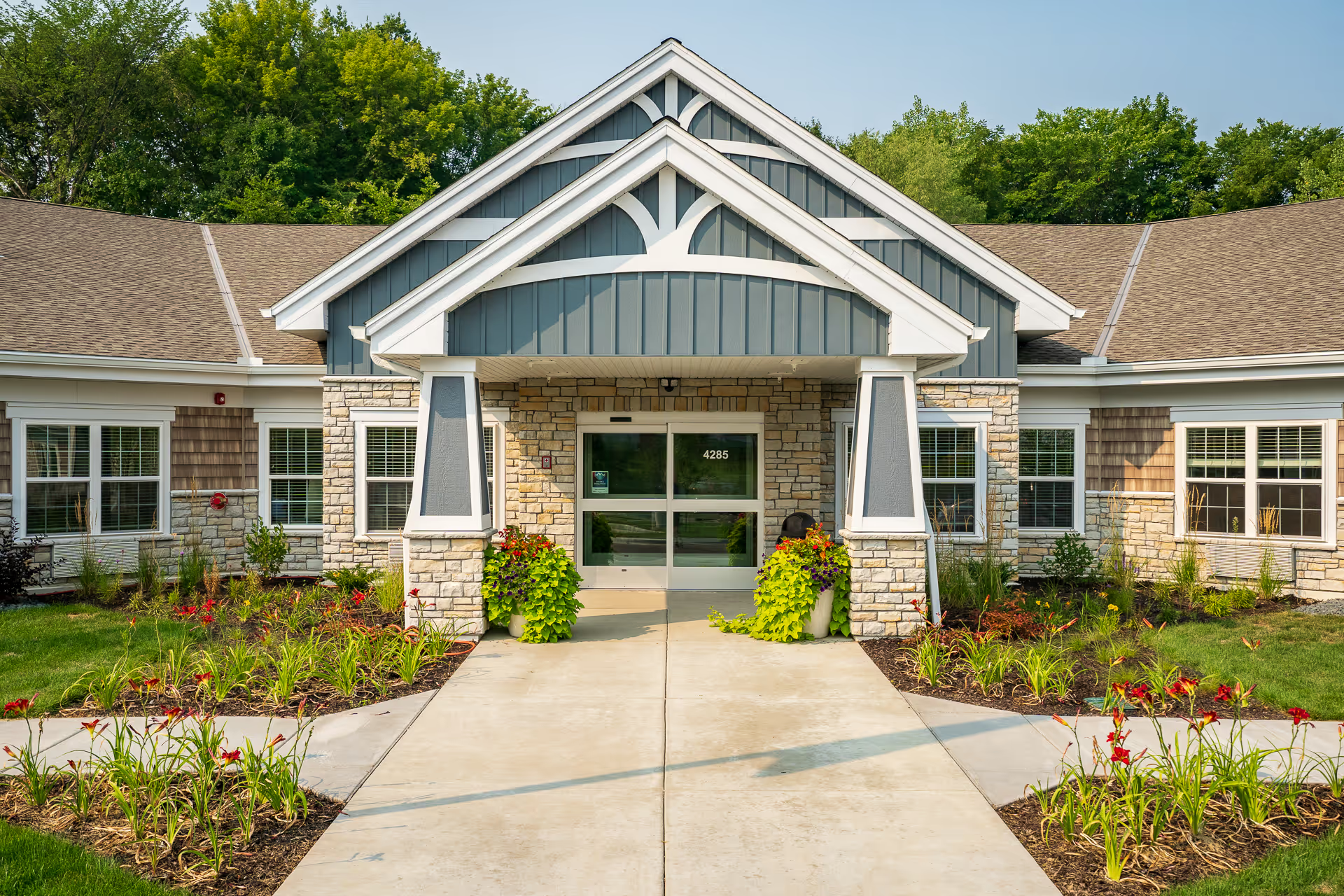
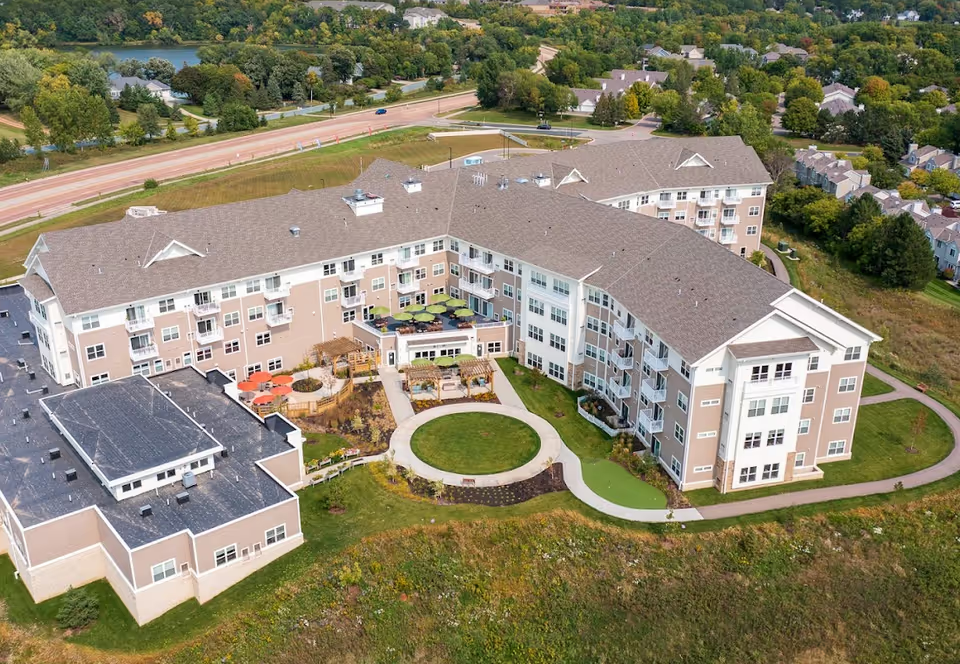
Dining, activities, and facilities: The available summaries do not provide specific details about meals, activity programming, or physical plant condition. Positive staff engagement often correlates with more individualized activities and attention, but operational weaknesses could affect consistency in meal service, scheduled programming, and facility maintenance. Visitors should request sample activity calendars, menus, and recent maintenance or inspection records.
Management and value: Ownership received direct praise in at least one review, yet another review called the home "poorly run" and "not recommended," and described the service as poor value. This combination points to potential gaps in administrative oversight, quality-control processes, or cost-to-service alignment. Families should ask for a clear breakdown of fees, service inclusions, and escalation paths for concerns to evaluate whether the program represents good value for their needs.
Notable patterns and recommendations: The principal pattern is variability — strong, relationship-driven care in some instances alongside operational and professionalism concerns in others. That variability is the central risk factor highlighted by these summaries. Prospective residents and families are advised to conduct on-site visits, speak directly with current families, review staffing schedules, and request documentation of policies (including supervision, incident handling, and staff training) before deciding. Direct observation and specific questions about consistency will be key to determining whether the strengths noted will be the dominant experience.