Care quality: Reviews indicate a mixed care profile. For residents with primarily independent assisted‑living needs, the facility’s physical environment and basic supports appear adequate. However, there are consistent concerns about the facility’s ability to meet higher-acuity and memory-care needs: staffing levels, dementia‑specific programming, and response practices are cited as areas of weakness. Several comments imply delays in attending to clinical needs and gaps in monitoring after falls, which suggests shortcomings in systems for timely clinical response.
Staff: Staff interactions are described positively in some accounts — reviewers note courteous and personable caregivers. At the same time, recurring themes include understaffing and high staff turnover. Those operational issues are reported to affect continuity of care and coordination, making it difficult to establish stable caregiver–resident relationships, particularly for residents who need consistent, skilled assistance.
Dining and daily routines: The available summaries do not provide detailed information about meal quality or dining service continuity. One reviewer implied limited daily programming beyond minimal snack-time offerings, which may affect residents’ daily structure and social mealtime engagement. Prospective families should request current meal schedules and sample menus when evaluating the community.
Activities and enrichment: Activity programming is a frequently cited concern. Reviews describe minimal formal activities beyond brief snack-time gatherings and indicate the facility relies on volunteers or families to coordinate enrichment. This suggests limited dedicated activity-staff resources and a sparse schedule of social, cognitive, and recreational offerings — an important factor for residents seeking engagement or cognitive stimulation.
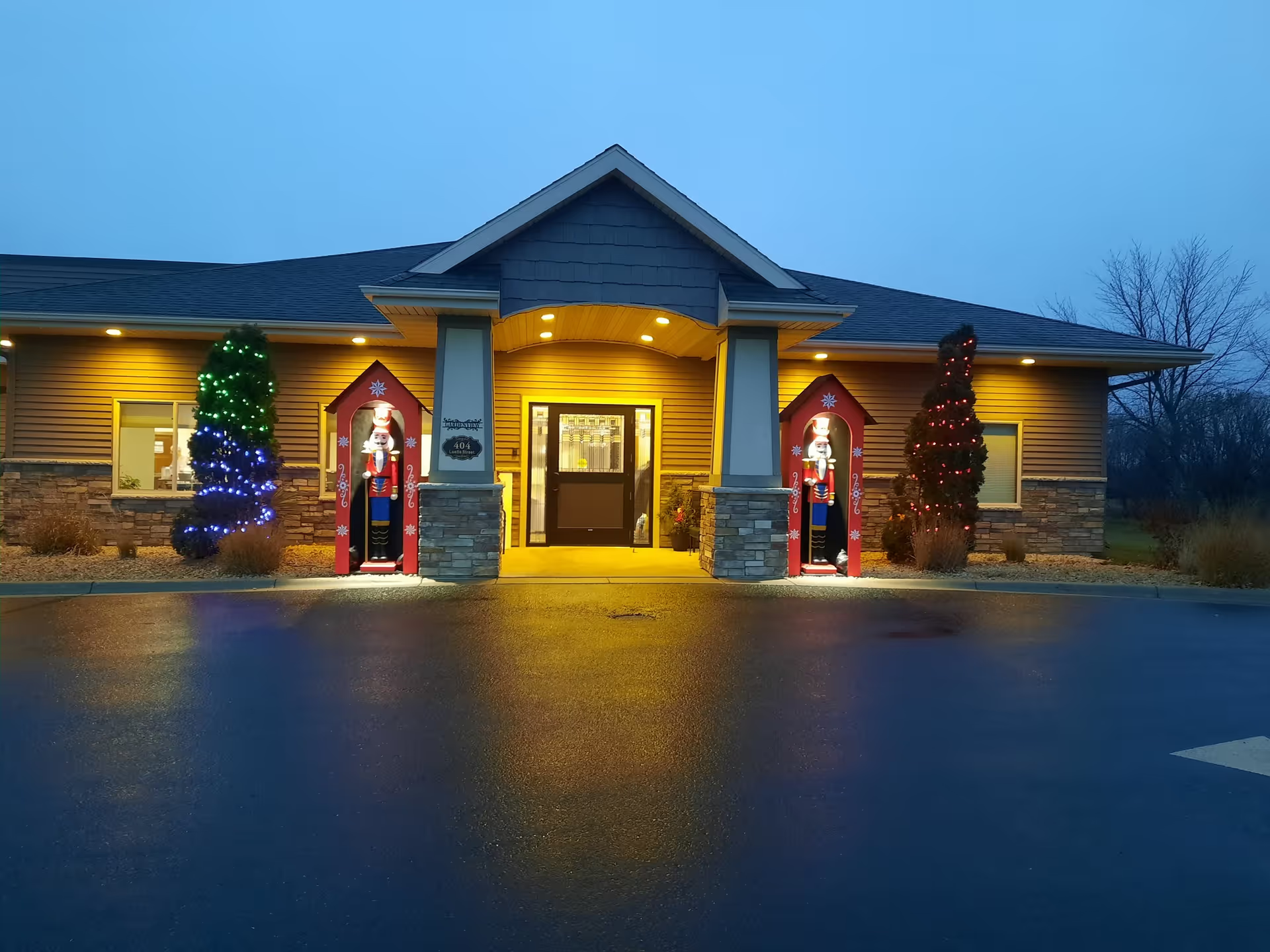
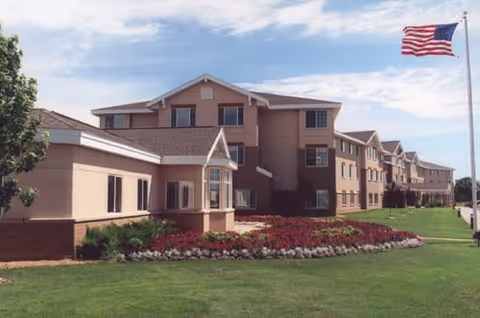
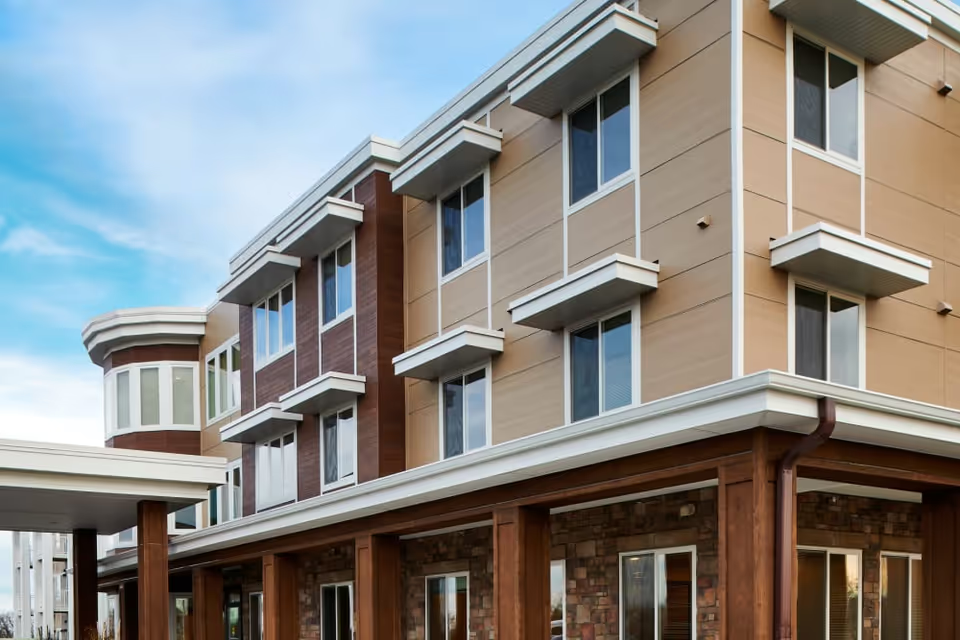
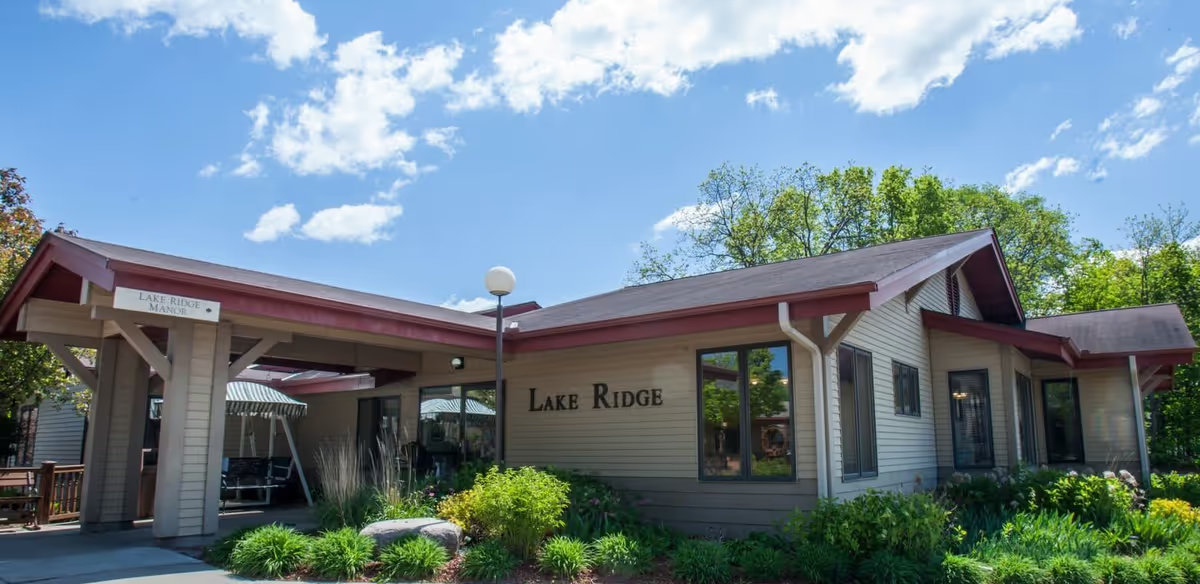
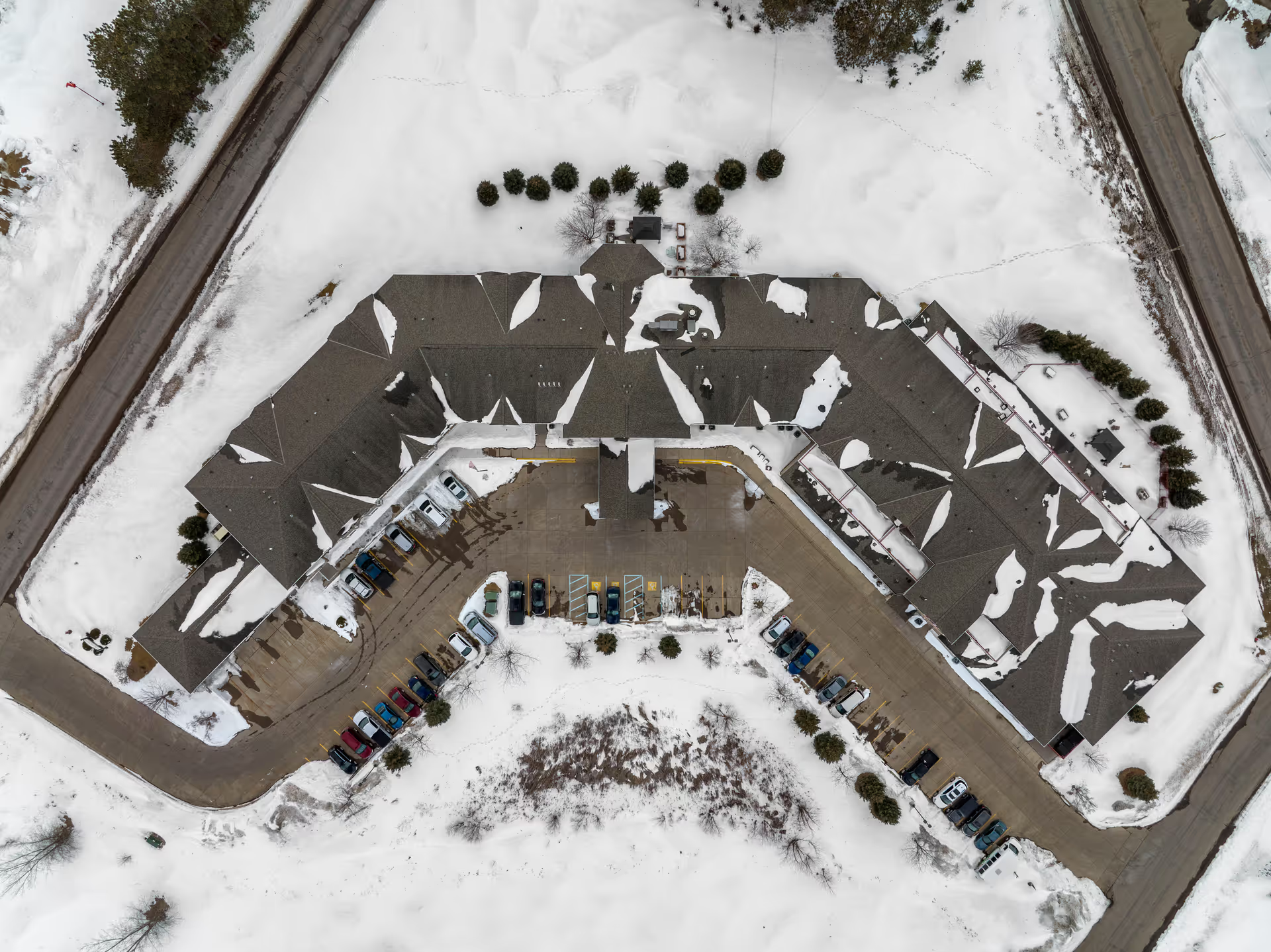
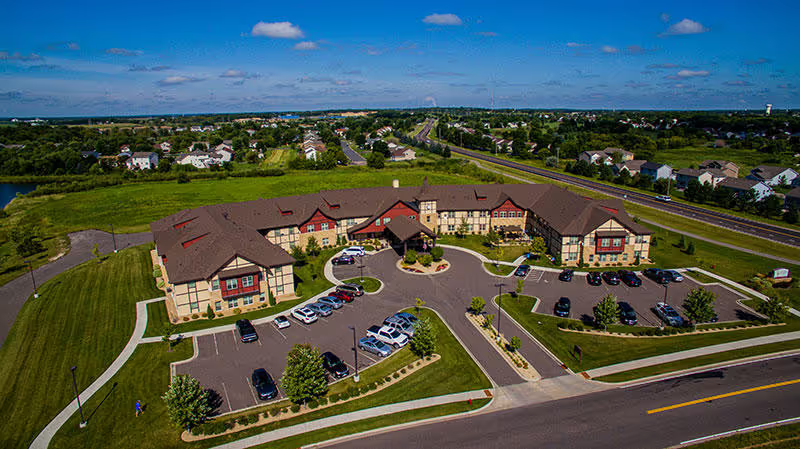
Facilities and housekeeping: Physical suites are described positively for independent residents, with attractive accommodations. Conversely, there are concerns about inconsistent housekeeping and sanitation practices in resident rooms and some common areas. Prospective visitors should inspect units and ask about housekeeping frequency and standards.
Management and operations: Multiple comments point to management and oversight deficiencies that appear to influence staffing stability, activity programming, housekeeping, and clinical responsiveness. These operational gaps are presented as systemic rather than isolated, affecting families’ perceptions of the facility’s reliability. One summary was unrelated to senior-care operations (a delivery/tipping issue) and does not bear on facility attributes.
Notable patterns and recommendations: Overall, the pattern suggests the community may be a reasonable fit for more independent assisted‑living residents who value attractive private suites and amiable staff, but it may be less well suited for individuals requiring higher-acuity care or structured dementia services. Key items for prospective residents and families to verify in person include current staffing ratios (day and night), dementia-care training and programming, activity schedules and staffing, housekeeping policies, and protocols for incident response and family communication. Asking for recent staffing turnover data and examples of how the facility handles falls or other urgent needs will help clarify operational reliability.