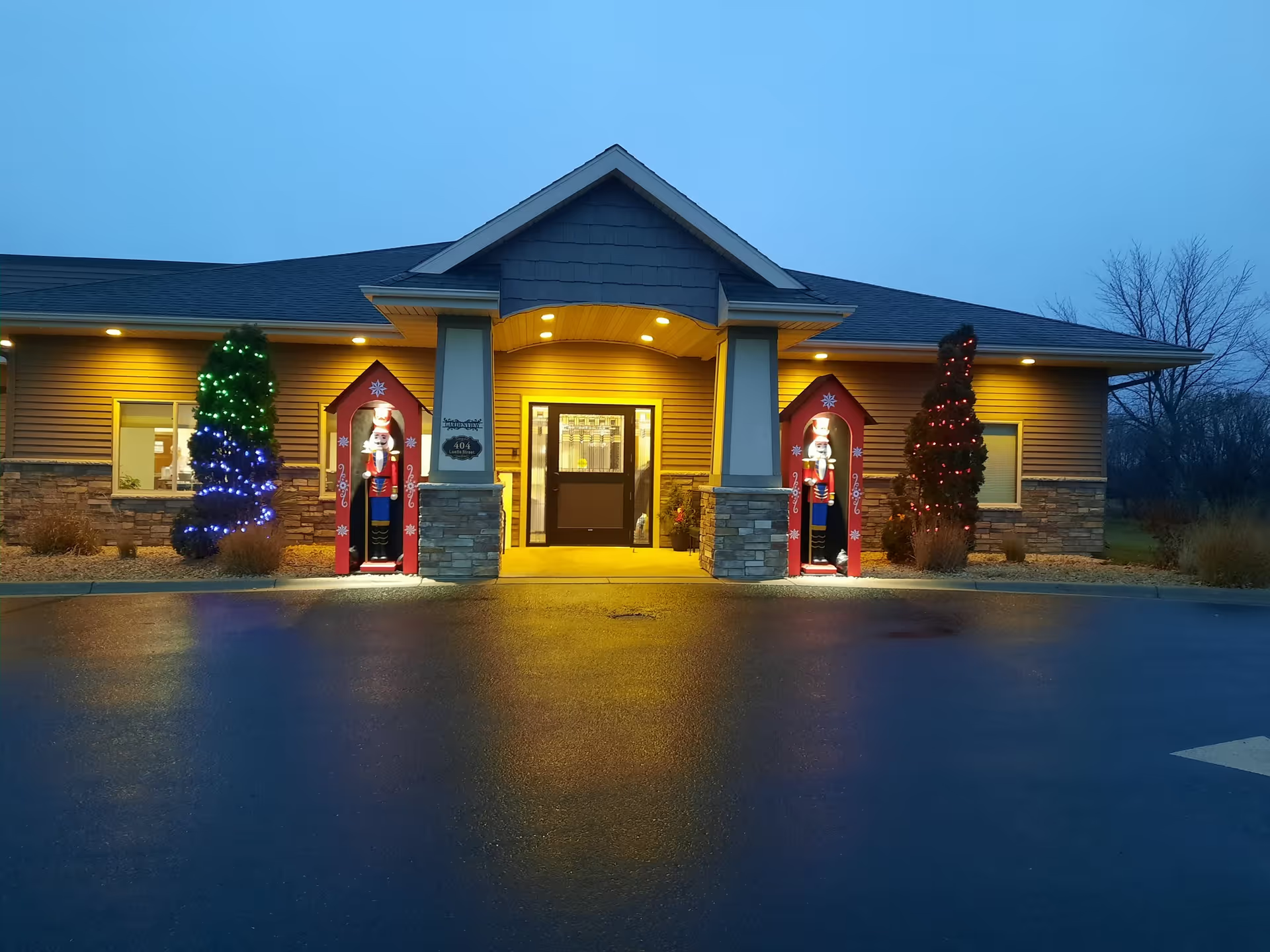
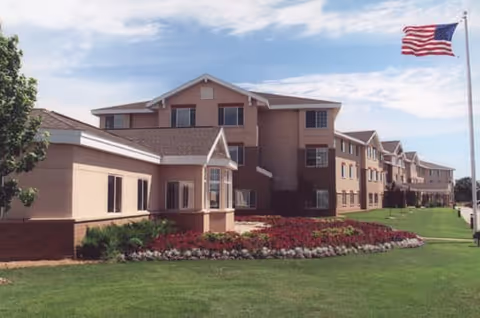
Talamore Senior Living St. Cloud is consistently described as a new, well-appointed senior living community with a high-end, hotel-like aesthetic. The facility offers spacious apartment choices (studios, one- and two-bedroom units) with large bathrooms, ample storage, and in-unit laundry in some units. Common areas are plentiful and varied, including dining venues, a bistro, theater, library, salon, party rooms and indoor mail/parking. The location near downtown shopping and the presence of on-site rehabilitation and medical providers are additional conveniences that reviewers cite positively.
Care and staff performance present a mixed picture. Many families and residents praise friendly, knowledgeable, and helpful staff members, and front-desk coverage is noted as a strength. At the same time, there are recurring operational concerns: staffing levels are described as inconsistent, staff conduct and communication are variable, and there are documented lapses in how clinical incidents and emergency plans are handled and communicated to families. These issues include difficulties accessing advance directives during an emergency and limited family involvement in some care-transition decisions, which contribute to concerns following a resident's death in one account. Reviewers also reference staff turnover and a perception that management is sometimes stretched thin.
Dining and activities are generally highlighted as strong points. The community provides restaurant-style dining with menu choices, a focus on healthy options, and an extensive schedule of activities and exercise programs. Residents describe frequent opportunities for socialization and structured programming. However, reviewers also note inconsistencies in meal-service timing and kitchen staffing continuity (examples include late or delayed breakfast delivery, temporary bistro closures, and changes in kitchen leadership), which can affect day-to-day dining reliability.
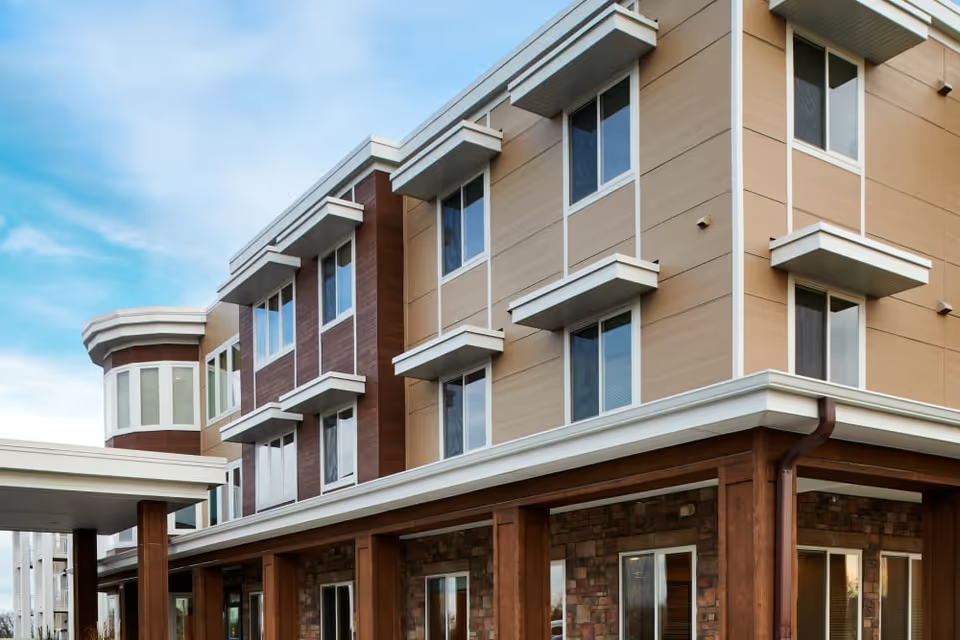
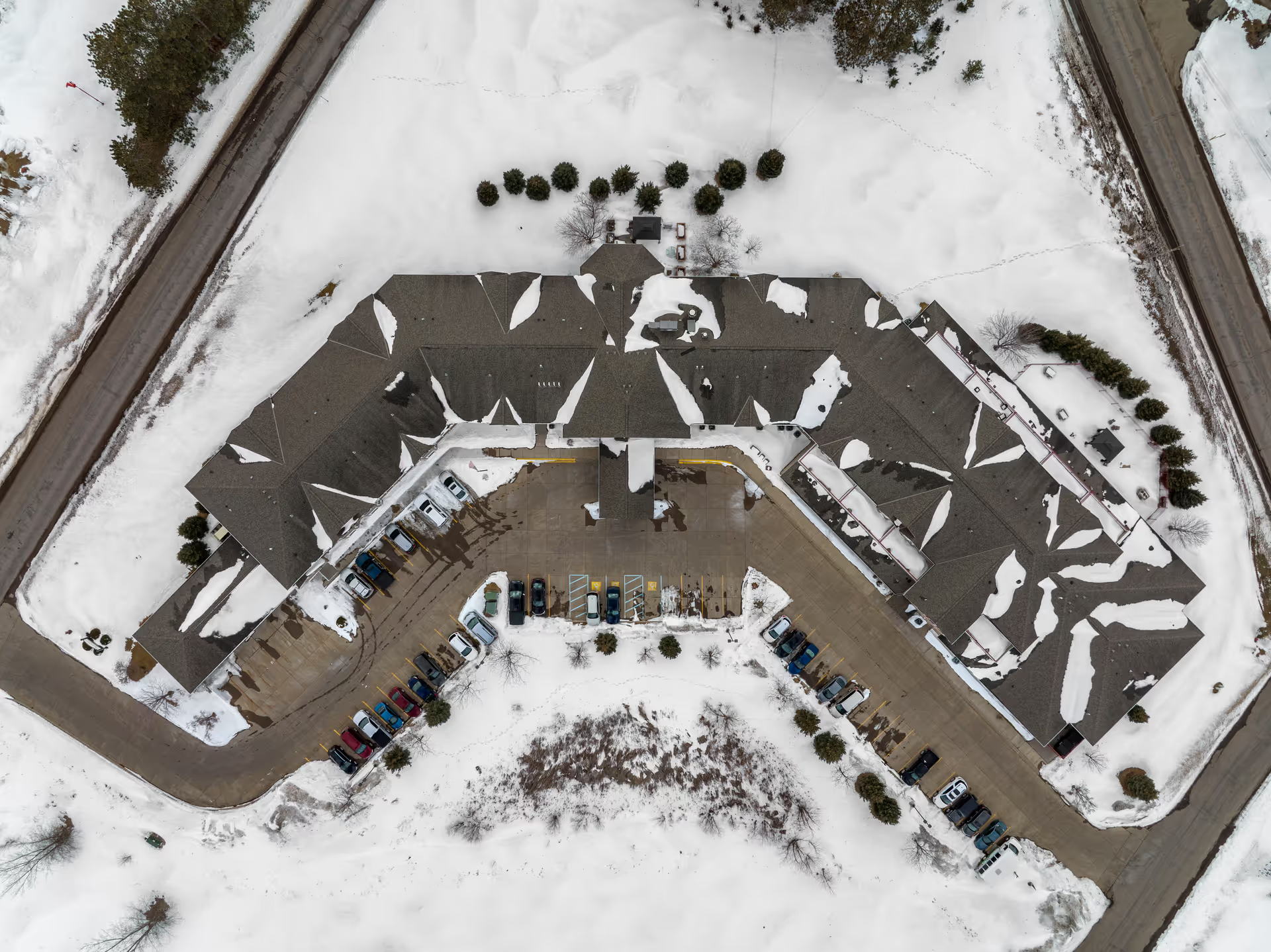
The physical plant and amenities receive widespread praise for cleanliness, modern finishes, and breadth of communal spaces. Some reviewers find the building large and potentially overwhelming; the floorplate requires substantial internal walking distances for certain apartments, and a few apartment design elements (high kitchen cabinets, some bathroom closet configurations) were noted as inconvenient. Memory-care areas are perceived as smaller and more confined compared with the general assisted-living product, which may be relevant for families considering that level of care.
Management and operational themes suggest a community still stabilizing after opening. Several amenities and services were described as not fully available at initial move-in, and a few reviewers cited pricing complexity and restrictive payment policies (including multi-year financial commitments) as barriers. Sanitation and organizational inconsistencies were mentioned in isolated accounts and should be explored in person. Prospective residents and families would be well advised to tour multiple unit types, ask specific questions about current staffing ratios and continuity plans, review emergency and document-access procedures (including advance-directive accessibility), confirm which amenities are fully operational, and obtain clear, written explanations of pricing and contractual terms before committing.
Overall, Talamore presents a strong physical environment with robust programming and many conveniences, coupled with operational challenges common to newer, high-capacity communities—notably staffing consistency, communication around clinical events, and management of opening-phase transitions. These strengths and weaknesses should be weighed against individual care needs and expectations during in-person visits and contract discussions.