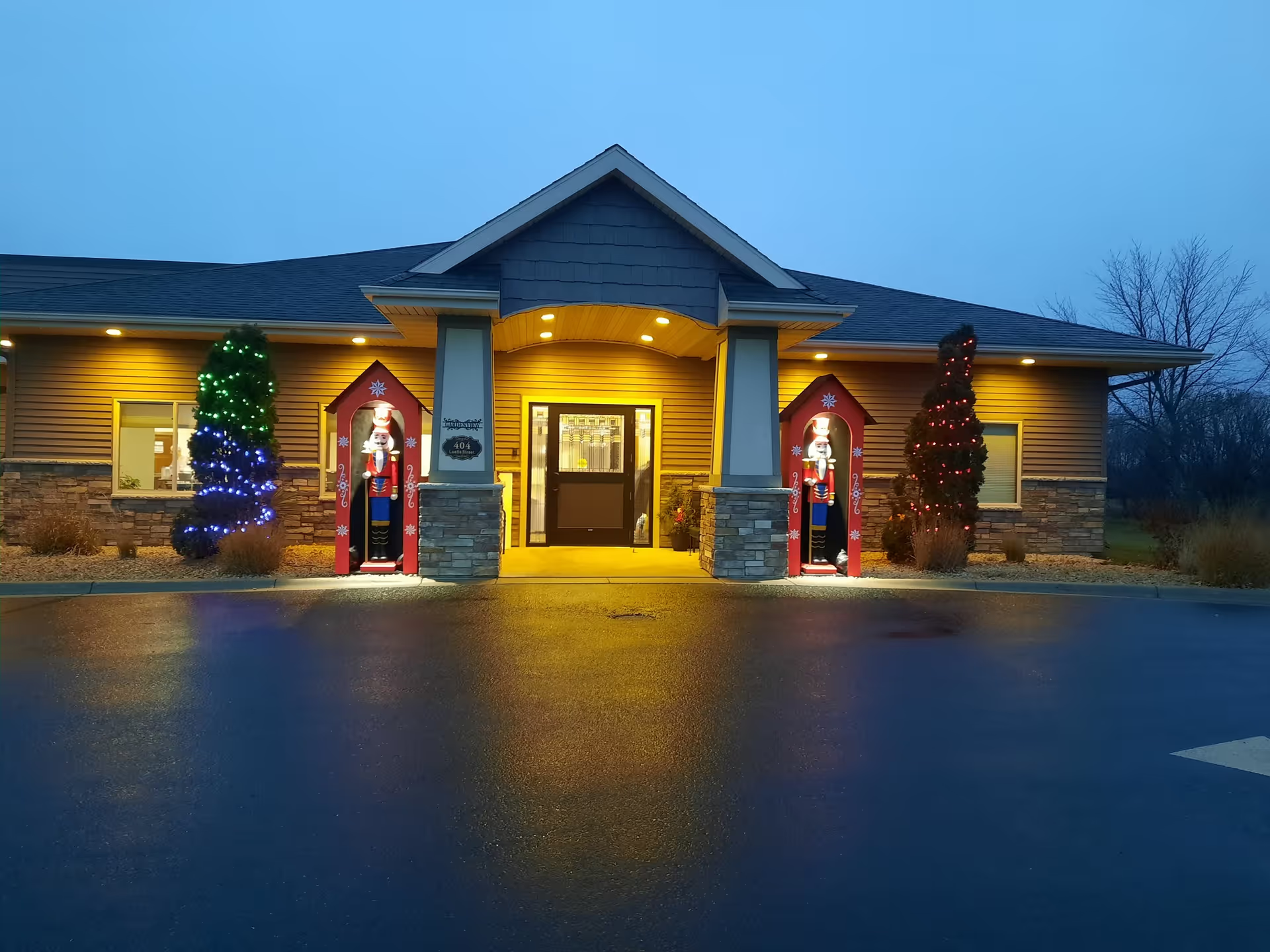
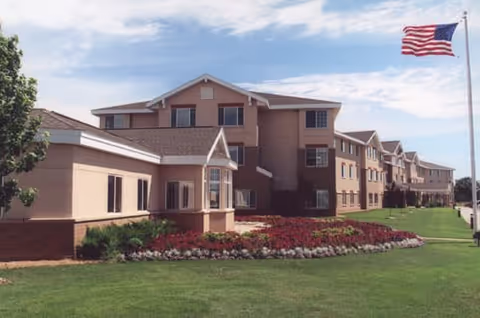
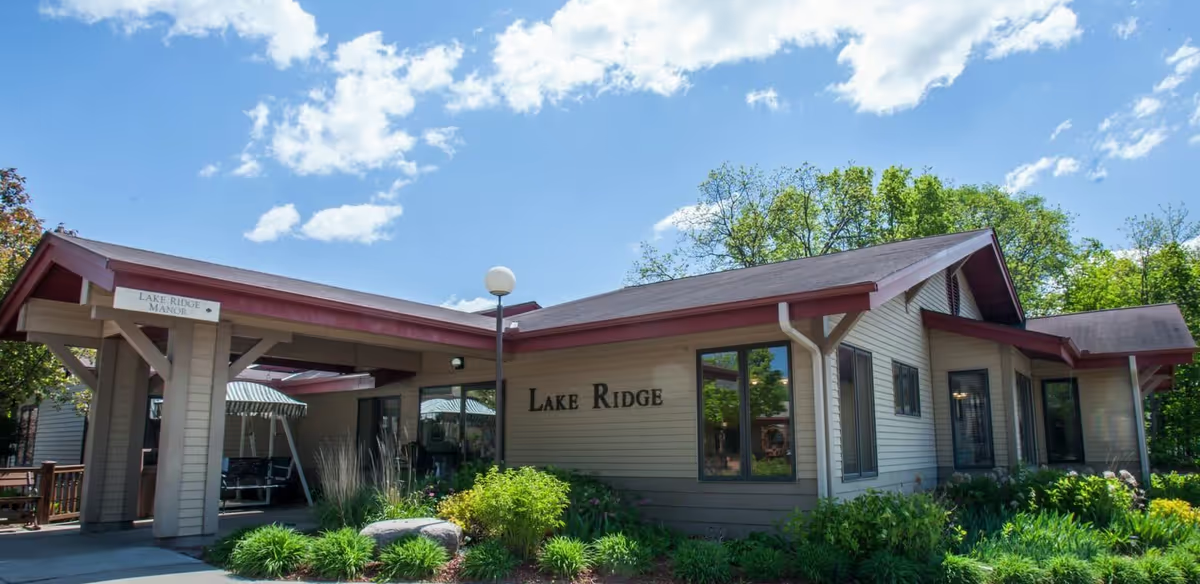
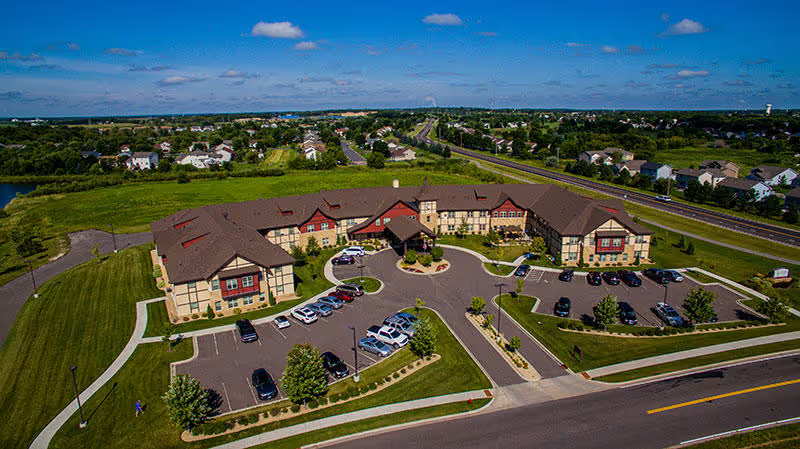
Ecumen St. Benedict's Community presents a mixed but discernible profile. Many families and residents praise the facility for its welcoming staff, active social calendar, and well-maintained physical environment. The campus is frequently described as clean and spacious, with roomy resident accommodations, updated common areas, an outdoor garden, and ample event space suitable for large gatherings. On-site amenities such as a cafeteria, gift shop, walking areas, transportation services, and in-room entertainment (large televisions) contribute to a comfortable daily environment for residents.
Activity programming is a clear strength. Reviewers consistently mention a broad and engaging calendar that includes bingo, movie nights, knitting groups, shuffleboard, and regular live musical performances and recitals. There is an active chapel and religious programming on-site, which is an important feature for residents seeking a faith-based environment. Rehabilitation services are also highlighted positively; physical and occupational therapy are described as strong, and many families noted prompt and effective therapy interventions.
Care and staffing descriptions are mixed. Numerous comments reflect kind, attentive, and hardworking caregivers and nurses who respond quickly and provide compassionate care. At the same time, several reviews indicate variability in staffing levels and shift coverage that can lead to delays in assistance, postponed personal-care tasks (bathing/laundry), and slower response to call lights. This variability appears to contribute to inconsistent resident experiences across different units or shifts.
Clinical oversight and medication management emerge as significant concerns in a subset of accounts. Issues cited include medication-administration errors, medication decisions made without clear family communication, and broader questions about documentation and clinical oversight. A few families escalated clinical concerns to outside authorities. These reports suggest the need for prospective residents and families to ask specific questions about the facility’s medication-safety protocols, staffing ratios (especially on nursing shifts), and incident-communication practices.
Housekeeping and dining quality show similar variability. Many describe the facility and rooms as clean and well-kept, while others describe sanitation and housekeeping lapses in particular areas. Dining impressions range from “good” or “delicious menus” to complaints about cold or average meals; meal quality and service consistency may vary by time or dining shift. Several reviewers also expressed concerns about nutrition and hydration monitoring for residents, which ties back to overall staffing and oversight issues.
Management and communication receive mixed evaluations. Positive accounts note staff who go “above and beyond” and administrative responsiveness in routine matters. Conversely, some families reported difficulties reaching leadership, perceived coldness from management, or unsatisfactory responses when clinical concerns were raised. These contrasts suggest uneven leadership engagement or inconsistent escalation pathways.
Notable patterns for prospective residents and families: the facility offers strong programming, therapy services, and a pleasant physical environment, and many residents are satisfied with daily life there. However, there is variability in caregiving consistency, medication management, housekeeping, and family communication. When evaluating Ecumen St. Benedict’s, families may find it helpful to tour at different times/shifts, ask for details about staff-to-resident ratios, medication-safety procedures, cleaning and laundry schedules, protocols for informing families about clinical changes, and examples of how management addresses critical incidents. Doing so can help clarify whether the facility’s strengths align with a prospective resident’s clinical and personal needs.