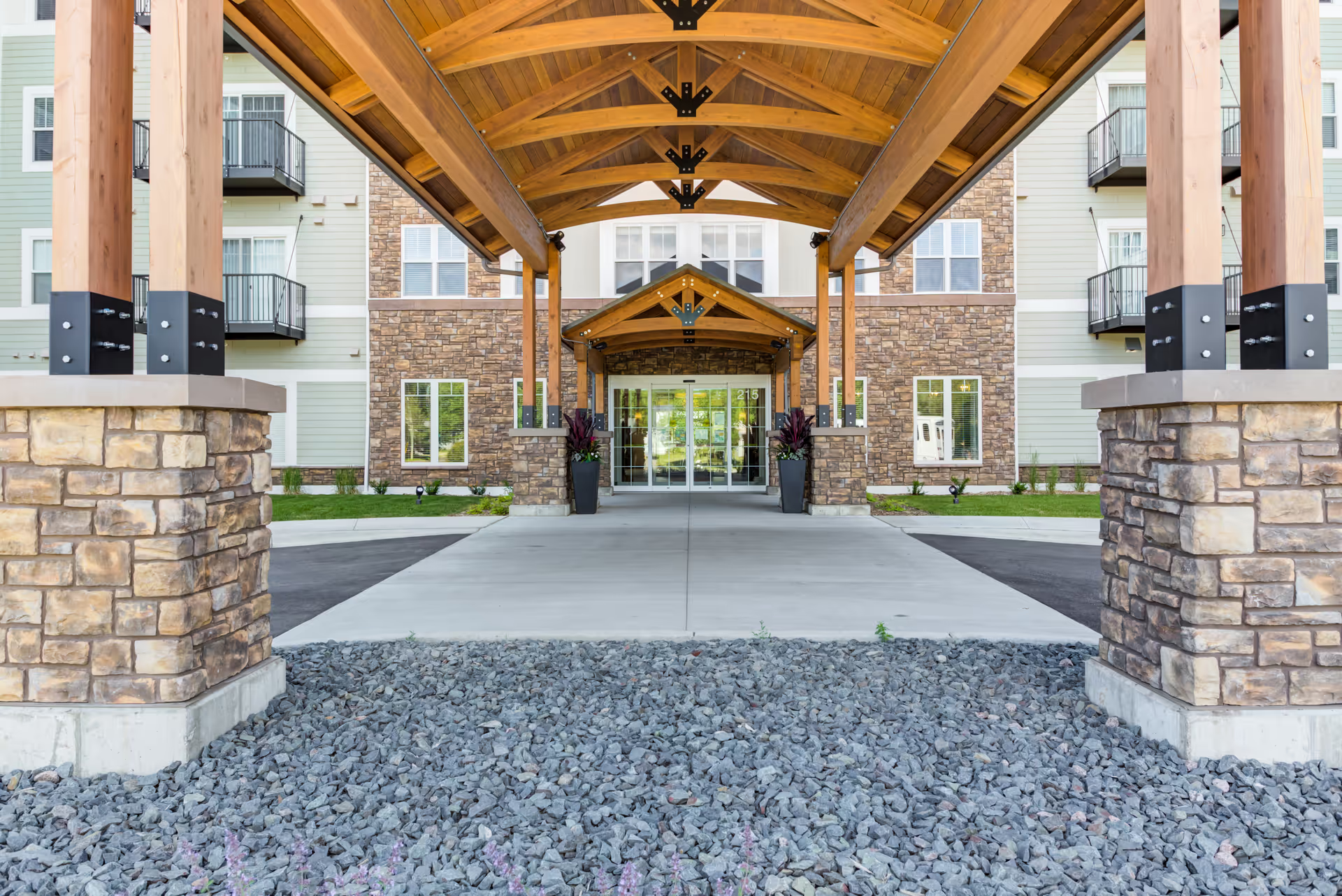
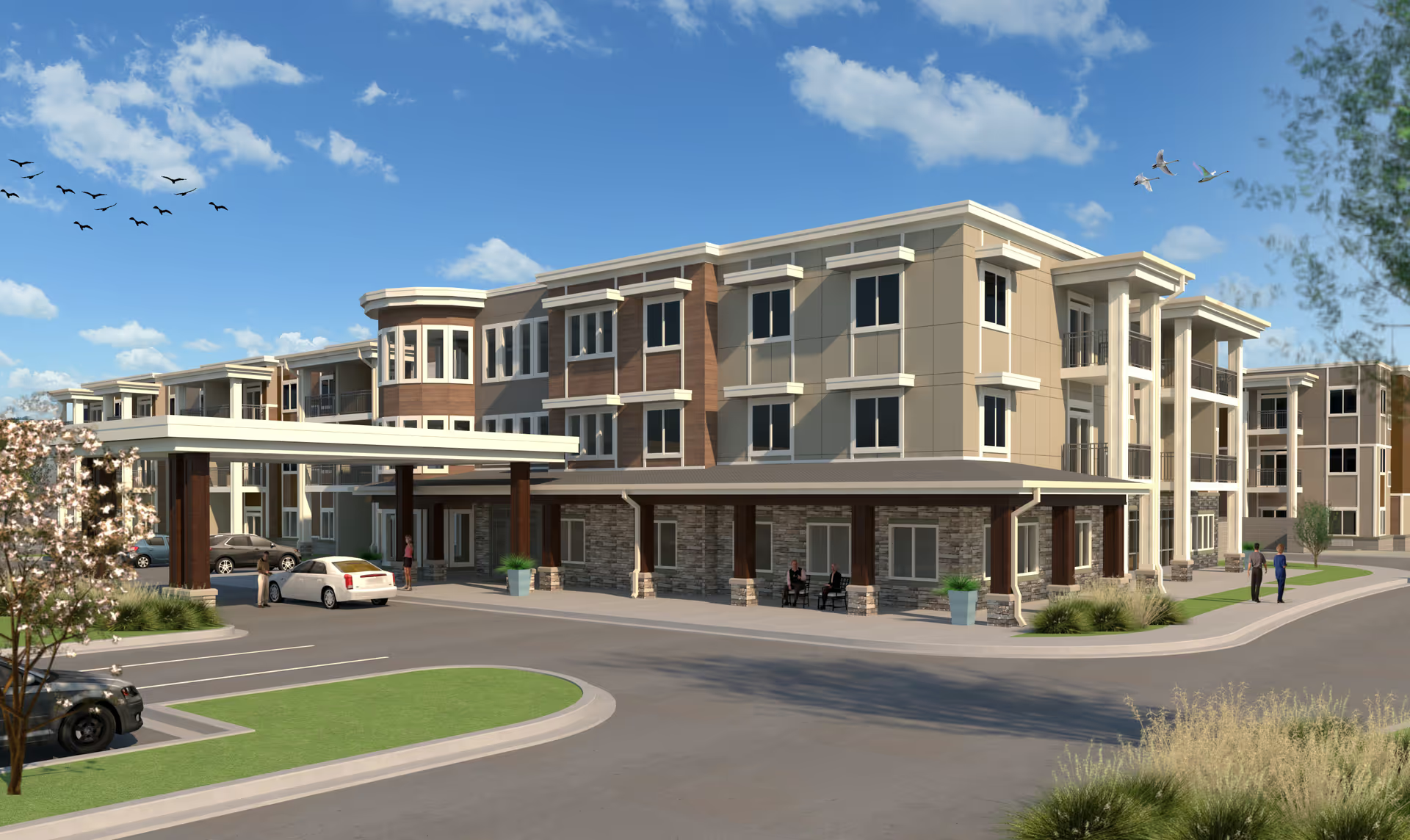
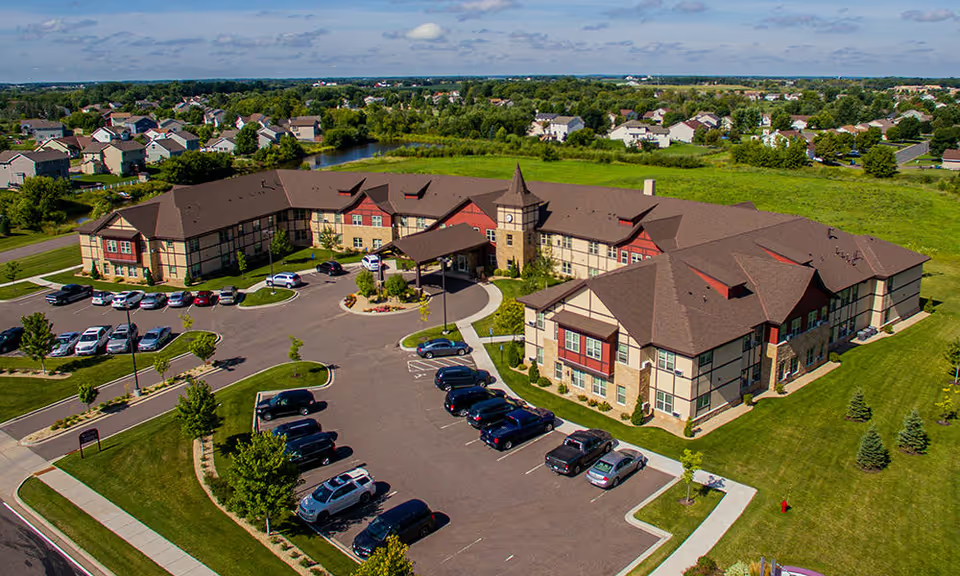
The Sanctuary at St. Cloud presents as a new, well‑appointed senior living community with clear strengths in physical environment, hospitality, and programming. Multiple comments emphasize the attractive, clean construction, large rooms, pleasant views and landscaped setting; the dining program and kitchen staff receive frequent praise for quality and flexible options; and the activities schedule is described as creative and engaging, contributing to a lively social atmosphere. Office staff and volunteers are commonly described as welcoming and family‑oriented, and the facility offers useful on-site services such as in-house medical appointments and acceptance of Elderly Waiver funding.
Care quality and direct caregiving are areas of mixed feedback. Many families commend nurses, CNAs and memory‑care aides for compassionate, attentive interactions and good collaboration with hospice when applicable. At the same time, reviewers describe variability in staffing consistency, punctuality, and professionalism, which translates into uneven experiences across units and shifts. For prospective residents with memory‑care needs, the picture is particularly mixed: there are reports of dedicated memory‑care aides and positive caregiver relationships, but also concerns about inexperienced leadership, insufficient memory‑care training, frequent calls due to wandering, and layout/wayfinding issues that can complicate supervision and resident orientation.
Dining and activities are consistent highlights: reviewers frequently describe enjoyable meals, multiple dining rooms, flexible service, and a broad roster of activities that draw residents into social participation. These operational strengths appear to support resident quality of life for those in independent or assisted living tracks. The facility’s new construction and maintenance practices are regularly cited as contributing to a clean, comfortable environment.
Administrative and management issues recur as notable patterns. Families report billing errors and other administrative process problems, and some mention serious concerns about communication and follow‑through around end‑of‑life events. Several comments describe uneven management responsiveness and internal communication breakdowns, including staff turnover and instances where front‑line workers felt unsupported. These operational shortcomings appear to be a key driver of dissatisfaction when they occur, even where day‑to‑day caregiving is otherwise satisfactory.
Spatial design is a double‑edged feature: the large, modern footprint provides attractive common spaces but also produces long hallways and distances between rooms and amenities, which some find inefficient or challenging for residents with mobility or cognitive limitations. Safety and supervision practices in higher‑acuity units are an area families should query directly, given the combination of layout factors and reported variability in staffing and training.
Overall, the Sanctuary at St. Cloud may be a strong fit for individuals seeking a newer, hospitality‑oriented community with robust activities and good dining. Families considering the facility should perform targeted due diligence for memory care and higher‑acuity needs: ask about staffing ratios and turnover, memory‑care leadership and staff training, wandering‑management and wayfinding safeguards, billing and end‑of‑life communication procedures, and concrete examples of how management addresses incidents and family concerns. This will help determine whether the community’s operational practices align with a particular resident’s clinical and supervision needs.