St. Anthony Park Home presents as an older, locally owned post-acute and long-term care setting with a clear rehabilitation orientation and notable clinical strengths. Therapies — particularly physical, occupational and speech therapy — are frequently described as effective, with several reviewers crediting therapy teams for rapid functional gains and timely discharges. Families and residents also commonly cite compassionate, attentive caregiving staff, long-tenured employees, and an on-site owner/leadership presence that can be responsive to concerns. The facility is generally described as well maintained in many areas, and dietitian-led meal planning, VA assistance, and affordable non-corporate ownership are recurring positives.
Clinical and safety patterns are mixed. While rehabilitative programs and therapy continuity earn consistent praise, reviewers raised operational concerns about room-level safety management (for example, placement and accessibility of assistive devices and call systems) and fall-prevention practices. There are multiple references to delays in staff responsiveness and uneven follow-through on requests; these translate into a broader pattern of inconsistent staff training and conduct standards. Some accounts also describe problematic clinical practices in communal areas and during meal service, which indicate a need to clarify clinical-procedure policies and dining-room practices.
Communication and care coordination emerge as another area of variability. Several families described shortcomings in discharge planning, handoffs between staff, and day-to-day communication from nursing and administrative personnel. Activity programming has been strong historically, with daily social activities and engaged recreational staffing, but turnover in activities staff and management changes have coincided with a perceived decline in program continuity. Reviewers note both excellent, stable programming at times and interruptions when key staff leave.
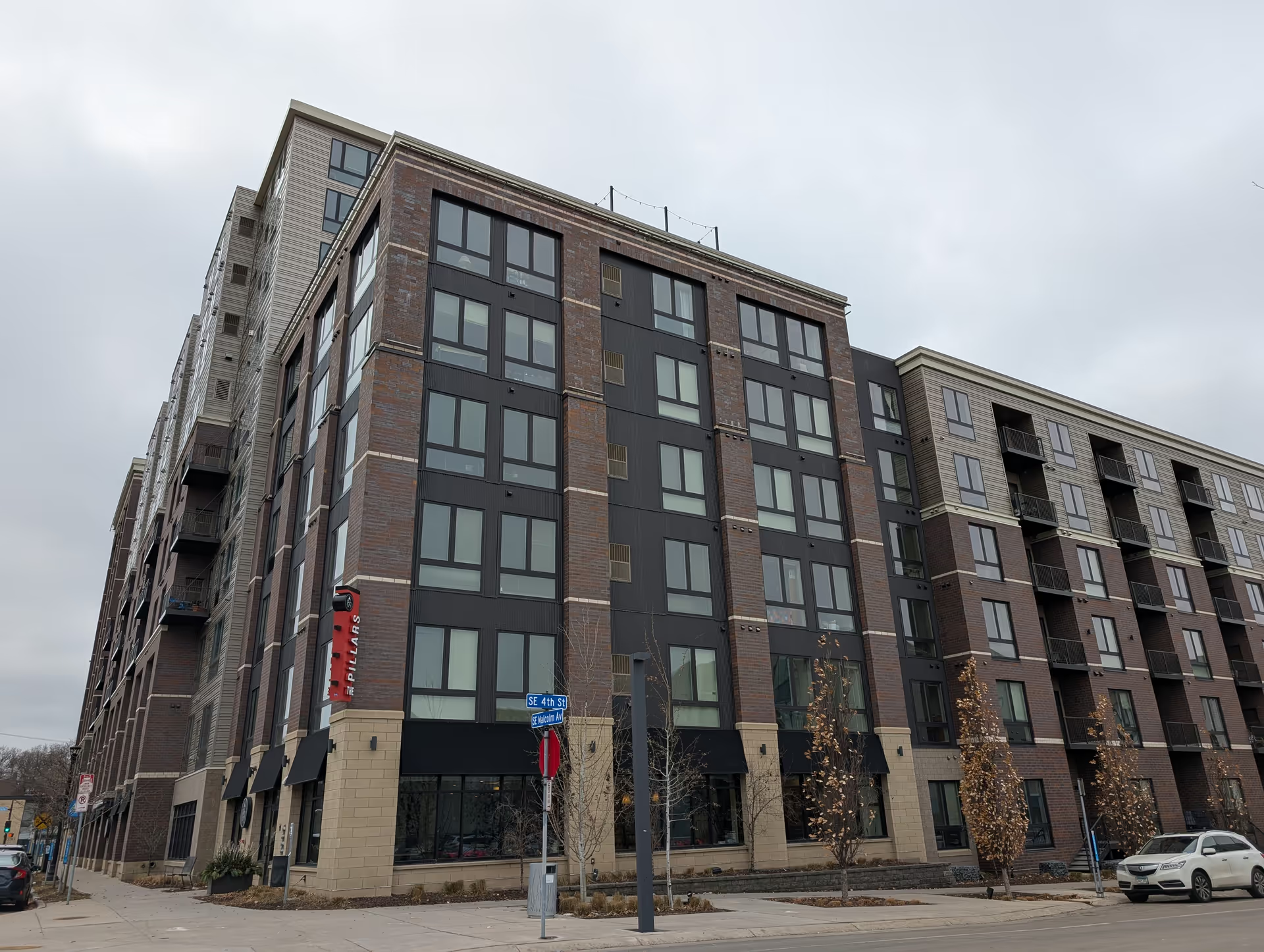
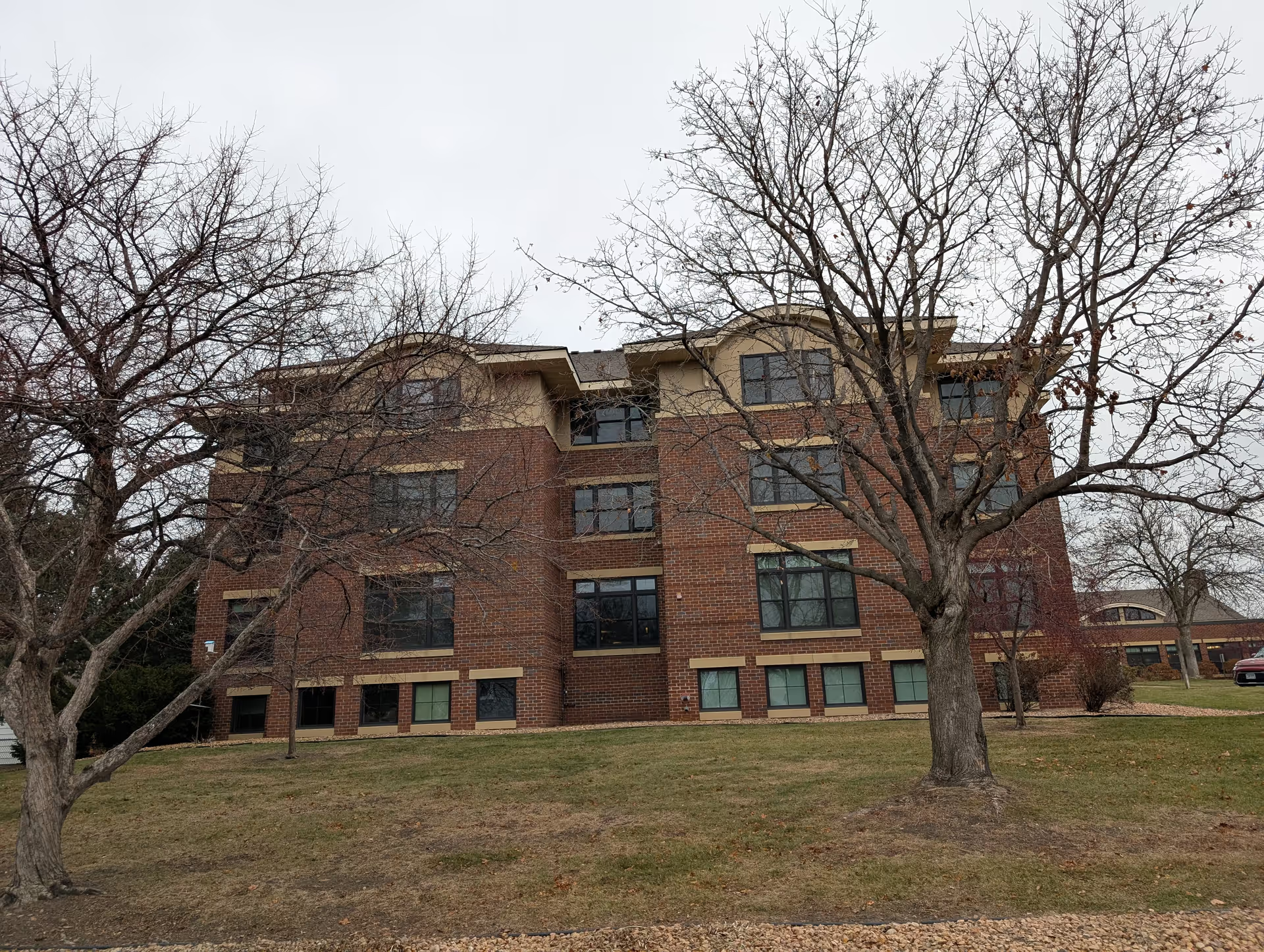
Dining and facility environment reflect this mixed picture. Positive comments highlight dietitian input on meals and spacious dining areas; conversely, some reviewers described inconsistent dining-service practices and sanitation concerns in particular units. Physically, the building is characterized as older and somewhat dated in decor, though many areas and rooms are kept in good repair. Prospective residents should evaluate room layouts for mobility needs and confirm what safety equipment and maintenance schedules are in place.
Overall, many families reported positive experiences driven by strong therapy teams, attentive long-term staff, and accessible leadership. At the same time, recurring themes — inconsistent responsiveness, variable cleanliness between units, gaps in room-level safety management, and turnover-related declines in activities — suggest areas to probe during a visit. When considering St. Anthony Park Home, ask for current staffing levels and turnover rates, fall-prevention and call-response metrics, examples of clinical-procedure policies (including where routine draws or treatments occur), details of discharge-planning processes, and how activity programming continuity is maintained after staff changes.