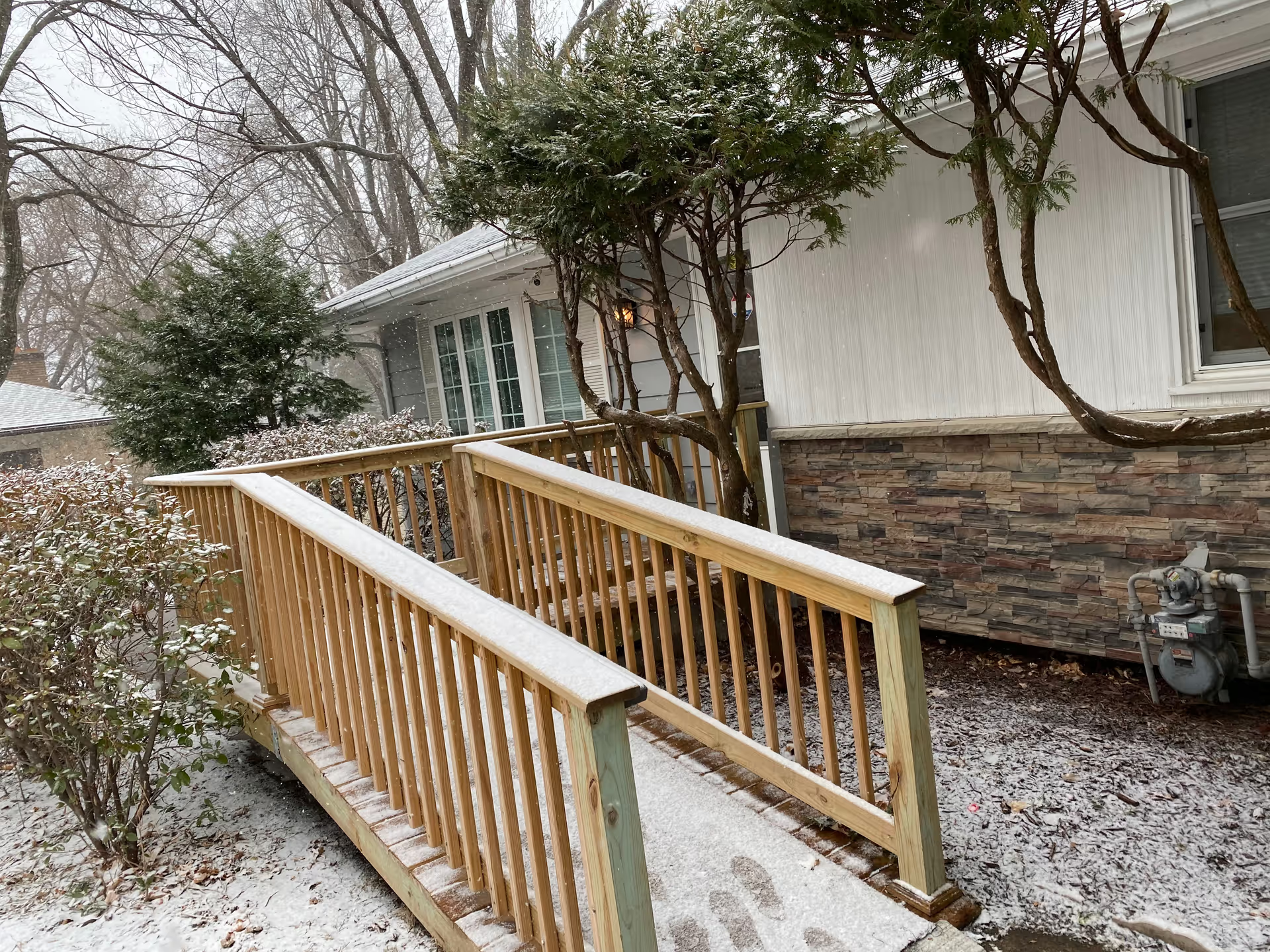
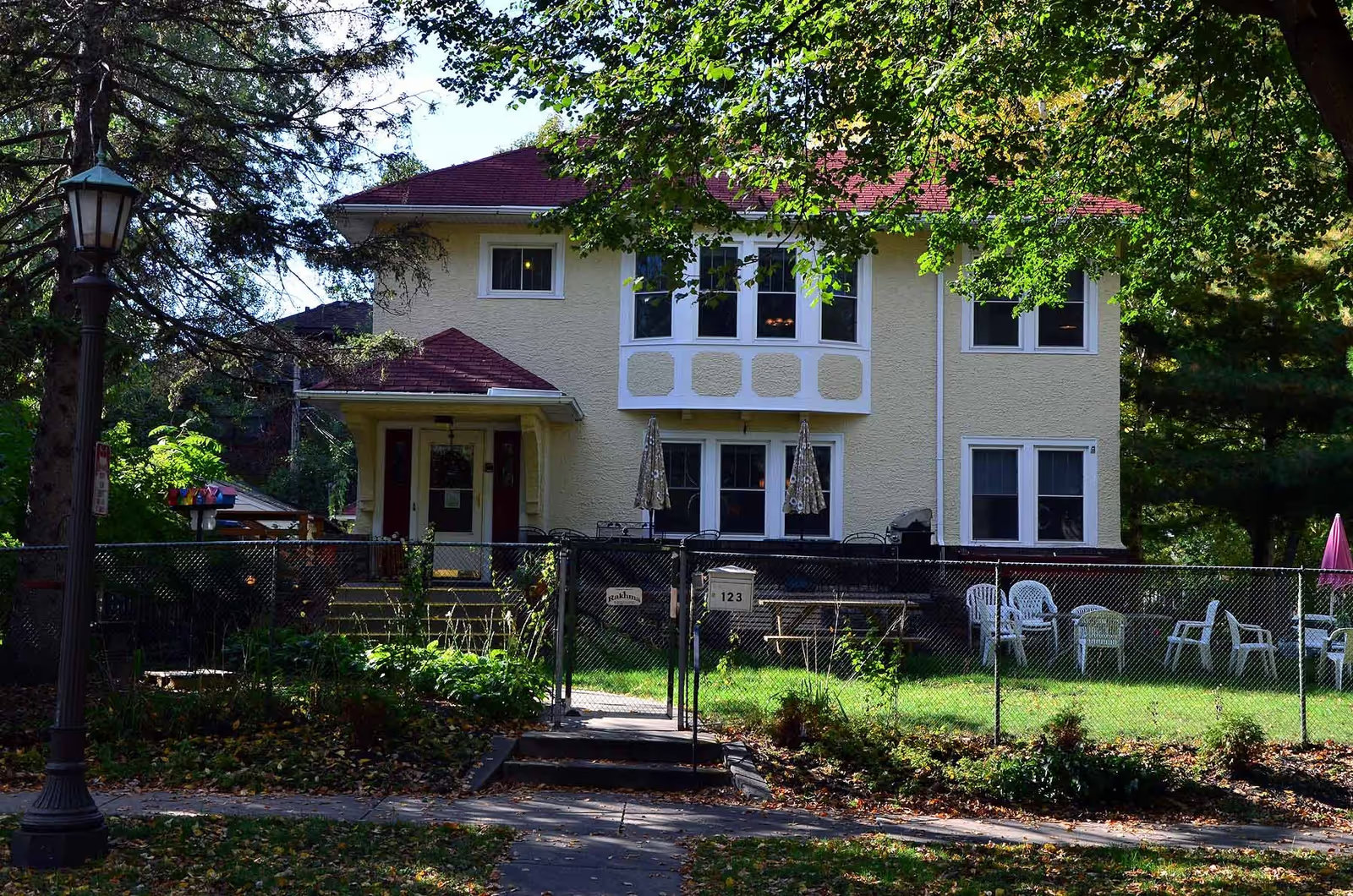
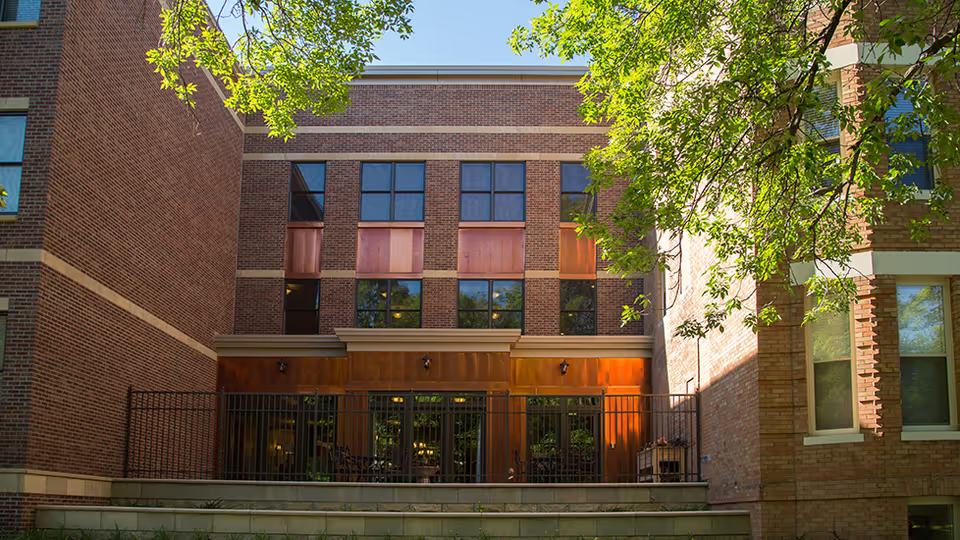
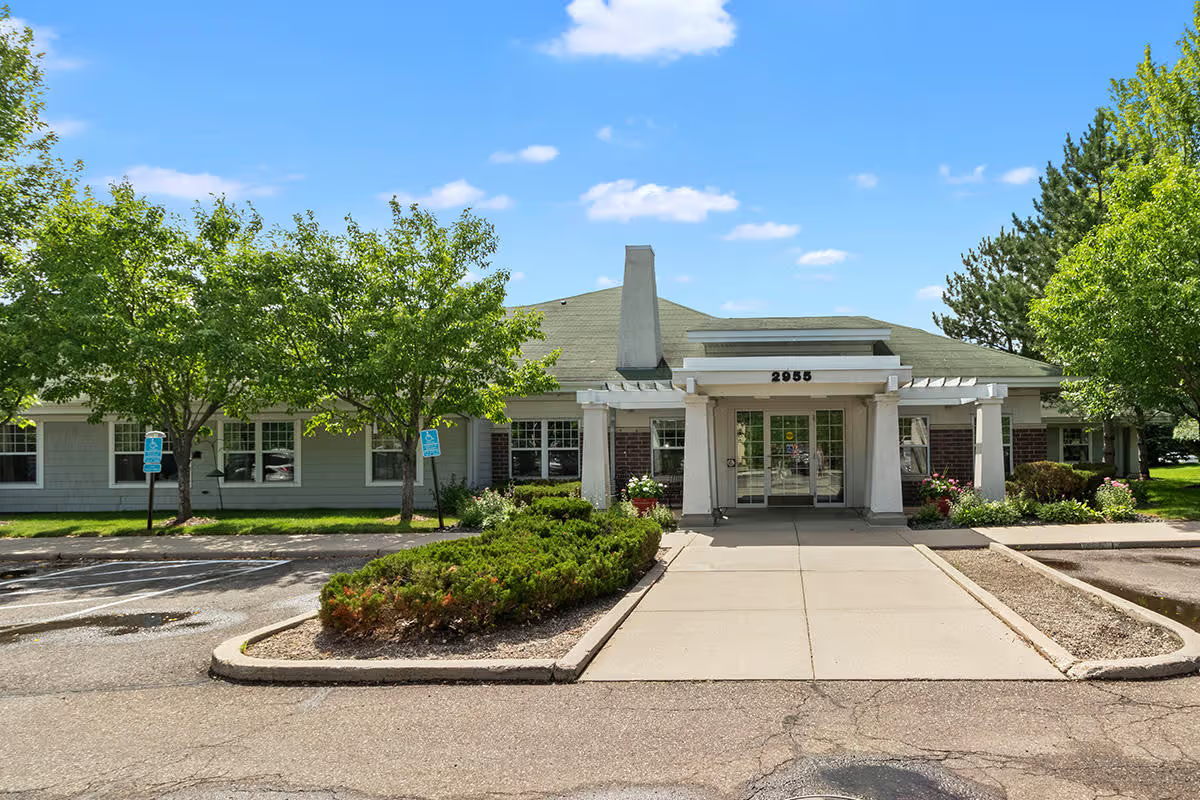
The Heritage at Lyngblomsten presents as a well-appointed independent-living campus with several onsite levels of care. Strengths cited include a recently remodeled building inventory, spacious apartments, an on-site chapel, and a campus design connected by climate-controlled tunnels that support secure movement across buildings. Grounds and public spaces are generally described as well maintained; an on-site café, gift shop and other amenities contribute to resident convenience. Transportation services are noted as ample, and security features such as locking systems and enclosed walkways are emphasized as positives.
Clinical services are available on campus, including transitional care and nursing care, which makes the community attractive for residents who want the possibility of higher-level care without relocating. That said, feedback indicates variability in the transitional-care unit: both clinical practices and the physical condition of that unit were described as needing improvement. Prospective residents should verify current staffing, program standards, and unit condition for post-acute or skilled needs prior to committing.
Dining and hospitality offer mixed signals. The community provides a complimentary continental breakfast, flexible meal options, and individualized dietary accommodations delivered by an experienced culinary team. However, evening/dinner service is not standard and some meal options (for example, certain lunches) may carry separate fees; in-room service is characterized as basic. Those who prioritize all-inclusive dining should confirm which meals are covered in their monthly fees and review menu and billing practices.
Staff behavior and communication elicited both positive and negative comments. Many notes emphasize a welcoming culture, cleanliness, and highly regarded staff who maintain the grounds and daily operations. Conversely, there are concerns about inconsistent staff communication and occasional issues with staff conduct and responsiveness. These comments suggest variability in frontline interactions and handoffs; families may want to ask about staff-to-resident ratios, communication protocols, and leadership oversight during a tour.
Administrative and access considerations are also notable. The facility operates a lengthy waitlist and requires a substantial refundable waitlist fee, which may affect move-in timing and upfront costs. The community does not offer a dedicated memory-care program, which could be a limiting factor for residents who may need that level of specialty care in the future. In addition, some families find the location relatively distant.
Overall, The Heritage at Lyngblomsten appears to be a mostly well-kept independent-living community with on-campus clinical options and a strong hospitality orientation, tempered by operational trade-offs in transitional care quality, meal-service inclusions, waitlist logistics, and occasional communication concerns. Prospective residents and families should schedule an in-person visit to inspect the transitional-care unit, confirm current dining fee structures, review staff communication practices, and clarify waitlist terms before making a decision.