Reviewer accounts present a highly mixed picture of care and operations at The Villas at St. Paul, with clear areas of clinical strength alongside recurring operational weaknesses. On the clinical side, occupational therapy and mid-level clinical staff (including nurse practitioners) receive positive comments for competence, and some families describe timely medical attention and effective problem resolution. Direct-care staff are frequently characterized as compassionate and attentive; several observers noted staff who know residents by name and contribute to a sense of community and engagement.
However, staffing and responsiveness are recurring concerns. Many accounts describe inconsistent staffing levels that contribute to slow or unreliable response to call systems, delayed assistance after bell activation, and delays in medication delivery or physician follow-up. These operational shortfalls have been associated with safety-related issues such as transfer difficulties and falls, as well as incontinence-care and hygiene concerns in some areas. Communication failures — including front-desk phone routing problems, long hold times, unclear voicemail/phone use, and inconsistent follow-up from social workers — further compound families' frustrations and make coordination of care more difficult.
Dining and nutrition impressions are mixed. Meals are often described as palatable and varied, with specific praise for themed offerings and an Asian menu. At the same time, reviewers identify inconsistent accommodation of therapeutic diets (for example, diabetic meal appropriateness and portioning), and occasional meal-service continuity problems. Activity and social engagement are generally noted positively where staff participation is strong; several reviewers observed engaged residents and an active community culture.
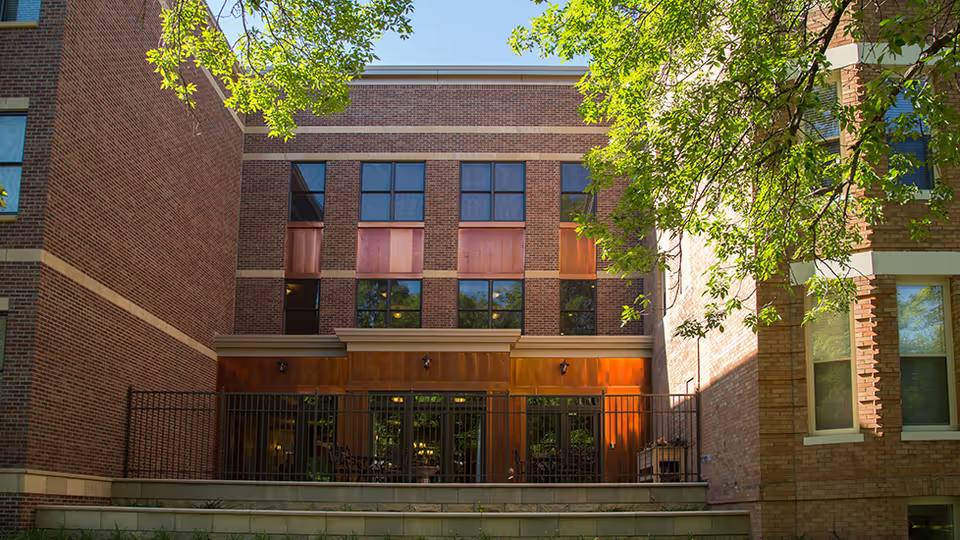
Facility condition and maintenance are other distinct themes. The building is frequently characterized as older and in need of upkeep: damaged walls, slow elevators, and general wear-and-tear are noted. Cleanliness and sanitation are inconsistent across reports; while some visitors describe a visibly clean, welcoming environment with diligent housekeeping staff, others cite odor concerns and visible housekeeping lapses. Security and property-handling vulnerabilities are raised in multiple accounts, including missing personal items and concerns about document handling; a subset of reviewers made allegations of improper handling of financial or legal documents, which are serious and warrant direct inquiry.
Management and leadership impressions are also polarized. Some families describe a proactive transition in ownership/administration with visible reform efforts and improved staff morale under new leadership. Others report ongoing administrative issues such as billing delays, unclear visitation rules, inconsistent enforcement of policies, and perceived shortcomings in staff training and professionalism. Taken together, the pattern suggests operational variability across shifts and units: positive experiences often coexist with pronounced service gaps.
For prospective residents and families, key areas to evaluate in person include current staffing ratios and typical response times to call systems (including night coverage), transfer and fall-prevention protocols, how therapeutic diets are managed, housekeeping schedules and sanitation audits, medication-administration procedures and after-hours physician coverage, and processes for visitor access and documentation handling. Request recent inspection reports, speak with current families, and observe mealtime and shift-change activity to assess consistency. The facility demonstrates clinical strengths and an engaged staff in some contexts, but the variability in operational execution and serious administrative concerns reported by multiple observers mean that careful, targeted due diligence is advisable before placement.