Reviewer feedback for Magnolia Assisted Living is mixed, with clear strengths alongside substantive operational concerns. Positive comments emphasize a small, clean community with professional, courteous staff and round-the-clock clinical availability. Several families praised short-term respite stays and noted that staff provided attentive care during those periods. Meals and on-site activities were described positively by some residents, and private-room options are available in a convenient location close to family.
Care quality appears variable. Some reviewers described attentive nursing coverage and personalized support associated with the facility's small size, while others identified periods of understaffing and limited clinical responsiveness. There are specific concerns about medication-management continuity and nurse attention that prospective families should review directly with management. Several reviewers raised questions about whether the facility's level of care aligns with highly dependent needs; families of residents with significant mobility or complex medical conditions should confirm clinical capabilities prior to placement.
Staff and communication show a bifurcated picture. Many reviewers praised staff professionalism and courteous interactions; conversely, others described unprofessional conduct and communication tone problems. There are also reported communication gaps around room changes and transitions, which some families found distressing. Management responsiveness to relocation coordination and family communication appears inconsistent, so clarifying notification and decision-making processes is advisable.
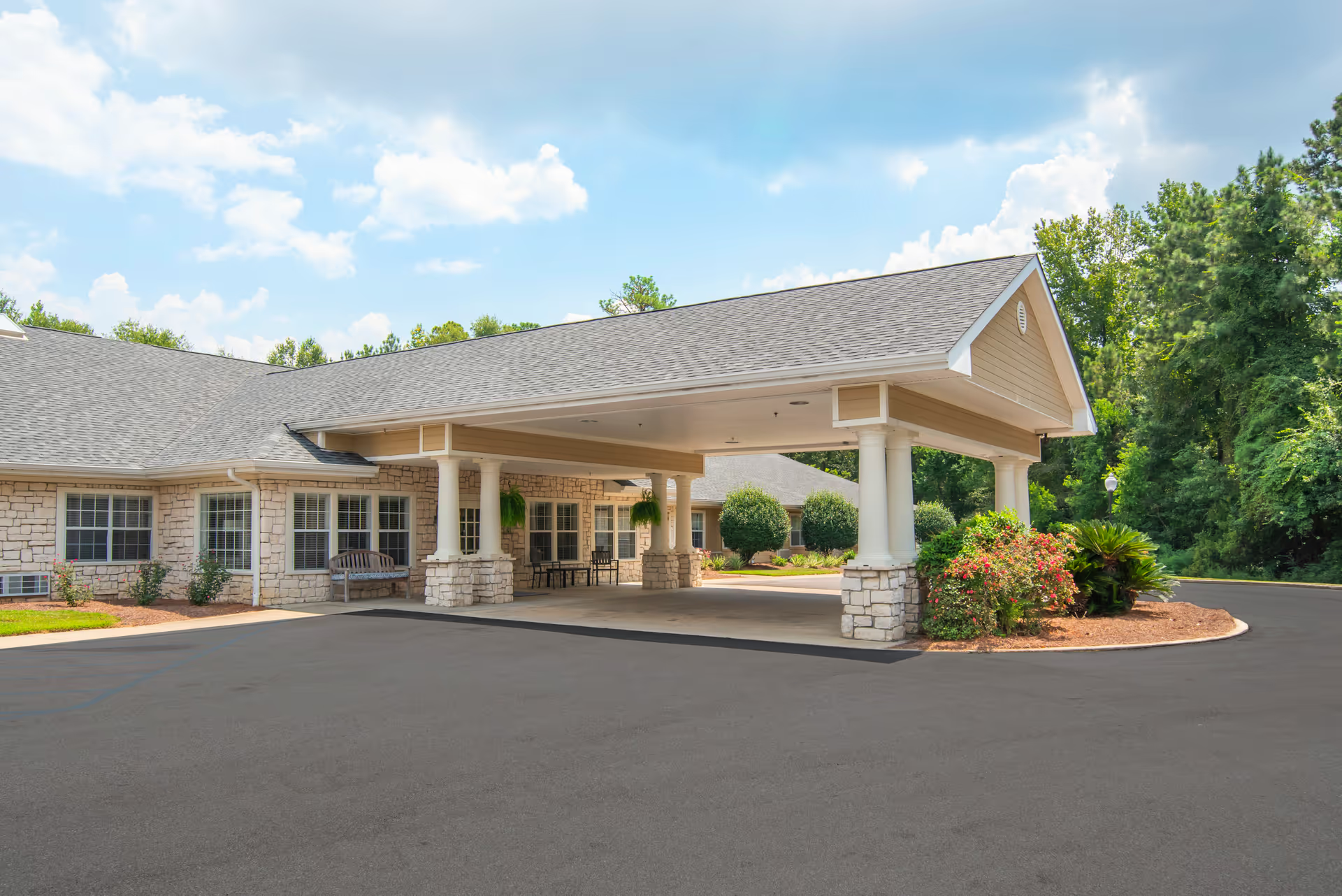
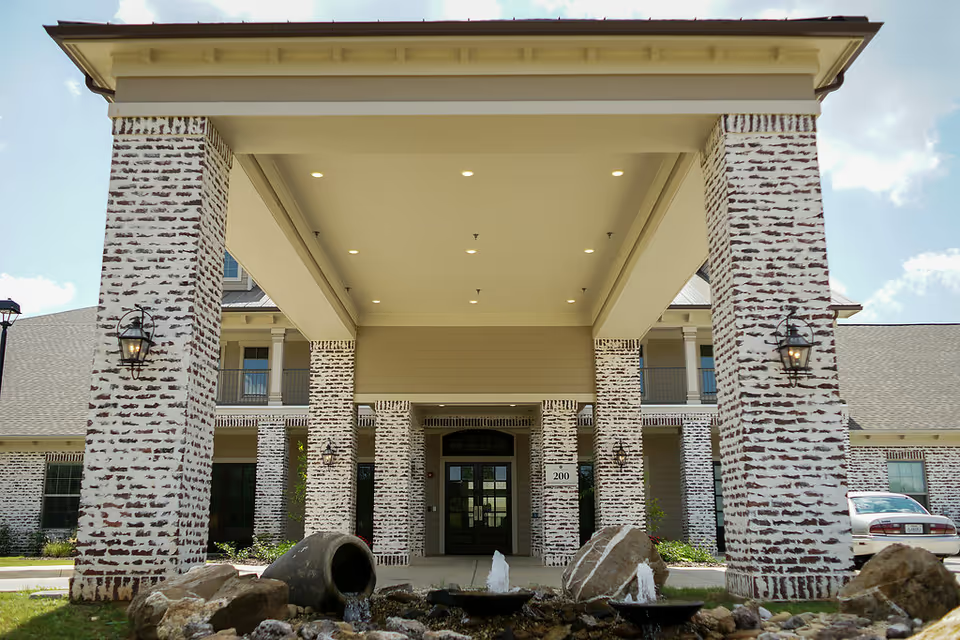
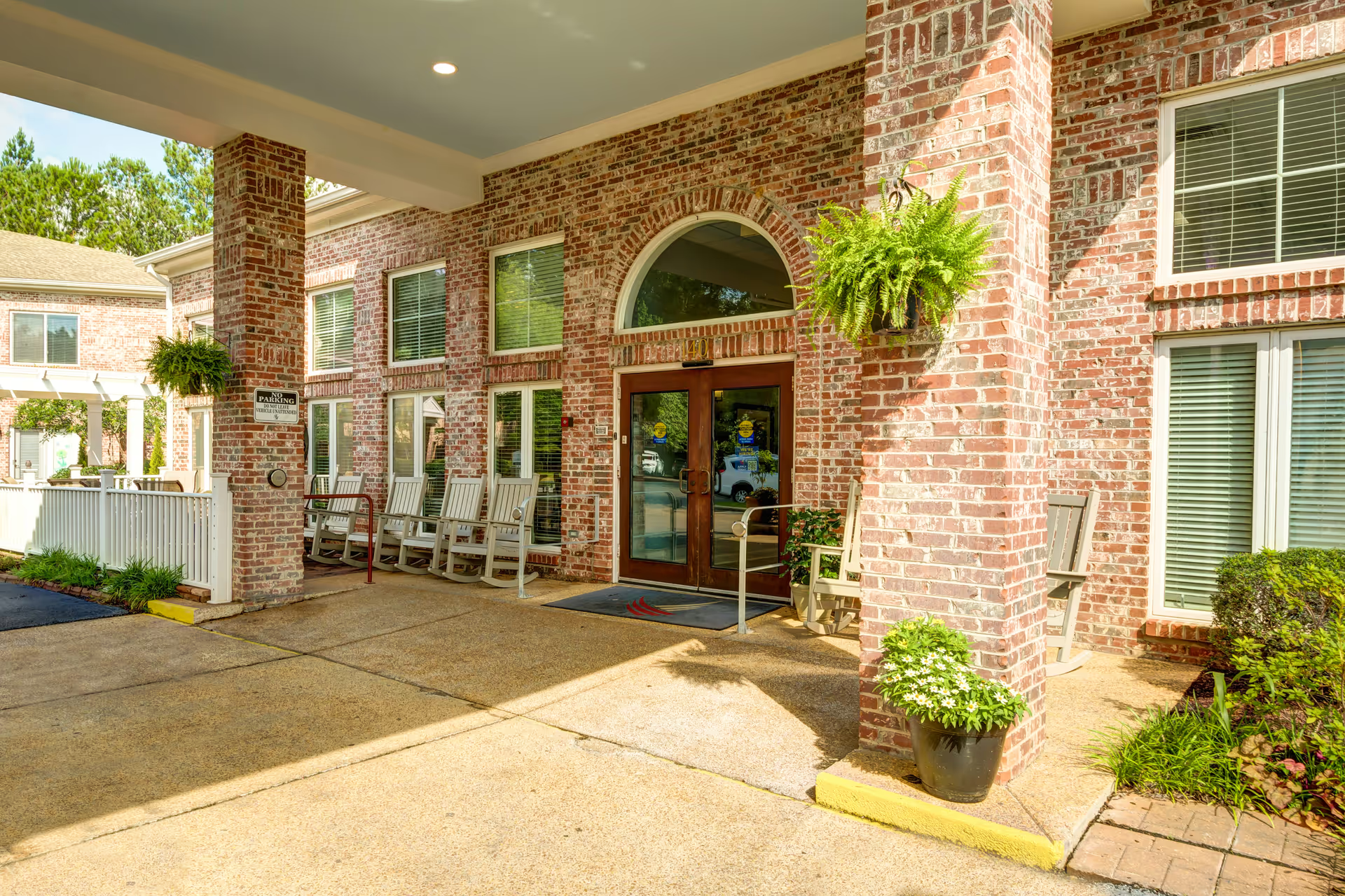
The physical plant is a recurring theme. Multiple comments referenced an older, hospital-style layout and infrastructure issues such as aging HVAC and electrical systems. While common areas were often described as clean, reviewers noted variability in maintenance and an overall dated appearance in some units. Private rooms are available but were described as costly relative to the perceived level of investment in facility upkeep.
There are isolated but serious operational concerns that deserve attention during a tour and contract review. These include allegations of theft or mishandled resident property and at least one report of restricted wheelchair access; such claims should prompt direct questions about security, property safeguards, accessibility policies, and incident-resolution procedures. Additionally, families should ask about staffing ratios, medication-administration protocols, staff training on dementia and mobility care, and the facility's process for handling higher-dependency residents.
Overall, Magnolia Assisted Living may suit residents who value a small, close-knit setting with personalized attention and readily available staff during typical operations. However, the variability in clinical responsiveness, building condition, communication practices, and the presence of serious isolated allegations suggest that prospective residents and families should conduct an in-person assessment that focuses on staffing, medication management, accessibility, financial/property safeguards, and recent or planned facility maintenance before making a placement decision.