The reviews present a mixed picture of West County Care Center with clear strengths alongside recurring operational weaknesses. Positively, many accounts highlight a core of caring, competent direct-care staff and proactive nurses who provide hands-on assistance. The activity program is frequently described as well organized and well attended, contributing to resident engagement. Dining receives substantial praise from multiple perspectives: home-style meals, a praised kitchen team, and generally favorable food quality are recurring strengths. The grounds, common areas and certain renovated rooms are appreciated as clean and well-maintained, and several families cited effective rehabilitation and therapy services that supported return-to-home goals.
At the same time, a number of systemic concerns appear across reviews. Staffing levels and responsiveness—particularly during evenings or after-hours—are inconsistent, and several descriptions point to delayed alarm and call-button responses. Medication administration and tracking are also flagged as an operational weakness, with accounts describing missed or delayed doses and errors that have clinical implications. Relatedly, reviewers raised concerns about staff conduct and communication tone in some interactions; while many staff are described as kind and attentive, other accounts describe unprofessional behavior and poor communication with families.
Dining and clinical accommodations show mixed reliability. While food quality and kitchen staff receive praise, meal service can feel rushed and there are examples of dietary substitutions or handling errors that could pose risks for residents with specific needs (for example, diabetes). Therapy and rehab are strong in certain cases but are described as inconsistent in others, suggesting variability by unit or by staff assignment. Specialized care areas — including memory-care and post-acute units — were noted as having uneven performance, with some serious concerns about clinical follow-through and safety features (for example, call-button availability in certain units).
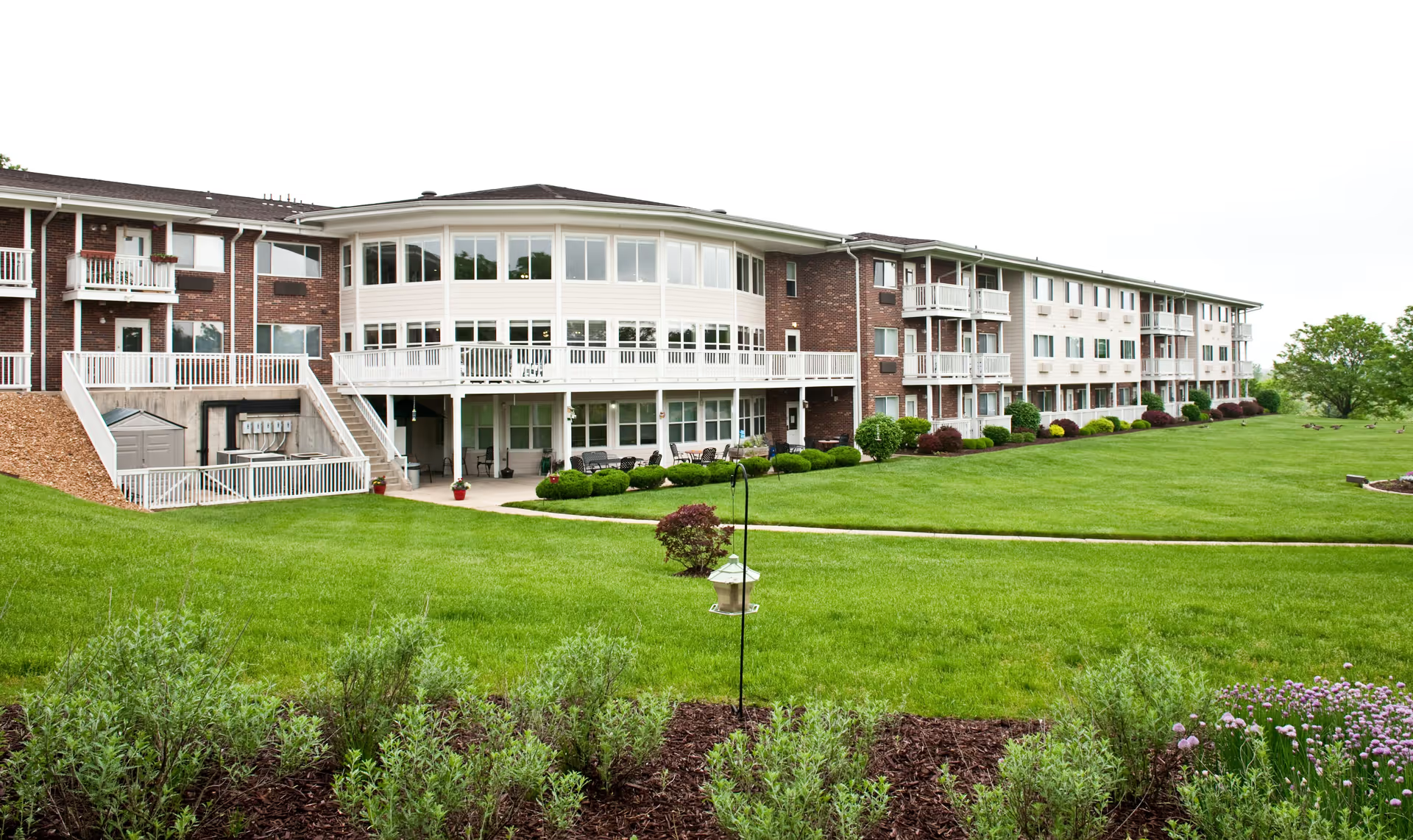
Facility condition and operations show a split as well: reviewers mention pleasant grounds, renovations, and comfortable rooms alongside sanitation and odor concerns in parts of the building, pest-control issues, and aging infrastructure with smaller room footprints. Operational lapses such as missing laundry, valuables-management problems, and uneven front-desk logistics (e.g., visitor access signage) were raised as quality-of-life and trust issues. On leadership, there are indications of recent ownership and administrative change including a closure/transfer event; some accounts describe experienced new clinical and administrative leadership and active renovations, while others describe inconsistent administrative communication and poor incident follow-up.
Overall pattern and guidance: the facility demonstrates meaningful strengths in caregiving, activities, and kitchen/therapy teams, but recurring patterns around staffing reliability, medication controls, sanitation/pest control, and administrative communication create variability in the resident experience. For prospective residents and families, an in-person visit and focused questions are advisable: ask for unit-specific staffing ratios and after-hours response protocols, review medication-administration and incident-communication processes, verify dietary accommodation procedures for clinical conditions, inspect specific rooms and common areas for cleanliness and pest-control status, and request recent staffing and ownership/leadership timelines. These targeted inquiries will help determine whether the facility’s positive elements align with an individual resident’s clinical and safety needs.