Delmar Gardens North elicits strongly mixed impressions. Many families and residents describe effective short-term rehabilitation, a robust therapy team, and measurable clinical gains such as restored mobility and improved diabetes control. The facility offers a range of amenities — including salon/barber services, indoor and outdoor pools, and a large footprint with roomy common areas — and some reviewers praised appealing meals and an active calendar of field trips and events. Several accounts also highlight compassionate, family-like relationships between specific staff members and residents, and positive hospice and end-of-life support in certain cases.
Counterbalancing these positive elements are persistent operational concerns. Staffing levels and coverage are a recurring theme: reviewers describe delayed responses to call lights, uneven assistance with bathing and toileting, and periods when residents waited for basic care. Those patterns coincide with inconsistent delivery of therapies for some residents and gaps in medication administration and medication-control processes. Communication from management and clinical staff is uneven — while some families experienced clear, timely updates, others reported delays or lack of notification about clinical incidents and care-plan changes.
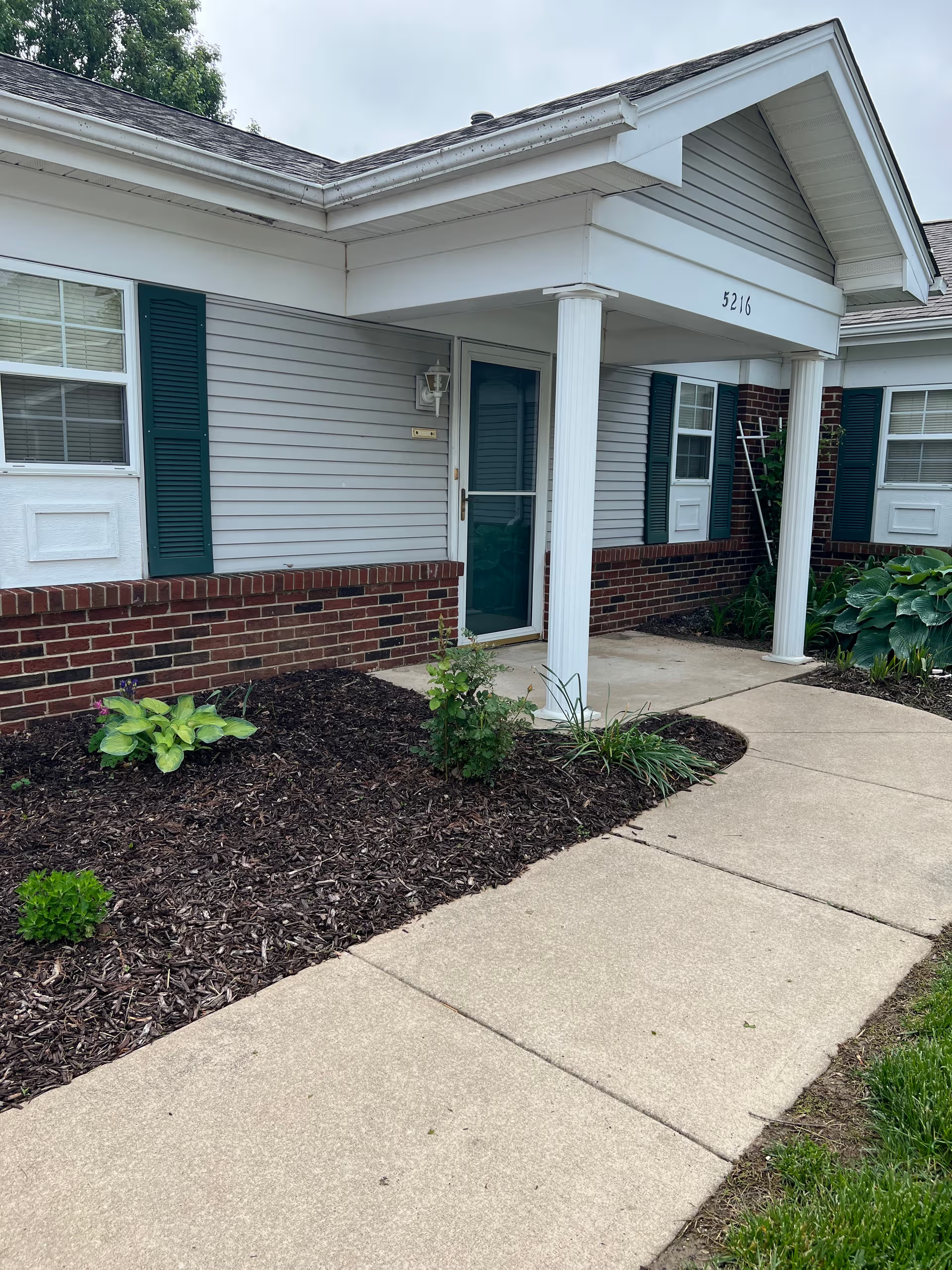
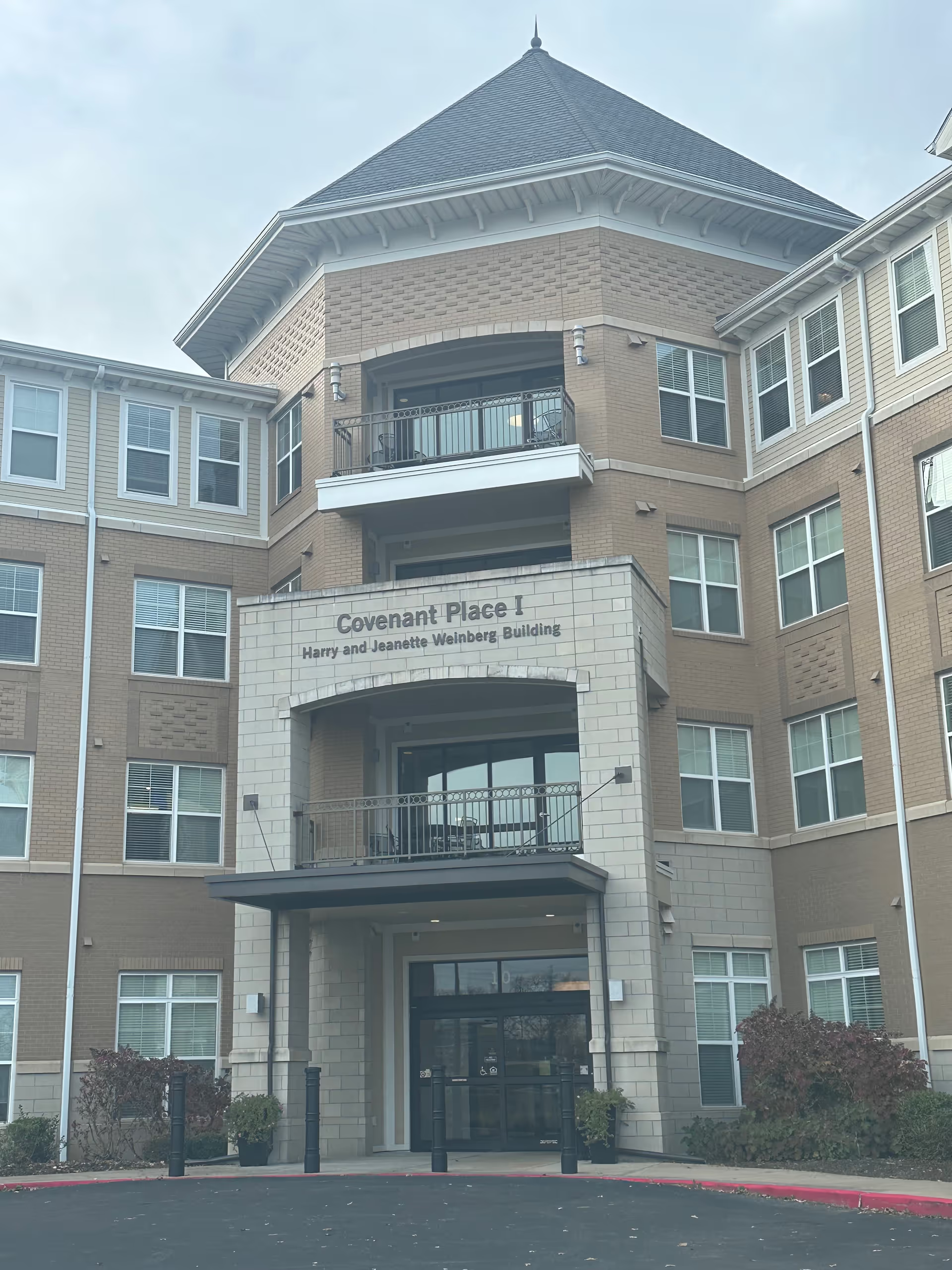
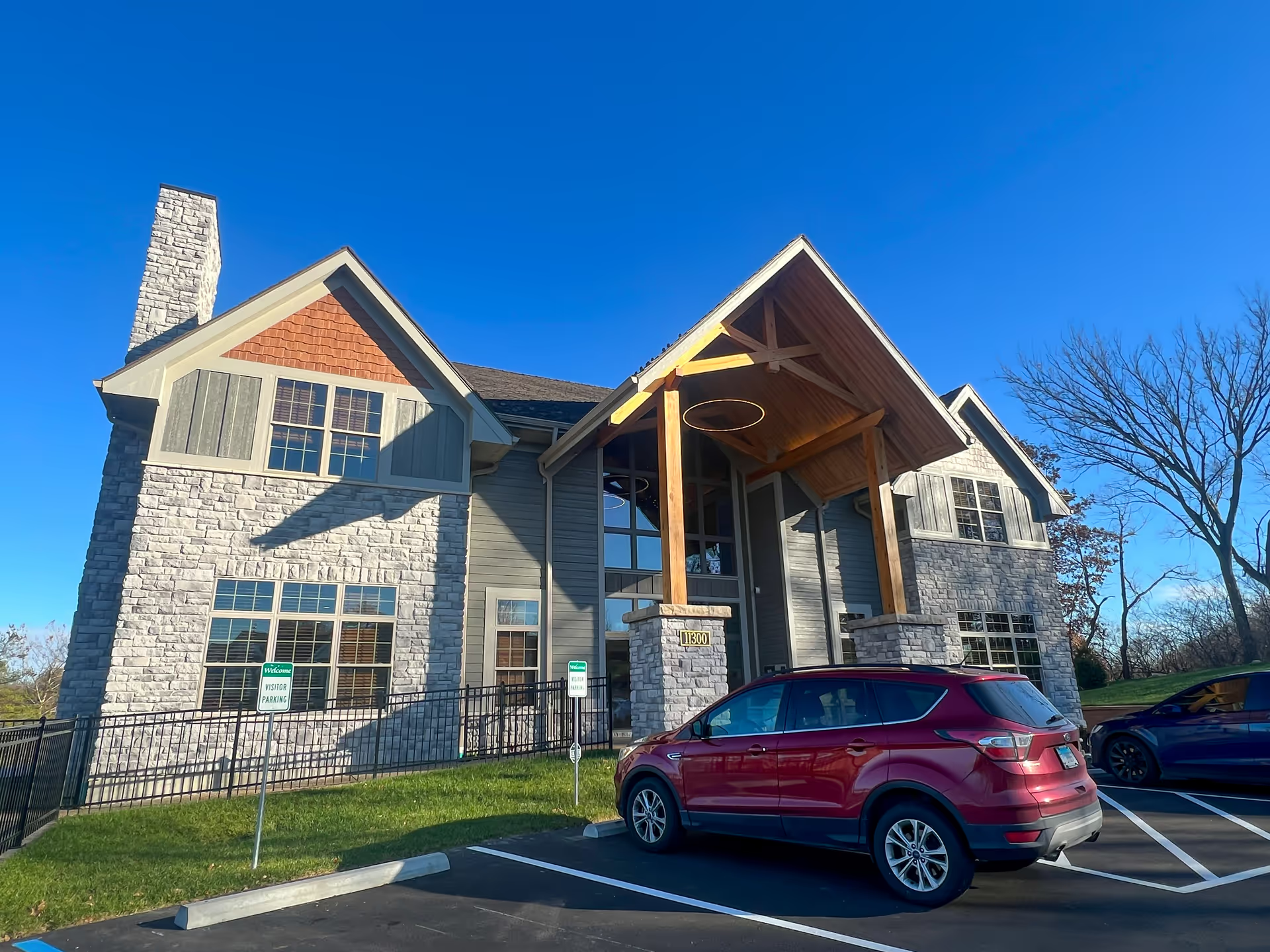
Facility presentation and amenities often contrast with bedside care. The exterior and common areas are frequently described as clean and well-kept, but several reviewers raised sanitation and odor-control concerns in particular units and noted pest-control issues in isolated reports. Room-level problems were described as inadequate furnishings, loose rugs or low lighting that may increase fall risk, and variability in room readiness. Safety practices related to transfers and mobility assistance were highlighted as an operational weakness when falls or unassisted transfers occurred.
Management and operational processes show variability. Concerns include staff turnover, uneven staff training and credentialing, and inconsistent follow-through from admissions and administrative staff. Some families noted satisfactory intake and respite experiences; others cited unresponsiveness, broken promises (for services such as barbers or podiatry), and perceived high charges relative to the value of care received. A number of reviewers described serious clinical and administrative failures; these underscore the importance of reviewing clinical oversight, medication controls, and financial/administrative safeguards during any evaluation.
Notable pattern: the facility appears capable of delivering strong rehab and clinical outcomes for many residents when staffing, therapy schedules, and communication align, but those positive outcomes are offset by recurrent operational shortcomings — particularly staffing consistency, responsiveness, medication-control processes, and management follow-through. Prospective residents and families should balance the facility’s amenities and documented rehabilitation successes against the variability in day-to-day caregiving. When considering Delmar Gardens North, verify current staffing ratios, ask for written care-plan and medication-administration policies, review infection-control and incident-response procedures, and request recent outcomes data or references specific to the unit a prospective resident would occupy.