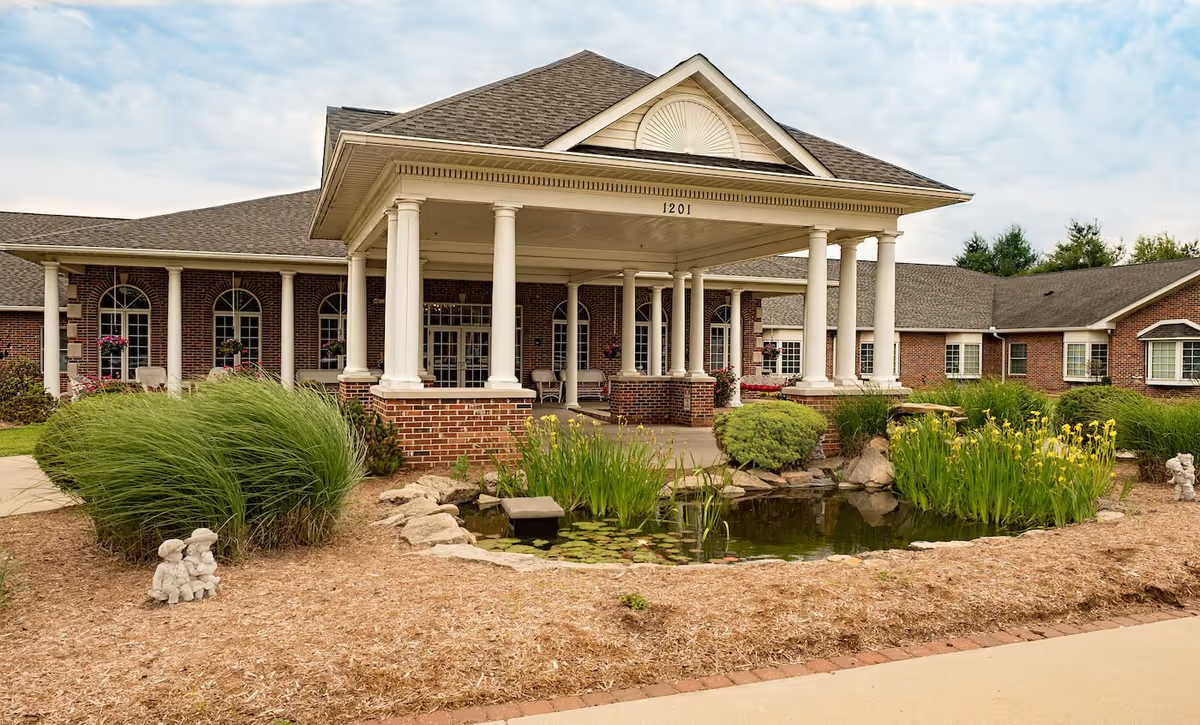
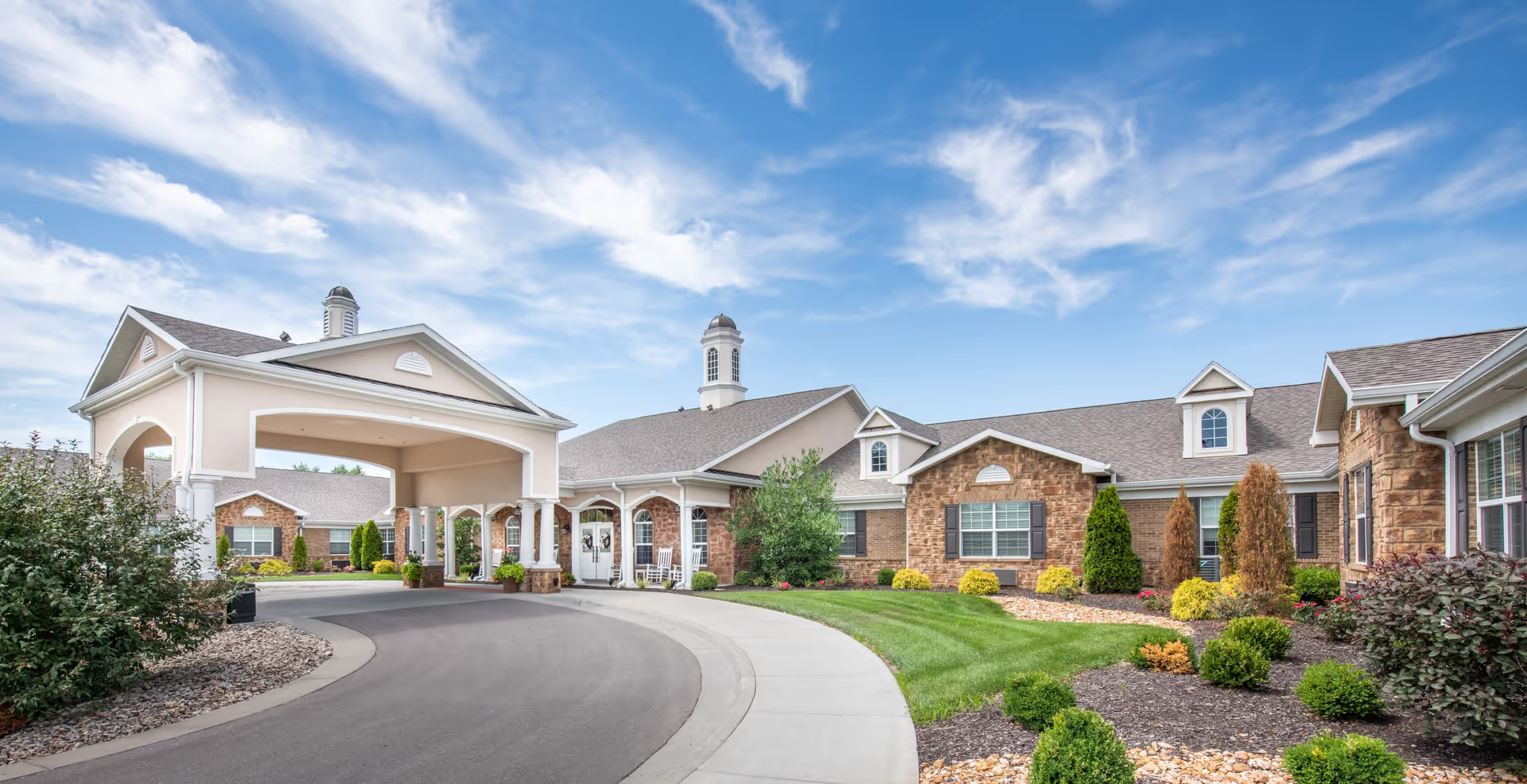
The reviews present a polarized picture of Ignite Medical Resort Blue Springs. Many families describe strong, effective rehabilitation care delivered by conscientious therapists and individual staff members; several accounts note meaningful functional improvement, named staff who provided attentive service, and a clean, modern environment with amenities such as an on-site coffee shop and an outdoor courtyard. Rooms are frequently described as spacious and housekeeping is often noted as reliable, and the facility's proximity to local physicians and family was a consistent convenience cited by reviewers.
At the same time, there are persistent operational concerns that recur across reviews. The most common themes relate to inconsistent responsiveness to call lights and delays in attending to residents, particularly on nights and weekends. Reviewers described problems with incontinence-care timing and inconsistent hygiene assistance, as well as instances of food trays being incomplete or missed. Several accounts noted odor concerns in hallways and rooms and uneven cleanliness standards, suggesting gaps in routine sanitation practices and oversight.
Clinical communication and care coordination also emerge as weaknesses. Families reported inconsistent notification of lab results, difficulty obtaining vaccination access, and delays or uncertainty in arranging emergency transport. A subset of reviewers described variable rehabilitation outcomes for complex conditions such as stroke, indicating that therapy effectiveness may depend on individual therapist assignment and care-plan consistency. Additional operational concerns include perceived understaffing after hours, questions about admissions transparency, and at least one allegation of resident property loss, all of which point to areas where management systems and policies may need strengthening.
Dining and activities paint a mixed picture: some stays included very good meals and an active engagement calendar (bingo, dominoes, live music, parlor day), while others described poor meal experiences and activities that were not age-appropriate. Staffing culture likewise varied by shift and individual — some staff members and therapists were praised for compassion and skill, whereas other interactions were described as discourteous or disengaged.
For prospective residents and families, the pattern suggests that outcomes at this facility may depend heavily on timing, staffing levels, and specific caregiver assignments. Key topics to address on a tour or during admissions conversations include staffing ratios (especially nights/weekends), protocols for call-light response, incontinence and bathing schedules, meal-service continuity, property-security policies, emergency-transport procedures, and how clinical results and care-plan changes are communicated to families. Observing mealtime, visiting during different shifts, and requesting examples of rehabilitation outcomes for conditions similar to the prospective resident’s needs may help set expectations and identify whether the facility’s strengths align with the resident’s priorities.