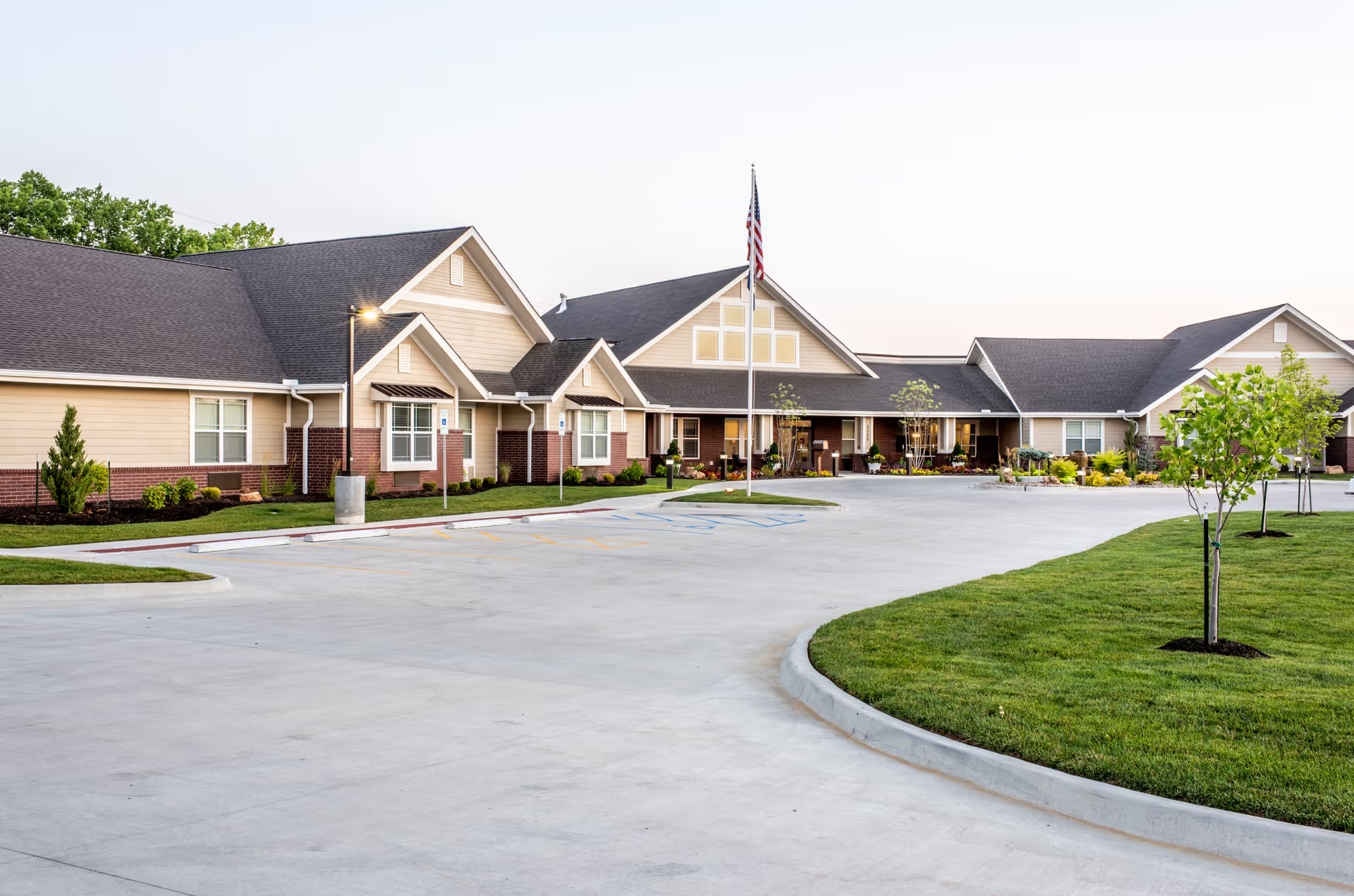
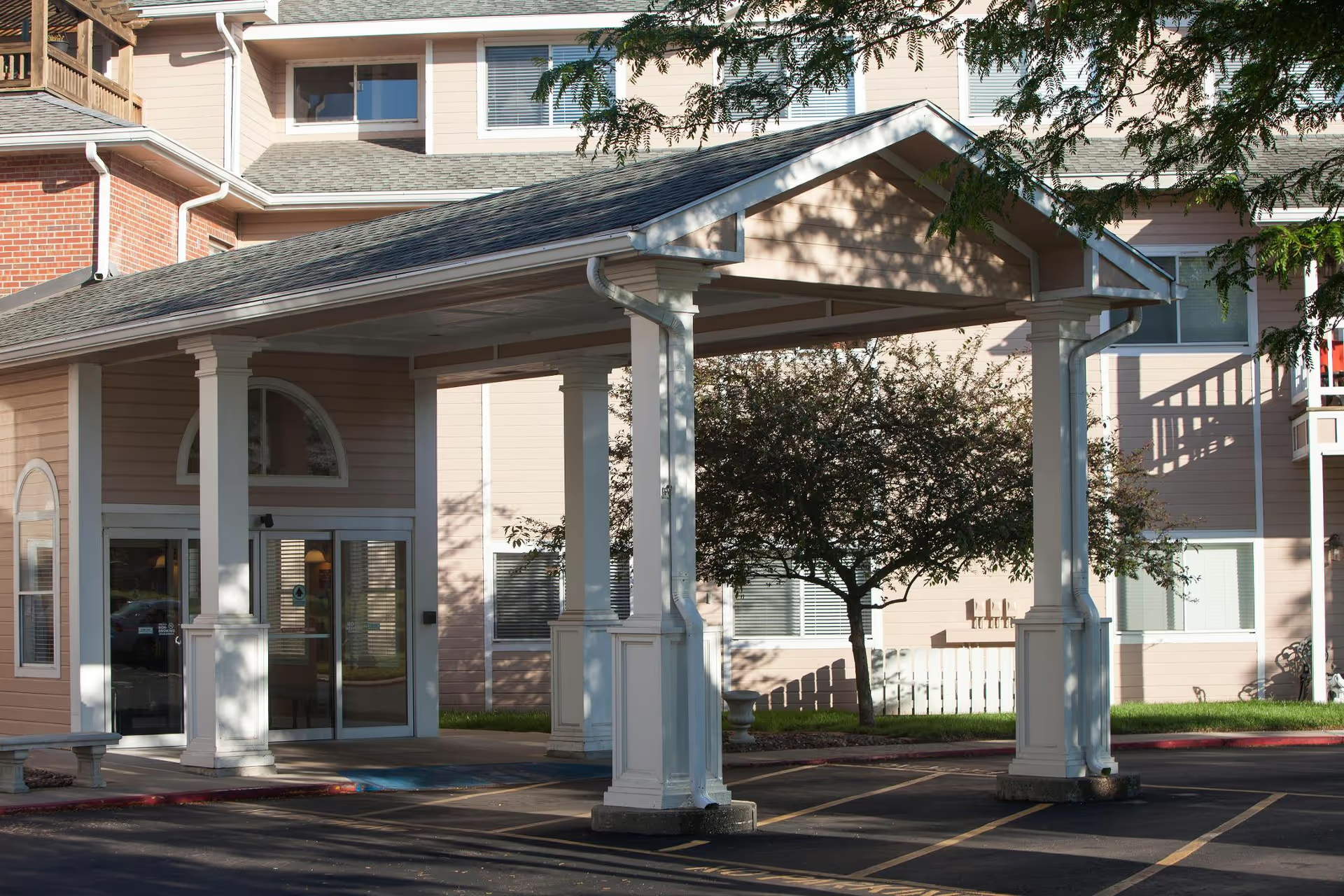
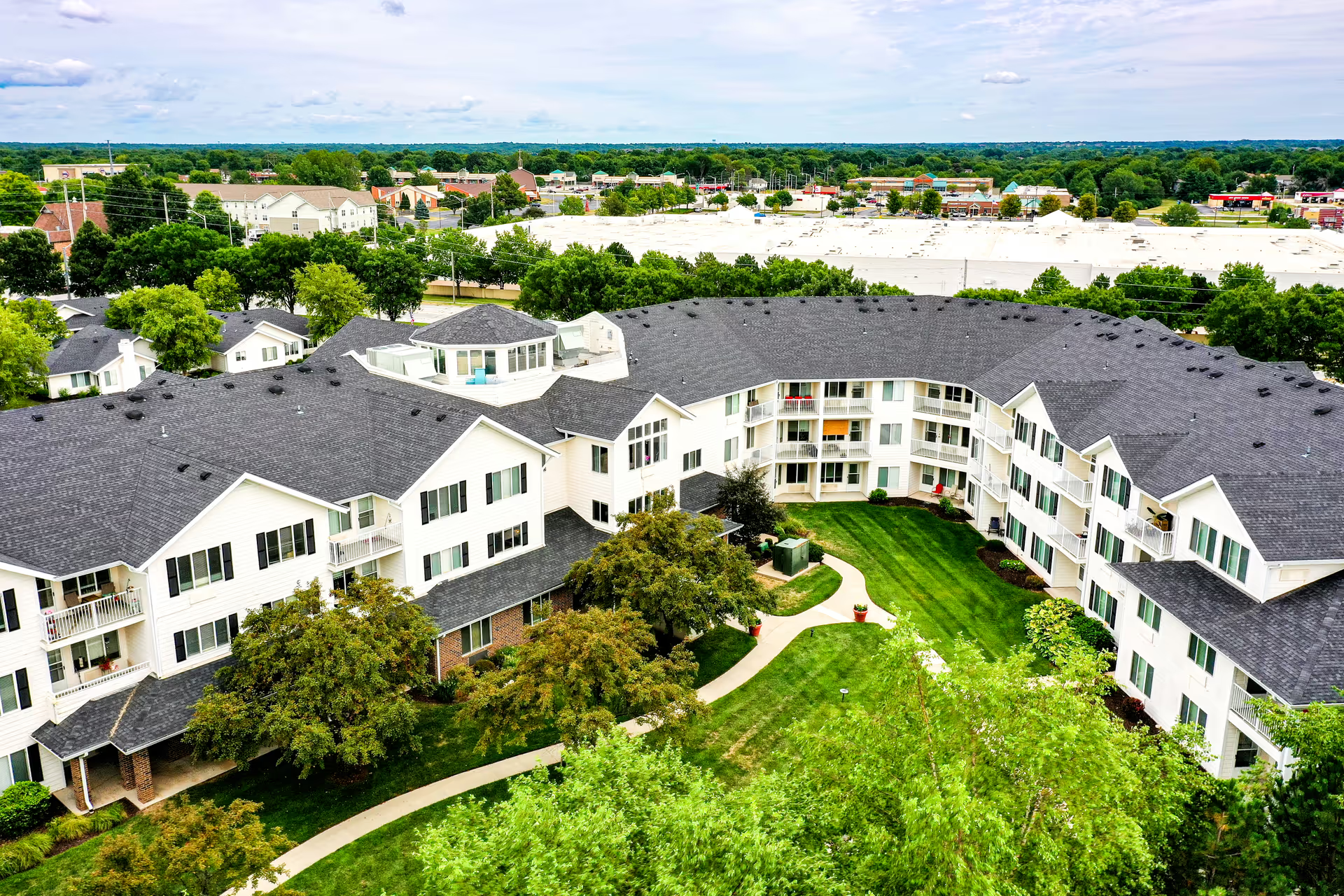
Reviews of Tranquil Grove at Rotary Park present a mixed picture. Positive comments emphasize a small, homelike environment, personable staff, and pleasant outdoor spaces. Several families described staff as helpful and kind, visitors as welcome, and the community as cozy with a yard and park view. Dining and support services such as on-site laundry were noted favorably, and reviewers frequently mentioned engaging activities and a family-like atmosphere; one review specifically identified the facility as a female-only option, which appeals to some prospective residents.
Care quality descriptions vary across accounts. Many reviewers praised day-to-day caregiving interactions and social programming, but a subset raised substantive concerns about the facility’s ability to manage higher-acuity needs—most notably dementia care. Examples include abrupt room relocations carried out for perceived safety reasons and statements that cognitive-care needs exceeded the setting’s capabilities. These comments suggest the facility may be better suited to residents with lower to moderate care needs rather than advanced memory impairment.
Facility condition and safety were recurring themes. Positive notes about the attractive yard and bird feeders sit alongside reports of cosmetic and structural issues within the building, which reviewers characterized as run-down in places (one cited a cracked ceiling). Several reviews referenced safety concerns and two referenced resident deaths; those comments focused attention on how the community responds to serious incidents and how those incidents are communicated to families. Taken together, the accounts indicate variability in maintenance, upkeep, and environmental consistency.
Management and operational practices were another area of divergence. Some reviewers described accommodating staff and a family feel, while others raised concerns about managerial communication, transparency, and the timeliness of incident response. There are also allegations suggesting serious misconduct and attempts to conceal incidents; these are significant and warrant direct follow-up by prospective families and regulators. More broadly, reviewers pointed to gaps in incident-response procedures and family communication after clinical events.
What emerges is a polarized pattern: families who prioritize a small, homey setting with engaging activities and attentive frontline staff may find Tranquil Grove appealing, while families with residents who require advanced clinical oversight or specialized dementia care should exercise caution. Prospective residents and their representatives should tour the community, ask specific questions about dementia-care capacity, staffing ratios, incident-reporting and follow-up procedures, maintenance schedules, and recent regulatory or inspection history. Where possible, speak with current families about recent experiences and request documentation of how the community handles clinical incidents and family notifications.