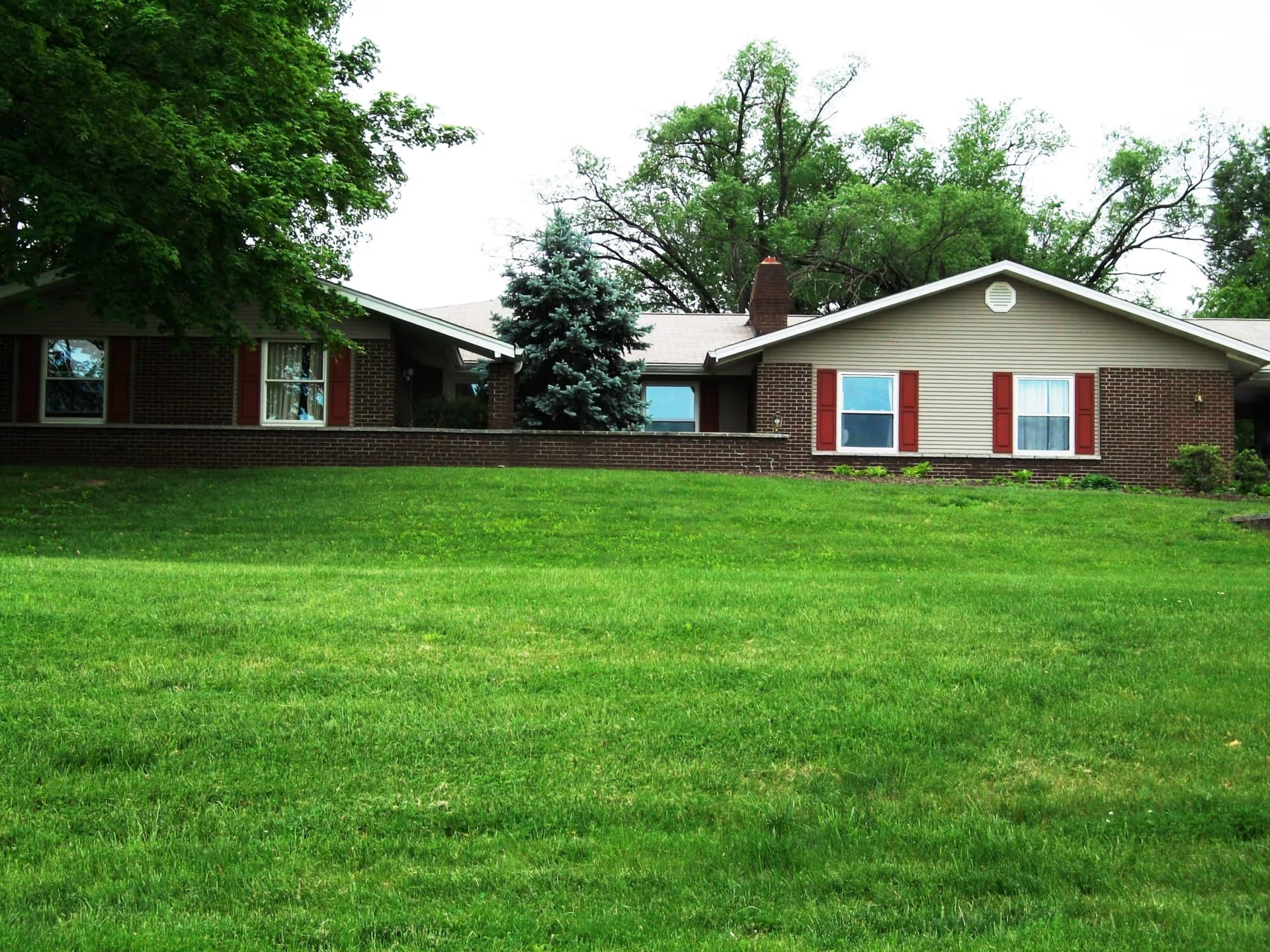
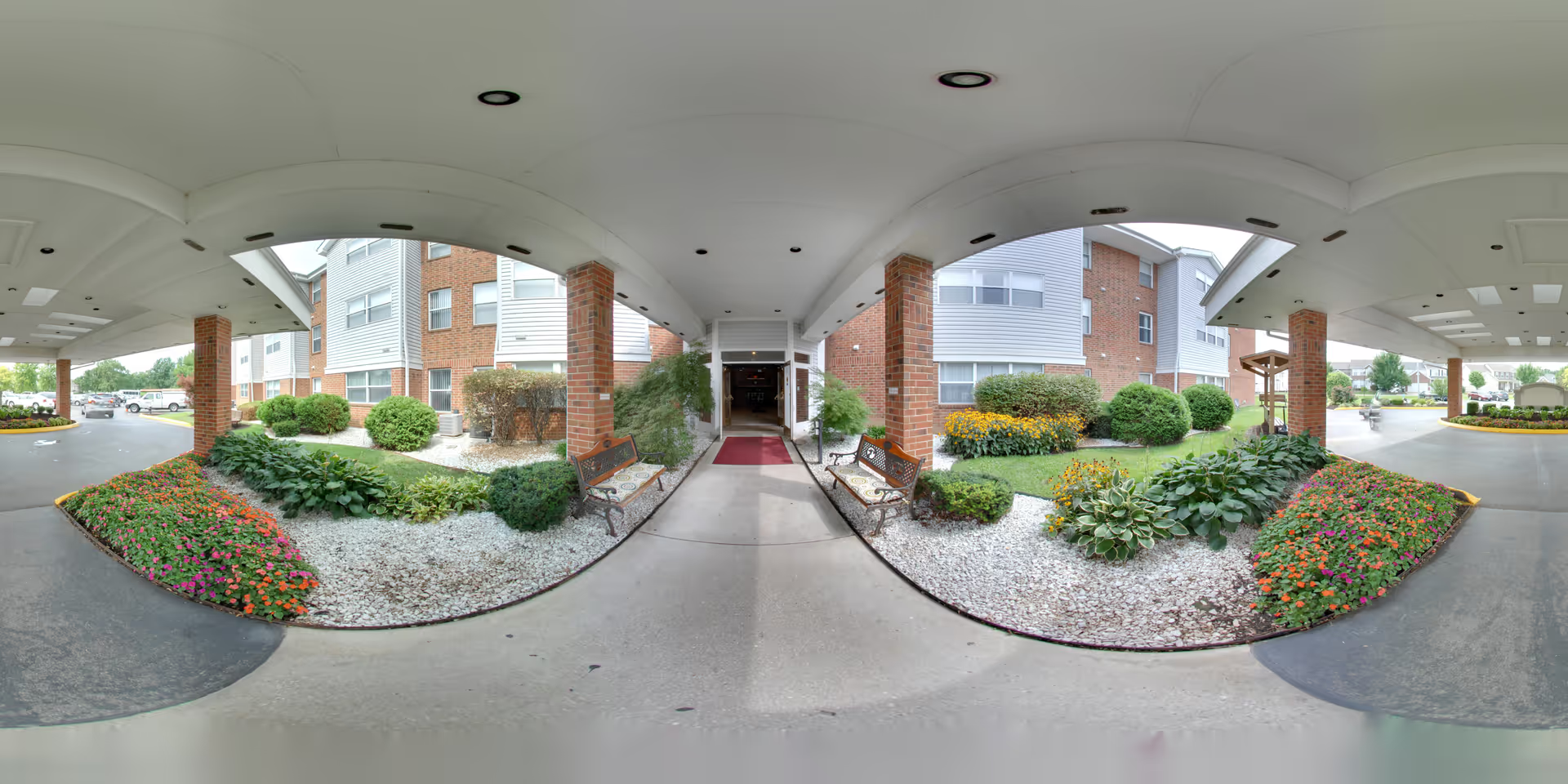
Reviews of St. Andrew's Assisted Living of Bridgeton present a mixed but consistent pattern: many families describe a small, home-like setting with attentive, compassionate staff and spacious apartment-style rooms, while others raise substantive operational concerns. The facility's scale (approximately 30 apartments, single-floor layout) supports personalized attention and easy access to the dining room and outdoor courtyard. Noted strengths include pet-friendly policies, furnished-or-unfurnished unit options, private bathrooms with walk-in showers, on-site therapy and periodic physician visits, and an all-inclusive cost model with no community fee — factors that make it a budget-friendly choice for some families.
Care and staffing are a central dividing point. Numerous accounts praise caregivers and day-shift staff for responsiveness, frequent check-ins, quick maintenance response, and a warm, reassuring approach that helped residents settle. However, other accounts describe inconsistent staff conduct, variability in responsiveness, and concerns about tone and communication. There are patterns of communication gaps at shift change and between staff and families; prospective families should clarify handoff procedures and family-notification protocols during a tour. A small number of reviews raise serious care-related concerns, including medication-administration lapses and questions about whether some residents require a higher level of clinical care than the community is structured to provide.
Dining and food service draw mixed reactions. Positive comments note meals that some residents enjoy, flexible options like breakfast-for-lunch, and a short walk to the dining room. Contrasting reports describe uneven food quality and operational disruptions tied to kitchen equipment reliability. The combination of positive and negative comments suggests meal service can be satisfactory at times but may lack consistent quality control; prospective families should ask about kitchen maintenance schedules and sample meals when visiting.
Activity programming and social engagement show both strengths and weaknesses. The community offers a variety of activities — crafts, bingo, movie nights, trips, library use, and therapy-led exercises — and several reviewers credit these programs with improving resident adjustment. At the same time, other reviewers find activity schedules to be thin or occasionally performed for appearance rather than sustained engagement. Families should request a current monthly activity calendar and speak with the activity coordinator about routine participation levels.
Facility condition is similarly mixed. Many reviewers call the building clean, well-maintained, and cozy; others note sanitation and odor concerns in some common areas, inconsistent housekeeping, and evidence of a budget-oriented renovation rather than full modernization. Equipment failures in the kitchen and intermittent cleanliness issues were mentioned; these indicate capital and operations gaps that may affect day-to-day resident experience. Management engagement emerges as an operational theme: reviewers describe both hands-on, helpful leadership and, conversely, gaps in oversight, inconsistent problem resolution, and limited visible engagement from administration.
Notable patterns for prospective families to evaluate in person include medication-management procedures and documentation, privacy and room-access policies (some reviewers described doors being left open), transportation availability for off-site medical appointments, the community's process for assessing resident acuity at admission, and how the facility responds to sanitation or maintenance concerns. There are also isolated—but serious—notions of discriminatory behavior that a family should raise directly during a visit. Because experiences vary considerably, an in-person tour that includes a meal, review of staffing/medication protocols, and conversations with current families and the activity director will provide the clearest sense of fit for an individual resident.