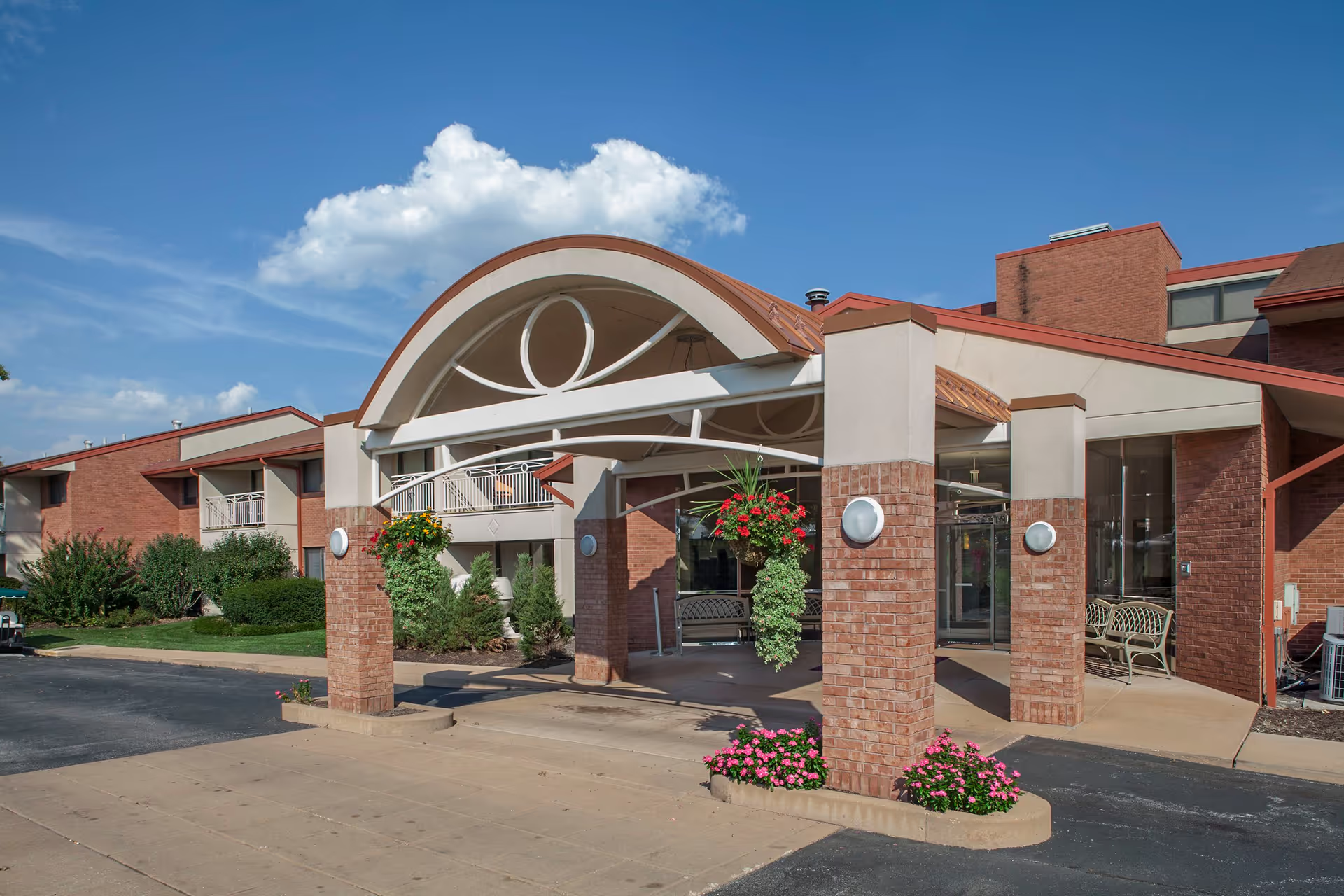
Brooking Park elicits strongly divergent experiences. Many families and residents praise its rehabilitation program, therapists, and a cohort of compassionate long‑tenured caregivers. The campus, following renovations, often receives positive comments for appearance, private rooms with en‑suite baths, a bakery, and restaurant‑style dining that some residents find appealing. Active programming, outdoor courtyard spaces, spiritual services, and attentive housekeeping are recurring strengths; several reviewers described smooth admission or transition experiences and reassuring end‑of‑life support.
At the same time, a consistent pattern of operational weaknesses appears across reviews. Staffing levels are frequently cited as inconsistent, with particular strain overnight and on weekends; that variability correlates with prolonged call‑light response times and delays in attending to toileting, repositioning, and pain management. Reviewers describe uneven clinical performance—ranging from very capable nurses and therapists to staff who lack responsiveness or clinical follow‑through—and instances that point to gaps in medication administration, wound care, and diagnostic follow‑up. These issues cluster into broader concerns about fall‑prevention and transfer‑safety practices, and about timely escalation after an adverse event.
Dining and activities show similar variability. Many residents enjoy the menu variety, baked goods, and dining atmosphere, yet others report meal deliveries that arrive cold or incomplete, mechanical‑soft options perceived as unappetizing, and service interruptions linked to staffing or renovation logistics. The activity program and social offerings are generally well regarded, but availability can be limited outside weekday hours in some cases.
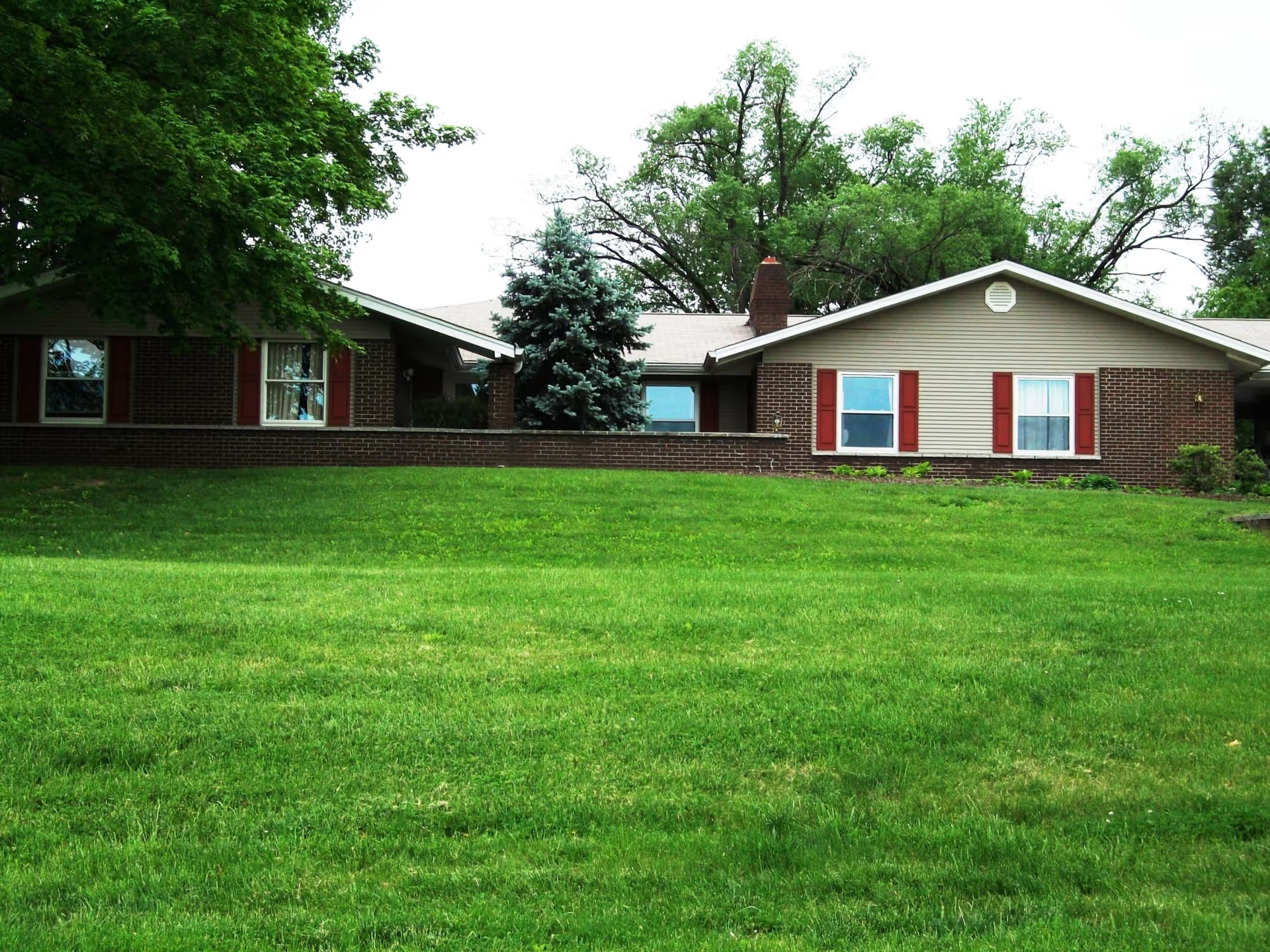
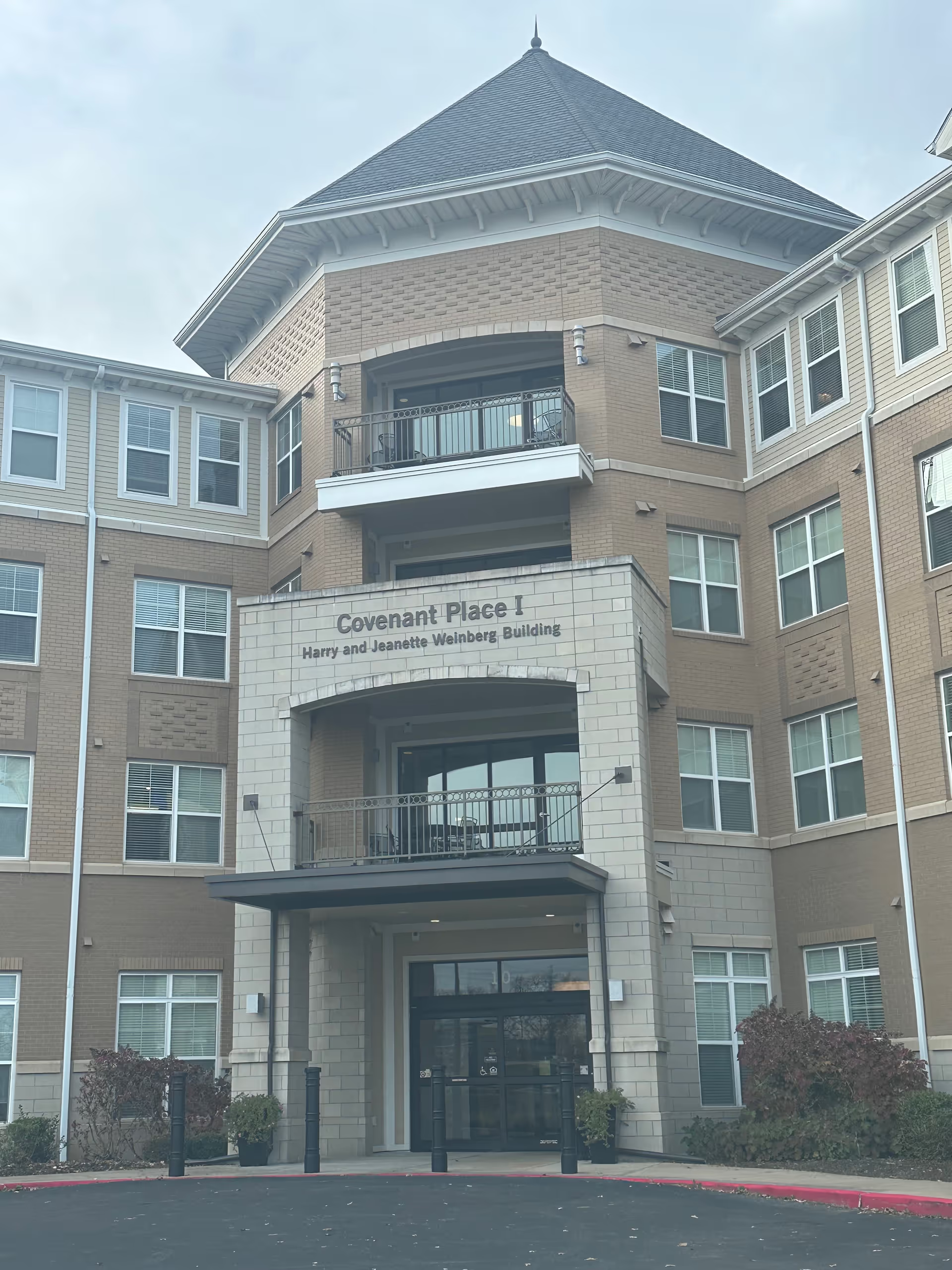
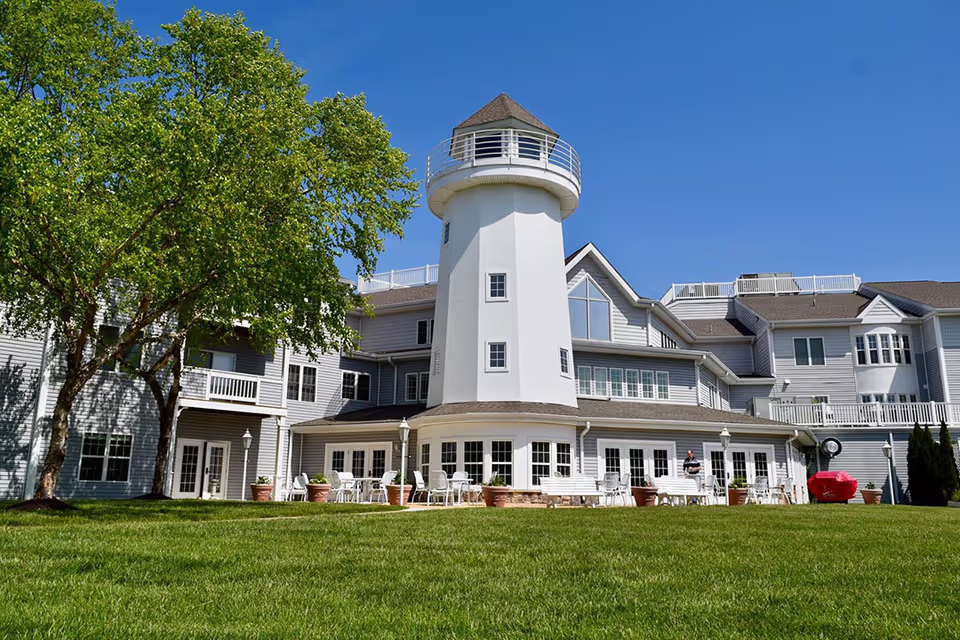
Facility and environmental observations are mixed. The property, common areas, and many rooms are attractive and well maintained; however, renovation work has caused crowding in therapy spaces and created service delays for some. Multiple reviews raise sanitation and pest‑control concerns in specific units and note inconsistent laundry or room‑cleaning practices. Reviewers also mention an overreliance on agency staff that can reduce continuity of care.
Management and communication present a split picture. Several families commend responsive administrators and staff who provide proactive updates and resolve issues. Conversely, other accounts identify delays in callbacks, ineffective case coordination, discharge and transport planning problems, billing or contract inconsistencies, and a perception that marketing promises are not always matched by day‑to‑day operations. Some reviews include more serious allegations—such as theft or discriminatory conduct—which warrant direct inquiry with facility leadership and, if appropriate, regulators.
For prospective residents and families: Brooking Park offers clear strengths in rehabilitation services, campus amenities, and a subset of dedicated staff. Those strengths coexist with operational risks tied to staffing consistency, clinical‑practice variability, and communication lapses. Recommended due diligence includes asking about overnight and weekend staffing ratios, average call‑light response times, medication‑administration safeguards, wound‑care and diagnostic protocols, social‑work roles, pest‑control measures, and recent state inspection results; request written details about billing, contract terms, and weekend therapy/activity availability. Visiting at different times of day and speaking directly with therapy staff and the nursing supervisor can help validate that the facility’s capabilities align with a specific resident’s clinical and social needs.