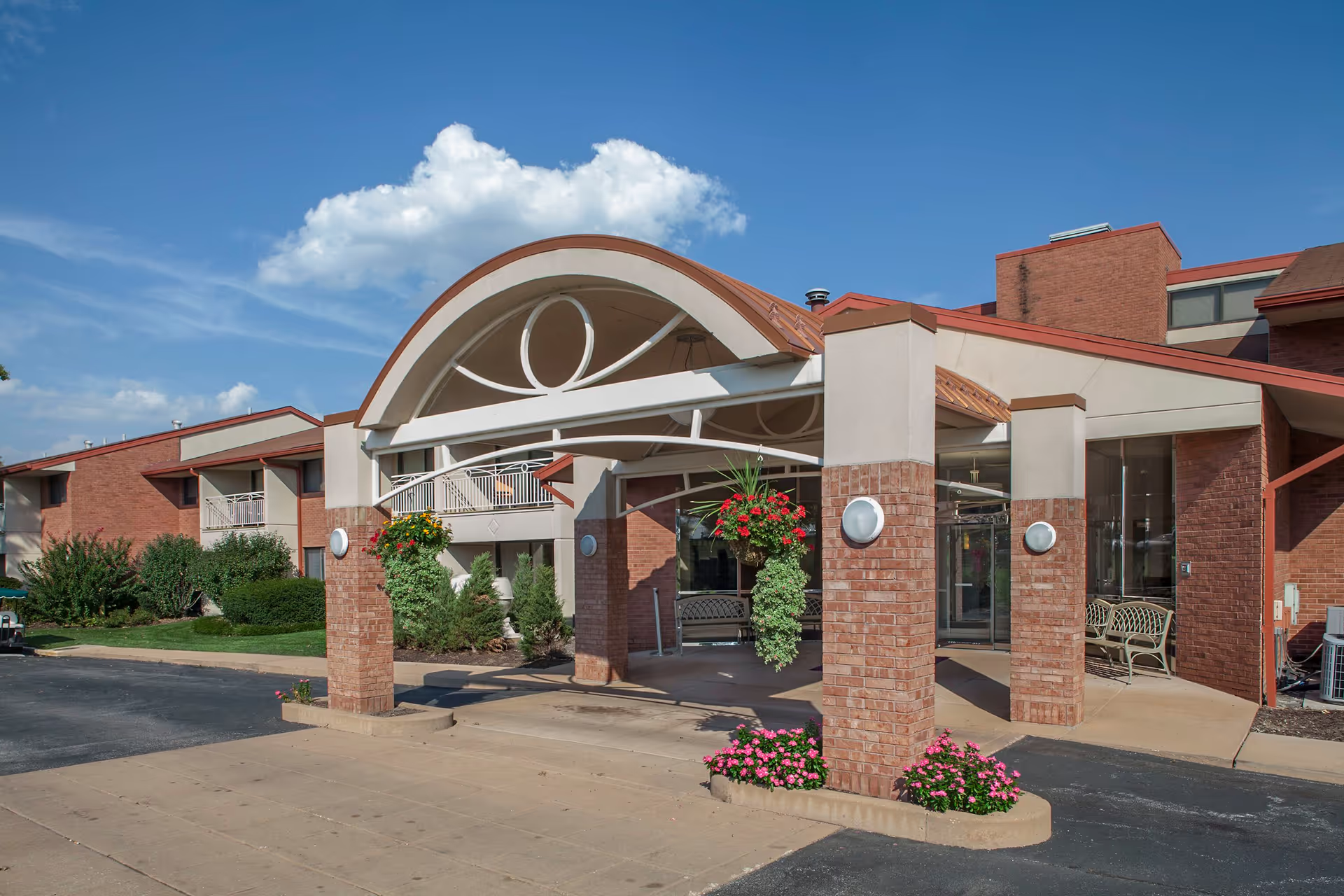
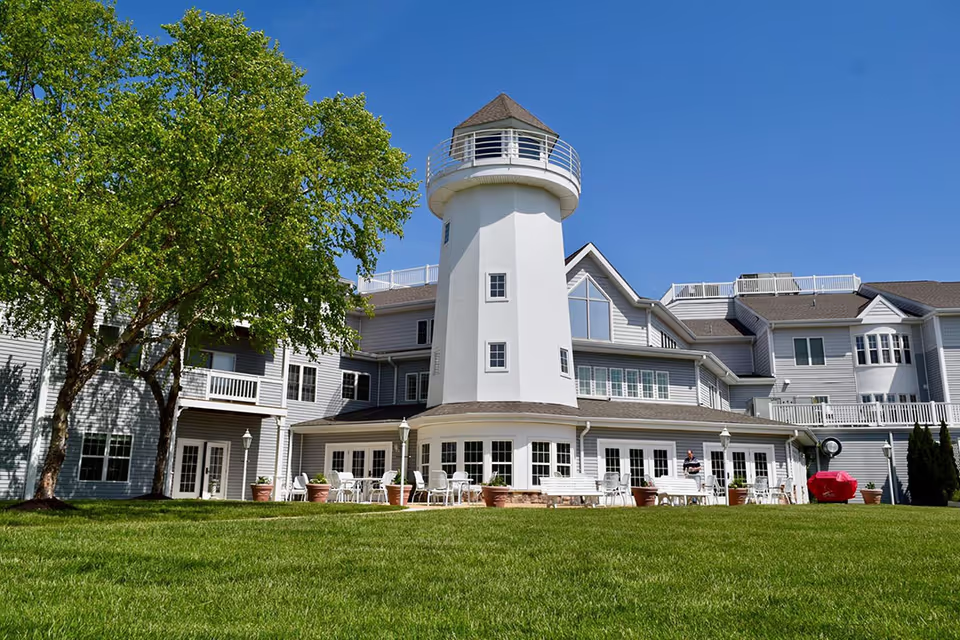
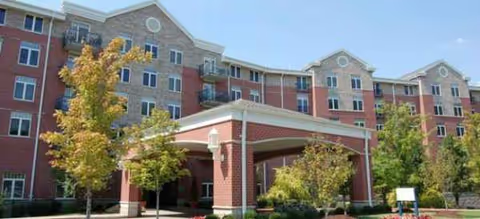
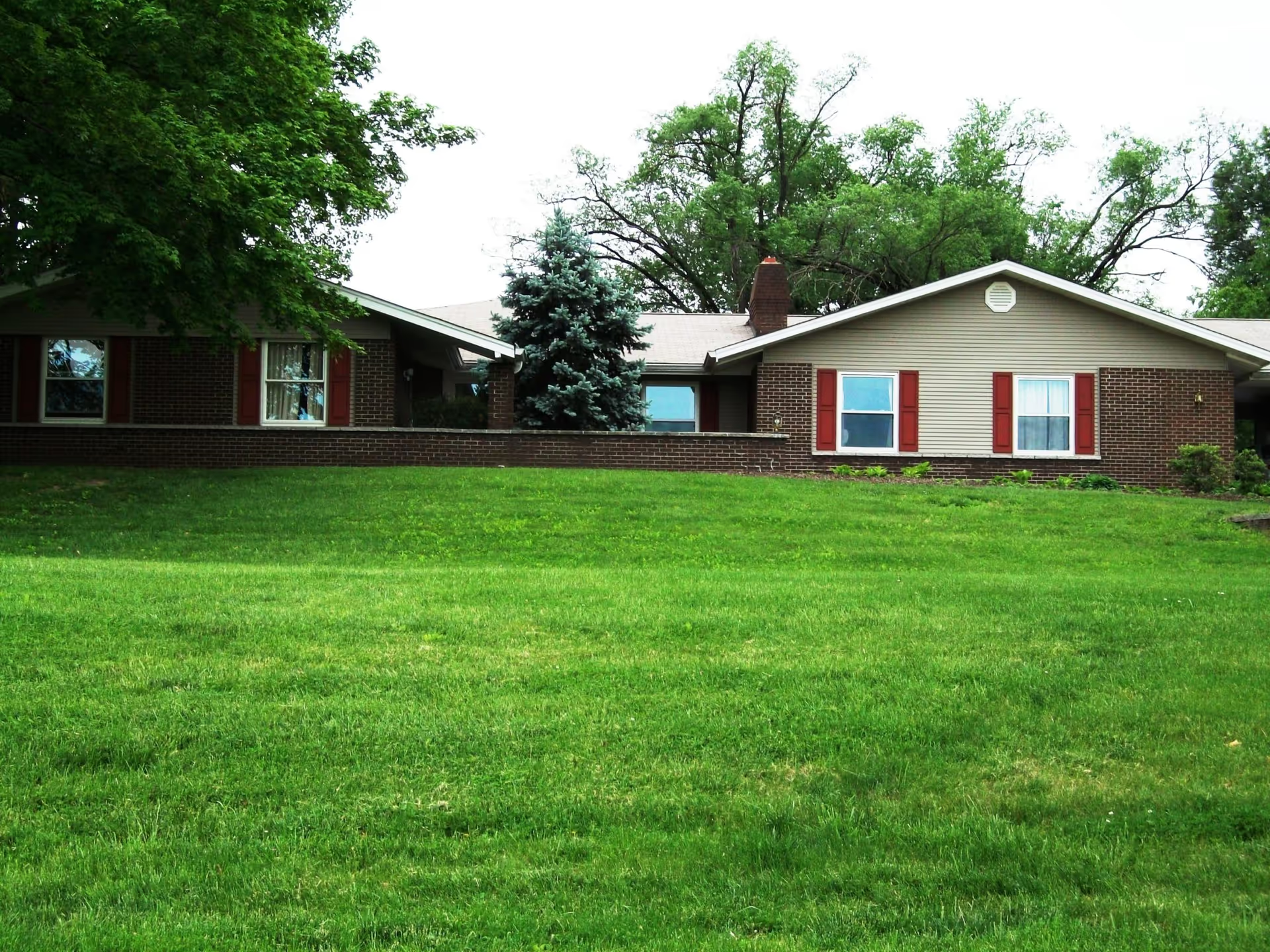
Mari de Villa presents as a well-appointed, family-owned senior living community with extensive campus amenities and a strong emphasis on a home-like environment. The grounds and interiors are frequently described as attractive and well maintained, with villa-style residences, spacious private rooms, walking paths, a pond, pool and fitness facilities. Many accounts highlight a thoughtful move-in/onboarding experience and a campus that supports socializing, outdoor activities and family visits.
Care and clinical services evoke mixed but specific impressions. Numerous families praise attentive caregiving, long-tenured staff, and available therapy services (physical, occupational and speech therapy), as well as hospice and end-of-life support in cases where it was engaged. These reports characterize staff as compassionate, hands-on and willing to go beyond routine duties. Conversely, several accounts describe variability in nursing consistency across units, episodic understaffing (particularly in memory-care areas), and concerns about medication-management and clinical monitoring. Those patterns suggest that clinical quality can depend on unit staffing and the particular care team on duty.
Staffing, training and communication are recurring themes. Strengths include consistent assignments, ownership presence, and a culture many describe as family-oriented and resident-focused. At the same time, there are concerns about aide qualifications and uneven supervisory follow-through. Communication with families and front-desk/staff tone receive mixed feedback: while some families find leadership responsive and hands-on, others cite difficulties getting timely issue resolution and occasional brusque or impatient interactions.
Dining, activities and community life are frequently cited as positives. Reviewers commonly note varied dining choices, themed events, live music, happy hours, excursions and intergenerational programming (petting zoos, outdoor festivities). These offerings contribute to social engagement and resident enjoyment for many residents. Cleanliness and housekeeping are generally described as strong, although perceptions of care quality and responsiveness affect overall satisfaction for some families.
A consistent pattern in the feedback is variability: many residents and families express high satisfaction with the environment, programming and particular caregiving teams, while others experienced lapses in clinical oversight, staffing coverage and administrative communication. Prospective residents and families should weigh the strength of the campus, amenities and family-owned culture against the facility-level concerns about staffing consistency, medication oversight and communication. A focused visit that includes discussion of staffing levels on the relevant unit, medication-management protocols, memory-care staffing ratios and direct conversations with nursing leadership will help clarify how current operational practices match an individual’s care needs and expectations.