The Westchester House elicits a sharply mixed set of impressions. Many families and patients strongly praise the rehabilitation program: physical, occupational, and speech therapists are frequently described as skilled, motivating, and effective at producing measurable short-term gains. Multiple accounts highlight professional rehab coordination, early therapy evaluation on admission, and successful short-term stays where patients improved substantially. Activity programming is also a consistent strength, with organized, varied offerings and active social events noted as contributing positively to residents’ engagement.
Nursing and direct-care staff receive both commendation and criticism. Numerous reviewers describe compassionate, attentive nurses and CNAs who provide respectful, dignified care; these staff members are often credited with enabling good rehab outcomes. At the same time, there is a recurring pattern of inconsistent nursing performance, especially tied to understaffing and frequent turnover. That pattern is linked to delayed responses to call lights, missed or late medication administration, gaps in hygiene and repositioning for bed-bound residents, and variability in competence across shifts.
Dining and housekeeping produce divergent experiences. Housekeeping and common-area cleanliness are cited positively in many reports, and some guests find the dining choices acceptable or even very good. However, an equally strong set of comments documents inconsistent food quality and service continuity: meals served cold, scheduling delays, limited fresh produce or protein quality at times, and concerns about meal presentation. Laundry handling and retrieval of personal garments are also noted as operational problem areas by several families.
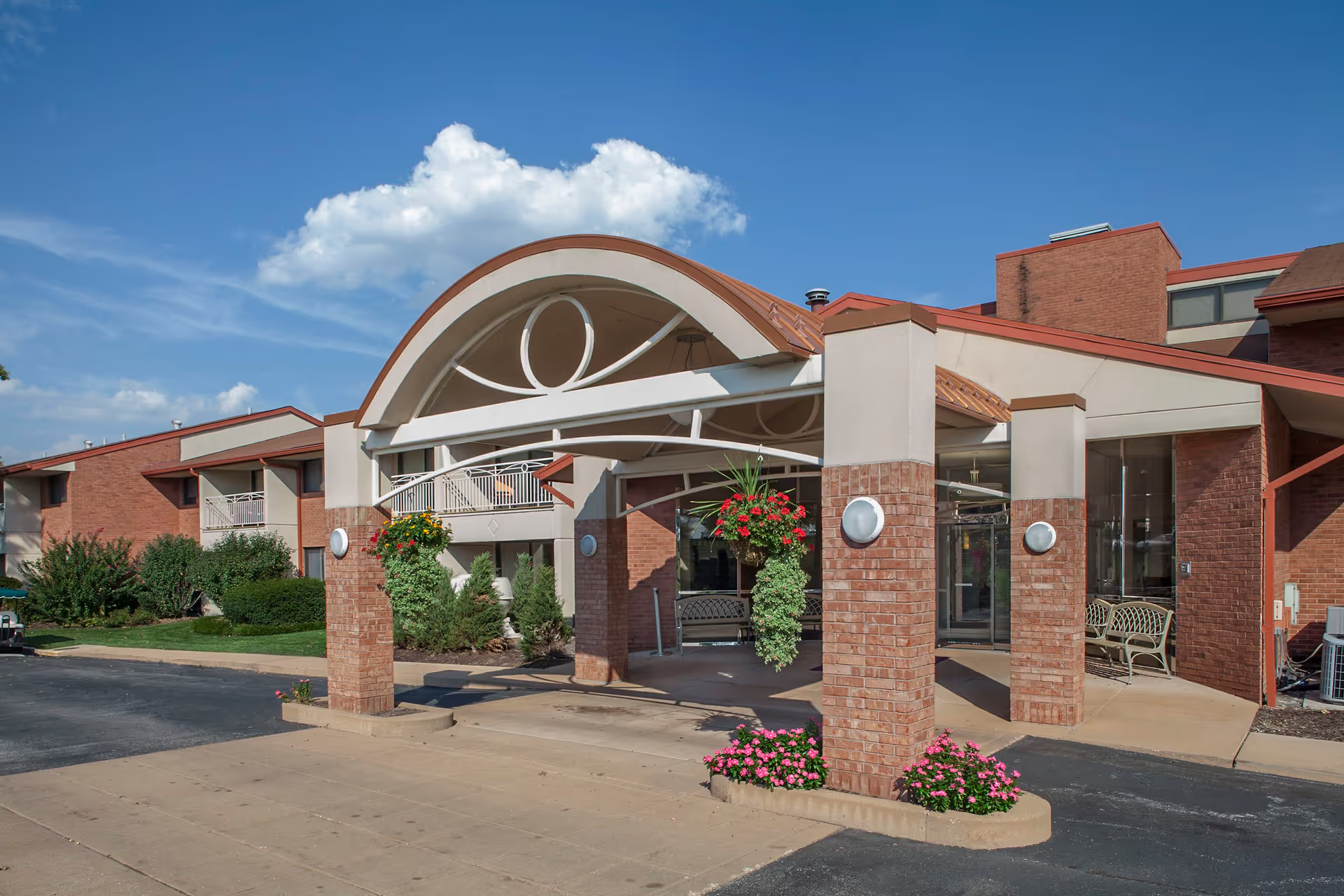
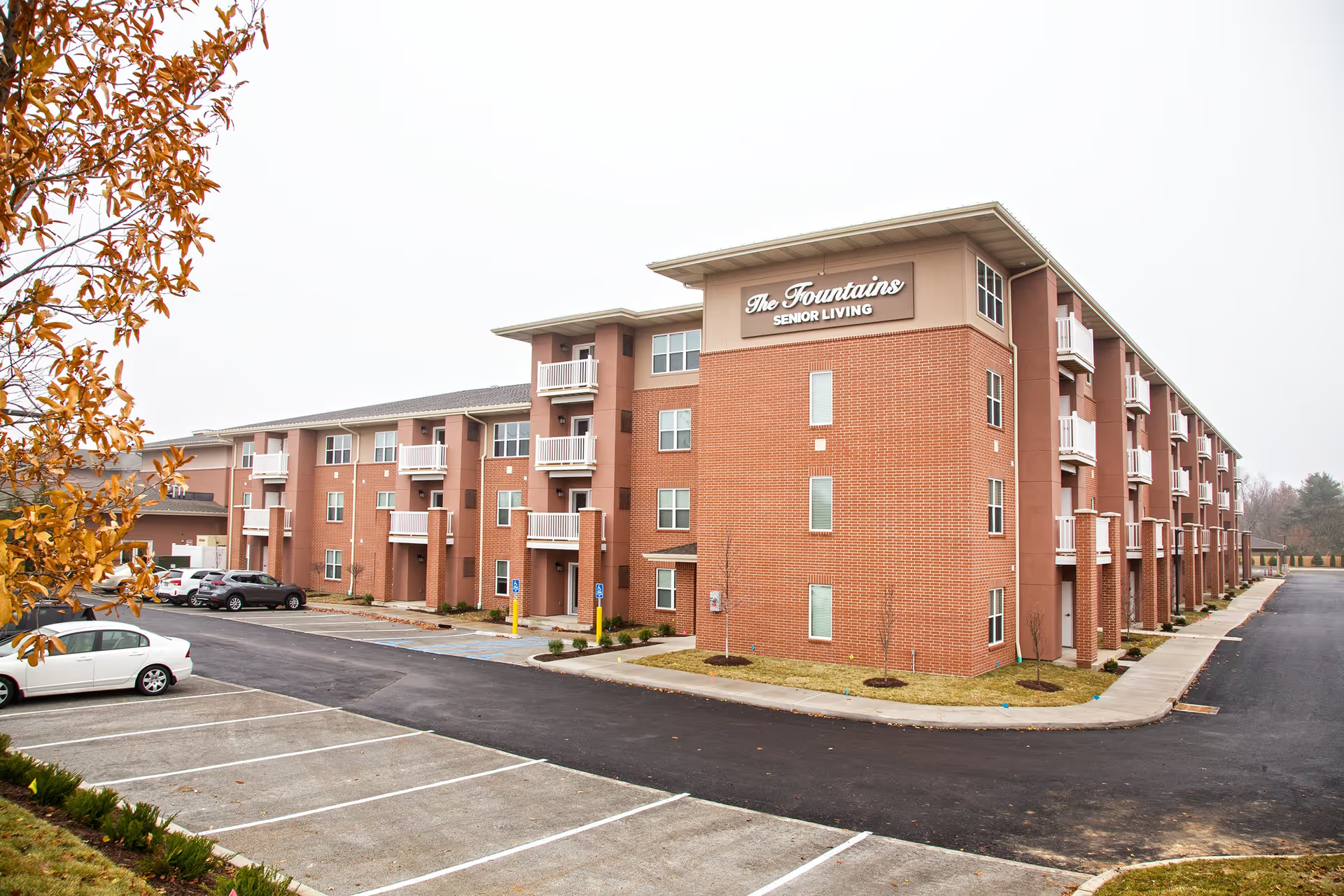
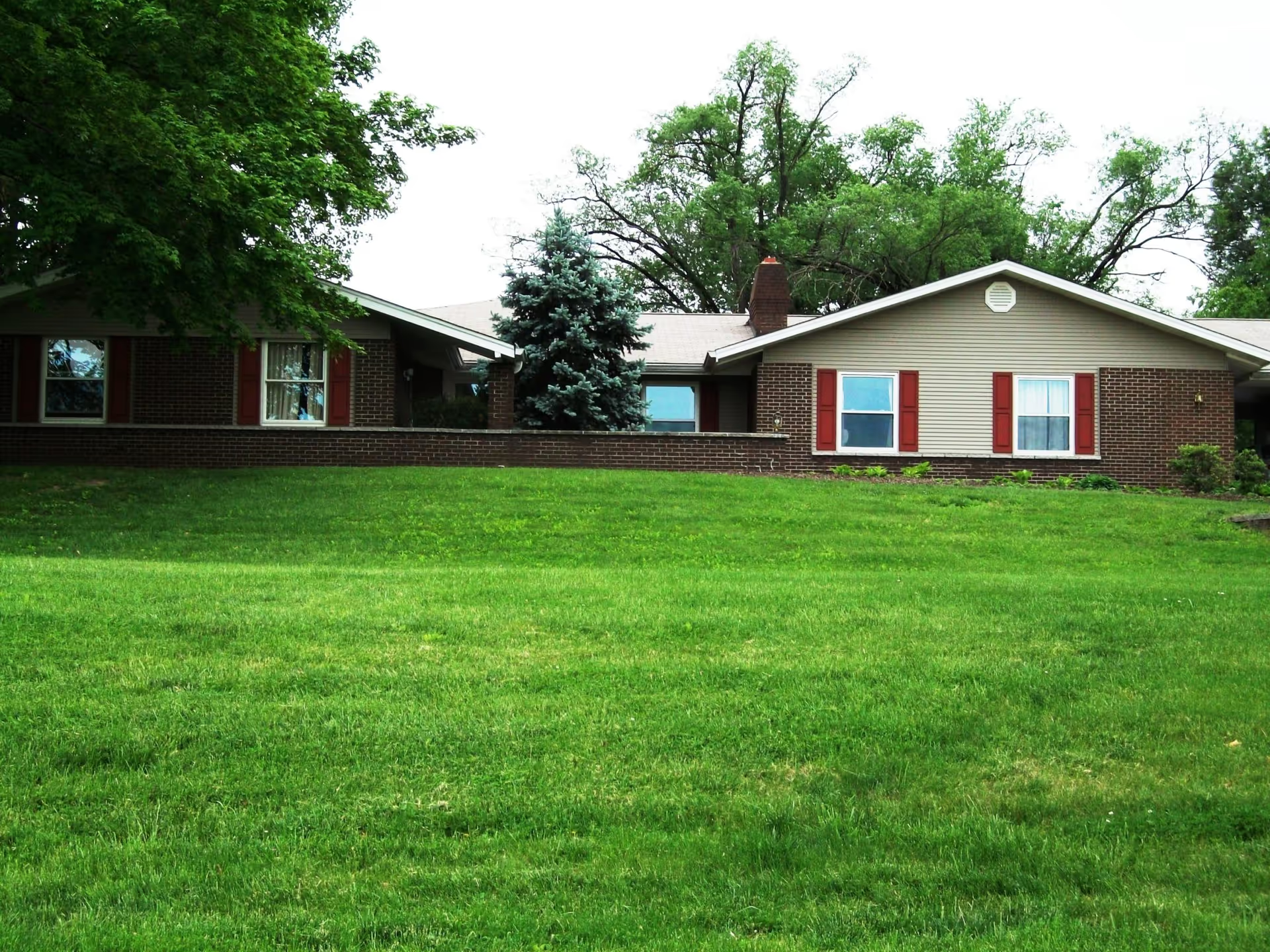
Facility condition and infection-control practices show variability by unit and shift. Some reviewers describe the building as clean and well-kept; others note aging infrastructure issues (drafts, gaps, worn finishes), occasional odor concerns in parts of the facility, and pest-control concerns. Infection-prevention efforts received positive mention during the pandemic by some, but other reports raise worries about inconsistent mask use, hand hygiene, and weekend/night coverage for clinical supervision.
Management, communication, and operational reliability are common themes in the critical accounts. Phone systems and front-desk responsiveness are described as unreliable by multiple families, and there are repeated complaints about slow or unsatisfactory administrative follow-up on concerns (including billing and discharge coordination). Night and weekend staffing levels and training emerge as particular weak points. There are also isolated, serious allegations—including theft and other misconduct—that prospective families should verify through objective channels such as inspection reports and state records.
Taken together, the pattern suggests a facility with clear clinical strengths — notably its rehabilitation therapists and several dedicated caregivers — but operational fragility in staffing, medication and meal consistency, maintenance, and after-hours coverage. Prospective residents and families would benefit from an on-site tour that inspects the specific unit of placement, direct questions about current staffing ratios (including night/weekend coverage), medication-administration and pharmacy procedures, laundry turnaround, and recent state inspection results. Asking to speak with the rehab team, visiting during an activity or mealtime, and requesting documentation of any recent management changes can help clarify whether the strengths or the operational risks will be most relevant to an individual’s planned stay.