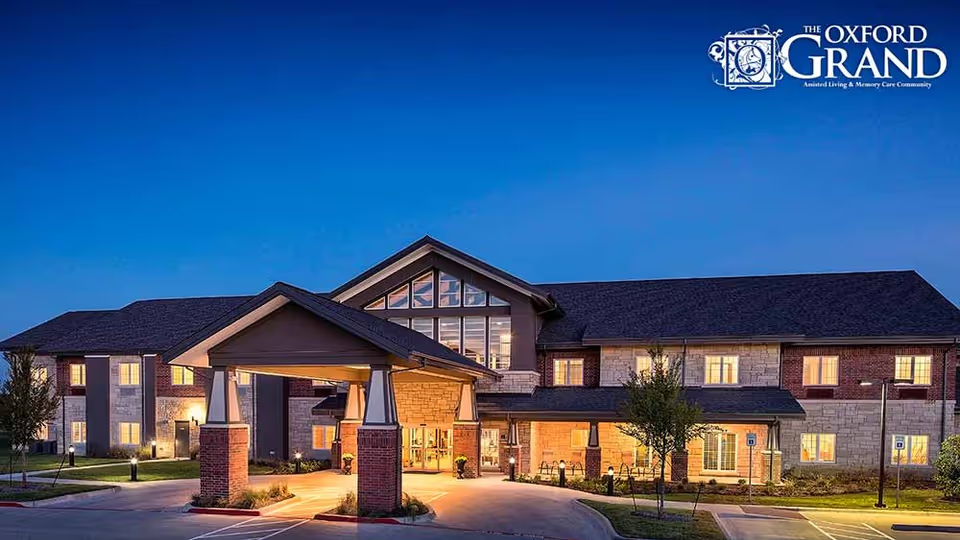
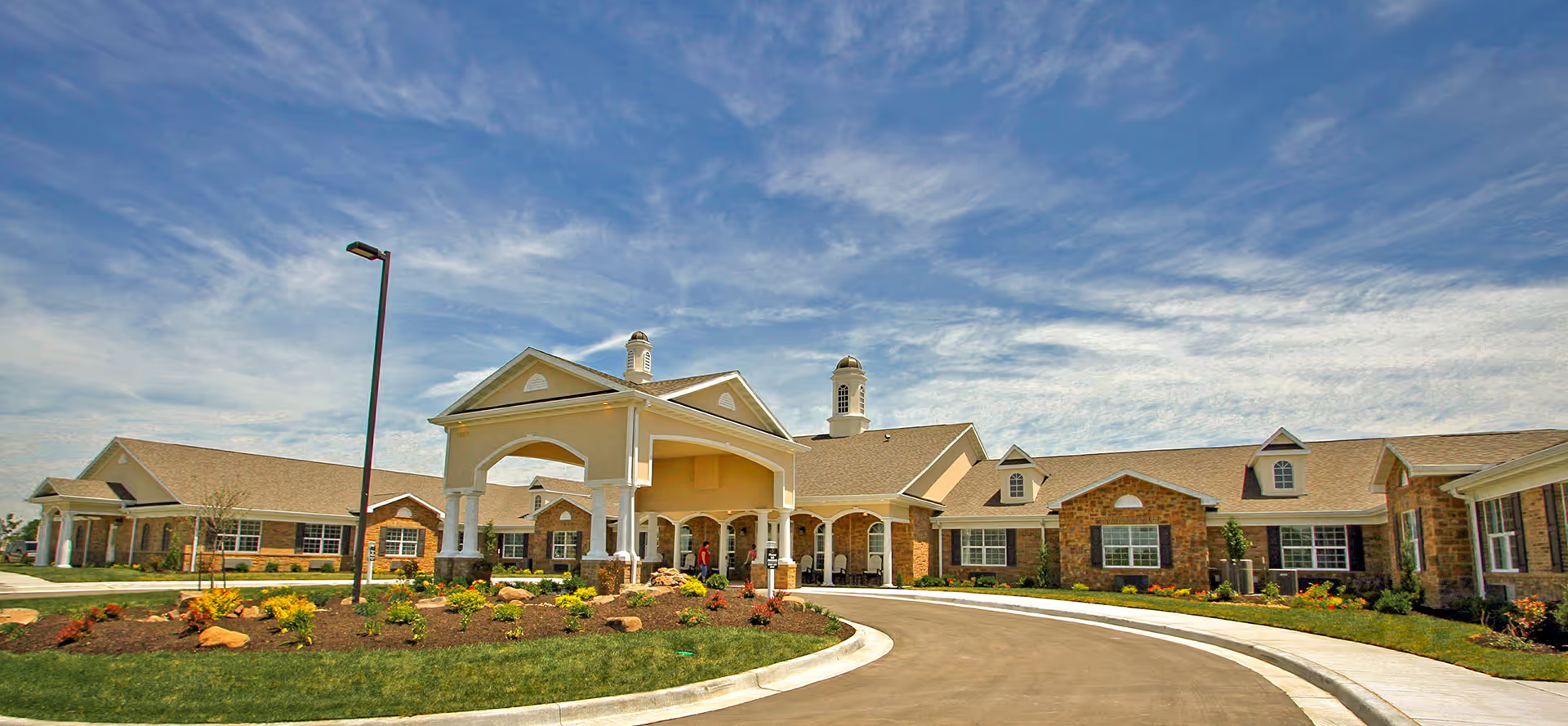
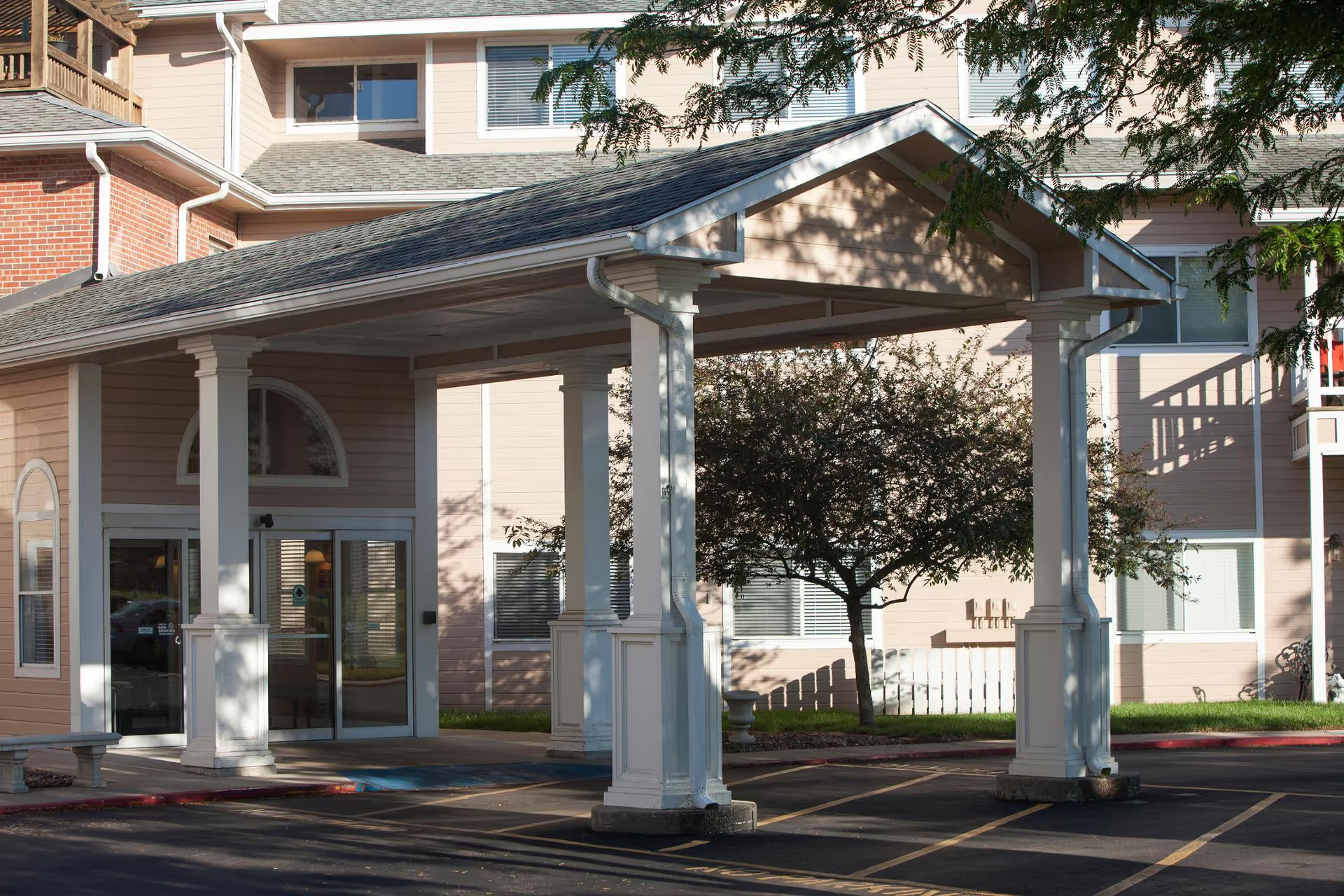
Overall impression: The facility is described by many reviewers as a welcoming, well-appointed community with strengths in physical accessibility, communal space design, and an active daily program. Multiple comments highlight large rooms, wide doors and hallways suitable for wheelchair use, comfortable TV and sitting areas, and an outdoor patio. The dining room and kitchen are noted as large and well-staffed, and several reviewers commented positively on food quality.
Care and staff: Reviewer accounts converge on the presence of compassionate, attentive staff and visible clinical oversight in many circumstances. Families describe staff who are kind, engaged in residents’ lives, and responsive when a resident is ill. At the same time, there are reports indicating variability in the consistency of hands-on care and in rehabilitation follow-through; a subset of experiences suggests that expected rehab or specific care needs were not fully met. This pattern points to generally strong caregiving culture with episodic lapses in execution or continuity.
Dining and activities: Programming appears robust, with an activity board and multiple activities scheduled each day (typically cited as three to four events). Communal gathering spaces and TV areas support socialization, and the facility’s kitchen and dining setup are described as well-staffed and capable, contributing to generally positive mealtime experiences.
Facilities and cleanliness: The physical plant is frequently praised for accessibility and spaciousness. Many reviewers describe the environment as clean and well-maintained; however, there are isolated accounts of sanitation and odor concerns in resident rooms or specific areas. Those divergent observations suggest that housekeeping and environmental-control standards are usually effective but may be inconsistent in certain units or shifts.
Management and communication: Several reviewers raised concerns about admission and placement processes, including denials without clear explanation and uncertainty about why a resident’s needs could not be met. Related concerns include gaps in communication with families during care transitions and limited clarity about care plans or next steps. These communication and policy-transparency issues appear to be a key driver of dissatisfaction when expectations are not met.
Notable pattern and guidance: Taken together, the reviews depict a facility with many operational strengths—accessible design, active programming, a sizable and attentive staff, and generally good food and communal spaces—paired with variability in consistent care delivery, rehabilitation follow-through, environmental sanitation in limited instances, and clarity around admissions and family communication. Prospective residents and family members would benefit from direct conversations with management about specific admission criteria, rehabilitation capabilities, staffing models for the relevant unit/shift, housekeeping protocols, and planned communication practices to reduce the likelihood of the inconsistencies described by some families.