The reviews describe a facility with a mixture of clear strengths and persistent operational weaknesses. Strengths include a number of committed caregivers and clinical staff — several accounts praise individual nurses, the director of nursing, and a clinical trainer — along with well-regarded therapy programs. Rehabilitation (PT/OT) and speech-language therapy receive consistent positive mention, and salon/beauty services are highlighted as a valued amenity. Some long-term residents express loyalty and overall satisfaction, and multiple reviewers note efforts to keep residents engaged through activities.
Care quality appears uneven. Positive descriptions of attentive caregivers and effective therapies coexist with repeated concerns about medication administration, wound-care practices, and pain management. Several narratives point to medication-management deficiencies and inconsistent clinical follow-through. There are also multiple accounts indicating delays or poor responsiveness to resident call systems and direct care needs, which translate into a pattern of variable bedside responsiveness across shifts.
Staffing and conduct are recurring themes. While many staff members are characterized as caring and engaged, other accounts describe unprofessional behavior, poor communication, and limited availability. Understaffing and scheduling pressures are implied by reports of long shifts, denied leave, and constrained responsiveness. There are also concerns about oversight of staff conduct that affect the resident experience.
Dining and nutrition show mixed results. Some reviewers praise the food and describe it as appetizing, while others note noncompliance with therapeutic diets (for example, low-sodium prescriptions not being followed), delayed meal service, and limited menu choices. These concerns suggest inconsistent implementation of dietary plans and occasional disruptions to meal timing.
Activities and therapies are another area of contrast. The facility is credited with promoting resident engagement and offering robust therapy services for many residents, but there are also reports of limited interaction or unavailable rehab services in particular cases. This indicates variability in program availability or scheduling rather than a uniformly absent services model.
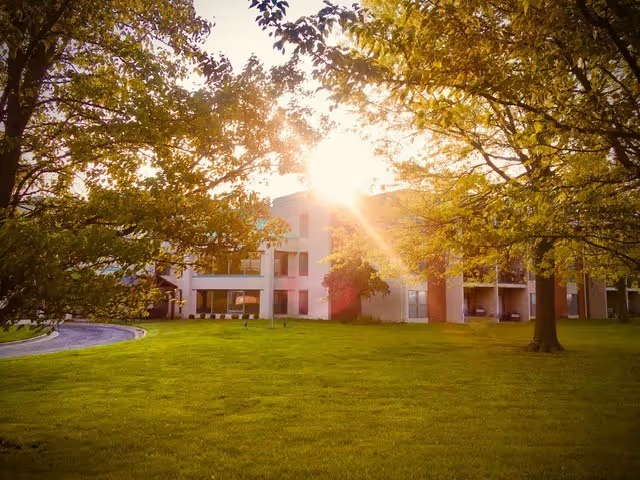
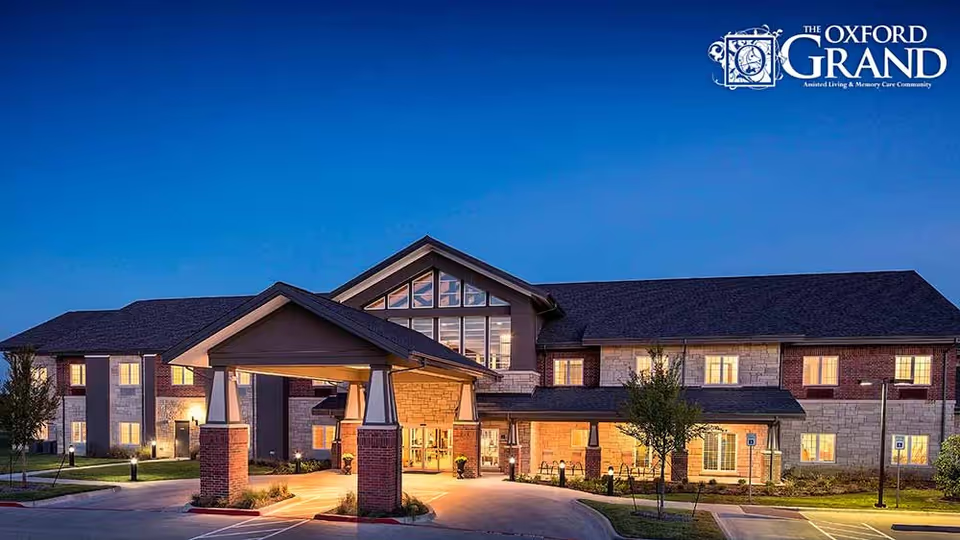
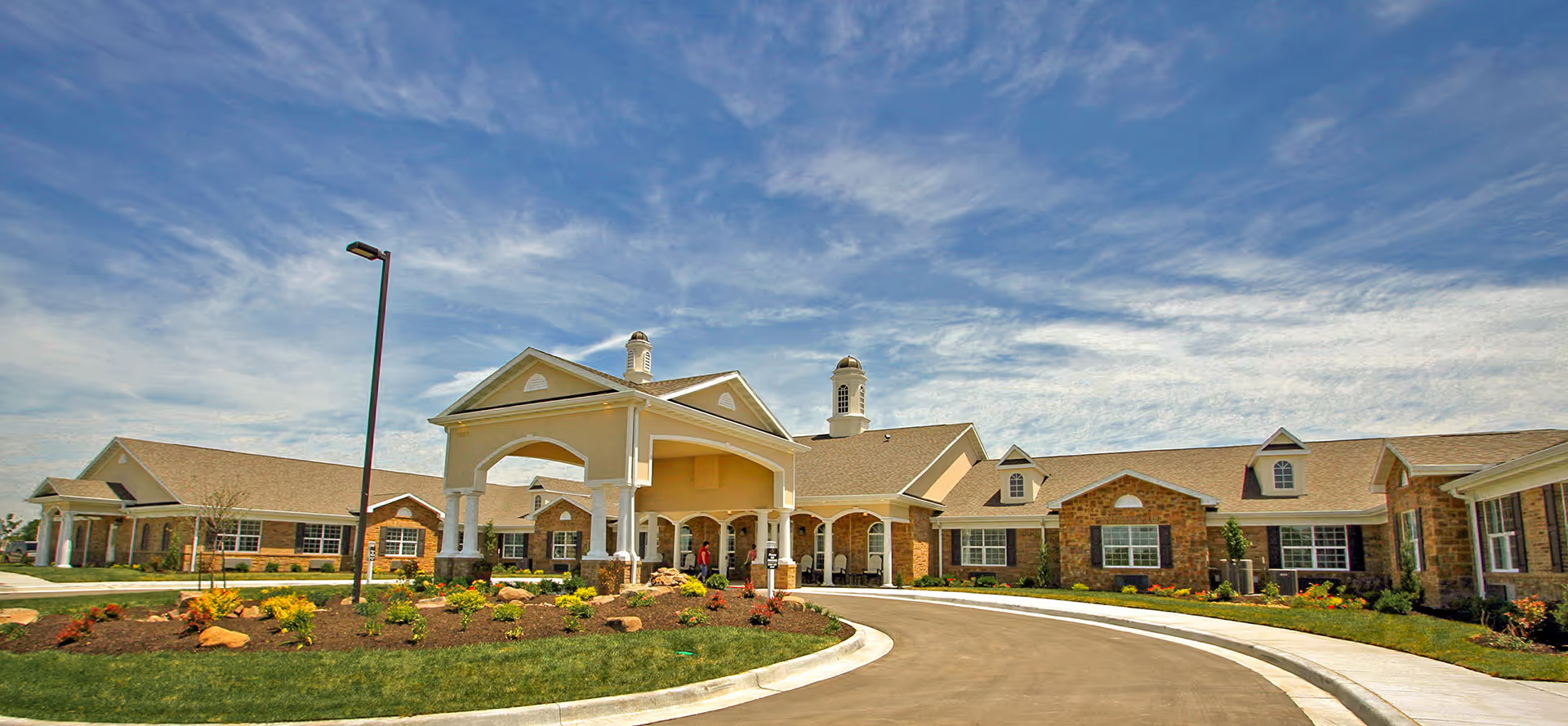
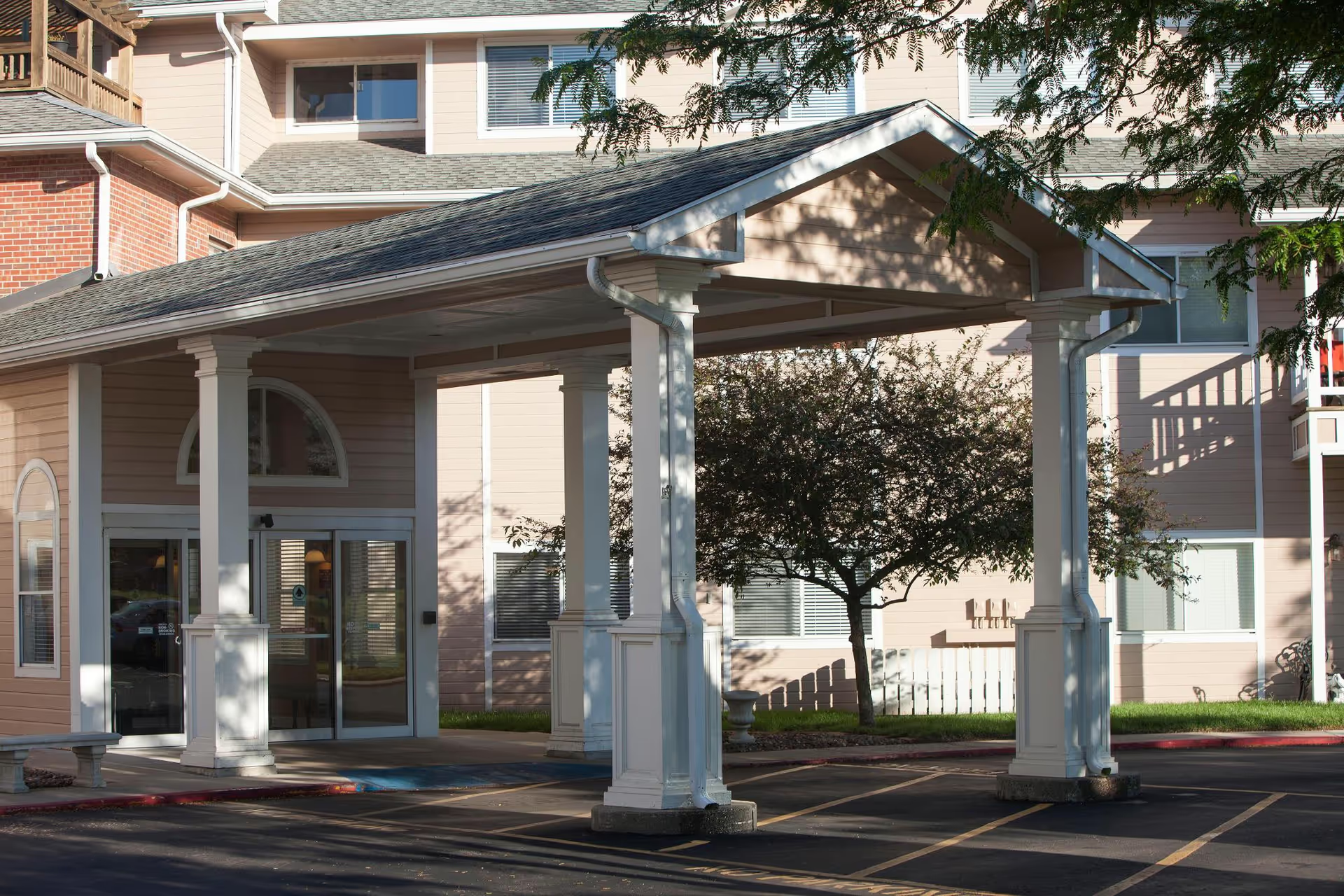
Facility condition and housekeeping are described as uneven. Positive comments reference clean, updated rooms in some areas, while other reports cite cleanliness issues, odor concerns, water-stained ceilings, and pest-control concerns in other parts of the building. Furnishings and common-area finishes are characterized as dated in places, reflecting an older facility with selective recent updates.
Management and family communication are identified as areas needing improvement. Reviewers describe failures in timely notification about changes in status, difficulties communicating with physicians, and problematic handling of end-of-life coordination, including gaps in hospice communication and consent processes. These patterns suggest opportunities to strengthen incident reporting, family outreach, and clinical handoffs.
Overall, the facility appears to deliver strong rehabilitative and interpersonal strengths in pockets, supported by committed staff and appealing ancillary services. At the same time, persistent operational issues — especially around medication management, staff consistency, dietary compliance, cleanliness, and family communication — create variability in resident experiences. Prospective residents and families should weigh the facility's therapy and engagement strengths against these operational concerns, and consider targeted questions about medication protocols, staffing levels, diet management, housecleaning schedules, and communication procedures during tours and care-planning meetings.