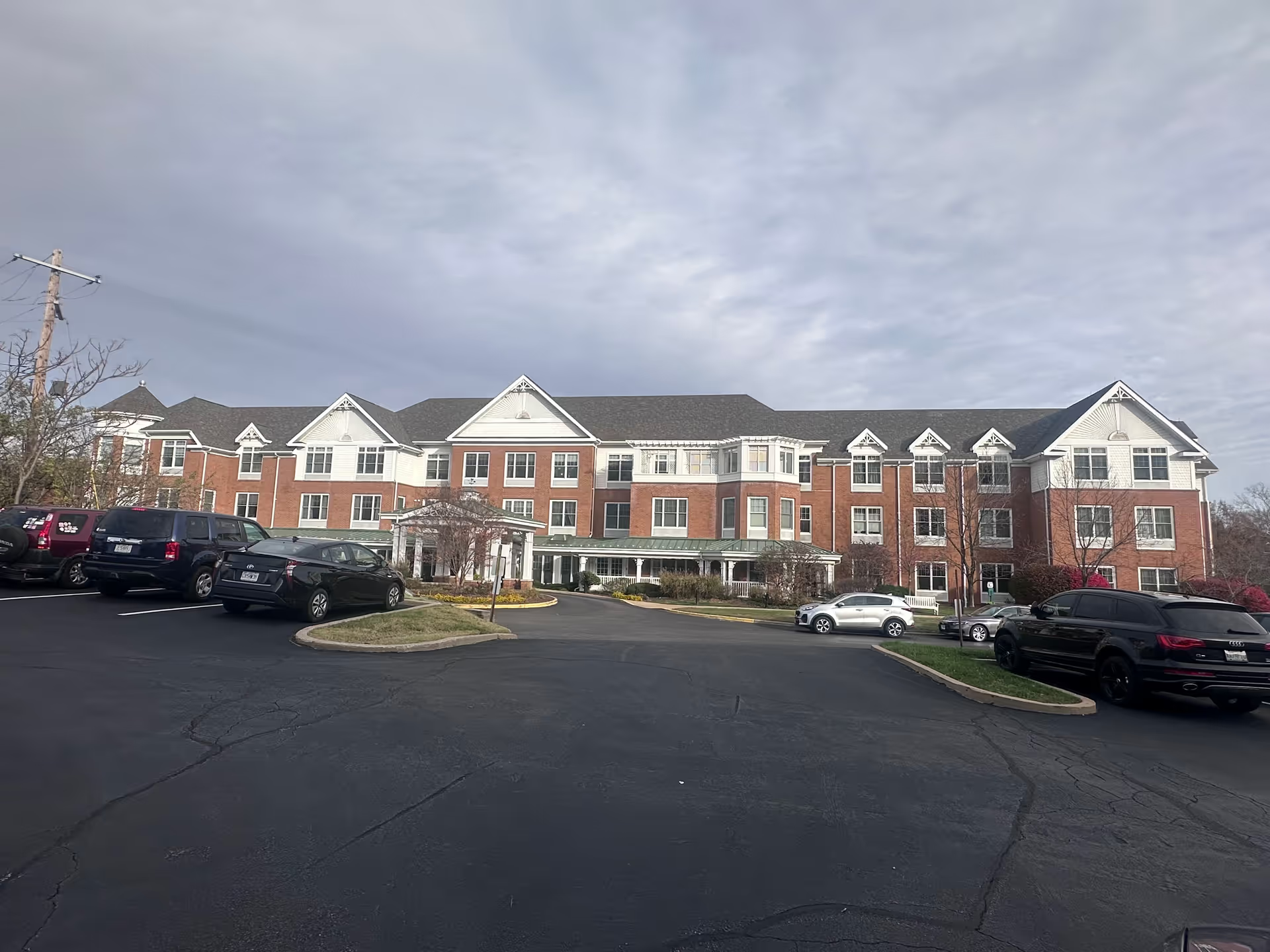
Overview: The reviews present a mixed picture of care at Oak Knoll Skilled Nursing & Rehabilitation Center. Several accounts emphasize a clean, odor-free facility and staff who are professional, friendly, and attentive; these comments point to areas of operational strength such as environmental upkeep and continuity from long-tenured personnel. Conversely, other accounts describe operational failures that suggest inconsistent execution of basic care processes, creating a polarized impression of overall quality.
Care quality and staff: Positive feedback highlights caregivers who are attentive and provide compassionate assistance, with some families noting continuity from long-tenured staff. However, a sizable pattern of concerns centers on inconsistent staff conduct and responsiveness. These include reports of discourteous communication style, rough handling during care activities, and delays in attending to personal-care needs and hygiene assistance. Collectively, these issues indicate variability in frontline caregiving that may reflect training, supervision, or staffing-level problems.
Dining and daily assistance: Several reviews indicate inconsistent meal quality and interruptions in feeding assistance; specific concerns describe residents waiting for help or receiving poor meal service. This suggests gaps in meal-service continuity and in staff availability for feeding or assistance at mealtimes. Where positive experiences are noted, they emphasize timely assistance and attentive dining support, reinforcing the theme of uneven consistency across shifts or units.
Facilities and activities: Facility-related commentary is largely positive regarding cleanliness and odor control. There is limited direct feedback about the activity program in the supplied summaries; absence of commentary on activities makes it difficult to assess the program’s consistency or engagement level from these reviews alone.
Management, transparency, and infection control: Management impressions are mixed: some reviewers describe an engaged, caring administrator, while others report perceptions of indifferent or slow management response. A critical pattern relates to infection-control practices and communication. Reviews allege gaps in infection prevention implementation and a lack of transparent, timely family communication during an outbreak period, including concerns about staff working while potentially infectious. Additionally, there are allegations of staff theft and improper handling of resident property; given the seriousness of this claim, it represents a notable area for further inquiry and verification.
Notable patterns and recommendations: The dominant themes are variability and inconsistency — strong performers and practices exist at the facility, but persistent operational weaknesses (staff conduct variability, inconsistent assistance with personal care and meals, and lapses in infection-control communication) undermine overall reliability. Prospective residents and families should request recent inspection reports, ask about staff turnover and training programs, review infection-control policies and family-notification procedures, and tour during multiple shifts to assess consistency. If admitted, families may wish to establish clear communication plans and inventory procedures for resident property to mitigate potential risks described in the reviews.