Reviews for Forsyth Care Center reflect a mixed but distinct pattern: the facility receives repeated praise for its rehabilitation services, many compassionate front-line caregivers, and a generally clean, welcoming environment, while also showing recurring operational weaknesses that affect timeliness and consistency of basic care.
Care and clinical services: The rehabilitation and therapy program is consistently identified as a strength — therapists are described as knowledgeable, individualized in their plans, and focused on measurable milestones. Several families highlighted effective coordination with outside physicians and medication reconciliation efforts. At the same time, reviews describe episodes of delayed personal-care responses, notable weight loss in at least one case, and at least one medical escalation requiring ambulance transport; these examples point to variability in how promptly clinical needs are addressed. There are also remarks about inconsistent nursing and aide performance, which appears to influence both routine care and clinical follow-up.
Staffing and staff culture: Many reviewers emphasize warm, personable, and dedicated staff members — including long-tenured employees and individuals who go beyond expectations for residents and families. However, staffing levels and staff consistency are recurring concerns: reviewers cite slow response times to call lights, extended waits for assistance with personal care, and uneven skill among nursing aides. These operational patterns suggest that staffing allocation and training/retention are key factors affecting day-to-day resident experience.
Dining, activities, and social environment: Accounts of dining are mixed; some families praise the food, while others describe dissatisfaction with meal quality. The social environment and activity programming receive favorable comments, with milestone celebrations, welcoming common areas, and residents reporting a friendly atmosphere. This warmth and social engagement are cited as important positives for resident quality of life.
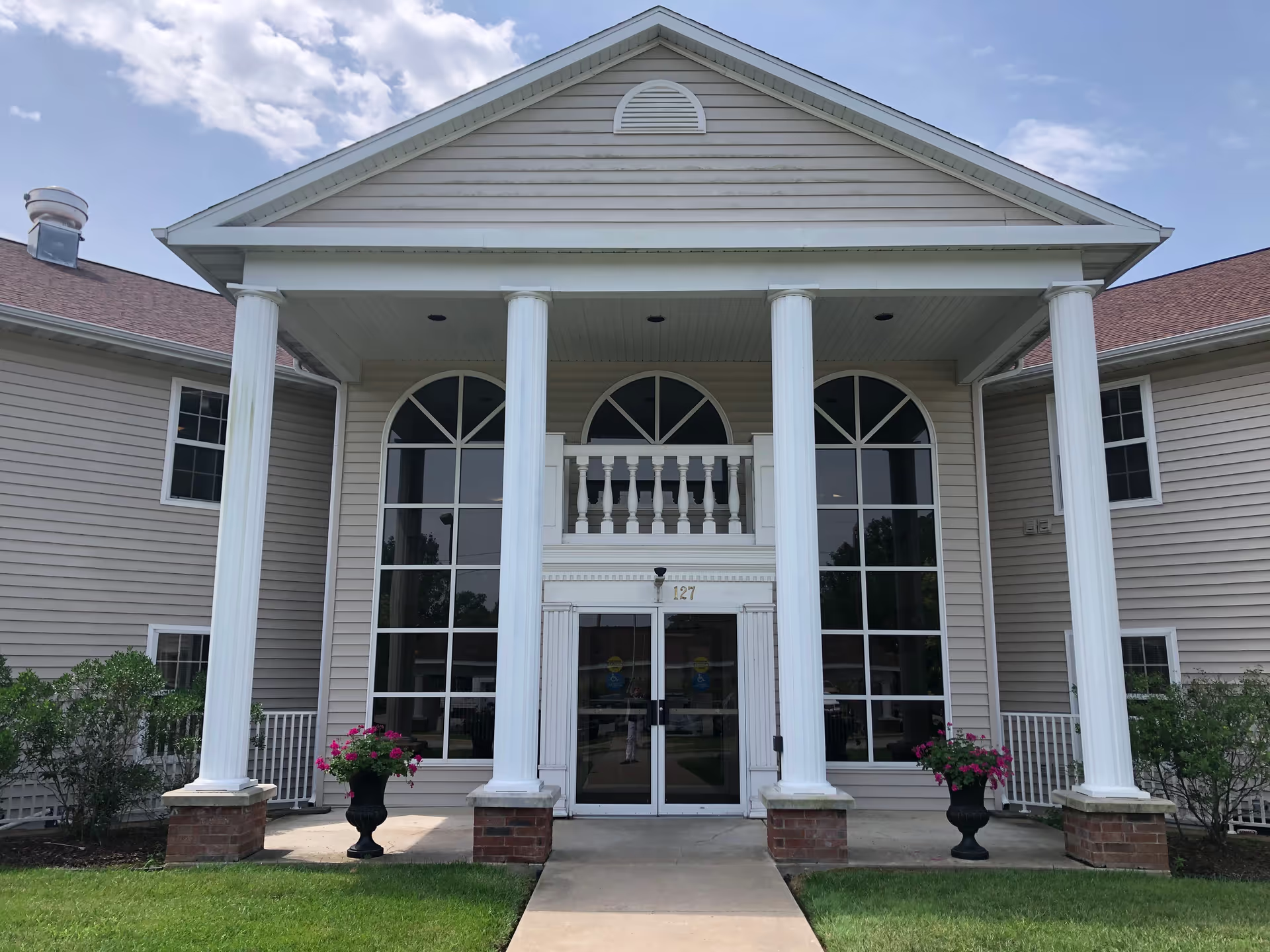
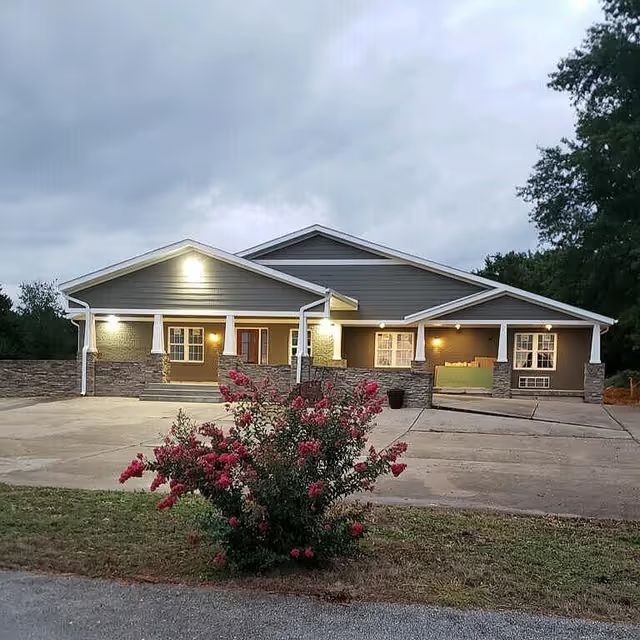
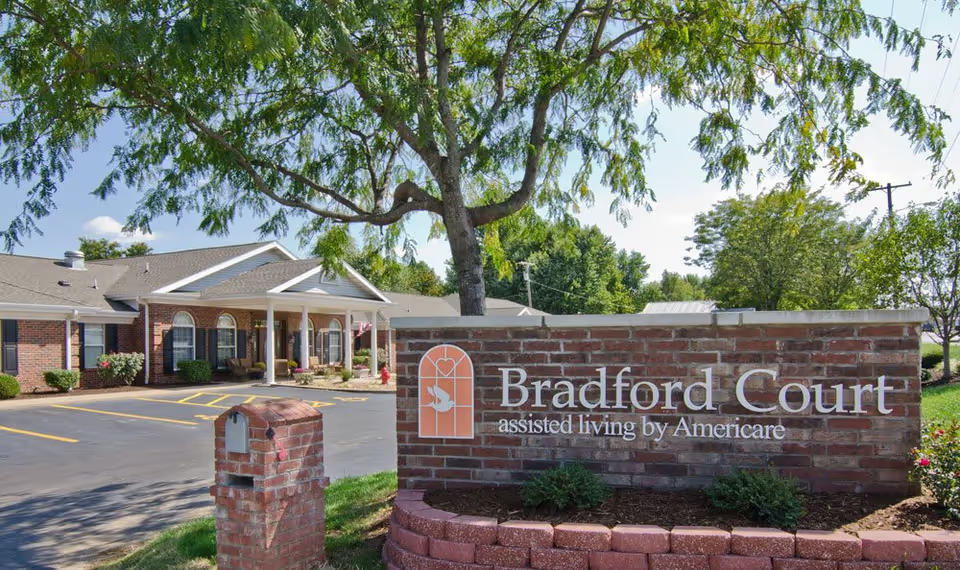
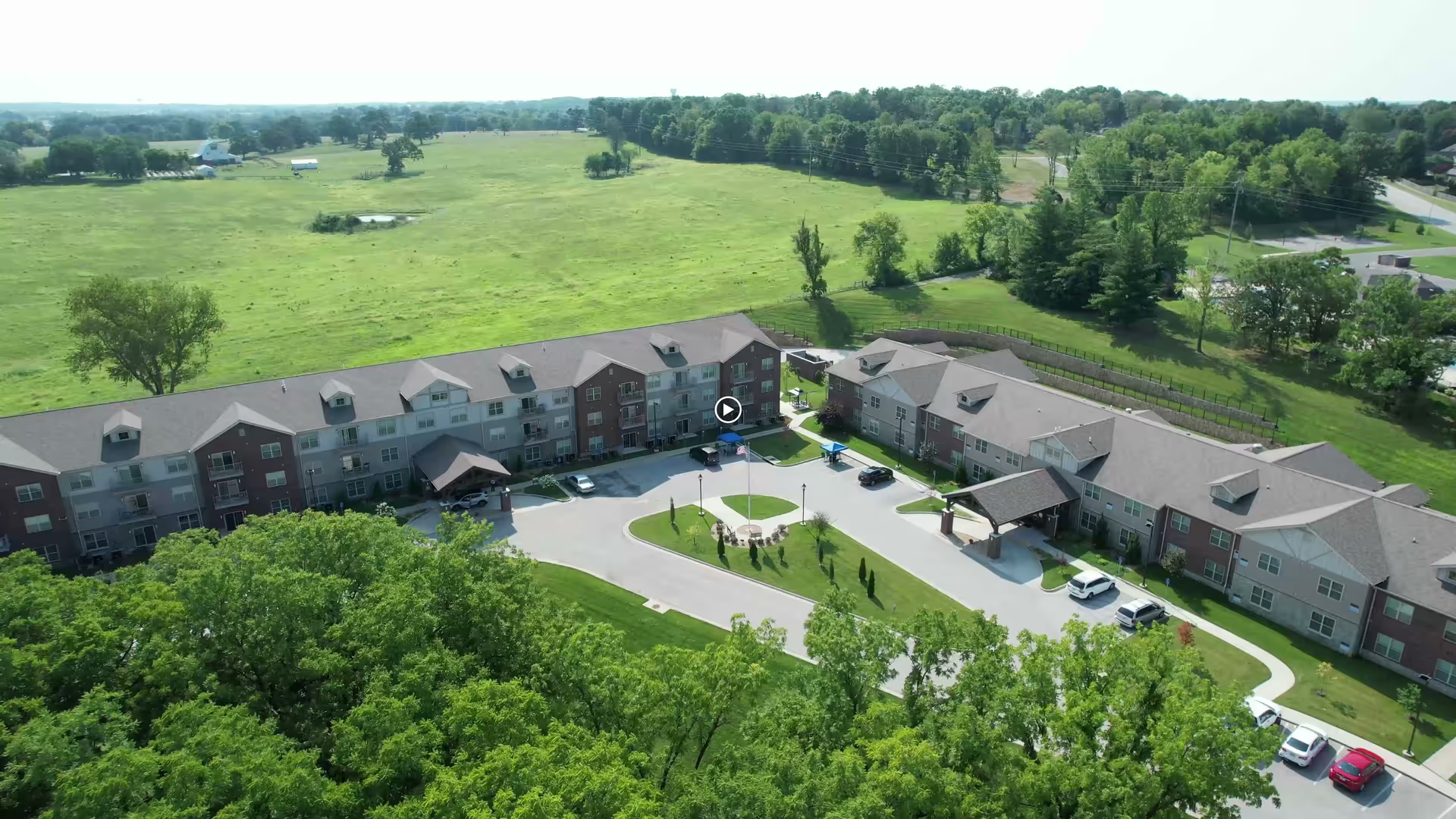
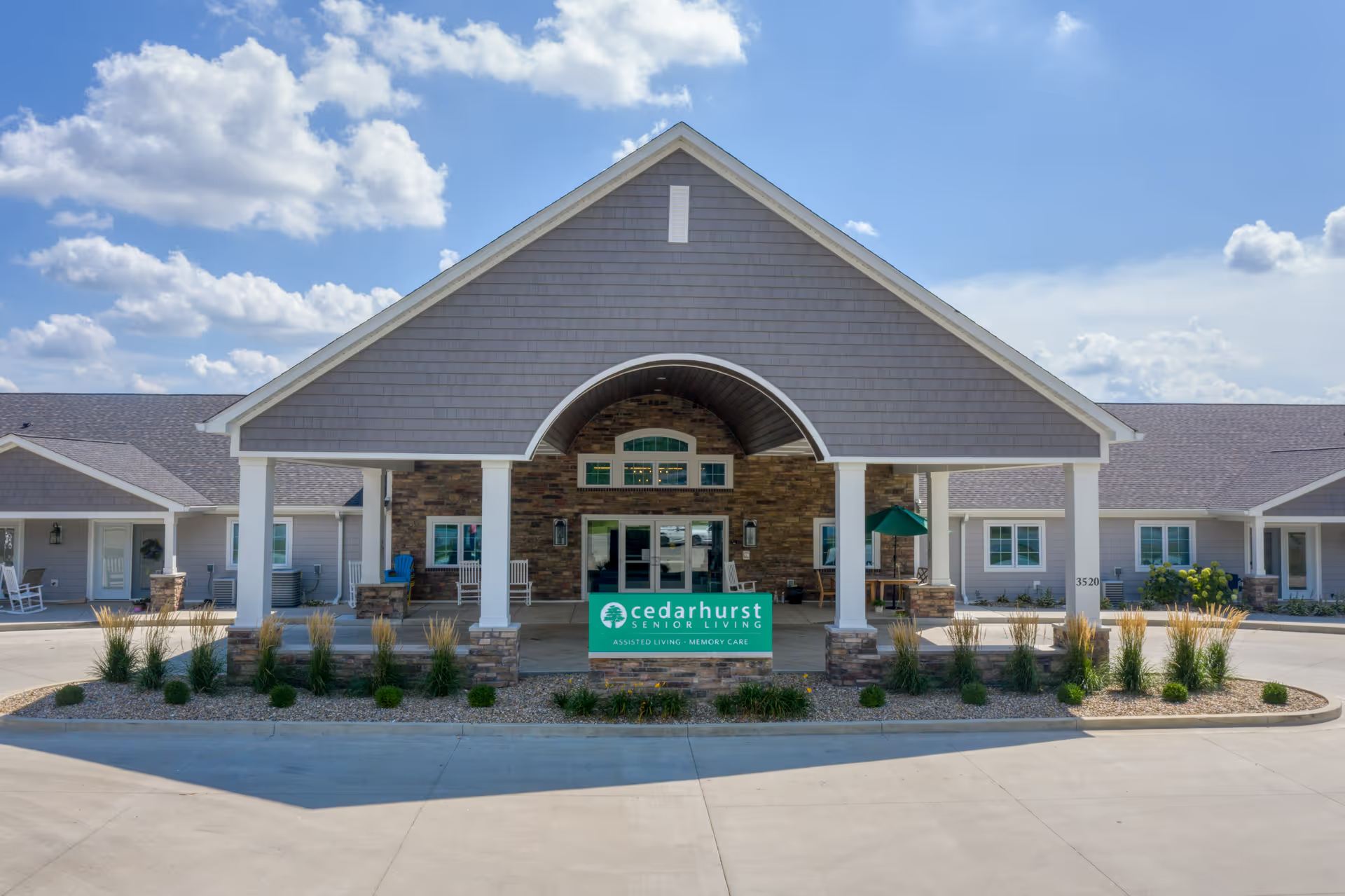
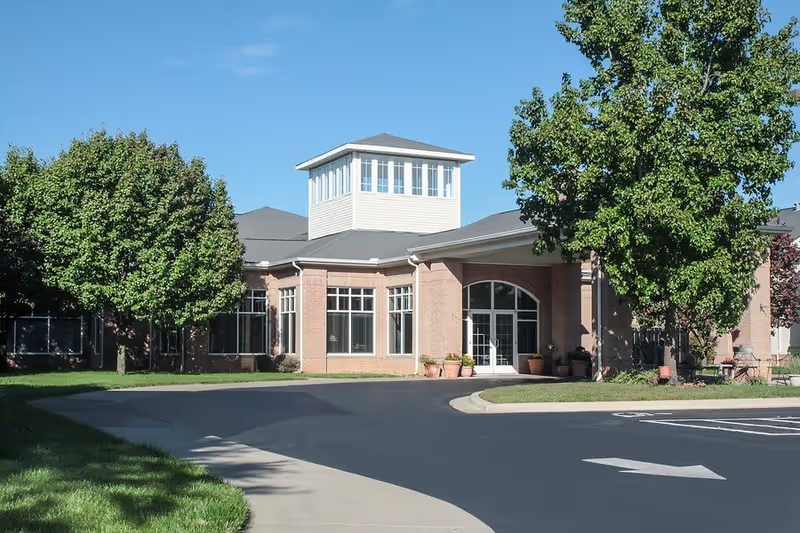
Facilities and logistics: The building and grounds are frequently described as clean and well-kept, though a few areas — notably portions of the rehab wing — were mentioned as needing remodeling. Practical logistics are a pain point for some families: laundry and clothing tracking problems (missing or unlabeled items) and occasional housekeeping or sanitation inconsistencies were reported alongside generally positive comments about facility cleanliness.
Management, communication, and transparency: Communication and administrative transparency emerge as a notable mixed area. Several families praised responsive, visitor-focused office staff, but others reported poor communication, especially during clinical declines and end-of-life situations. There are also concerns about unclear out-of-pocket cost expectations. One review referenced an allegation that led to regulatory attention; this is an isolated but serious claim and underscores the importance of clear incident response and family notification protocols.
Notable patterns and considerations: Prospective residents and families should weigh the facility’s strong rehabilitation and many compassionate caregivers against evidence of operational inconsistency. If therapy goals, collaborative clinical care, and a socially engaging environment are priorities, the facility has demonstrable strengths. If timely personal-care response, consistent hygiene practices, transparent family communication, and reliable laundry/property handling are critical, families should probe these areas during tours and seek specifics on staffing ratios, incident-response procedures, and cost transparency.
Overall, Forsyth Care Center shows clear areas of excellence alongside operational gaps. A focused conversation with facility leadership about staffing plans, communication protocols for clinical changes and end-of-life events, laundry/property controls, and billing transparency will help families assess whether the facility’s strengths align with their priorities and whether plans are in place to address the recurring concerns documented by reviewers.