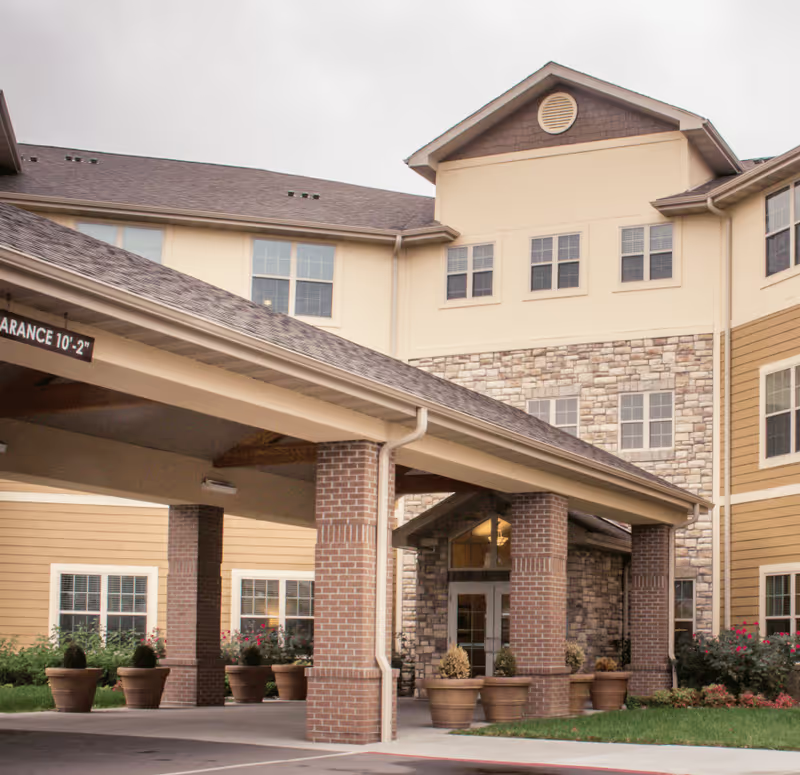
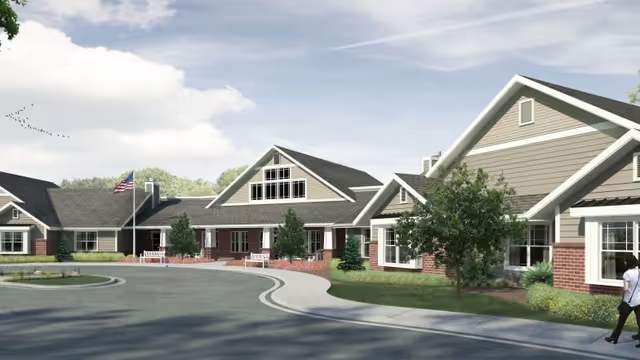
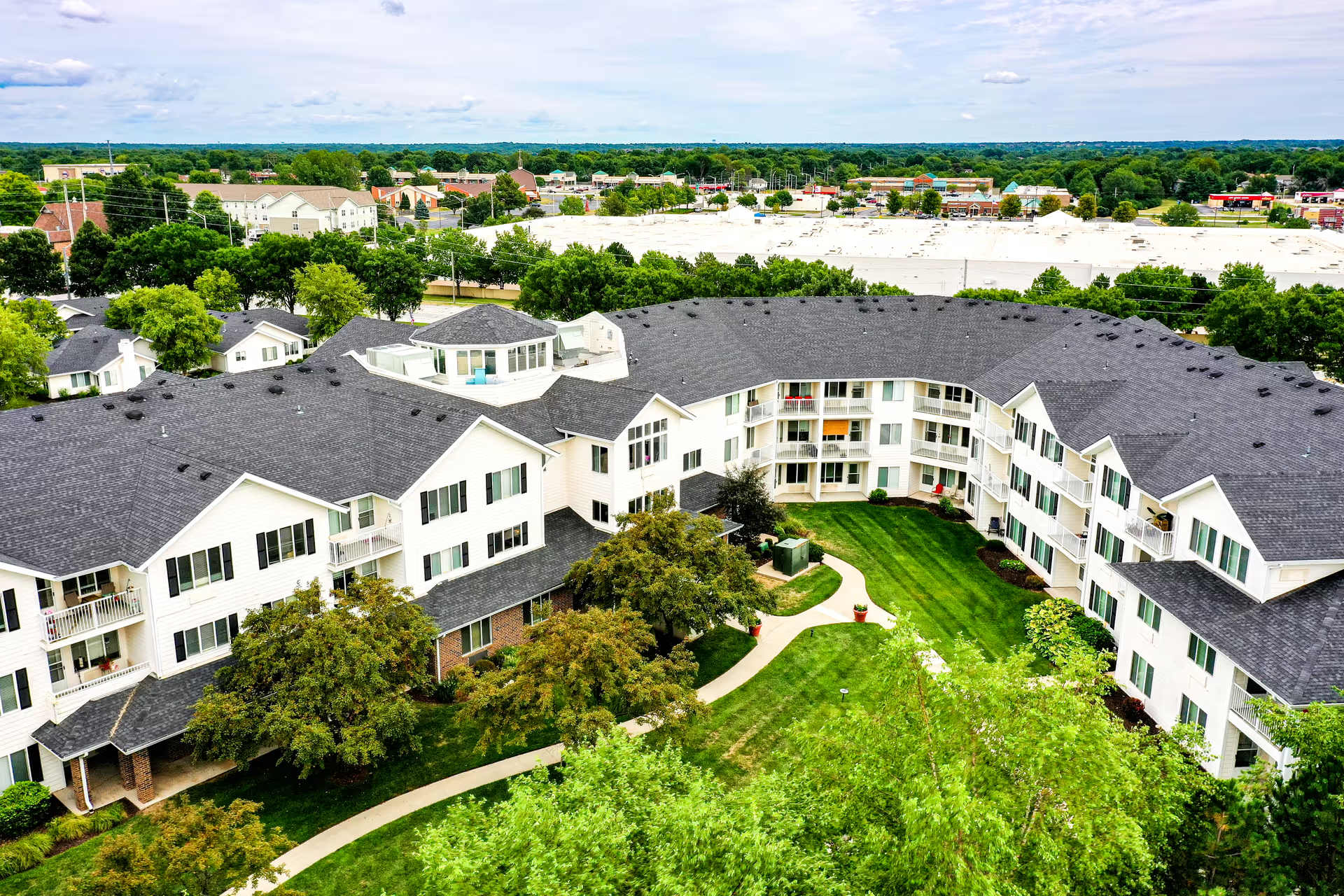
Essex of Grain Valley is a small, 12-bed community that combines assisted living and memory-care residents in a compact, home-like setting. Many families describe the physical environment positively: the interior is kept clean and neat, rooms are comparatively large, and units may include features such as an accessible shower, kitchenette, and separate living area. The community offers housekeeping and laundry services and three home-cooked meals daily; dining is frequently described as generous and appealing. Social programming such as Bingo and card games is available and some residents form friendships and participate in activities.
In terms of clinical suitability and day-to-day care, the facility appears best suited to residents who need mild to moderate assistance and who benefit from a small, social environment. Several comments indicate strong, attentive care at times and responsive resident managers who address issues promptly. However, the mixed assisted-living/memory-care model and staffing profile limit the community's suitability for residents with progressed Alzheimer’s who require frequent cueing, redirection, or higher-acuity behavioral supports. Families evaluating placement should consider whether the community’s clinical resources match the prospective resident’s cognitive and safety needs.
Staffing and management emerge as a mixed area. Some families describe caring staff and prompt resolution of concerns, while others describe lapses in availability, long waits for assistance, and poor voicemail or phone responsiveness. There are also accounts of concerning staff conduct and supervision, including an allegation of on-duty impairment; these accounts point toward episodic supervision and professionalism gaps rather than a uniformly managed staffing model. Relatedly, several families reported not being notified in a timely way about hospitalizations or other clinical events, indicating room for improvement in family communication protocols.
Safety and emergency procedures merit particular attention during tours. Reviewers raised issues about emergency drills and equipment that can be disorienting for residents with cognitive impairment (for example, loud alarm sounds and flashing lights during a drill), and the property lacks a secure outdoor area for residents prone to wandering. Those operational traits suggest the facility may have limited infrastructure for higher-risk memory-care behaviors and evacuation needs.
Overall, Essex of Grain Valley offers clear strengths: a clean, comfortable, and affordable environment with substantial meals, active programming, and a small, homelike atmosphere. At the same time, the community shows operational limitations around mixed-level placement, staff consistency and supervision, family communication, and memory-care-specific safety measures. Prospective residents and families should weigh the trade-off between the facility’s home-like advantages and its limitations for advanced memory-care needs, and they should ask targeted questions about staff ratios, emergency procedures, secured outdoor space, and family-notification protocols before committing to placement.