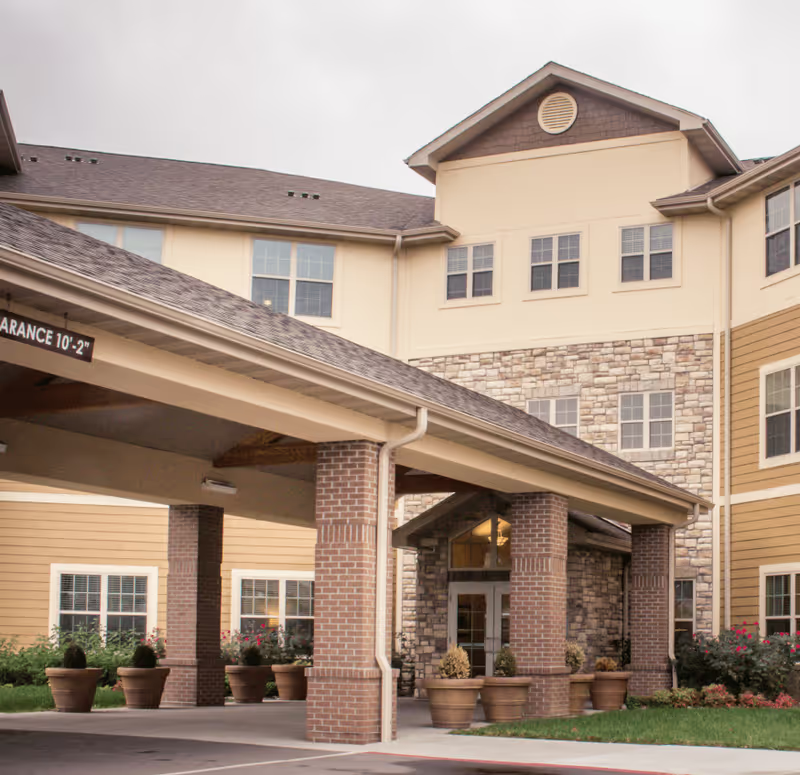
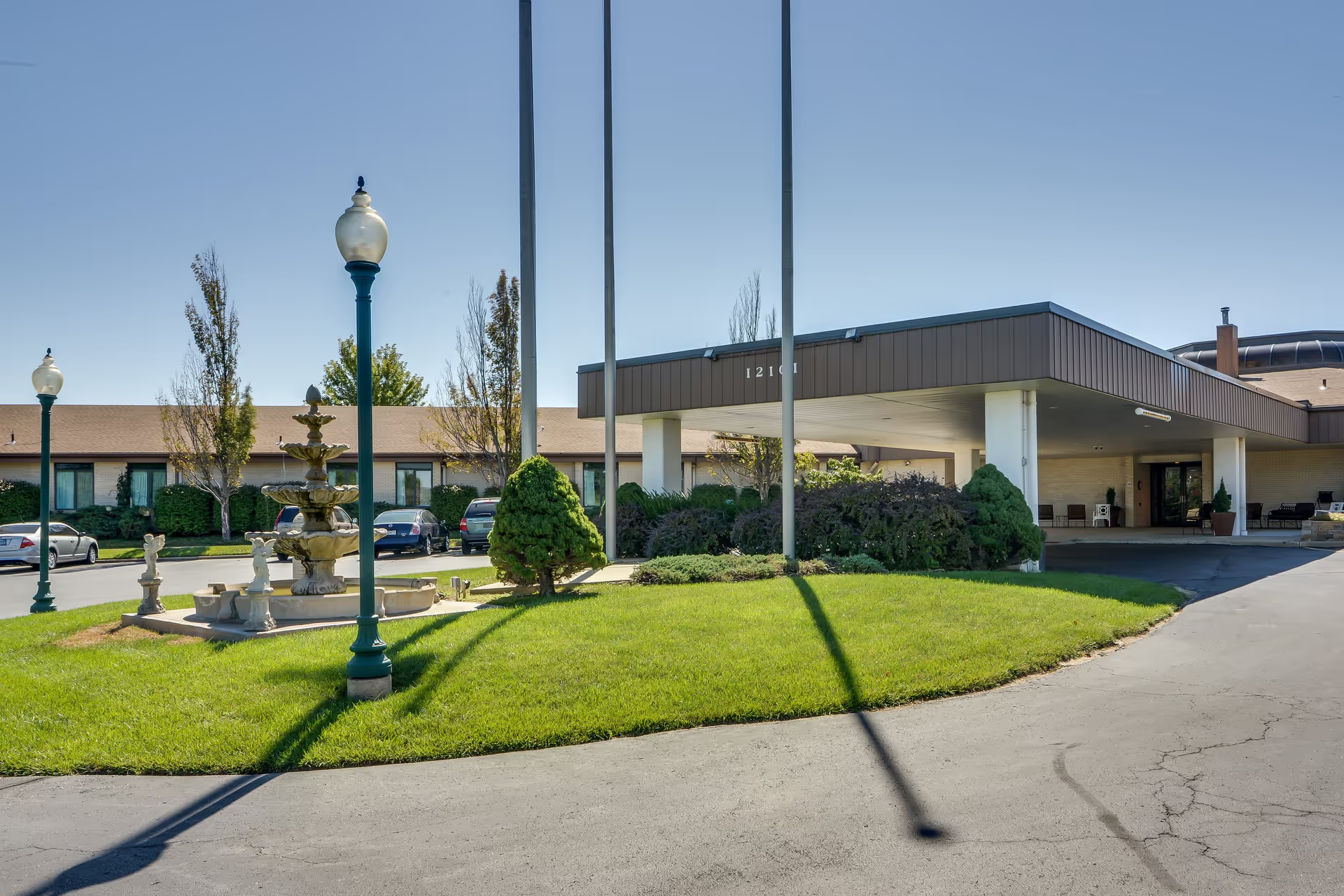
The reviews for Carmel Hills Wellness & Rehabilitation present a strongly mixed picture with clear areas of both strength and operational concern. Positive comments consistently highlight individual caregivers — nurses, CNAs, therapists and front‑desk personnel — who provide compassionate, personalized attention. Several families praised the rehabilitation team, mobility assistance, and wound-care interventions that contributed to measurable clinical improvement. When the facility is functioning well, reviewers describe clean, spacious private rooms, active programming and meaningful engagement opportunities, helpful admissions and visitor accommodations, and an environment that can feel welcoming and home‑like.
At the same time, a recurring set of operational weaknesses emerges. Staffing instability and perceived understaffing are frequent themes; reviewers cite delays in attending to call lights, limited availability for feeding assistance, and long waits for care after falls or medical changes. Medication-administration practices and record-keeping are another prominent concern, with descriptions that indicate inconsistent documentation, delayed medication delivery, and problems accessing medication administration records. These issues suggest gaps in clinical controls and handoff processes that affect continuity of care.
Dining and nutrition receive mixed feedback. Positive reports note accommodating staff and pleasant meals on some occasions, while negative accounts point to limited menu variety, cold or poorly timed meal delivery, and failure to follow prescribed diet textures or substitutions. Therapy and rehab services are often praised for clinical effectiveness, but reviewers also describe scheduling delays and long waits for transportation to off‑site appointments that can impede timely care.
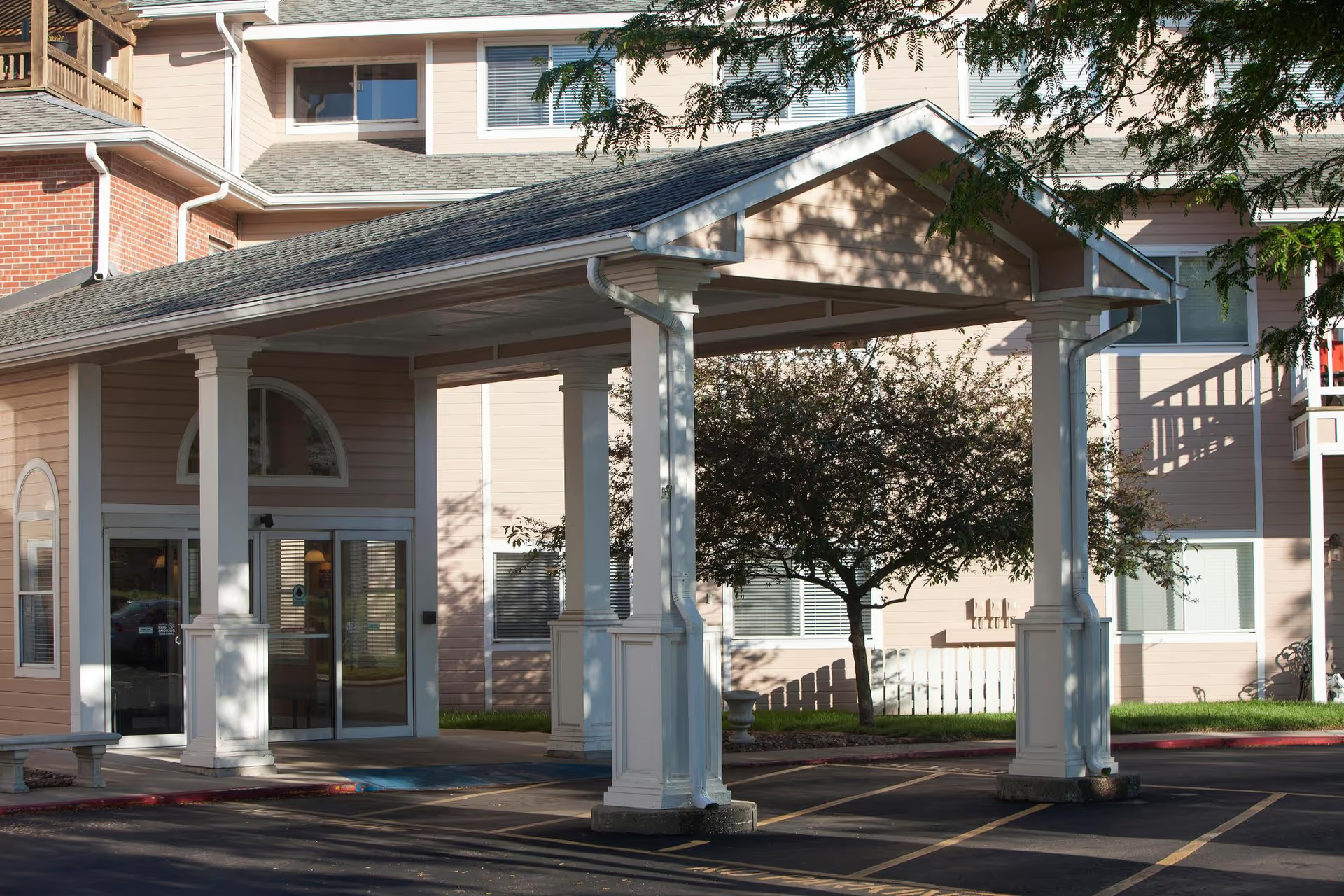
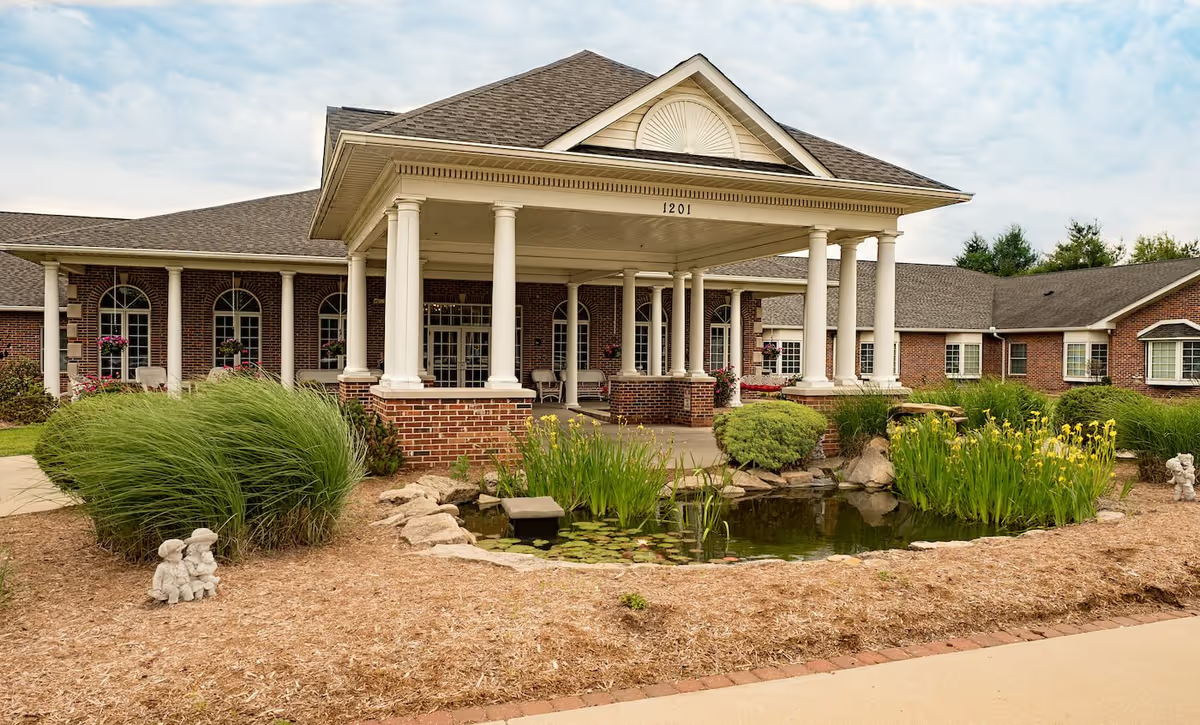
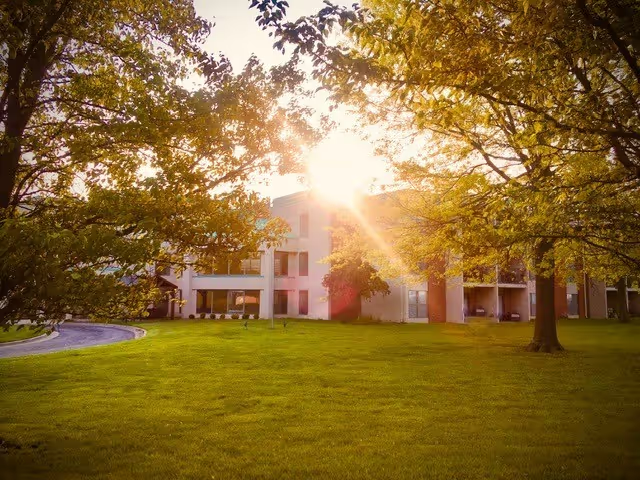
Facility and housekeeping impressions are variable: many visitors and families describe clean, well‑maintained and recently renovated areas, yet a substantial number raise sanitation and odor concerns in resident and common spaces and identify inconsistent housekeeping outcomes. Related concerns include incontinence‑care delays and lapses in linen or clothing management. Several reviewers describe missing personal items or unresolved property issues, indicating weaknesses in belongings management and security practices.
Communication and leadership are a key pattern in these reviews. Some families commend responsive administrators and social workers who address concerns and make visible improvements; others describe restricted access to charts, delayed or incomplete release of medical records, inconsistent follow‑up from social work, and frustration with administrative responsiveness. A small number of reviews reference serious allegations — including theft and staff conduct issues — and note that regulatory citations or investigations have occurred; these accounts amplify family concern about incident handling and transparency. Overall, the facility appears capable of delivering high‑quality, rehabilitative and compassionate care in many cases, but persistent operational gaps (staffing consistency, medication and documentation controls, sanitation processes, dining reliability, and communication systems) produce uneven resident experiences.
Prospective residents and families should weigh the documented clinical strengths — especially in rehab and wound care — against the operational risks described. When considering Carmel Hills, ask targeted questions about current staffing ratios and turnover, medication-administration and documentation protocols, incident‑reporting and family‑notification practices, procedures for safeguarding personal belongings, and how sanitation and diet‑adherence issues are monitored and corrected. Visiting during different times of day, speaking with current families, and reviewing the facility’s most recent regulatory findings can help clarify whether the leadership has implemented durable improvements to the operational concerns identified in these reviews.