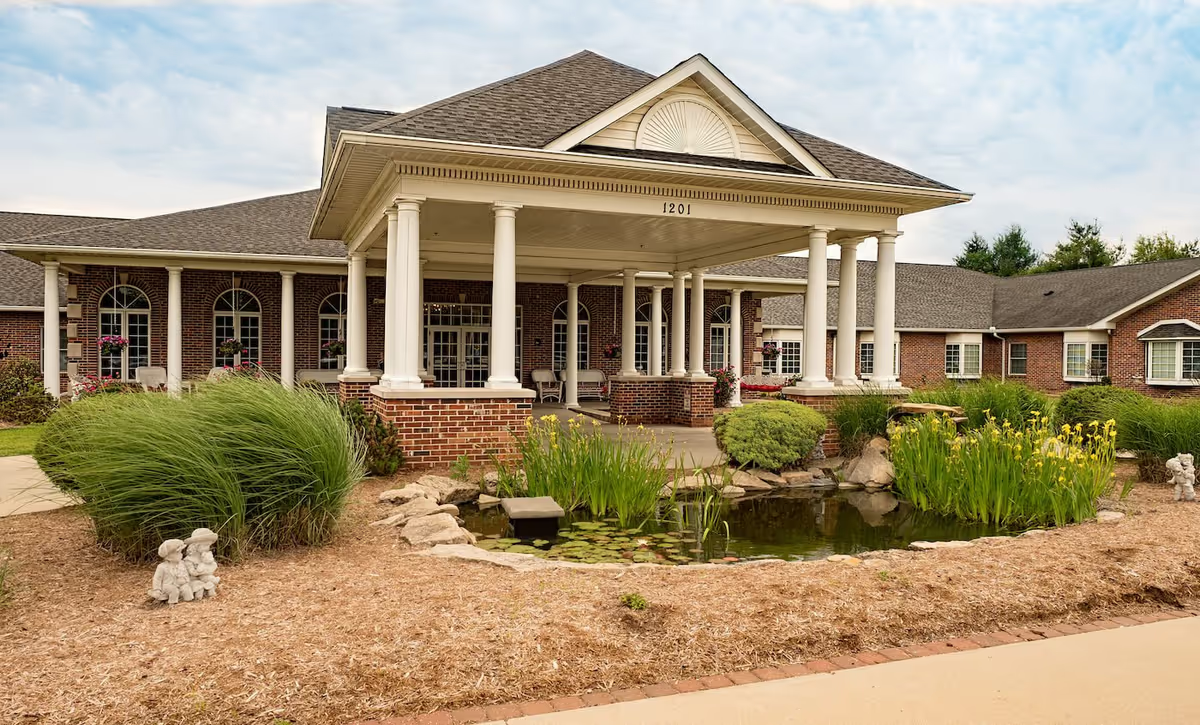
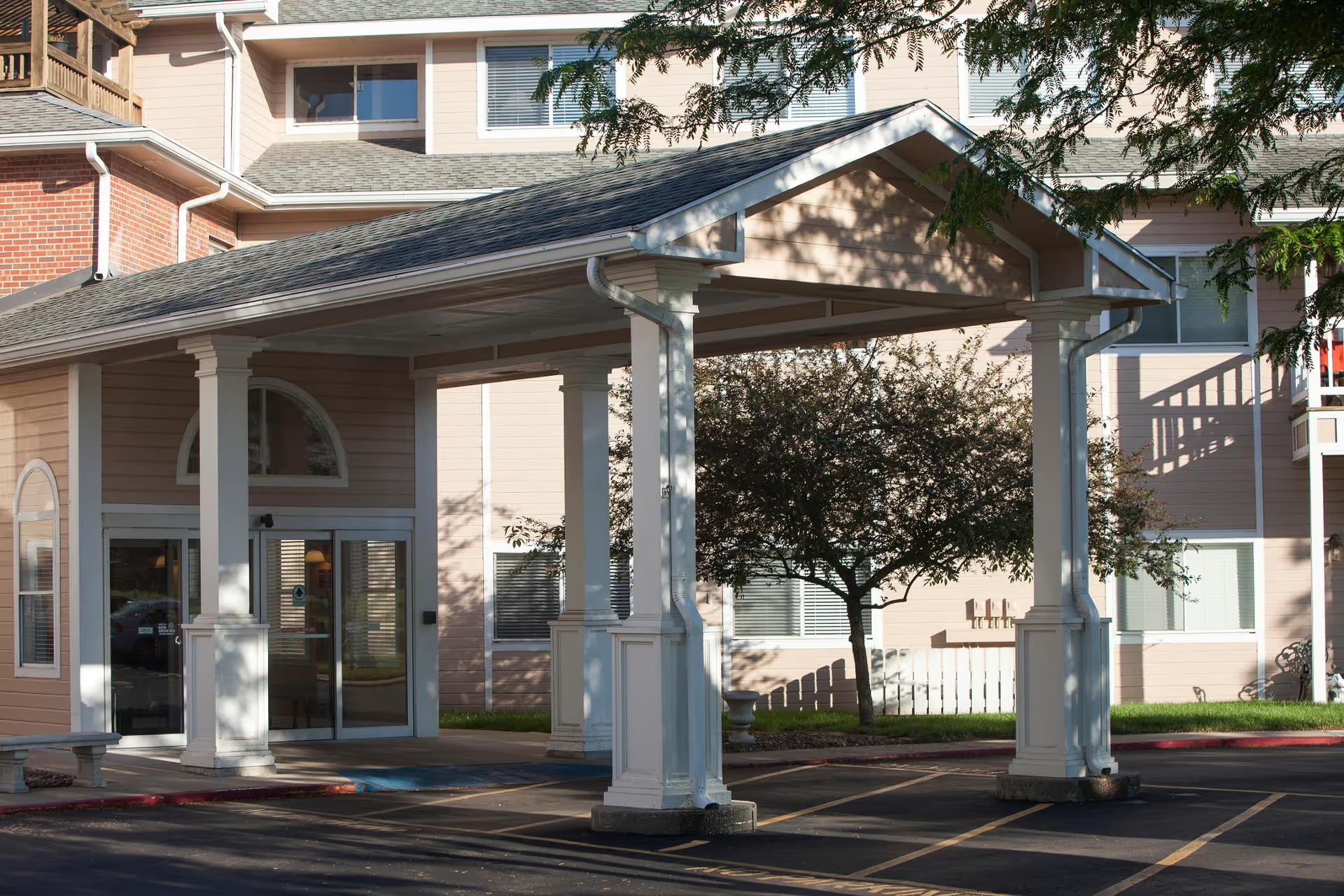
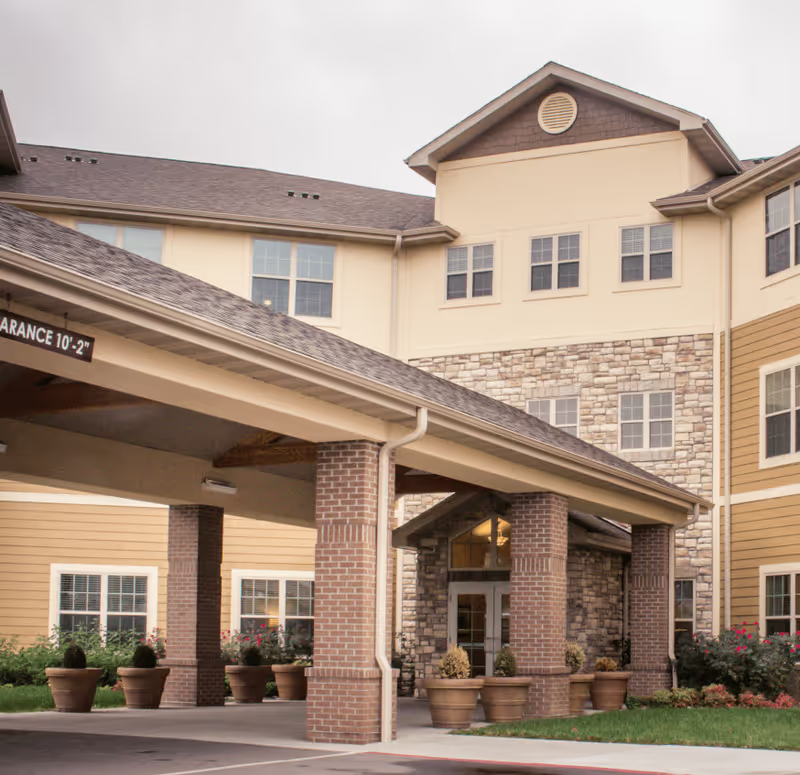
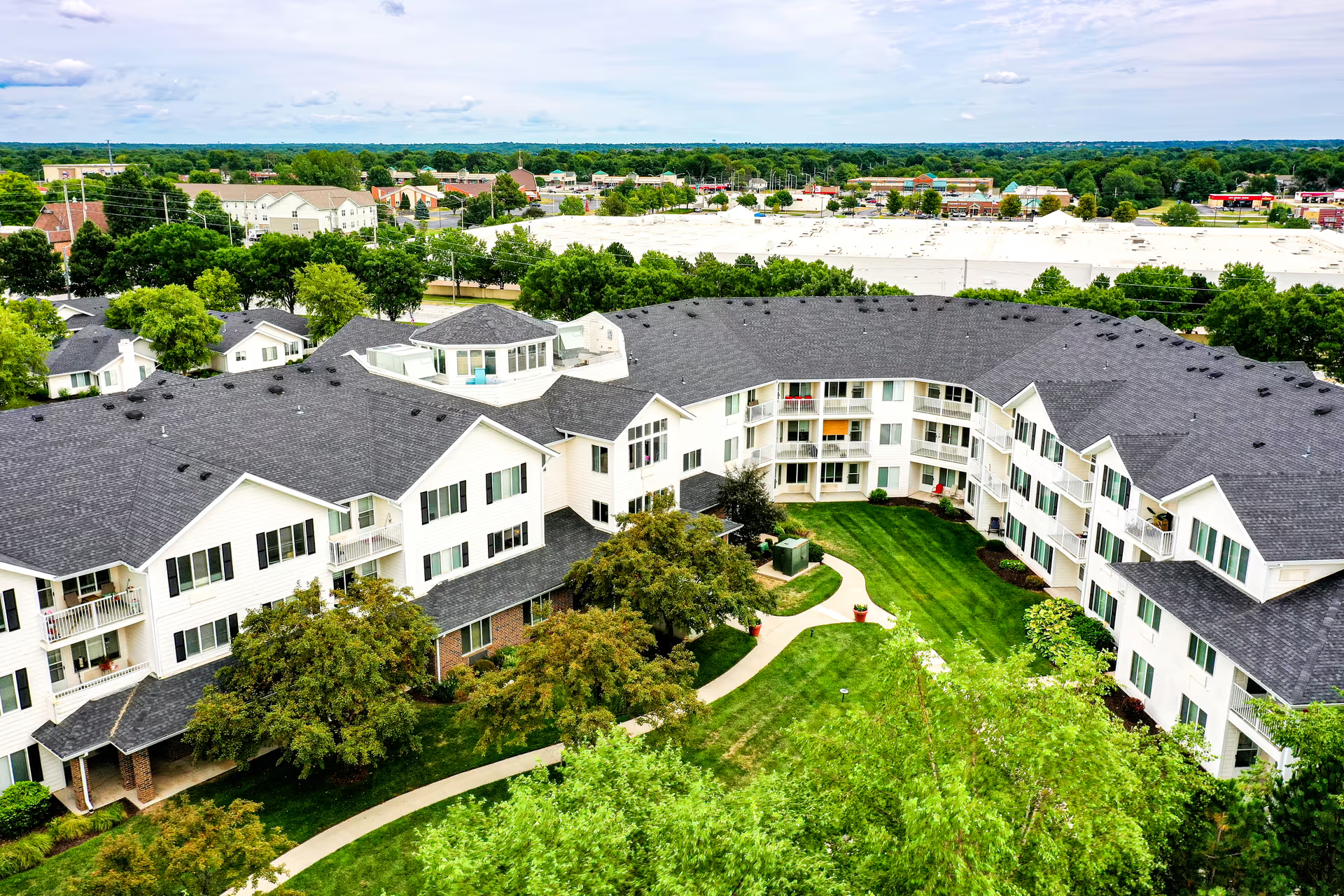
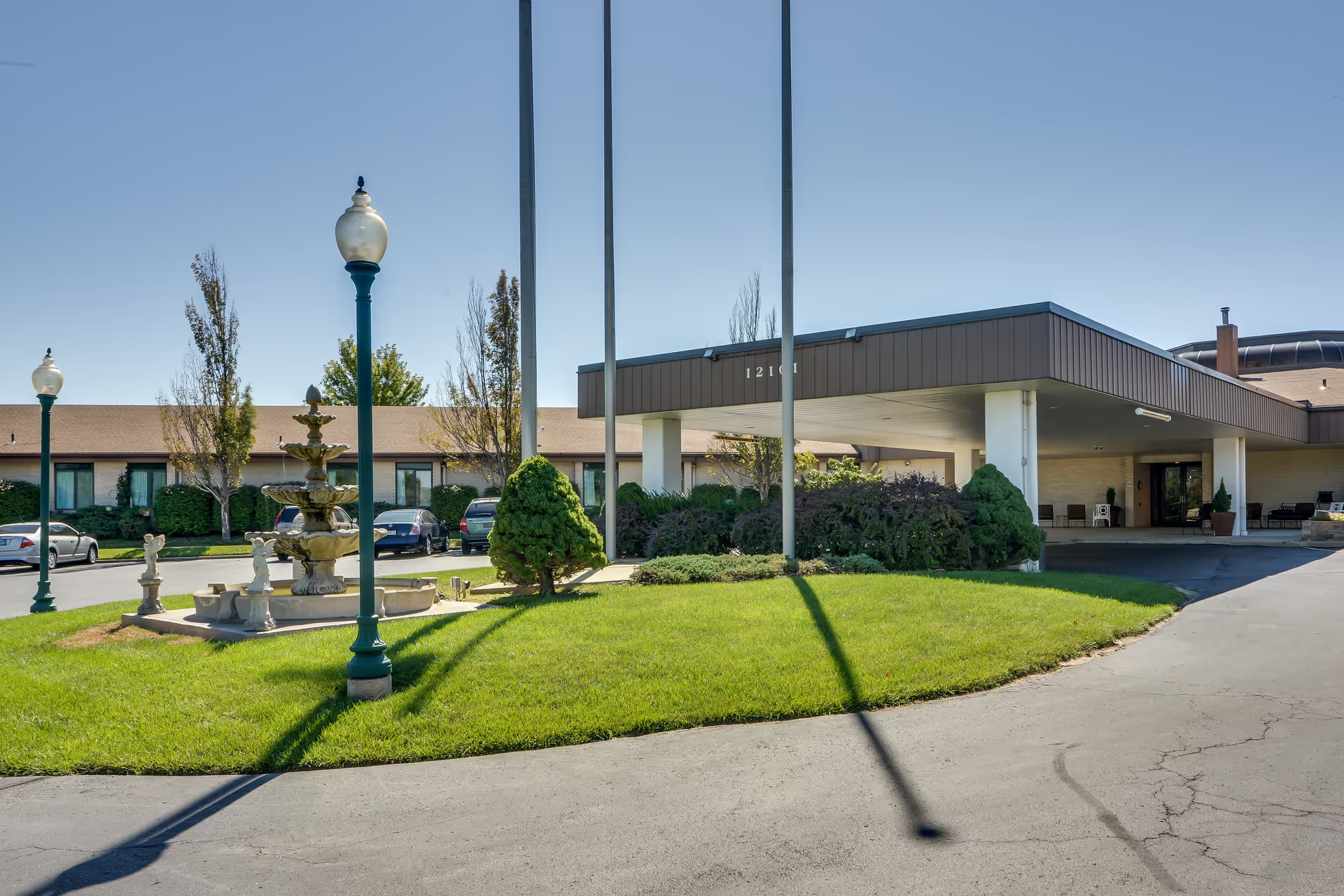
Jackson Creek Memory Care presents a mixed but clearly patterned profile. Physically the community is frequently described as bright, home-like and well appointed: spacious apartments with large closets, accessible bathrooms, an open dining area, and attractive landscaping including courtyard access and an indoor bird sanctuary. Families and residents consistently praise an active events calendar—music, live performances, crafts, religious groups, shopping trips and social hours—and point to on-site rehabilitation services as an added convenience.
Staffing and direct-care quality are the most polarizing elements. Many families describe compassionate, personable caregivers who know residents by name and who create a warm, family-like atmosphere; several accounts single out effective leadership and individual nurses or CNAs for strong performance. At the same time, a substantial set of concerns centers on inconsistent staffing levels, uneven shift coverage and workload-distribution problems. These operational gaps have been linked to slow responses to call lights and care requests, delays in medication administration or IV access, and gaps in supervision for residents at elevated fall risk. Families described variability in nursing responsiveness and clinical follow-through, which creates a broad difference in experience depending on shift and staff assignment.
Dining and kitchen services also show mixed performance. Some reviewers praise the kitchen team and cite enjoyable meals; others describe inconsistent meal quality, cold or incomplete plates, and instances where menus were not followed or items ran out. Those differences suggest variability in meal-service continuity and portioning rather than a single stable standard. Therapy and rehab offerings exist on site, but families reported variable therapy intensity and follow-through relative to expectations.
Operational and management patterns are notable. Multiple comments indicate high staff turnover and, in some accounts, service reductions following a change in ownership; others report improvement under more recent leadership. Communication gaps between families and management, missed housekeeping or linen changes, and perceptions that appearance or amenities are sometimes prioritized over clinical consistency recur across feedback. Maintenance concerns and deferred repairs were mentioned in some accounts, indicating periodic facility-maintenance issues.
What stands out for prospective families is the degree of variability: the facility shows clear strengths in environment, activities, and many individual caregivers, but also recurring operational weaknesses in staffing, medication timing, meal consistency, supervision of higher-risk residents, and management communication. A practical approach for families considering Jackson Creek is to tour during multiple shifts, ask for current staffing ratios and turnover data, review medication-administration protocols and fall-prevention practices, and request recent examples of quality-improvement actions taken by leadership.