Jackson Creek Post Acute presents a mixed profile: many reviewers praise the physical plant, amenities and therapy services, while recurring operational issues — primarily around staffing, responsiveness and clinical consistency — drive much of the negative feedback.
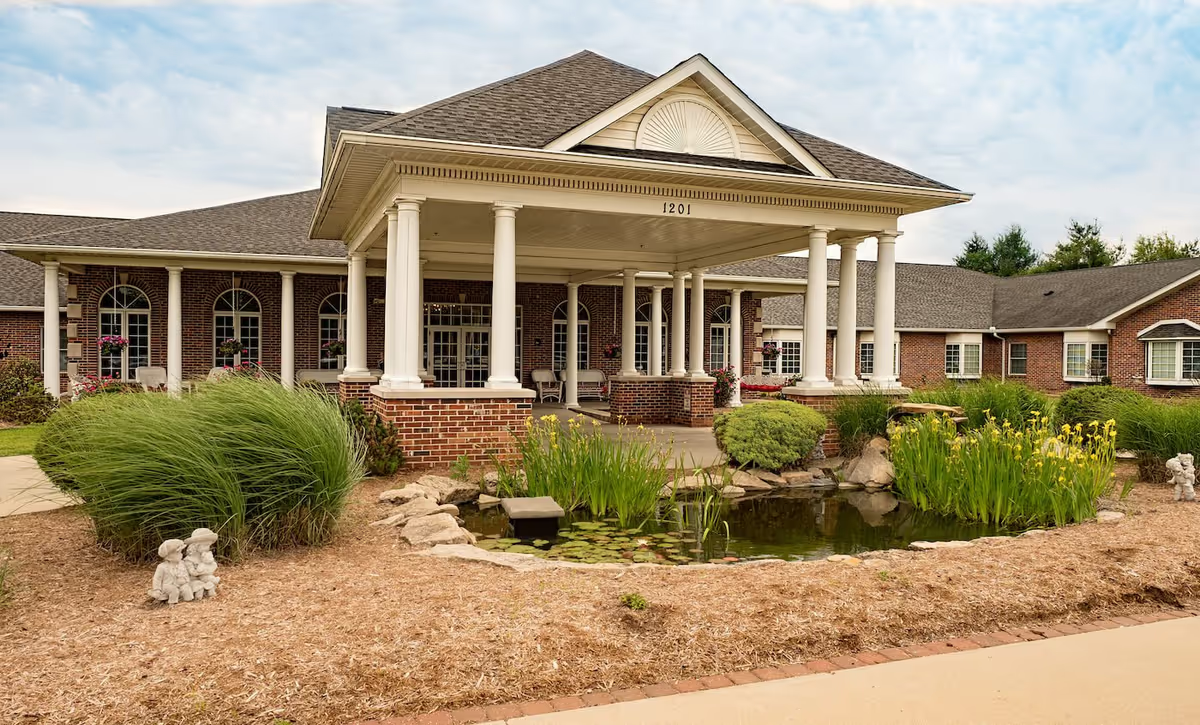
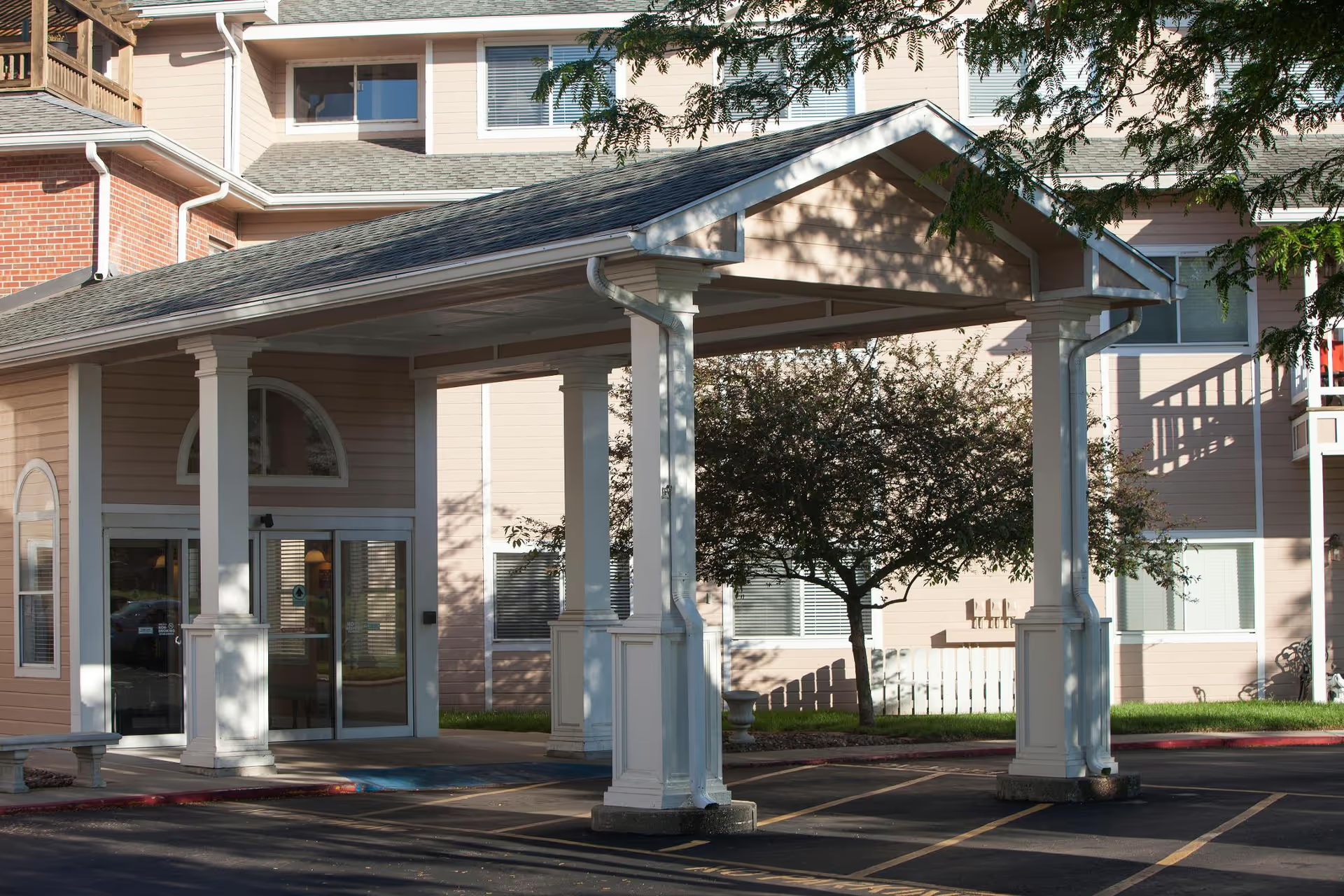
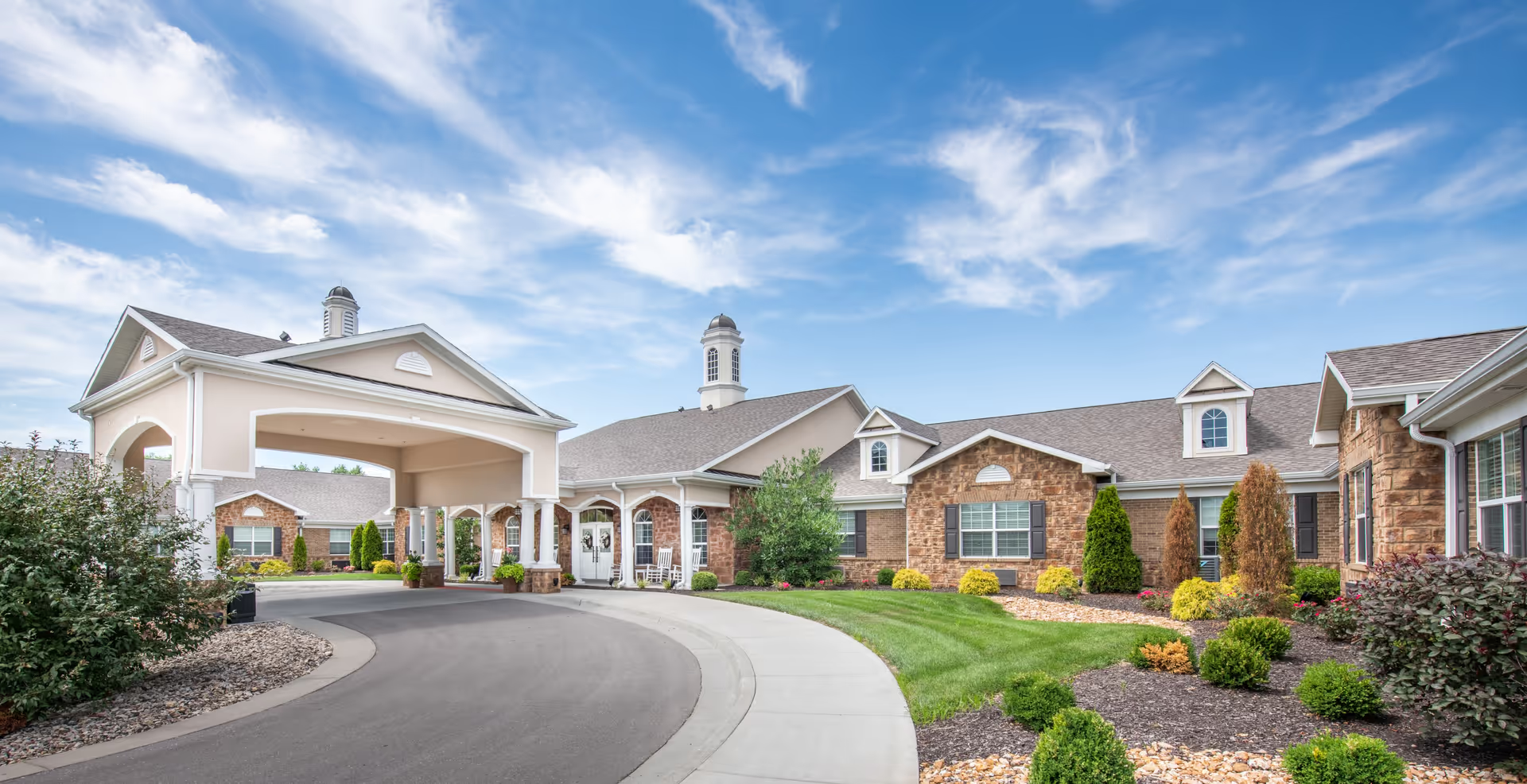
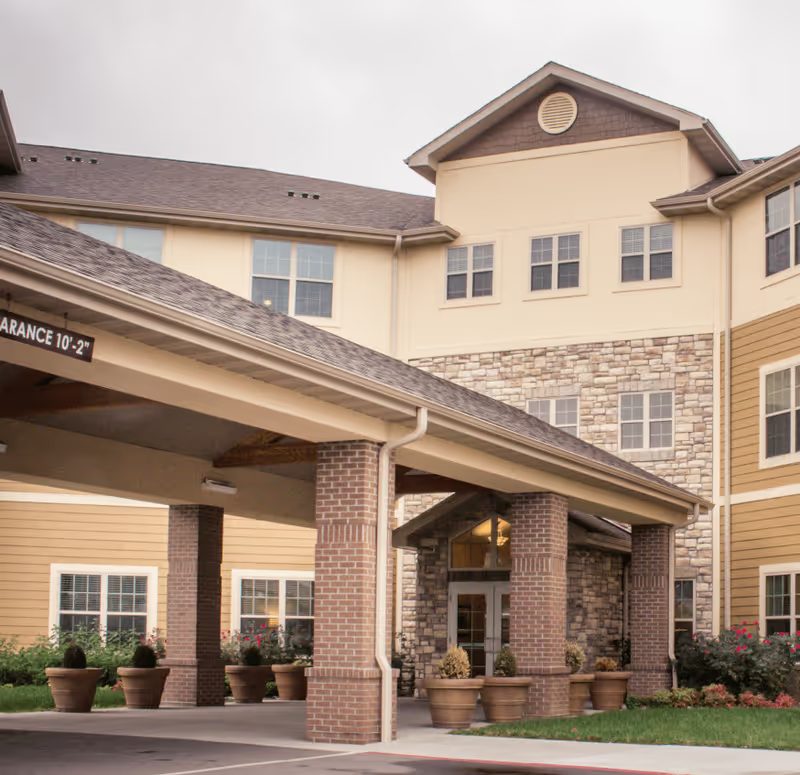
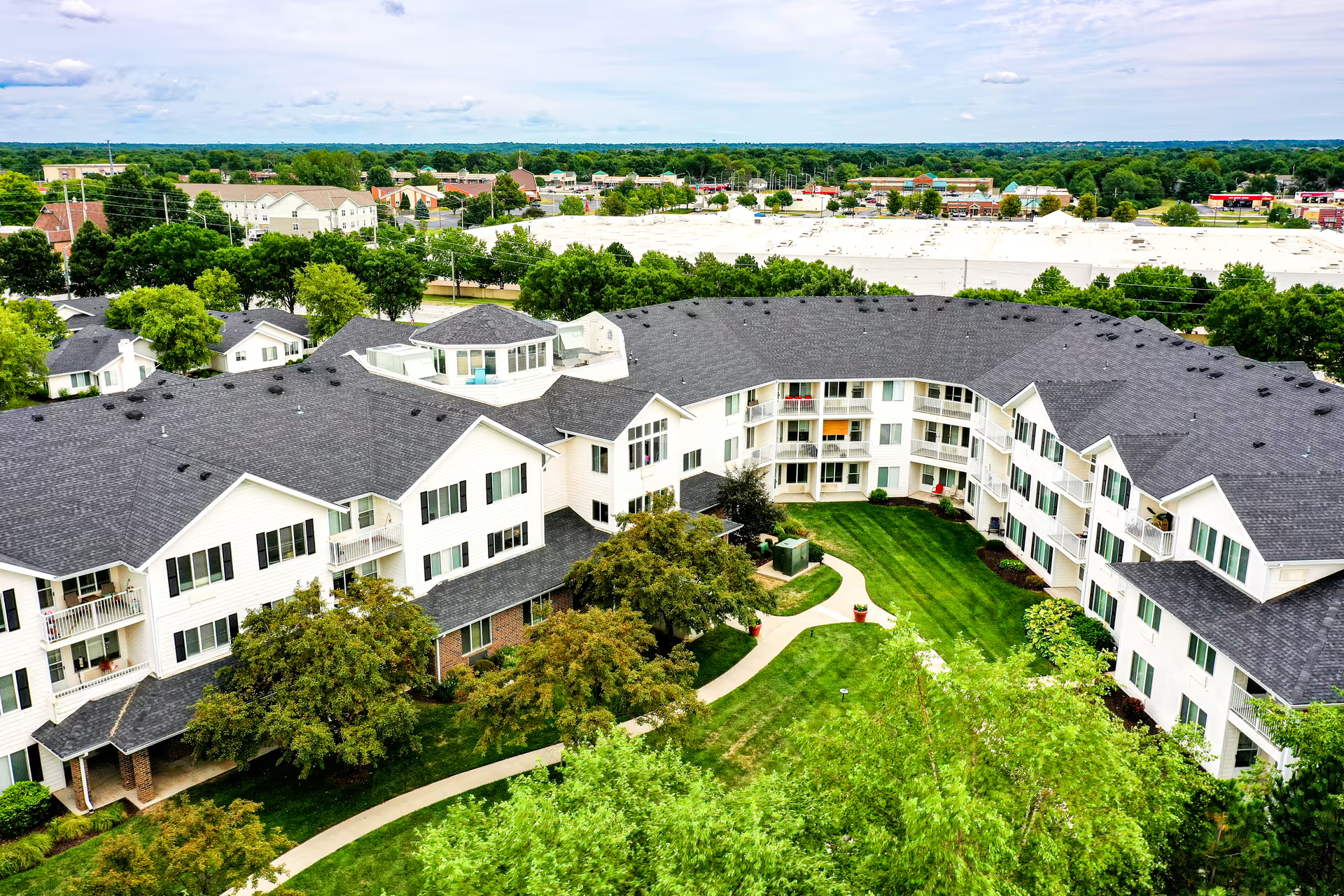
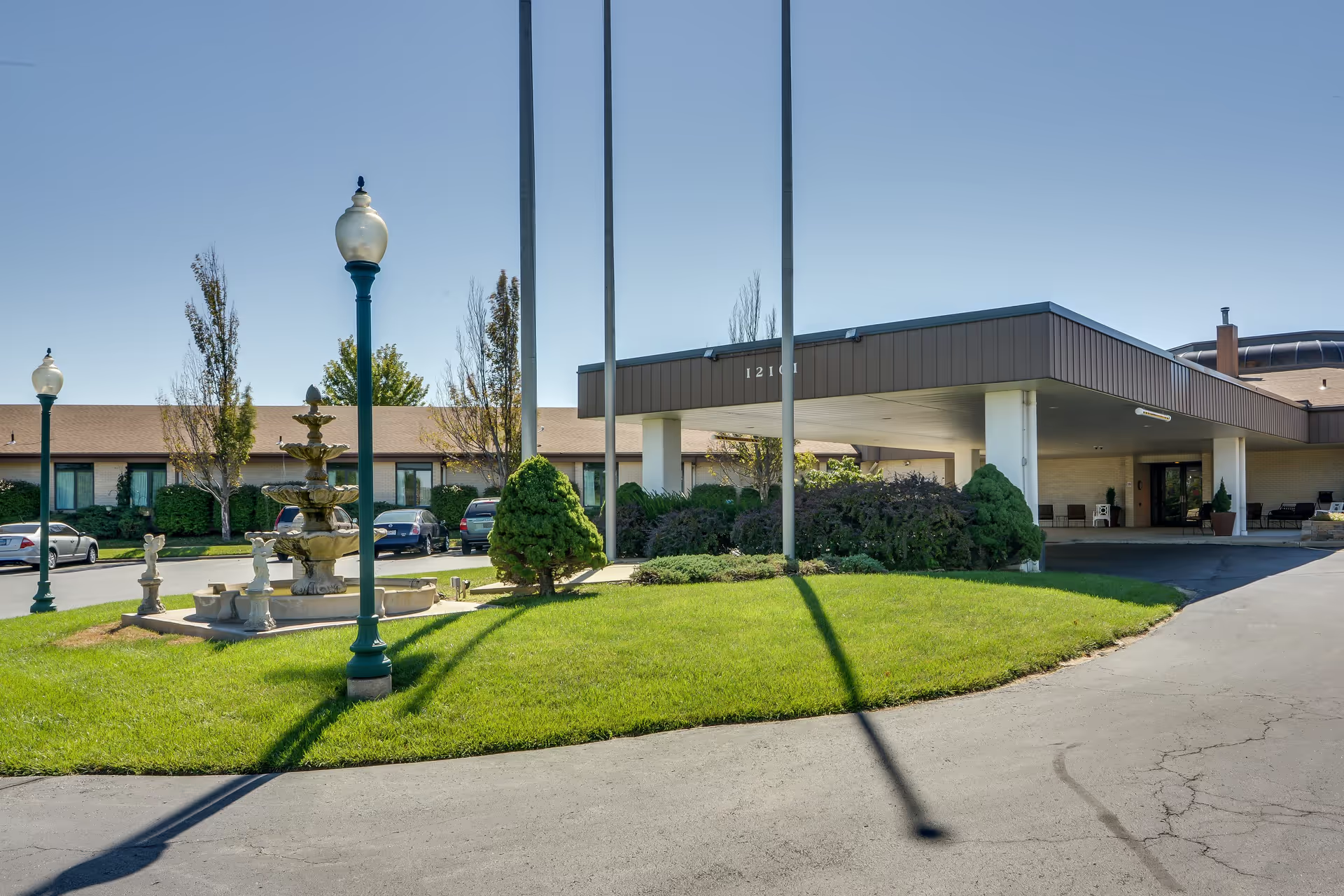
Facilities and activities: The campus is frequently described as attractive, newer and well maintained, with spacious rooms (including large walk-in closets), multiple common areas and amenities such as a chapel, salon, theater and casual dining options (ice-cream/candy shop, private dining-room). The activities program is a clear strength for ambulatory residents, with frequent scheduled events (music, tap dancing, movie nights, arts and crafts, bingo) and an active volunteer presence. Location and logistics are convenient for many families, with proximity to hospitals and shopping and an on-site shuttle/transportation service.
Clinical care and staffing: Therapy and rehabilitation are commonly cited as strong elements; physical and occupational therapists and rehab staff receive consistent praise for helping residents regain mobility. By contrast, nursing and direct-care coverage is described as uneven. Common themes include delayed responses to call lights, late or missed medication administration, and variable nurse and aide responsiveness — issues that reviewers indicate are more pronounced on nights and weekends. Several accounts suggest the facility is better suited for short-term rehab or residents who are ambulatory than for residents with high-acuity or extensive assistance needs.
Dining and housekeeping: Opinions on dining are mixed. Some families find the dining atmosphere pleasant and meals acceptable for residents who can dine in the dining room; others note cold or mis-timed meals and inconsistent portioning or menu delivery. Housekeeping and maintenance are frequently commended for cleanliness of common areas and rooms, though isolated sanitation and pest-control concerns are raised for select units.
Management and communication: Experiences with administrative staff show substantial variability. Social work and some administrators receive positive mentions for clear communication and helpful discharge/placement assistance. However, other reviewers describe lapses in family communication, billing/administrative follow-through, and inconsistent accountability when clinical problems are raised. These mixed impressions suggest that leadership and on-the-ground execution can differ by shift and by individual staff members.
Notable patterns and considerations: Strengths are concentrated around the environment, therapy/rehab services, activities and housekeeping; weaknesses cluster around staffing consistency, timely clinical responsiveness, medication management and communication. Prospective families should assess the facility’s staffing ratios and weekend/night coverage, ask for documentation of medication and therapy schedules, inquire about protocols for repositioning/wound care and call-light response times, and meet core nursing leadership. For residents requiring high levels of nursing care or frequent assistance with transfers and toileting, the facility may not consistently meet expectations; for short-term rehab or more independent residents, many families report positive outcomes.