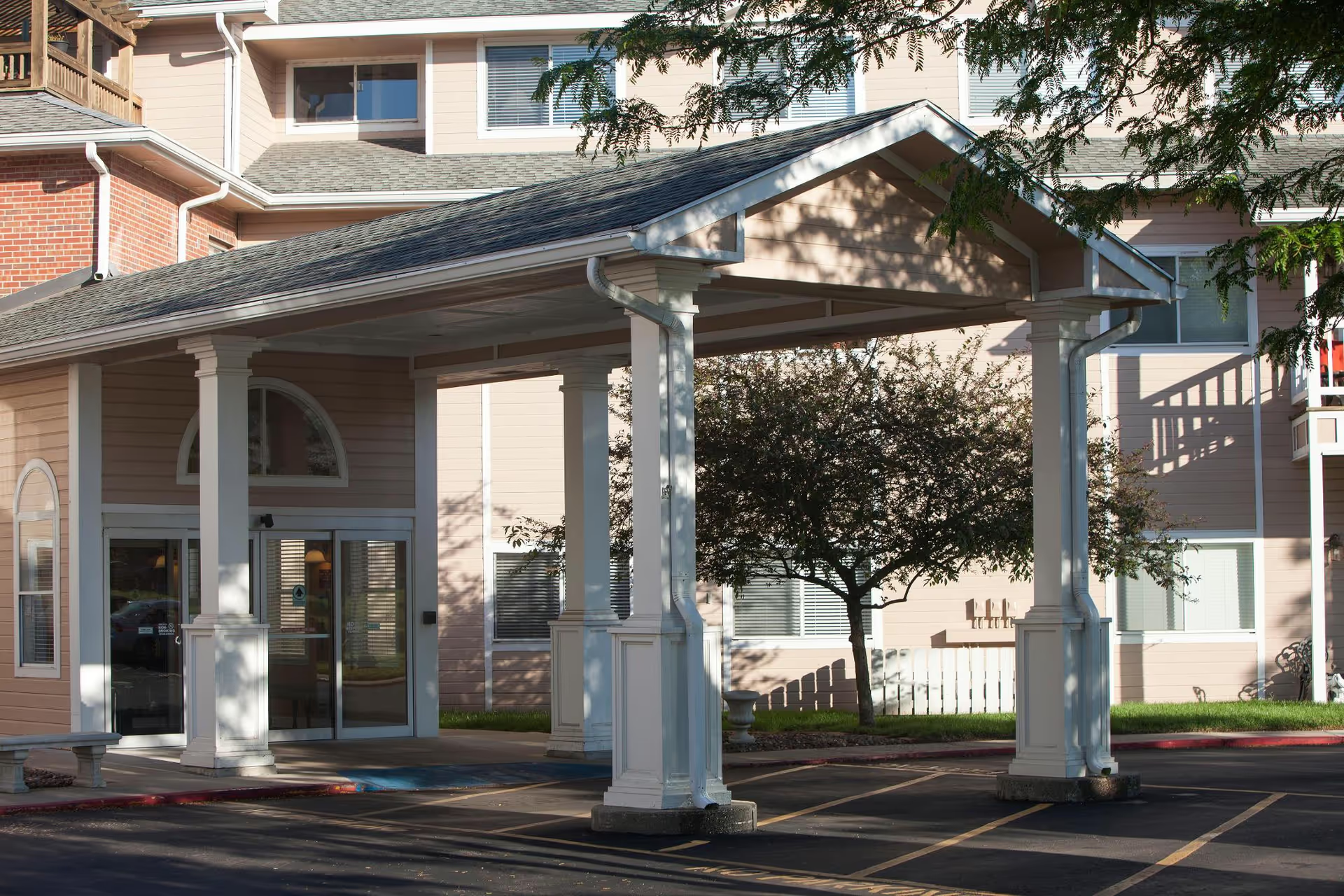
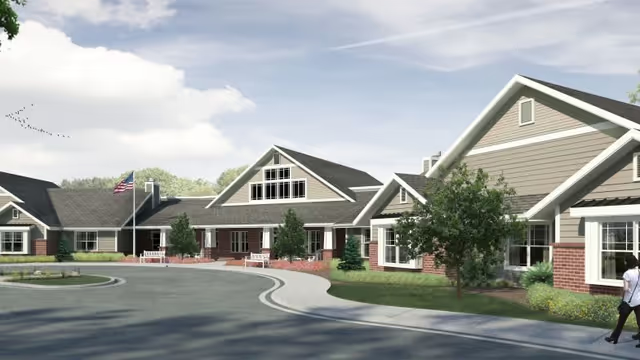
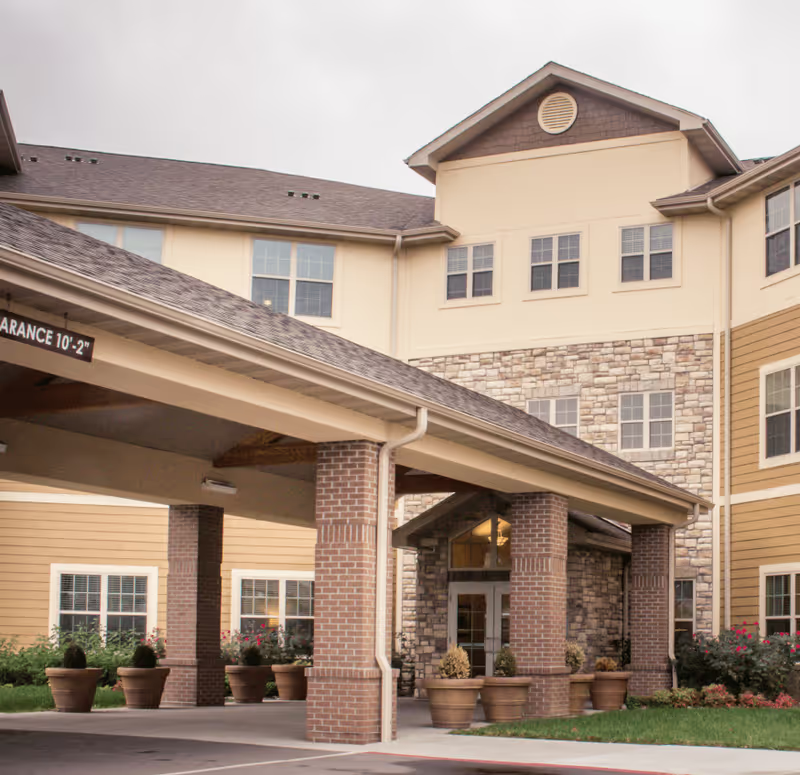
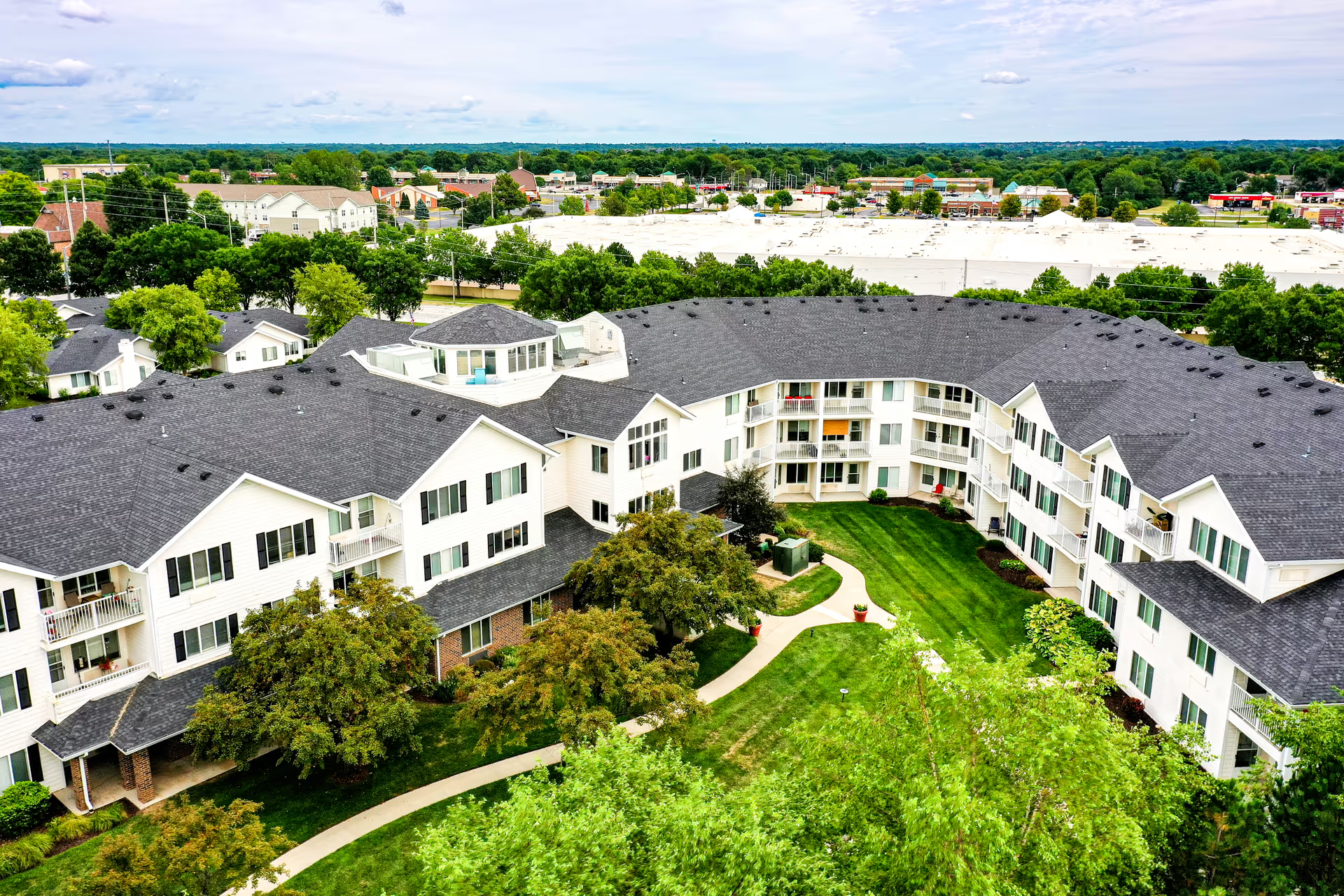
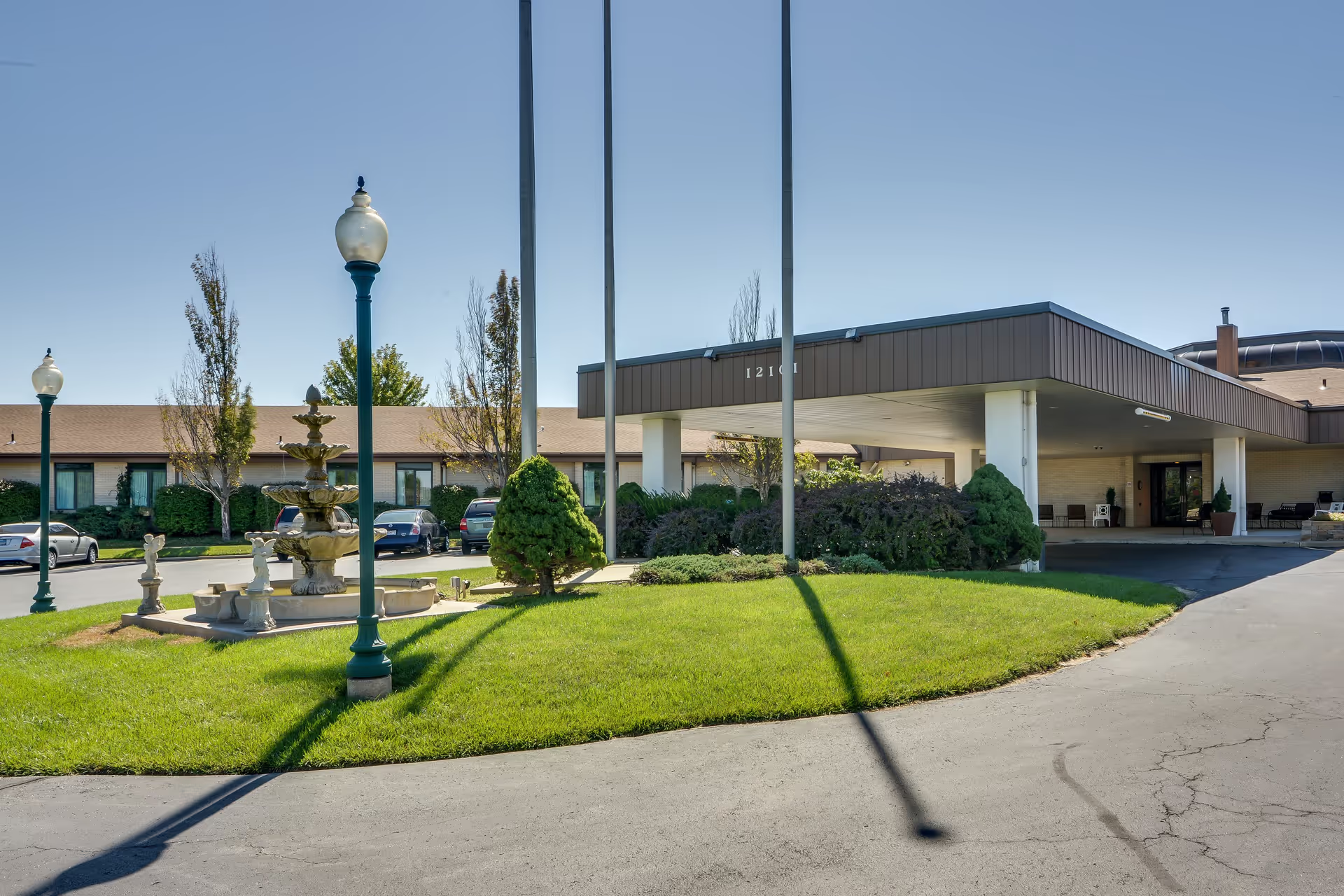
Community feedback on Monterey Park Rehabilitation & Health Care Center is mixed, with a substantial number of accounts praising the clinical therapy programs, many frontline caregivers, and the physical environment, alongside a parallel set of operational concerns that families should evaluate before placement. Positive comments emphasize strong physical and occupational therapy teams, attentive CNAs and nurses who can be compassionate and solution-oriented, large clean rooms with natural light, and pleasant outdoor spaces and amenities such as a salon and guest dining. Several narratives describe effective rehabilitation outcomes, skilled wound-care or specialty nursing attention, and administrators who engage constructively when concerns are raised.
Care quality appears uneven across shifts and units. While many families describe caring, competent nursing staff and useful therapy-driven progress, others describe gaps in night and weekend coverage, delayed response to call lights, and variability in personal-care assistance including toileting and bathing schedules. Medication management emerges as a recurrent operational weakness: reviewers cite delayed or missed doses, limited notification when medication regimens change, and occasional lapses that prompted escalation to outside clinicians. Safety monitoring and fall-risk oversight were also highlighted as areas needing improvement in facility processes.
Dining and daily-life offerings show a split experience. The facility receives praise for restaurant-style dining, choice-driven menus, and hot, generous portions in many accounts; at the same time, other families reported cold meals, limited menu variation, portion inconsistencies, and occasional timing problems. Activity programming and social amenities (courtyard, garden, pet-friendly visits, salon) are commonly listed as strengths, though activity frequency and availability of visitor seating in dining areas were described as variable.
Facilities and operational concerns are notable in several domains. Cleanliness and sanitation are generally described as acceptable to good in many areas, but intermittent odor concerns, inconsistent housekeeping, and lapses in linen changes were also described. Security and possessions management surfaced as a serious concern in a few accounts, including allegations of missing belongings. Infection-control and outbreak communication (including COVID-related transparency) were raised as process gaps. Administrative responsiveness earns mixed marks: some reviewers describe an approachable, improvement-focused management team and strong directors of nursing and admissions; others describe difficulty contacting leadership, inconsistent follow-through on care plans, and disputes over discharge timing and payment or Medicare interactions.
In summary, Monterey Park demonstrates clear strengths in rehabilitation services, many dedicated caregivers, and a generally well-maintained physical plant and amenities — factors that have supported positive short-term recoveries and family satisfaction for numerous residents. Persistent operational issues centered on staffing consistency (especially nights), medication and care-plan communication, housekeeping consistency, and security of personal belongings create variability in the lived experience. Prospective residents and families should tour multiple units, ask targeted questions about night staffing ratios, medication-change notification protocols, individualized care plans, laundry and possessions safeguards, and recent regulatory history, and consider arranging a short trial stay when feasible to observe day-to-day consistency prior to committing to long-term placement.