Overall impression: Reviews for The Rehabilitation Center of Independence are highly mixed, with a clear split between strong praise for the therapy program and frequent operational concerns. Many families describe notable rehabilitation gains, effective PT/OT teams, and successful transitions home, while a substantial set of accounts raises recurring issues related to staffing, timeliness of care, and facility upkeep. The pattern suggests a facility with important clinical strengths (especially in therapy) alongside persistent service-delivery and consistency challenges that can affect day-to-day resident experience.
Care quality and clinical concerns: The facility's therapy services receive consistent positive feedback for clinical skill and measurable recovery outcomes. Nursing and CNA staff are described as compassionate and hardworking in many accounts, but reviewers also reported delays in medication administration, missed or inconsistent medication documentation, slow responses to call lights, and inconsistent pain management. Several accounts raised concerns about wound-care oversight, oxygen management errors, and delayed assistance after falls; these are described as individual but serious clinical lapses. Families should ask about medication administration protocols, wound-care procedures, and fall-response processes when evaluating the site.
Staffing and staff conduct: A frequent theme is understaffing and high turnover, which reviewers link to delayed call responses, limited overnight coverage, and inconsistent personal care (bathing, toileting, repositioning). Some shifts and units are described as well-staffed and attentive, while others are characterized by inattentive behavior, phone use on duty, or poor communication tone. Multiple reviews praise specific staff members and departments (therapy, certain nurses, social work, front desk), indicating variability in staff performance across the facility and shifts.
Dining and nutrition: Reviews describe variable meal service. Positive comments include adaptation for swallowing disorders and diabetes-friendly options, while negative comments center on late meal delivery, cold or low-quality entrees, and limited suitability of some menu items for residents with oral intake limitations. Meal timing and consistency appear to be operational weak points that families should clarify (meal schedules, therapeutic diets, assistance at mealtimes).
Activities and community engagement: The activities program and community events are commonly cited as strengths. Multiple reviewers note energetic programming, outings, special presentations, and staff who engage residents, contributing to positive resident mood and socialization. This area appears to be a consistent positive across both short-term rehab and long-term residents.
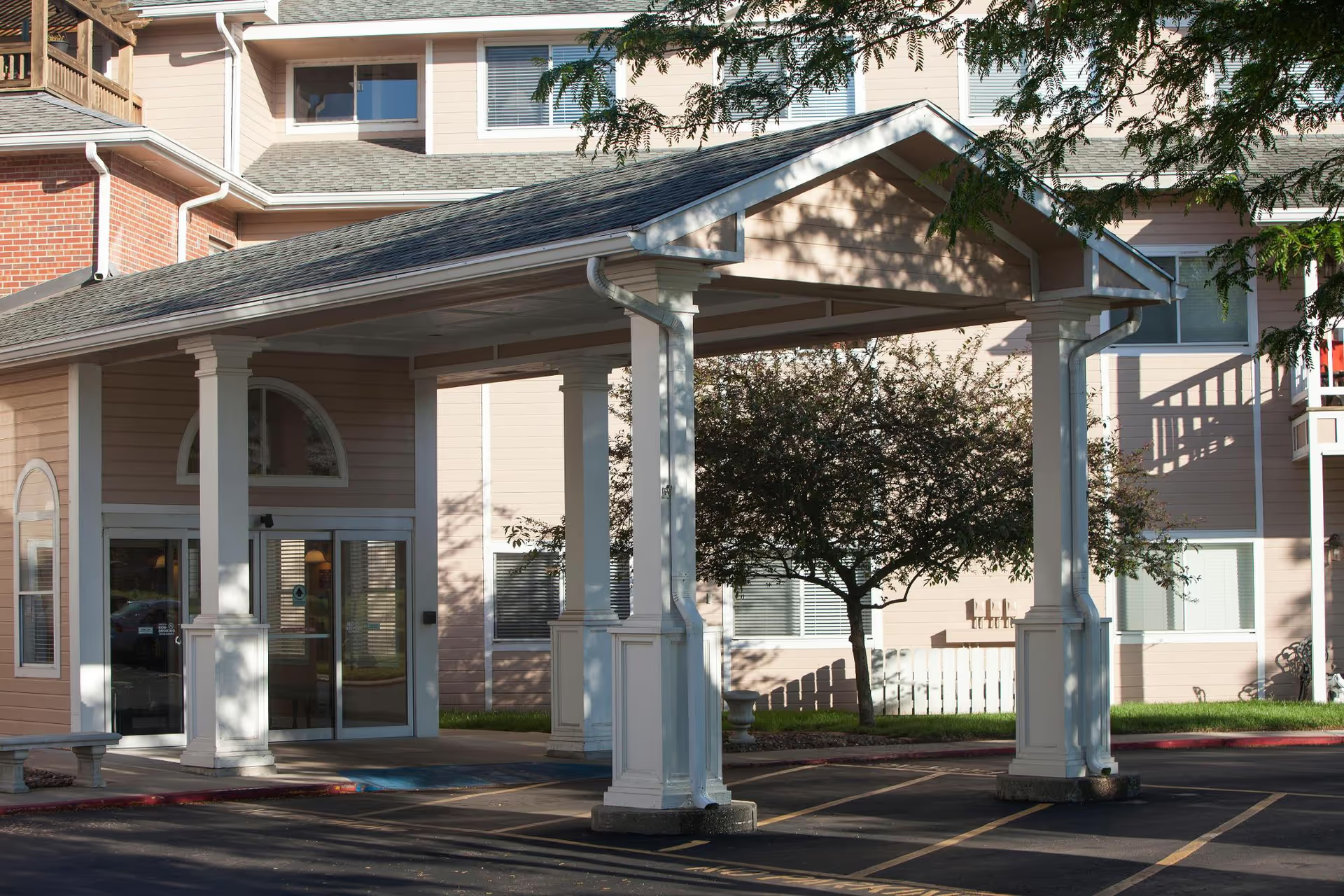
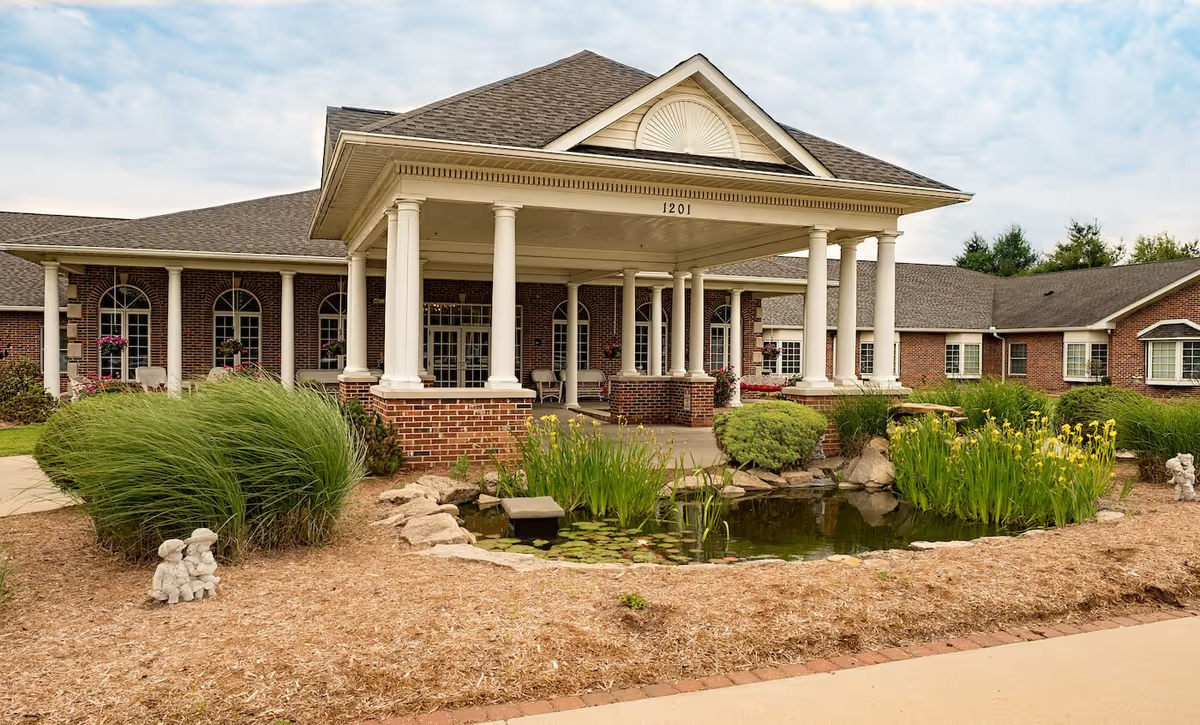
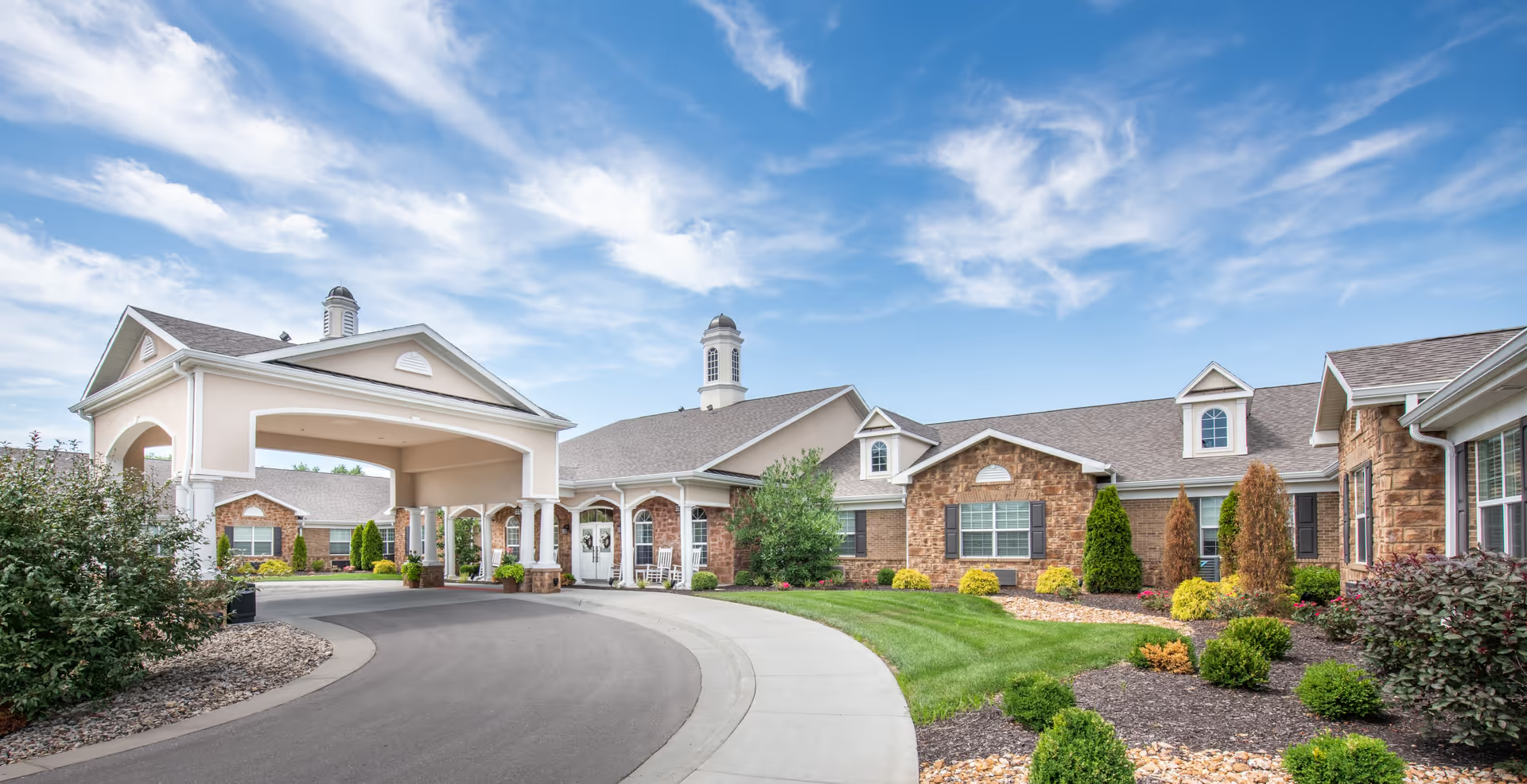
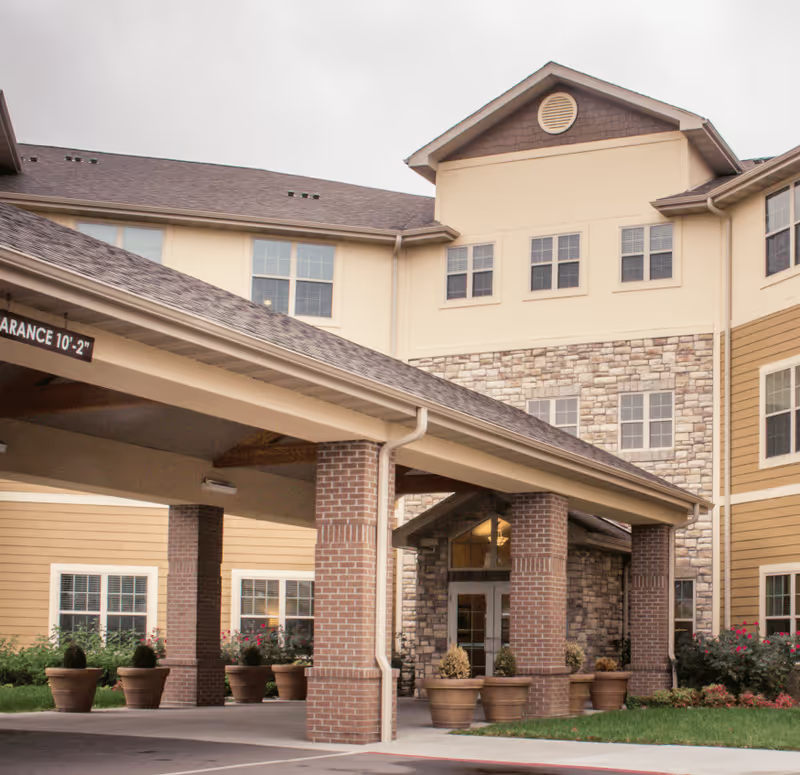
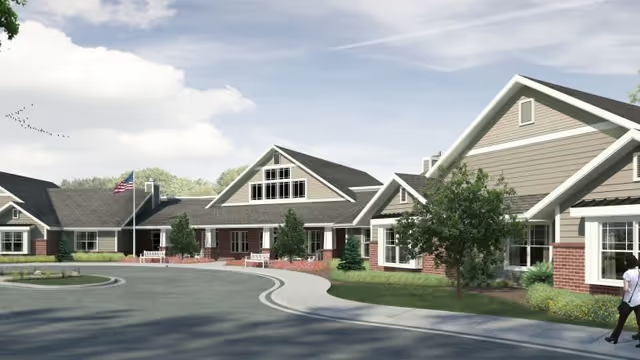
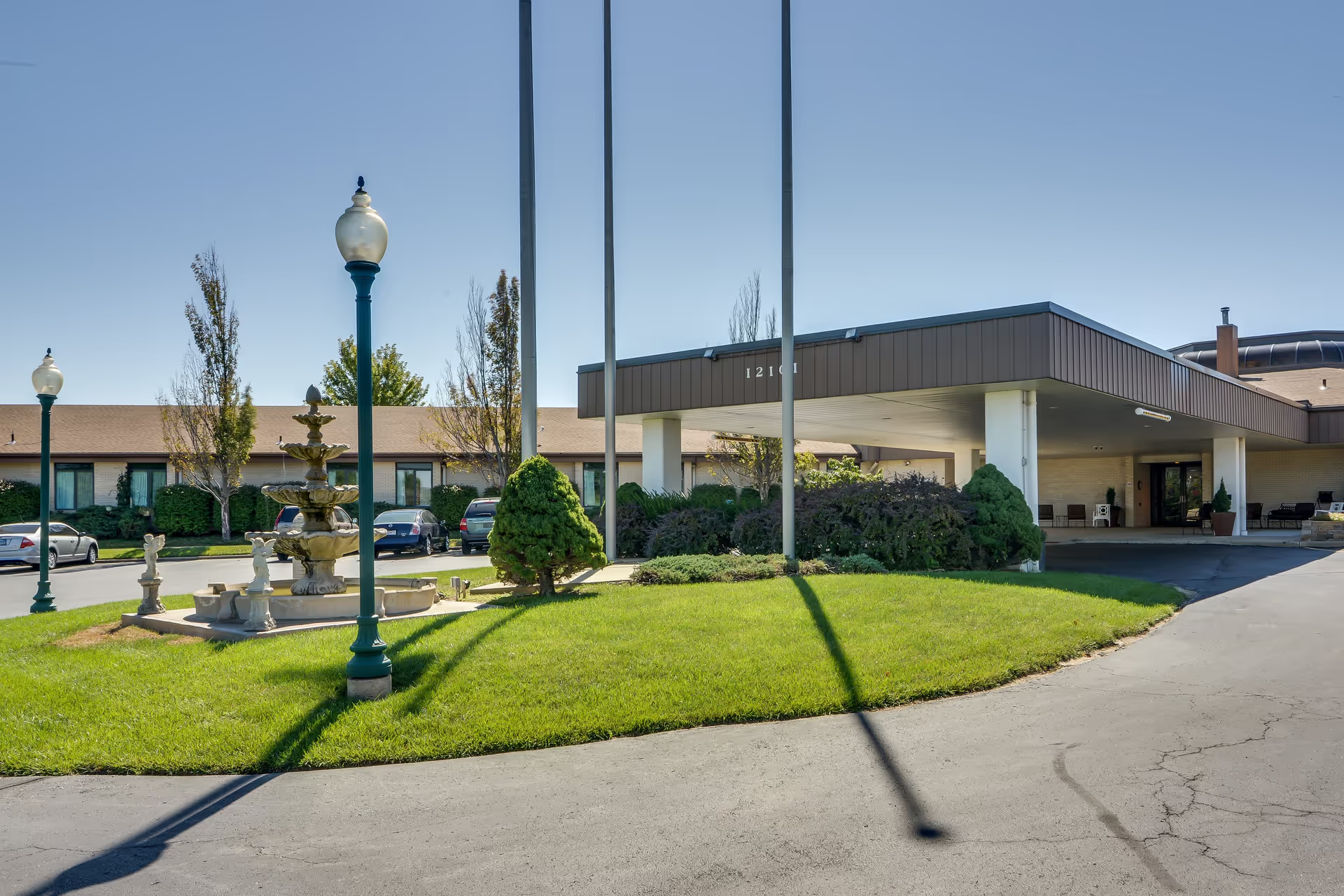
Facilities, housekeeping, and property management: Opinions on facility condition are mixed. Some reviewers describe clean, well-maintained public areas and attractive landscaping; others note dated paint, broken fixtures, corners with inadequate cleaning, and pest-control or sanitation concerns in specific units. Laundry services and return of personal items were repeatedly identified as problematic in some accounts, with lost or delayed clothing and slow turnaround for linens. Prospective families should ask about housekeeping routines, pest control, and laundry/property policies.
Management, communication, and business practices: Reviewers describe a range of administrative experiences. Several accounts praise recent leadership changes, improved morale, and responsive administrators; others describe poor communication, billing disputes, and problematic discharge coordination. There are isolated but significant claims alleging theft and billing irregularities; those are serious allegations described by some families and warrant careful inquiry and documentation. Overall, communication with families and transparency around incidents, billing, and discharge planning are areas where experiences varied considerably.
Notable patterns and recommendations: The dominant pattern is polarization: strong, reliable rehabilitation care and highly regarded individual staff members contrasted with operational inconsistencies that can materially affect resident safety and comfort. When considering this facility, families should verify current staffing levels (including overnight coverage), ask about medication administration and documentation practices, review wound-care and fall-response protocols, confirm laundry and personal-item procedures, and evaluate dining schedules and therapeutic diet capabilities. If choosing the facility, frequent family advocacy and clear documentation of concerns appear important based on the reviews. Finally, prospective residents and their families may want to request recent inspection results and speak directly with therapy, nursing leadership, and the admissions team to get a current, unit-specific picture of care quality and operational reliability.