The reviews present a mixed but coherent picture: the facility has a substantial number of strengths around resident engagement, therapy, and an improving leadership team, yet longstanding operational weaknesses persist in clinical oversight and consistency of basic care. Many families and observers describe a committed core of caregivers, therapists, activities staff, EVS and maintenance employees who provide compassionate, resident-centered attention and effective rehabilitation outcomes. The activities program is frequently singled out as a positive element, with dementia-focused programming, one-on-one options, group events, and plans for outdoor garden space contributing to social engagement.
Clinical quality shows a dual narrative. On one hand, reviewers cite measurable quality improvements: better CMS measures, positive survey results, removal from a special-focus designation, and notable therapy outcomes such as improved mobility. On the other hand, multiple accounts point to gaps in clinical processes—medication documentation and administration, wound care and chronic-disease follow-up, inconsistent vital-sign monitoring, and weekend or overnight coverage variability. These process weaknesses have been associated with serious family concerns about patient safety and outcomes; prospective families should ask for current staffing ratios, medication-administration protocols, and recent survey/citation records.
Staff and culture are described as both a strength and a liability. Numerous reviews praise specific staff members and leadership figures for hands-on involvement, compassionate care, and a visible turnaround in morale. Conversely, there are repeated notes about inconsistent staff competence, occasional poor conduct or communication tone, and staffing shortages that leave remaining staff overwhelmed. Turnover and management changes appear to be part of an active transition, with several reviewers describing a pronounced improvement after new leadership initiatives, while others recount earlier or ongoing frustrations.
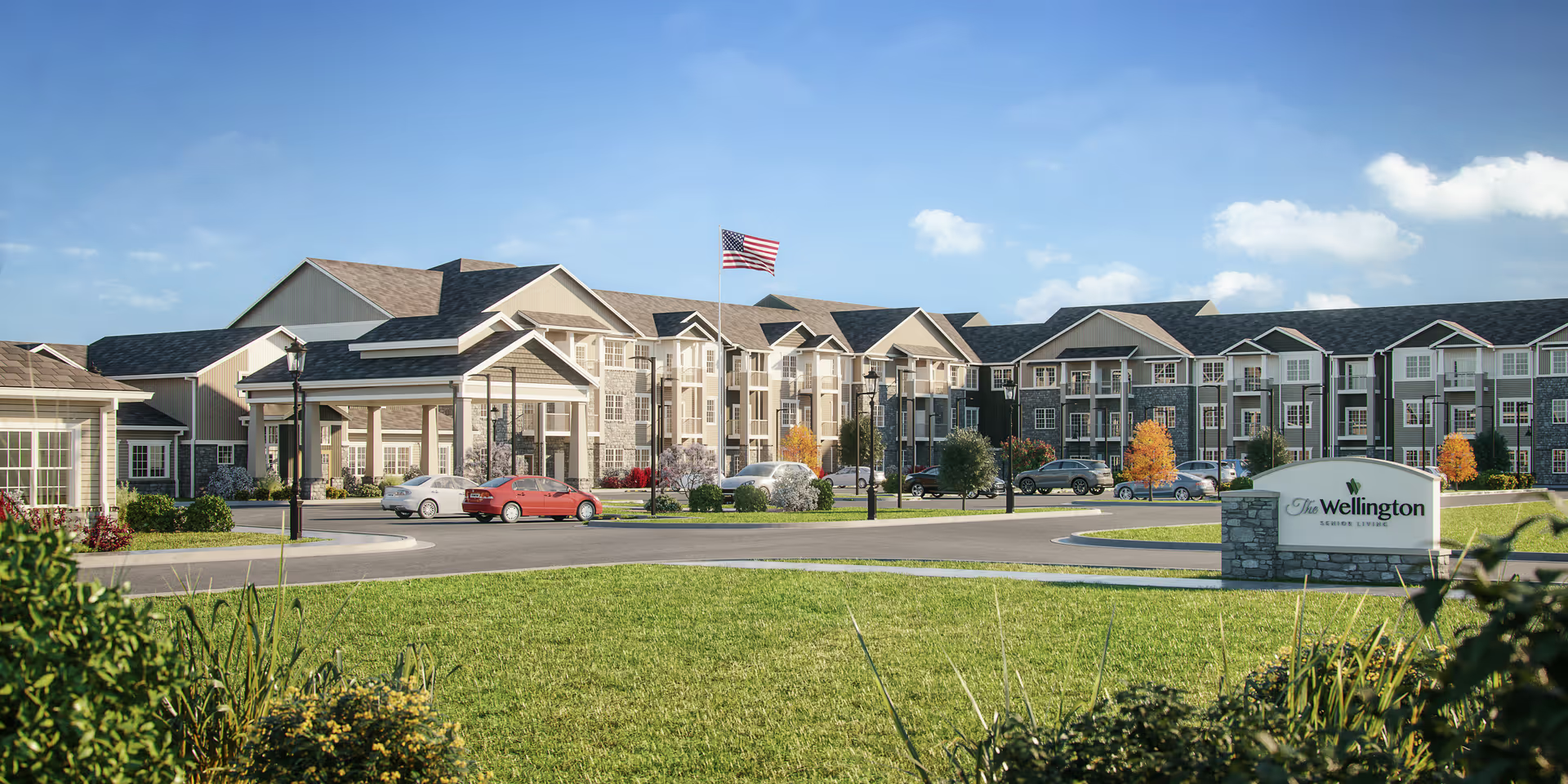
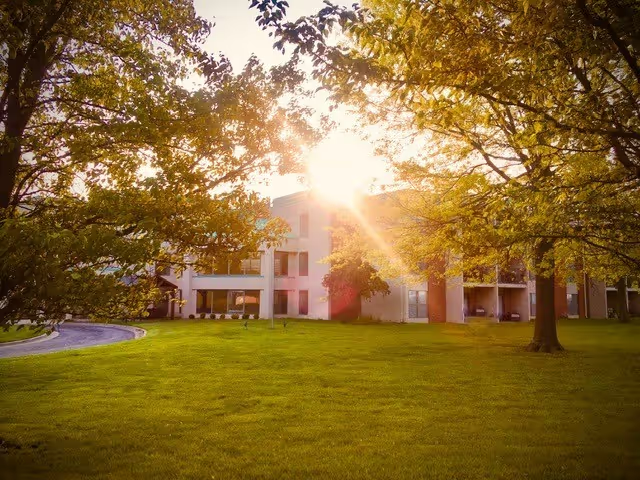
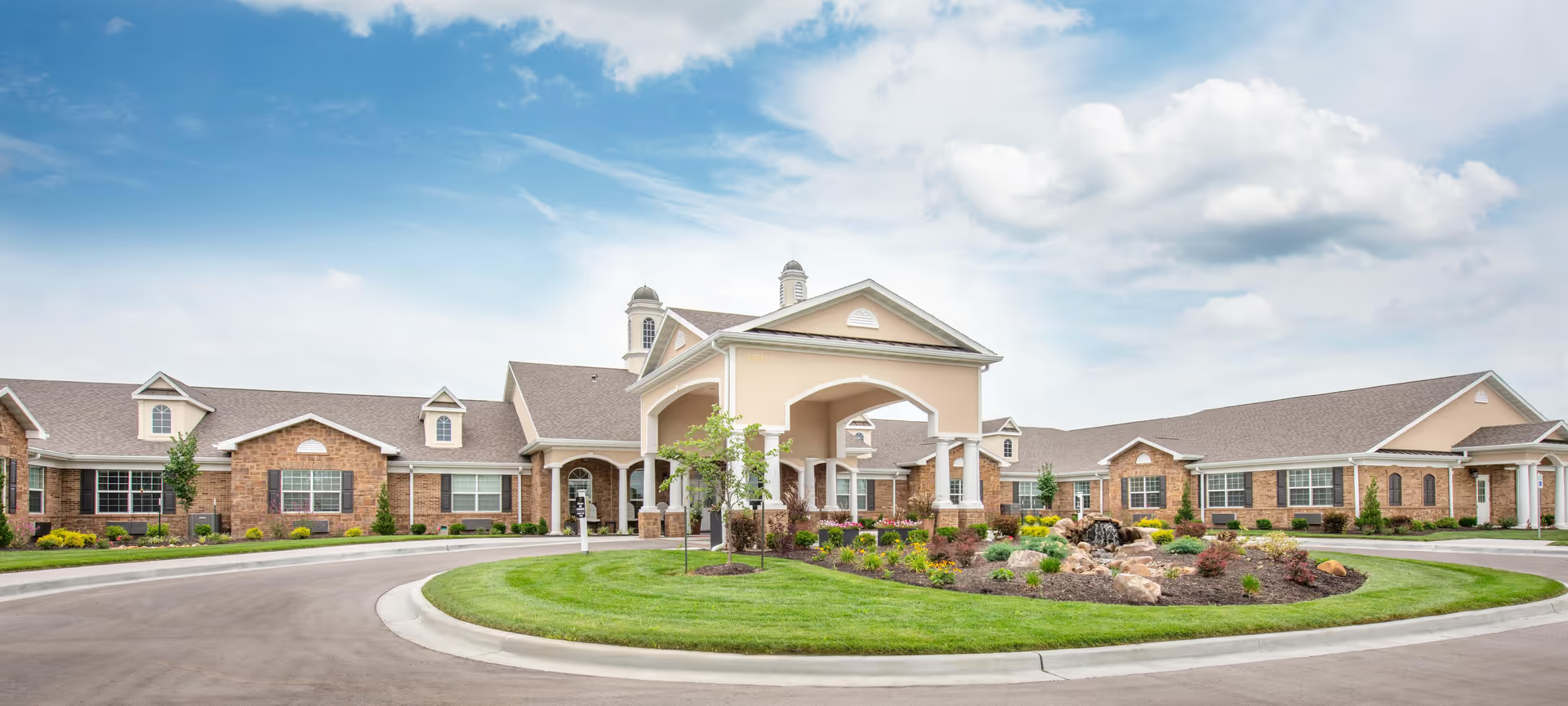
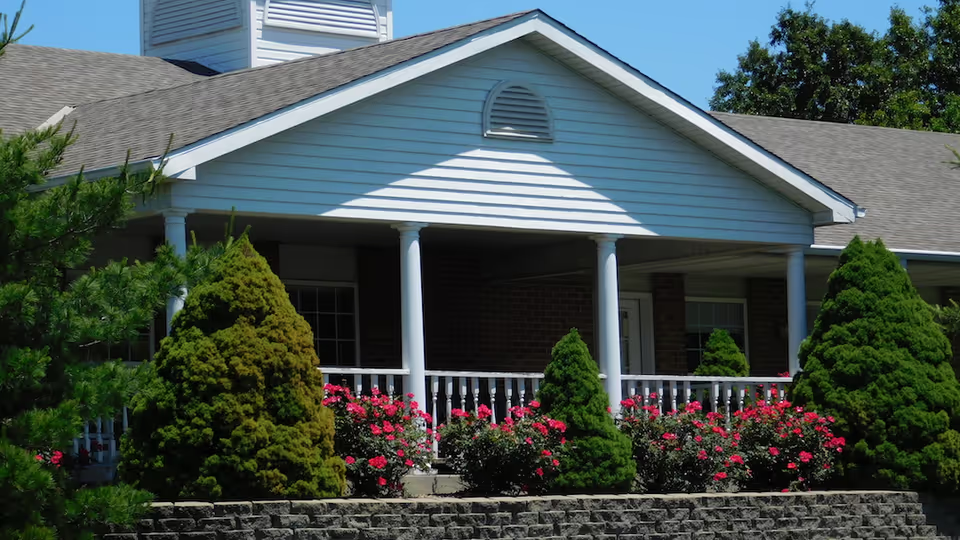
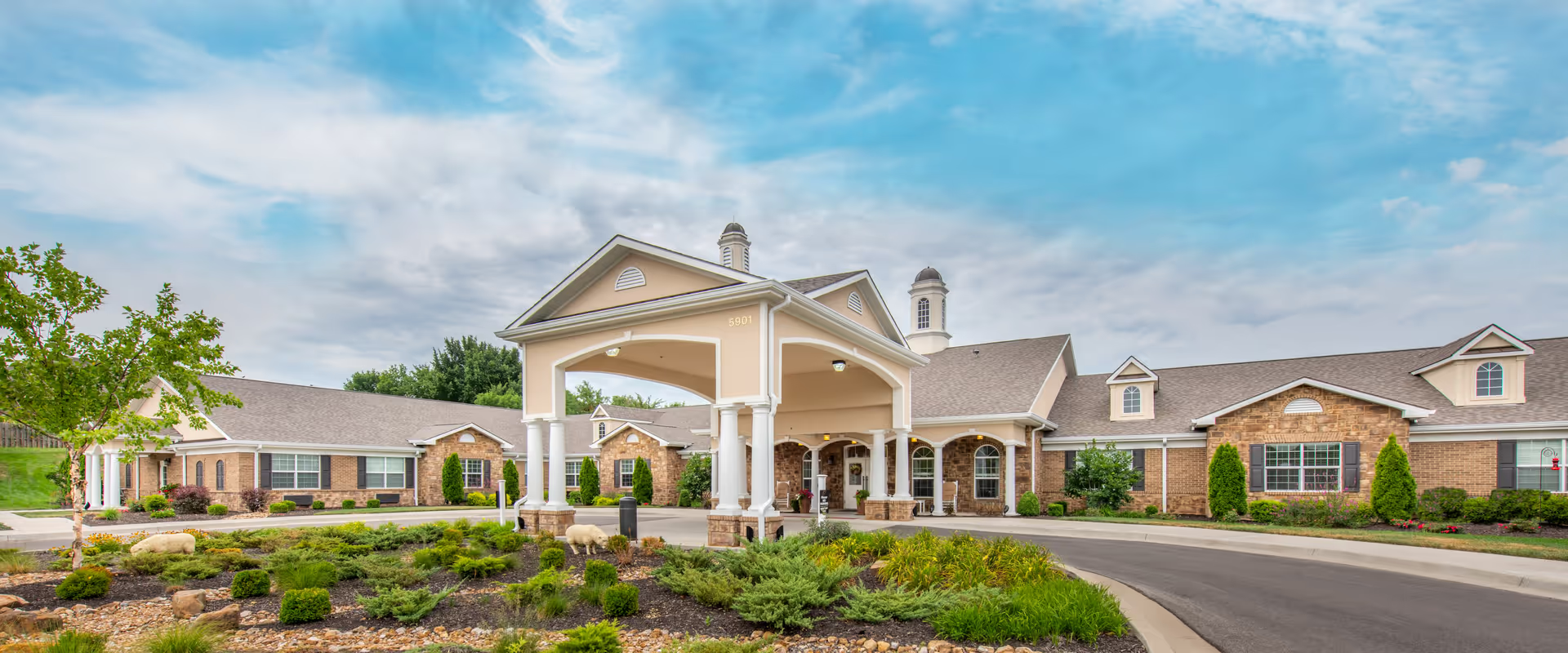
Dining, housekeeping and the physical plant receive mixed feedback. Some families commend improved cleanliness, timely laundry service, and helpful environmental staff; others describe inconsistent meal quality, cold or unappealing food, and isolated sanitation or pest-control concerns. The building is characterized as older, with ongoing renovations noted; improvements to interior and exterior areas have been observed alongside remaining maintenance and comfort issues in some rooms.
Administrative and financial issues recur as a notable pattern. Reviewers reference both helpful admissions and transfer assistance and concerning administrative behaviors, including complaints about billing, missing funds, and allegations of financial mismanagement. These are serious governance concerns and are cited alongside claims of blocked family communication or limited responsiveness from specific administrative staff. Prospective families should request transparent financial policies, checklists for transfers and discharges, and clarification about grievance and reporting procedures.
Taken together, the pattern suggests a facility in transition: there is documented improvement in regulatory measures, therapy effectiveness, and engagement efforts under newer leadership, but persistent operational risks remain—particularly around staffing consistency, clinical documentation, medication control, wound and chronic-disease management, and certain aspects of environmental care. Recommendations for families considering this facility: review the most recent state inspection and CMS data, ask for current staffing ratios and nurse coverage patterns, request specific examples of medication and wound-care protocols, tour recently renovated areas as well as long-standing units, and clarify billing and communication pathways with administration before admission. These steps will help assess whether the facility’s reported improvements are consistent and sustained for an individual resident’s needs.