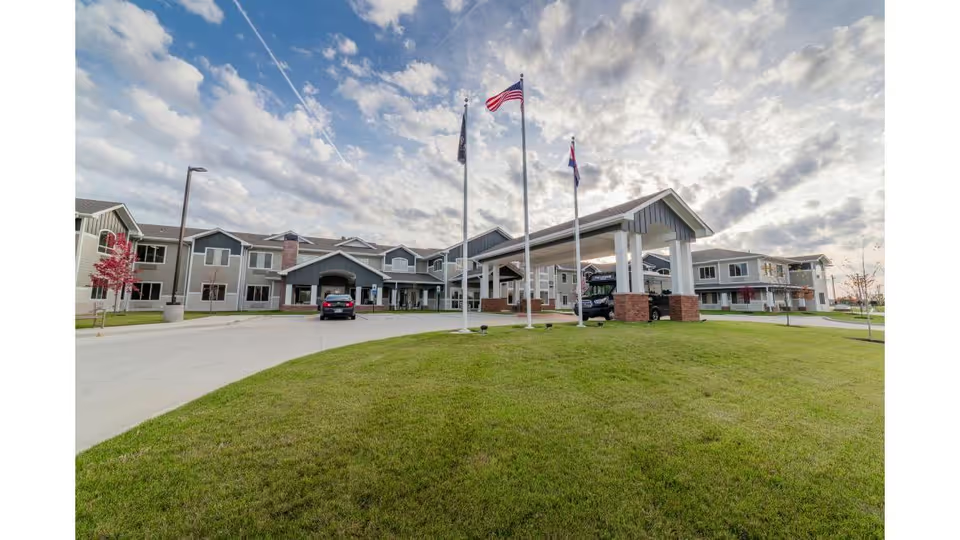
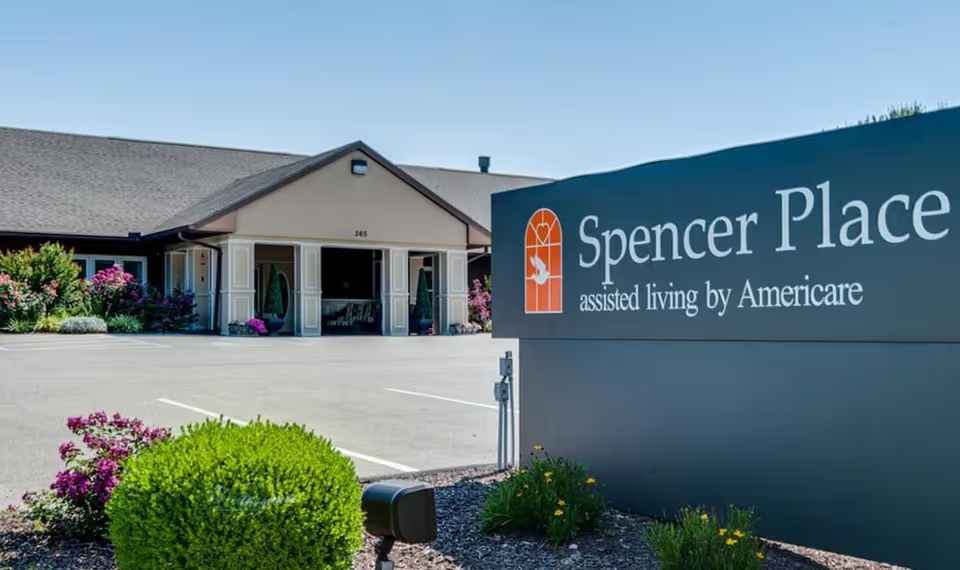
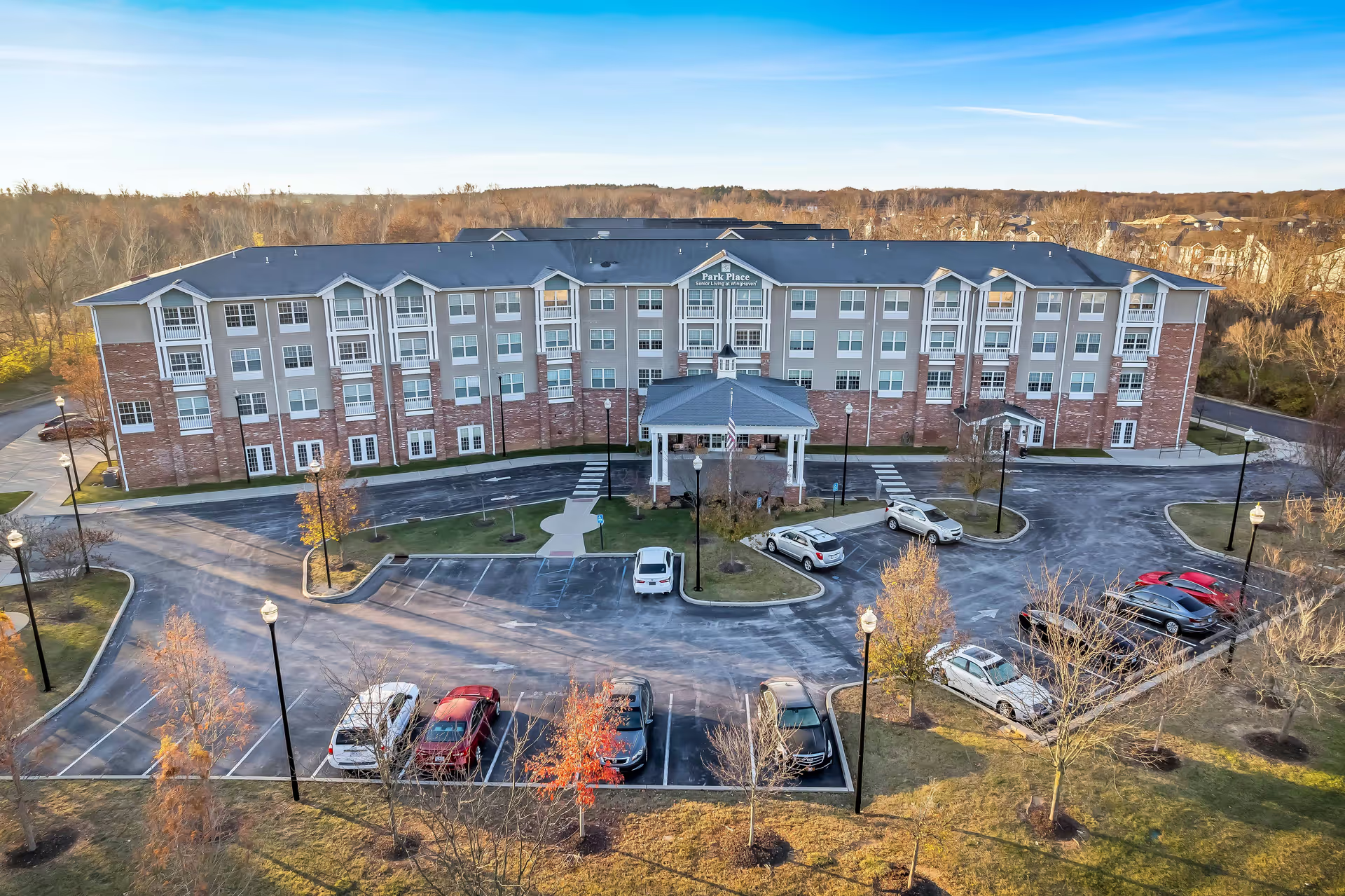
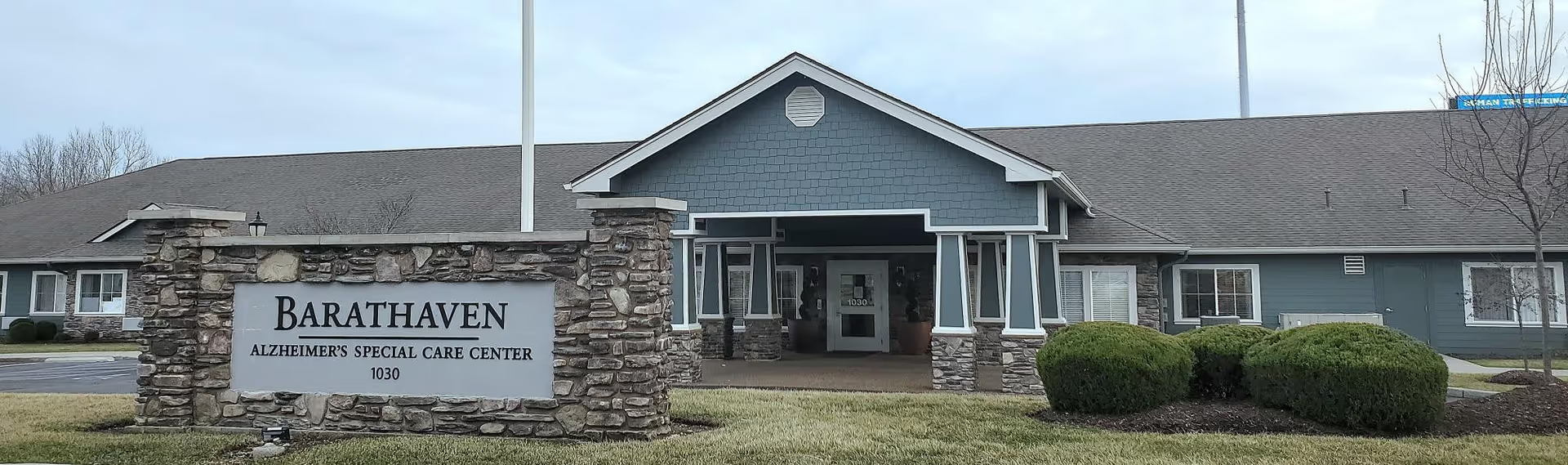
Reviewers present a polarized view of this facility. Many emphasize strengths typical of higher‑end skilled‑nursing and continuing‑care campuses: a clean, bright environment with spacious rooms and abundant natural light; a robust therapy department that delivers measurable rehab progress; varied, appealing dining with multiple choices; and an active social calendar that includes pet therapy, parties, and spiritual services. Families commonly note compassionate, personalized caregiving, responsive communication, and a continuum of services that supports short‑term rehab, respite, long‑term skilled care, and independent living.
Care delivery and staffing emerge as a mixed picture. Positive accounts describe engaged nurses, attentive aides, effective therapists, and 24‑hour support that contributed to successful discharges and functional gains. Contrasting reviews raise operational concerns including workforce instability, elevated turnover, and staffing variability between shifts (with particular concern about nights). Several comments point to inconsistent clinical oversight and coordination, including medication‑administration issues and delays in attending to resident needs. There are also citations of transfer‑safety and equipment‑response problems; these have been described in the context of individual incidents but together suggest areas to probe during a tour and pre‑admission conversations.
Dining and programming are consistently cited as strengths. Multiple reviewers praised the quality and variety of meals, availability of comfort options, and regular social events. The activity program is described as creative and family‑inclusive, with frequent events, group parties, pet visits, and on‑site religious services that support social engagement and spiritual needs.
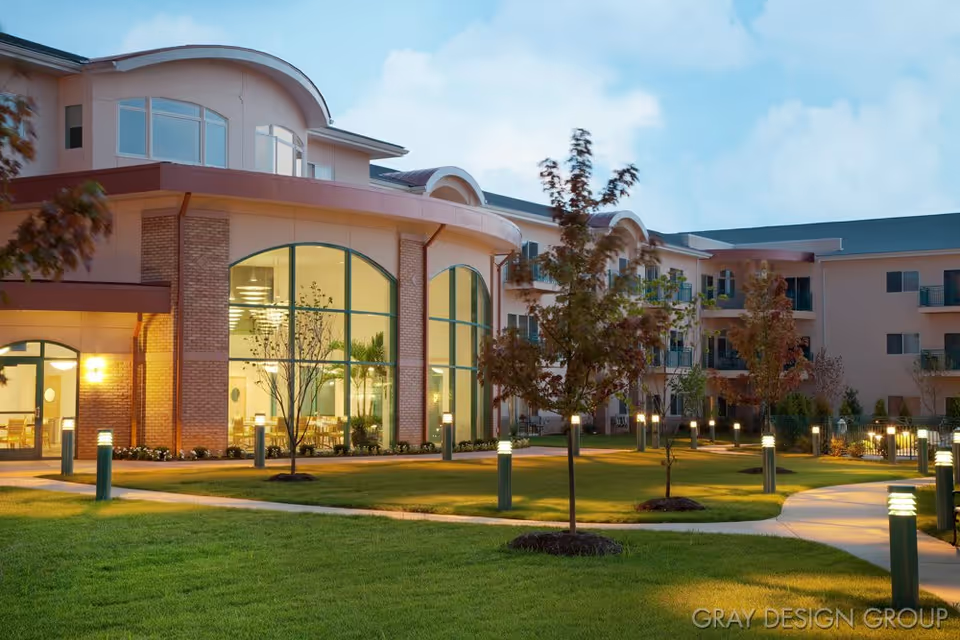
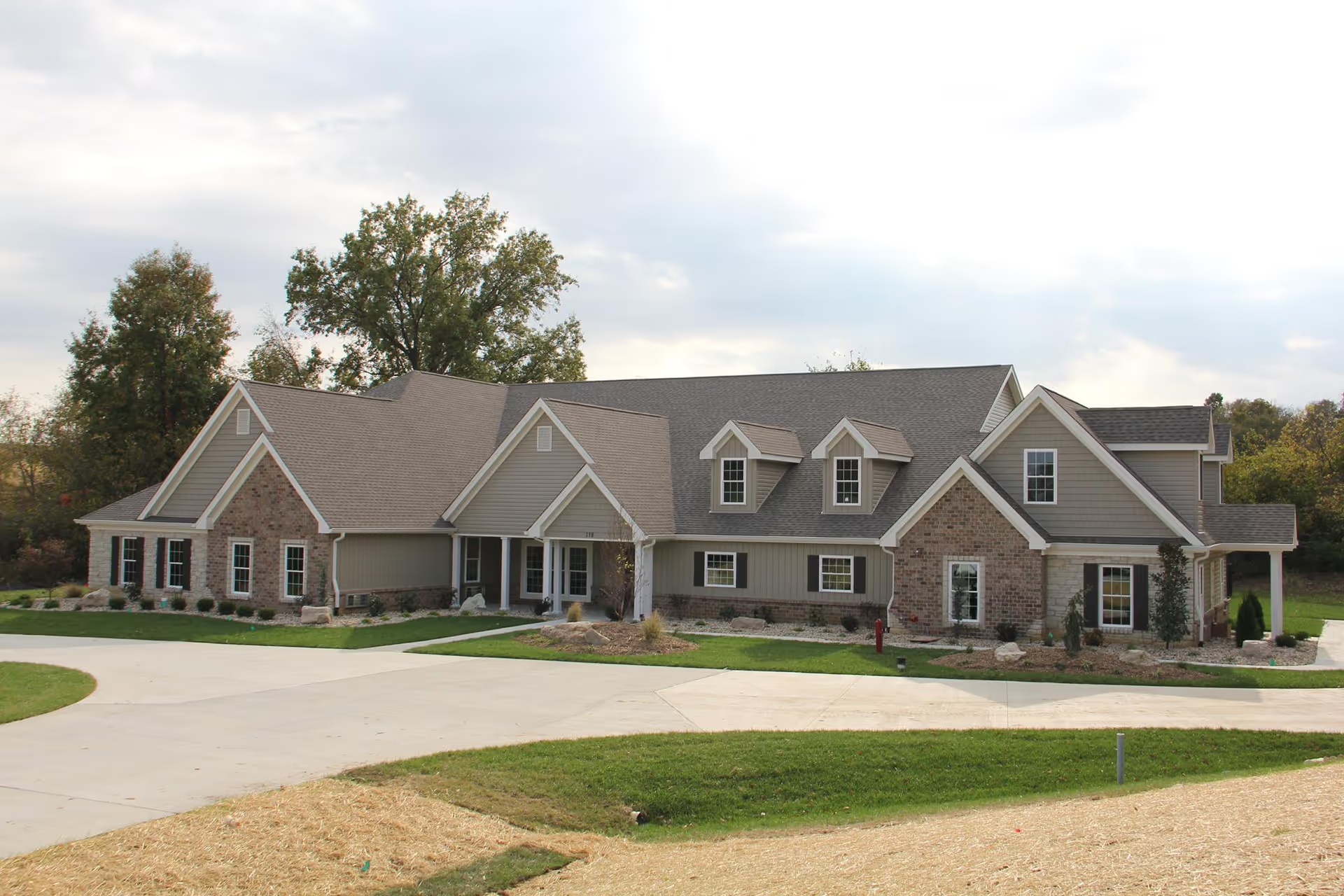
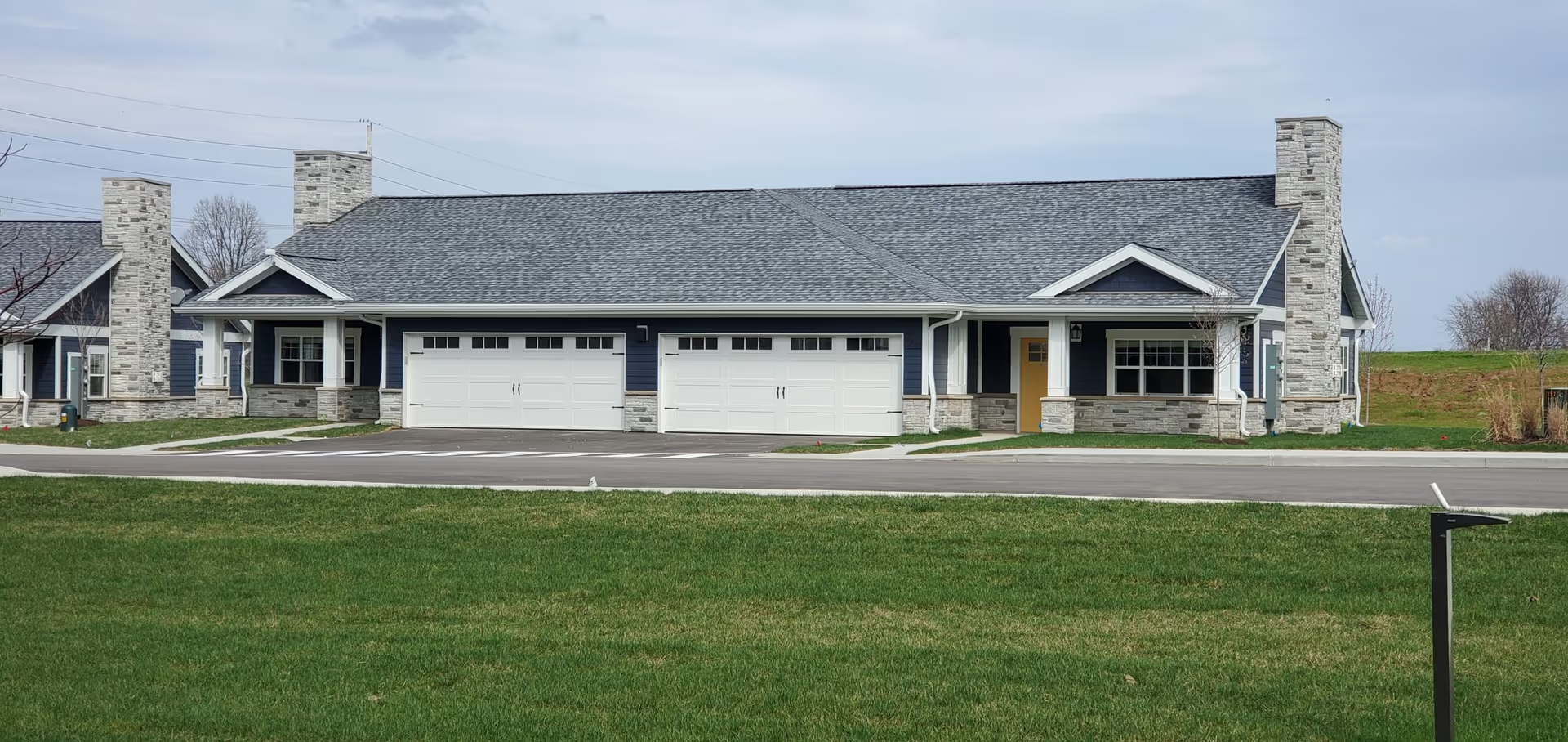
The physical plant and campus receive favorable comments: housekeeping is described as attentive, common areas are clean and well‑maintained, and the campus feels safe. Families note that supplies are kept stocked and rooms are bright and comfortable. These facility attributes complement the therapy and social offerings for many residents.
Perceptions of management are mixed. Some families encountered responsive leadership and visible administrative presence; others perceived ownership and leadership as prioritizing financial considerations, contributing to underpaid or unsupported staff. That perception is linked in reviews to uneven supervision, variable staffing practices, and concerns about how incidents are handled and communicated to families. Reported issues around nutrition monitoring, significant unexplained weight loss, and concerns raised following a resident’s death underscore the importance of verifying clinical oversight and quality‑monitoring processes.
Taken together, the pattern is one of clear strengths in therapy, dining, activities, and facility upkeep, alongside operational vulnerabilities in staffing stability, clinical oversight, medication controls, and incident response. Prospective residents and families should tour the facility across multiple shifts, ask for current staffing ratios and turnover data, review medication‑administration and transfer‑safety protocols, inquire about nutrition and weight‑monitoring procedures, and request references from recent short‑term rehab discharges. These steps will help determine whether the facility’s strengths align with an individual’s clinical and psychosocial needs and whether identified operational concerns are being actively addressed.