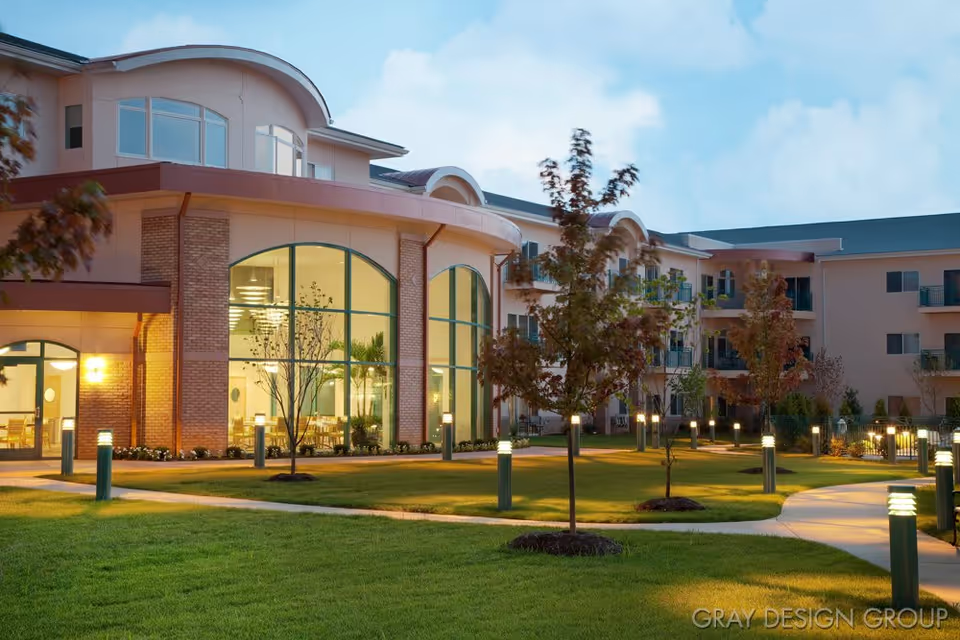
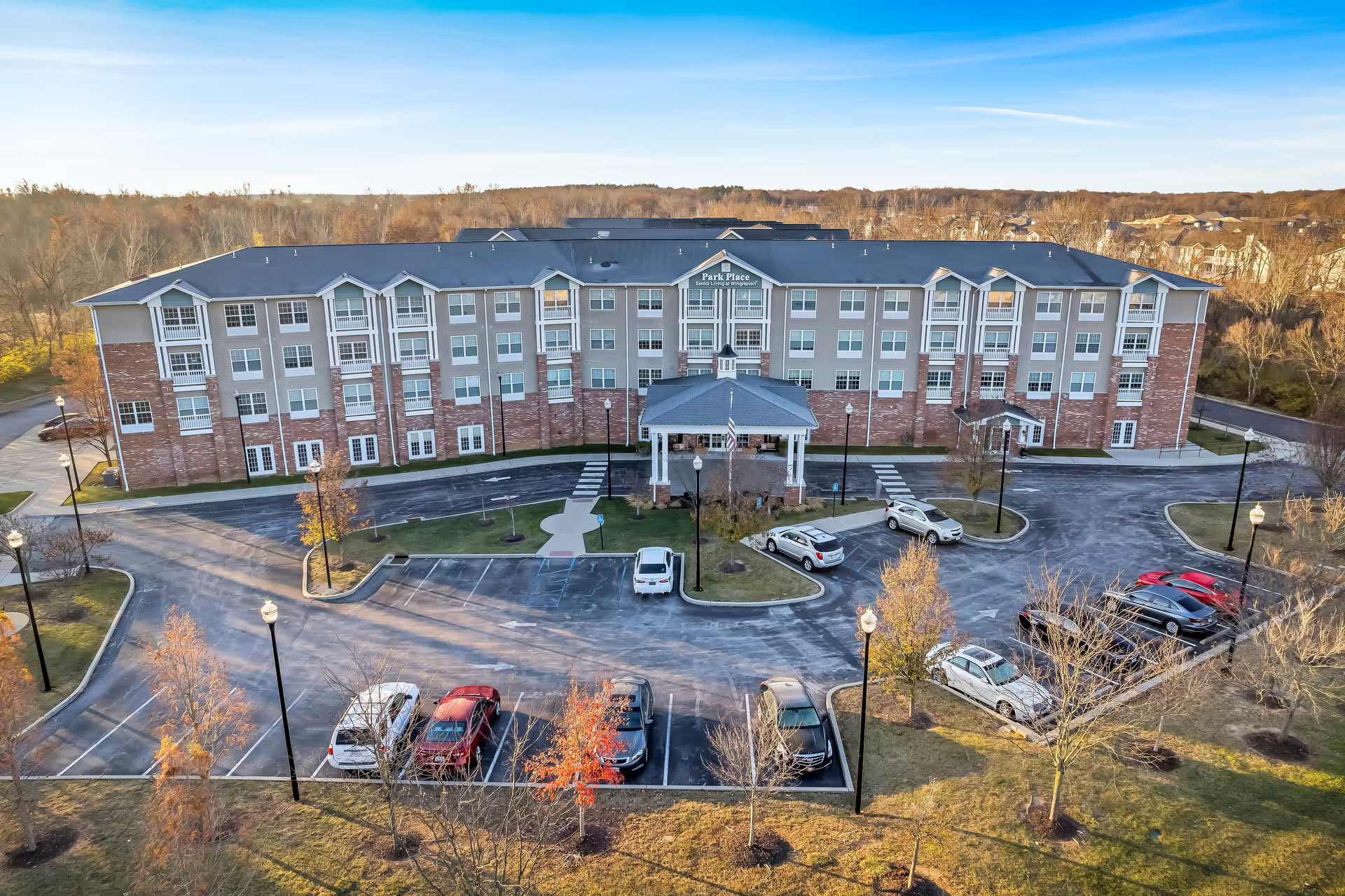
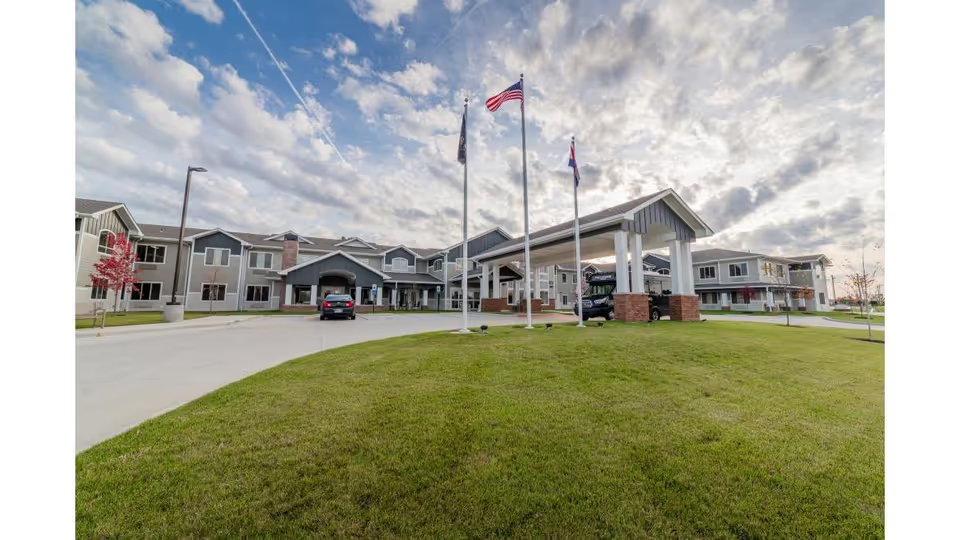
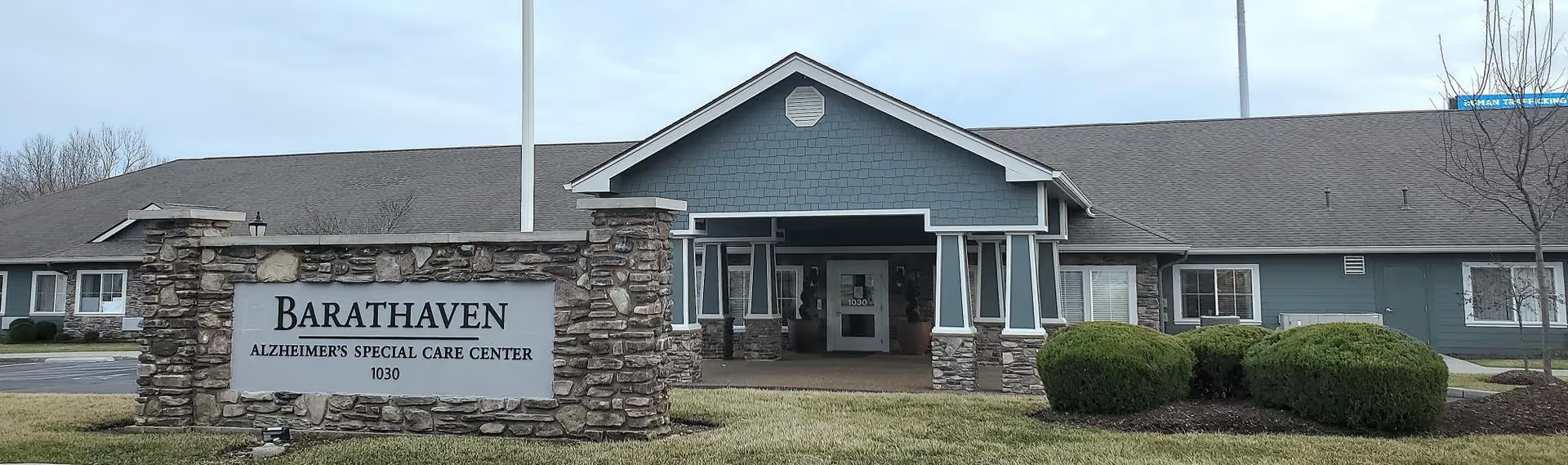
Delmar Gardens of O'Fallon elicits strongly mixed impressions. Many comments praise individual caregivers—CNAs, nurses and some therapy staff are described as caring, attentive and capable—and the facility offers memory-care programming, on-site salon services, social activity options and attractive grounds. Several families reported positive rehabilitation outcomes and a welcoming, home-like environment in parts of the campus.
At the same time, a substantial set of concerns recur across reviews and point to operational inconsistencies. Care-quality issues include missed or delayed medication administration, inconsistent bathing and repositioning schedules, and examples of inadequate monitoring after falls. Reviewers also describe problems with end-of-life support and pain management in some cases. These concerns align with reports of limited clinical oversight and gaps in fall-prevention and transfer safety procedures.
Staffing and staff conduct are major themes. Short-staffing—especially overnight and during busy periods—was frequently cited and linked to delayed responses to call bells, longer waits for assistance with toileting and dressing, and incomplete rounds. Family members described both compassionate caregivers and episodes of problematic communication or confrontational tone from other staff. There are also comments suggesting problematic human-resources practices that affect morale and continuity of care.
Sanitation, housekeeping and facility maintenance show uneven performance. Many reviewers described timely housekeeping and a clean appearance in some areas, while others noted sanitation concerns, delayed trash and linen removal, pest-control concerns in certain units, and worn room furniture or delayed maintenance responses (for example, slow TV or equipment repairs).
Dining and therapy receive mixed feedback. Some residents and families praise the therapy team and note helpful activities and social programs; others experience inconsistent therapy follow-through, difficulty scheduling ancillary services (podiatry, salon), and variable meal quality with complaints about cold or reheated food and slow service.
Management, communication and billing emerged as additional patterns. Several families reported late notifications during clinical decline, lack of timely outreach after incidents, difficulty obtaining clear billing or insurance explanations, and disagreements over length-of-stay charges. There are also mentions of a formal complaint and contact with state health authorities in at least one case, as well as serious allegations involving staff conduct, resident safety incidents, and potential theft.
Taken together, the facility appears to deliver good care in many individual instances—notably where staffing and clinical oversight are present—but exhibits inconsistent performance across staffing, sanitation, clinical oversight, and administrative transparency. Prospective residents and families should consider on-site observation, ask about current staffing ratios (including nights), medication and fall-prevention protocols, housekeeping schedules, infection-control and pest-management practices, therapy plans and documentation of hospice/end-of-life procedures, and should review recent state inspection or complaint records to better understand how the facility addresses the recurring concerns described above.