Overall impression of Garden View Care Center of O'Fallon is markedly mixed: many families and short-term rehab patients describe positive, family-like care, while a significant set of experiences point to operational inconsistencies that materially affect clinical and personal outcomes. The facility receives consistent praise for its therapy teams, activity programming, and many individual caregivers and nurses; at the same time, reviewers describe lapses in core clinical processes and unit-level supervision that raise concerns for long-term, dementia, and end-of-life placements.
Care quality is uneven. Numerous accounts highlight effective nursing attention, prompt medication adjustments in some cases, and strong rehabilitation outcomes where therapists enabled measurable functional gains. Conversely, there are documented gaps in medication administration and clinical follow-up, delayed correction of medication errors, skin-integrity and bathing concerns, and examples of transfers to acute care after short stays. Hospice and end-of-life coordination are identified as slow or inconsistent in several narratives, and there are concerns following at least one resident's death that families felt warranted closer review.
Staffing and communication show a similar split. Many family members describe compassionate, knowledgeable, and communicative staff who provide updates and accommodate family requests; several leaders and admissions staff are singled out for effective problem resolution. However, staff performance appears variable by shift and unit: reviewers note defensive or rude interactions, slower response times overnight, and inconsistent front-desk communication. Families also report poor notification when residents require hospital care, creating distress and confusion during acute events.
Dining and activities are strengths for a large proportion of residents. The facility offers restaurant-style dining, customizable menu options, and an active calendar of onsite and offsite events (crafts, outings, games, celebrations). Several reviewers emphasize that these programs support social engagement and family inclusion. That said, meal quality and service consistency are uneven in other accounts—complaints include cold or repetitive offerings and variability in portioning and presentation.
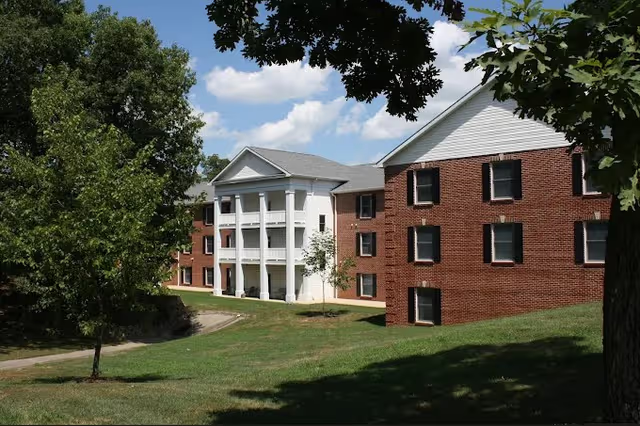
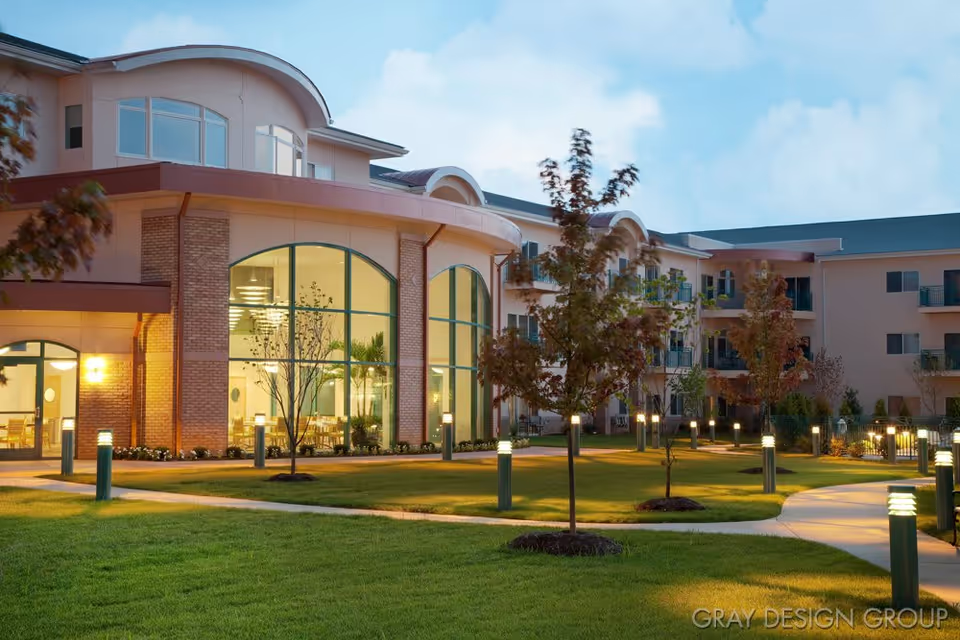
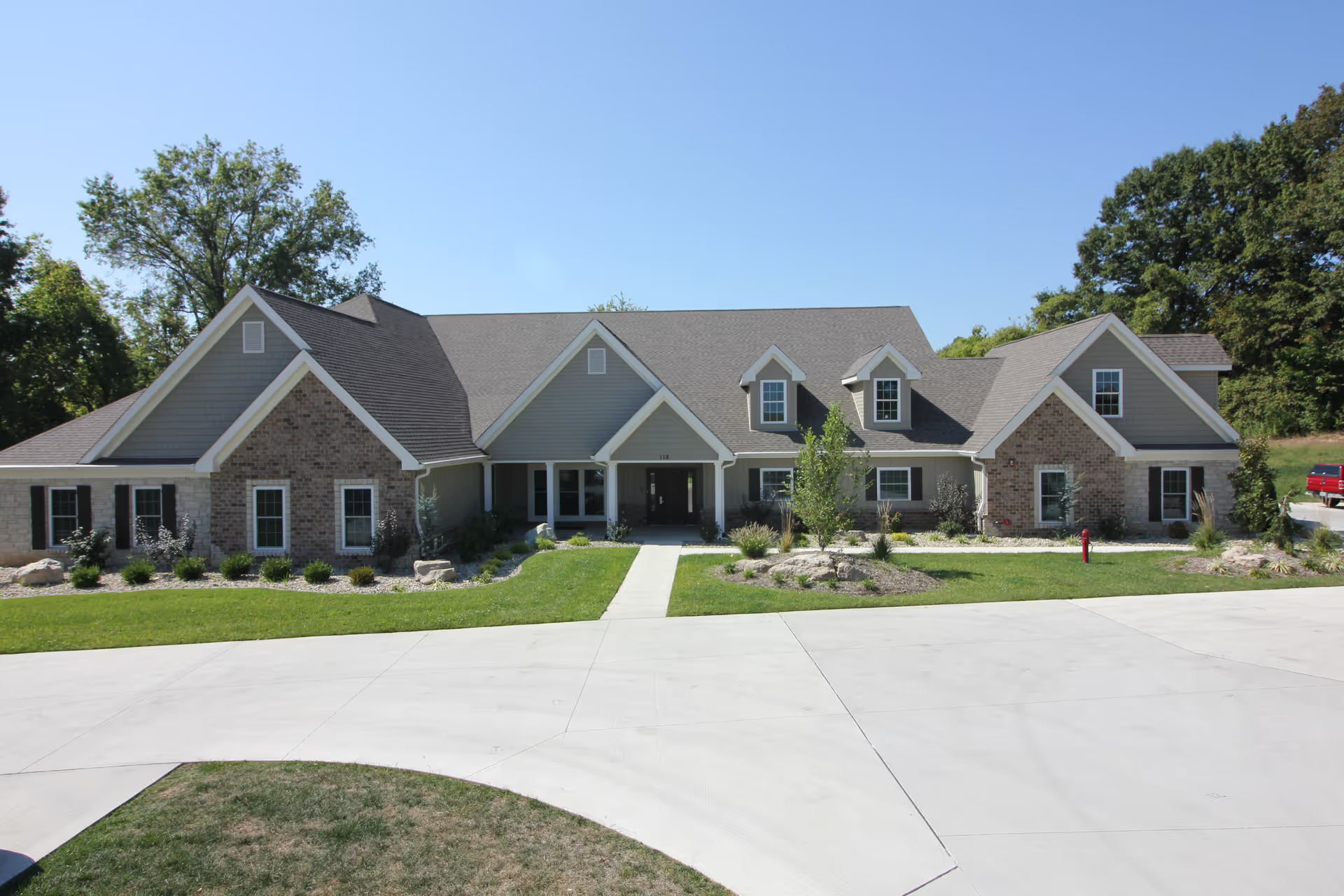
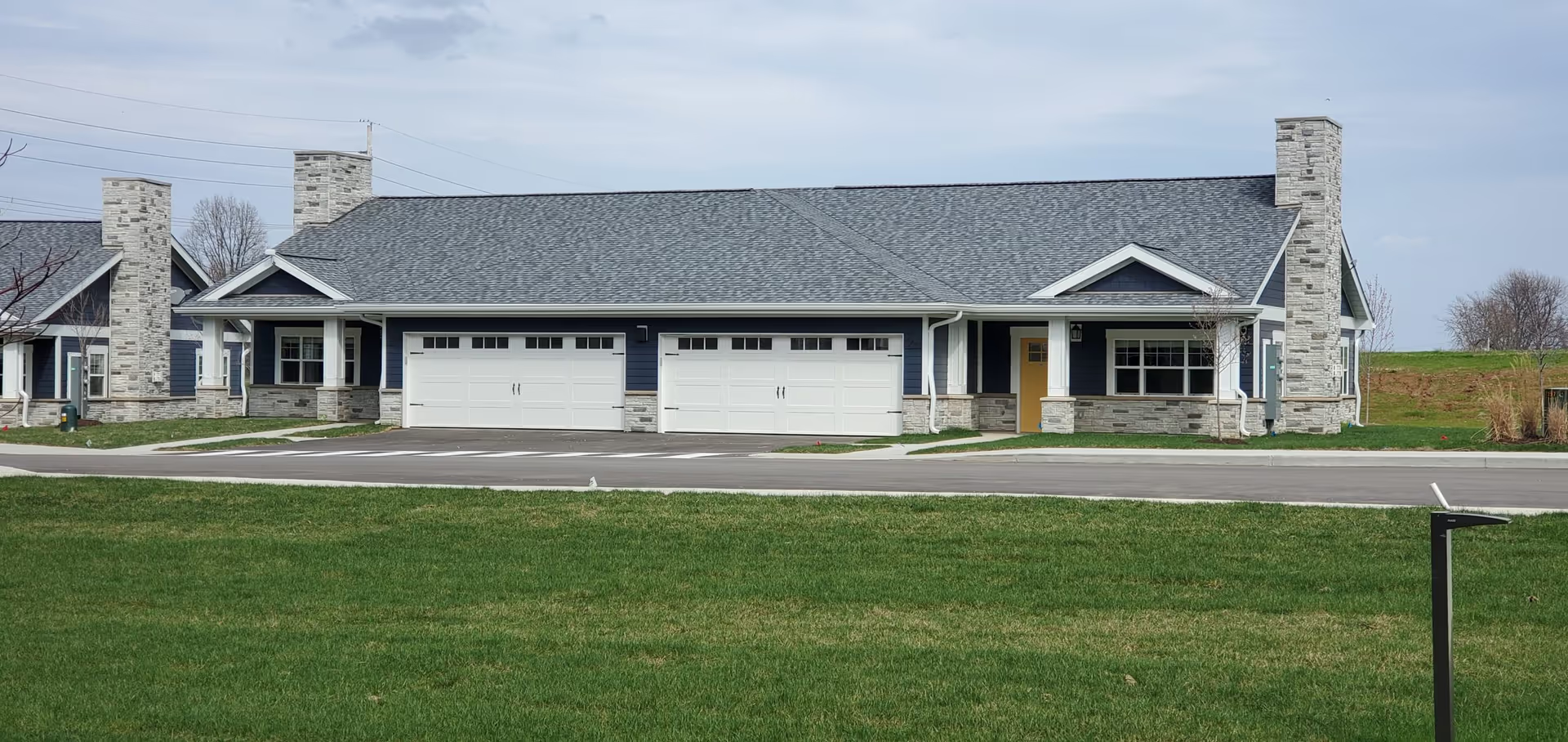
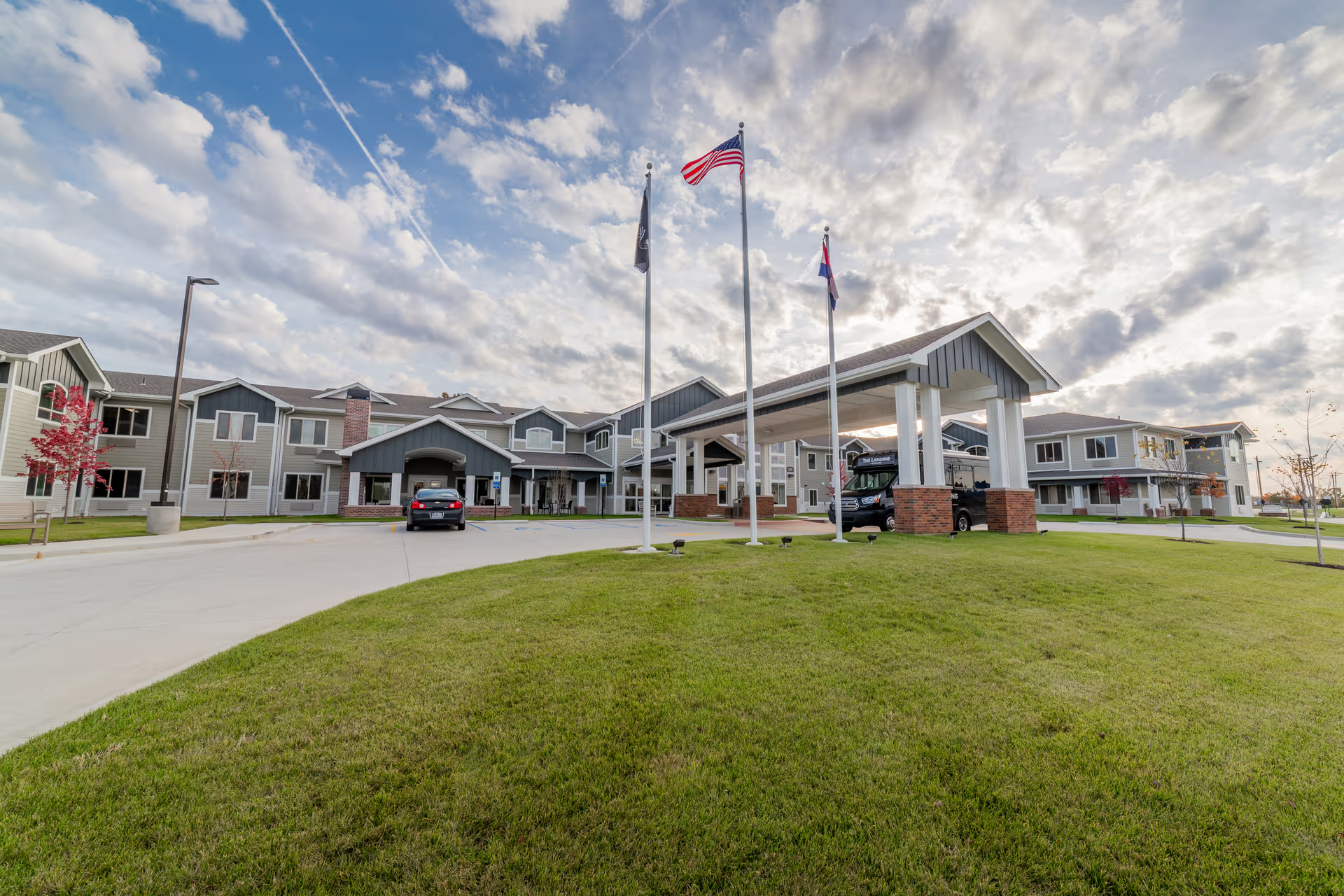
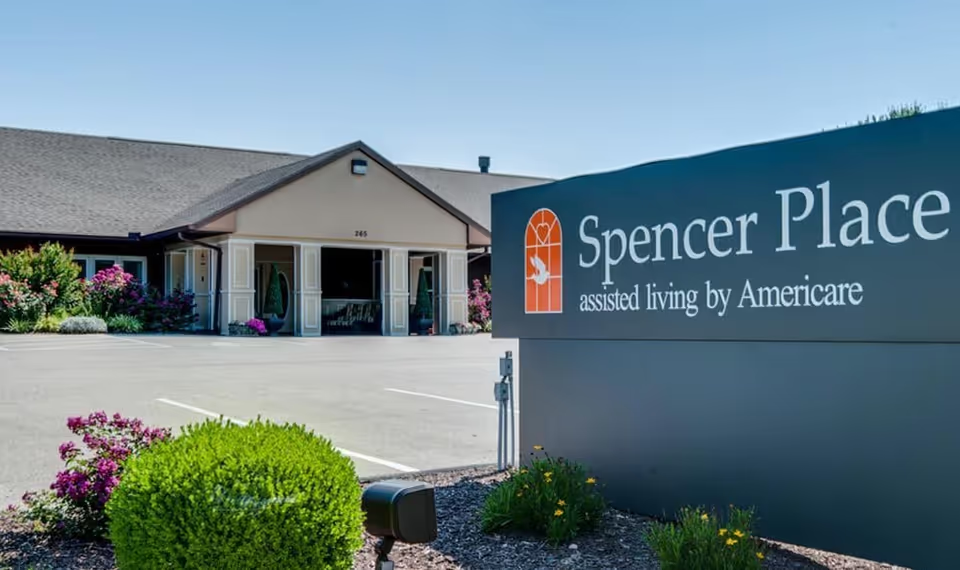
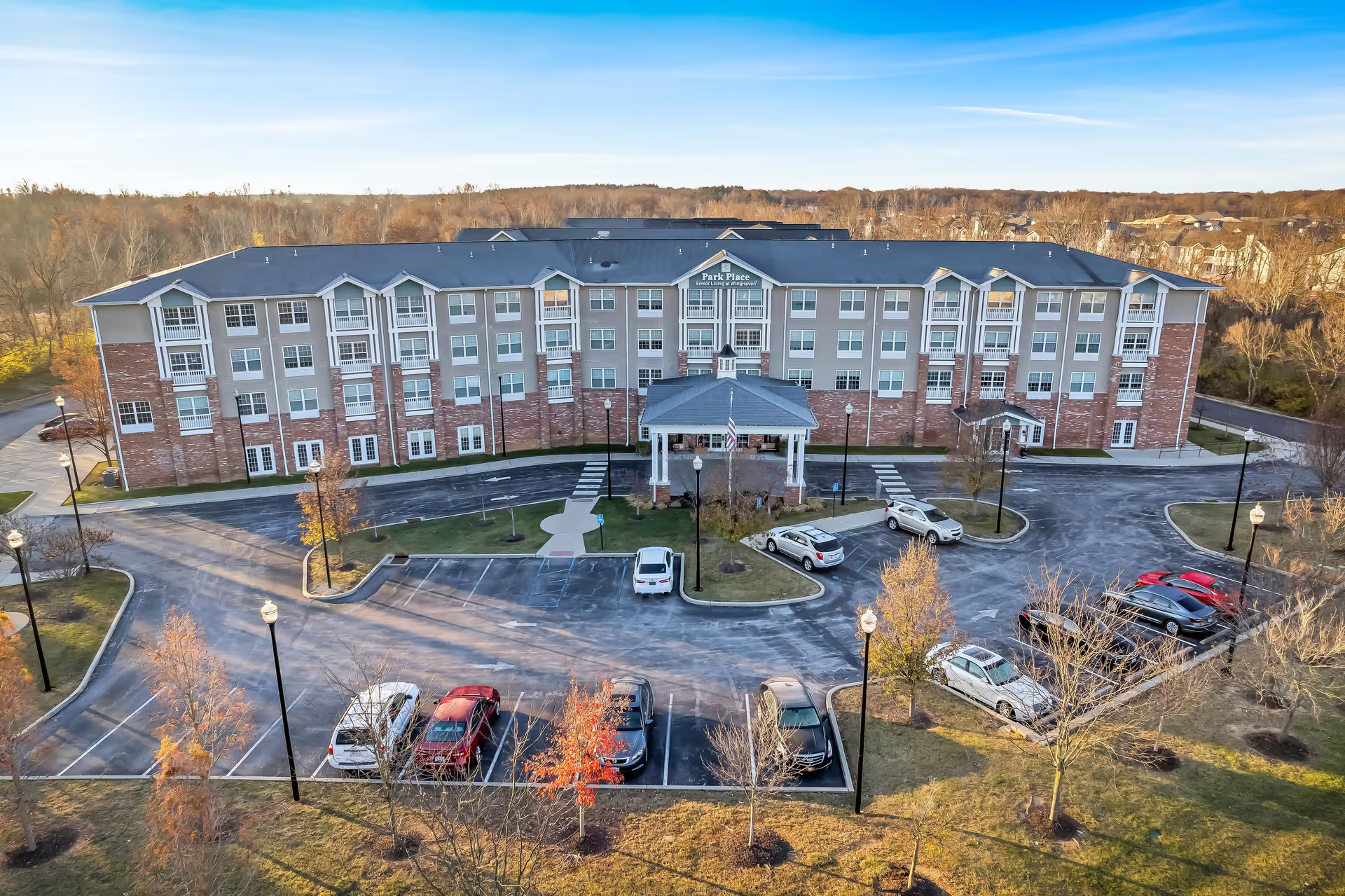
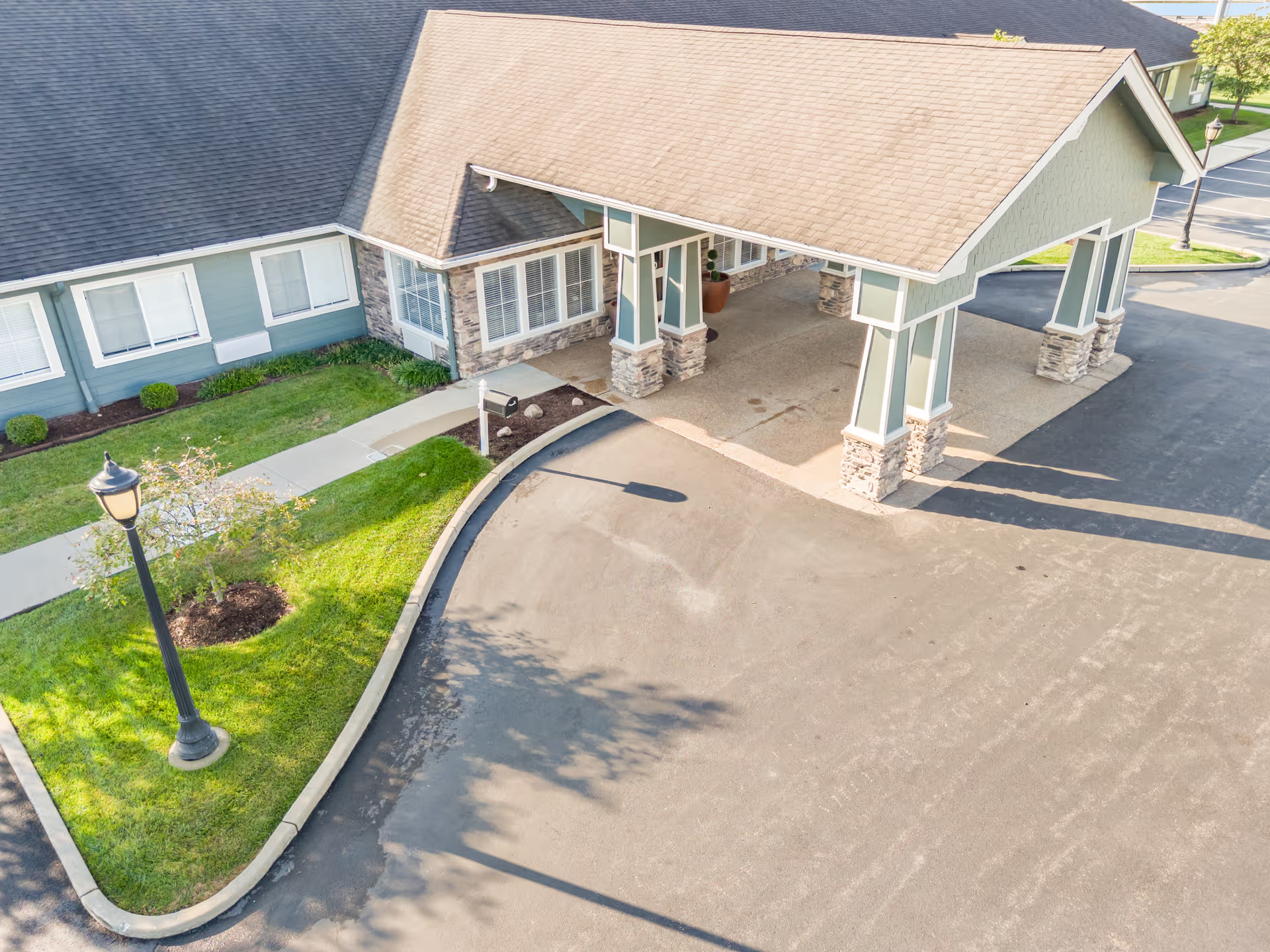
Facility condition and amenities are generally described as modern and well kept: clean rooms, accessible spaces, and a range of services such as beauticians and visiting clinicians. Still, there are sanitation and hygiene inconsistencies reported in specific areas (restrooms, bathing schedules, laundry/appearance of clothing), which point to operational gaps rather than a facility-wide maintenance failure.
Notable patterns to consider: the rehabilitation/short-term care wing is repeatedly praised and appears to deliver reliable clinical outcomes; the dementia/memory-care and hospice/end-of-life areas show the most frequent negative accounts and operational variability. Other recurring operational issues are security of personal belongings, inconsistently enforced visitation policies, and billing/refund follow-through. Prospective residents and families would benefit from asking unit-specific questions about staffing ratios, medication-administration checks, visitation flexibility, personal-property safeguards, hospice coordination, and billing/refund policies during the admission process.
In summary, Garden View Care Center offers strong programming, therapy services, and many dedicated staff members who create a family-like atmosphere for residents. However, variability in clinical oversight, nighttime responsiveness, dementia-care consistency, property security, and administrative processes suggests that experiences can differ substantially depending on unit, shift, and individual staff. Families should conduct targeted inquiries and consider unit-level observations before placement, particularly for memory-care or end-of-life needs.