Reviews for Copper Rock Village present a polarized picture: many families and residents praise the physical environment, on-site services, and a core of compassionate caregivers, while an overlapping set of comments raises operational concerns that affect day-to-day care.
Care quality is described in mixed terms. Positive comments highlight staff who demonstrate empathy, provide hands-on support during transitions and end-of-life situations, and a visible therapy program and physician presence for residents who need clinical services. At the same time, several reviewers described delays in assistance, incontinence-care concerns, recurrent urinary tract infections, and medication mix-ups or documentation gaps. These recurring operational themes suggest inconsistent execution of basic care processes; where clinical oversight is strong, families report satisfaction, but where coverage or procedures are weak, families report clinically important lapses.
Staffing and management are central to the divergent experiences. Many reviews name specific staff members as caring and willing to go beyond scheduled hours, and others note a previously effective leader and a positive work environment. Conversely, numerous comments cite understaffing, high turnover, reliance on temporary personnel, and perceived instability in administration. Those operational factors are linked in reviews to slower response times, inconsistent training, and breakdowns in family communication or follow-through by management.
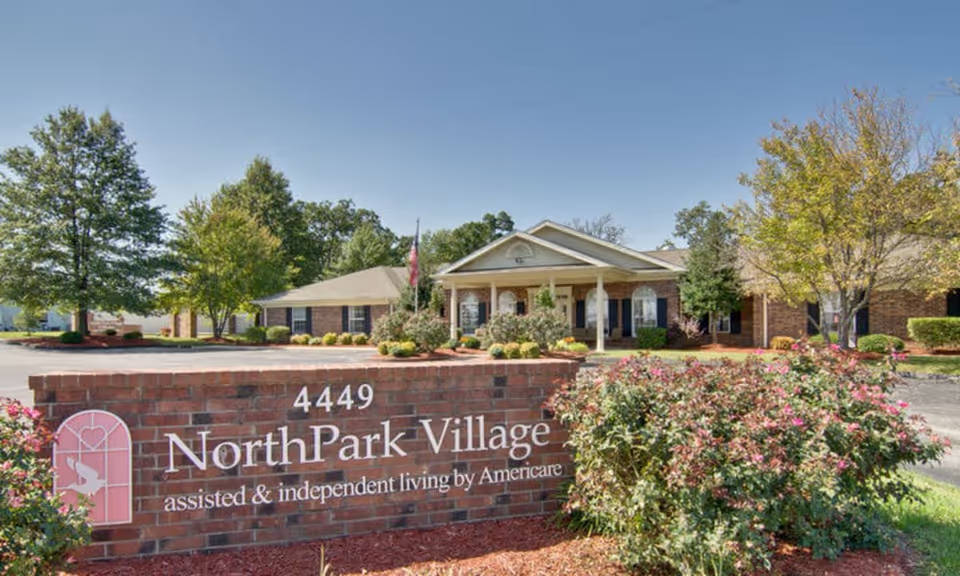
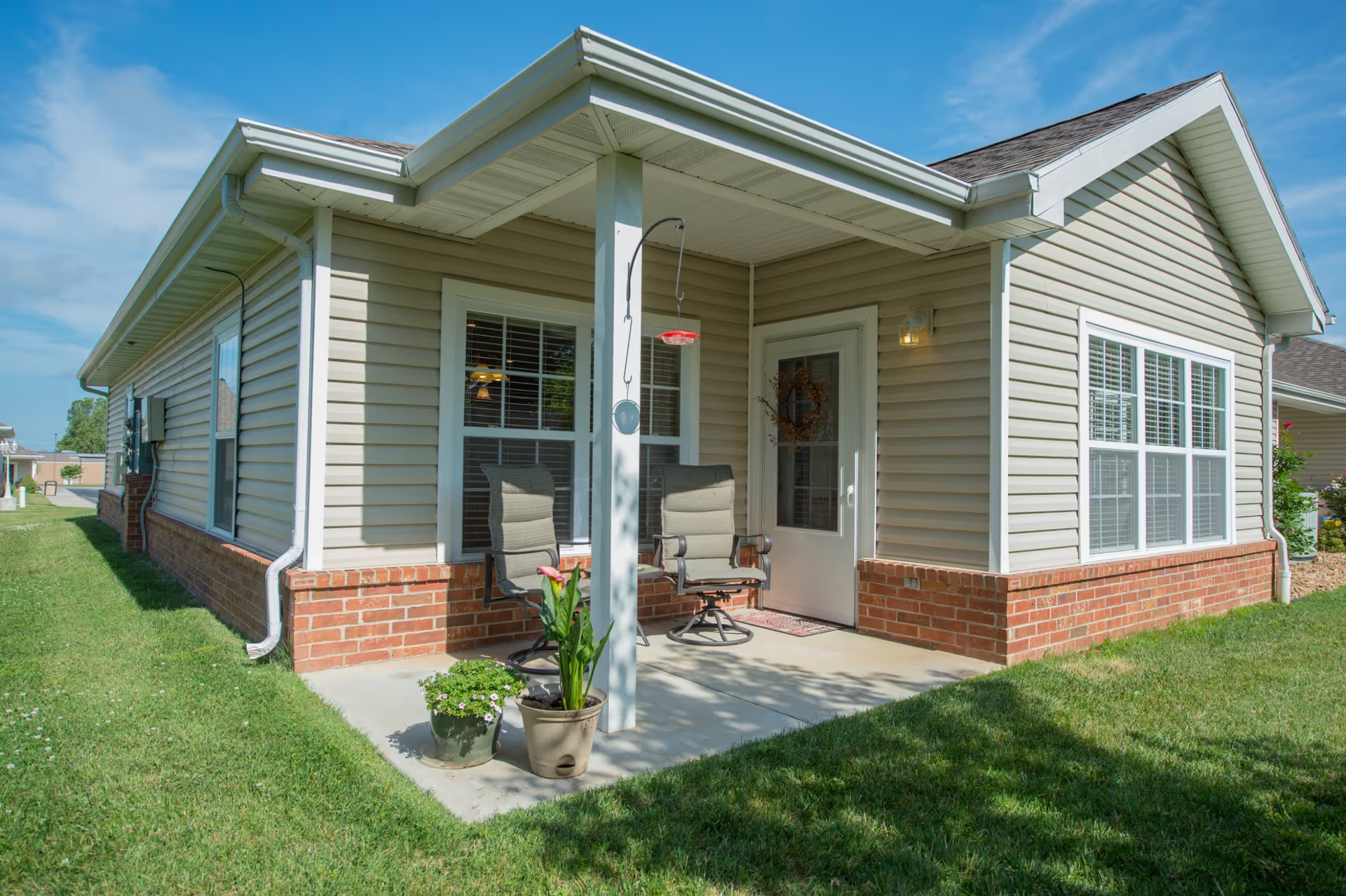
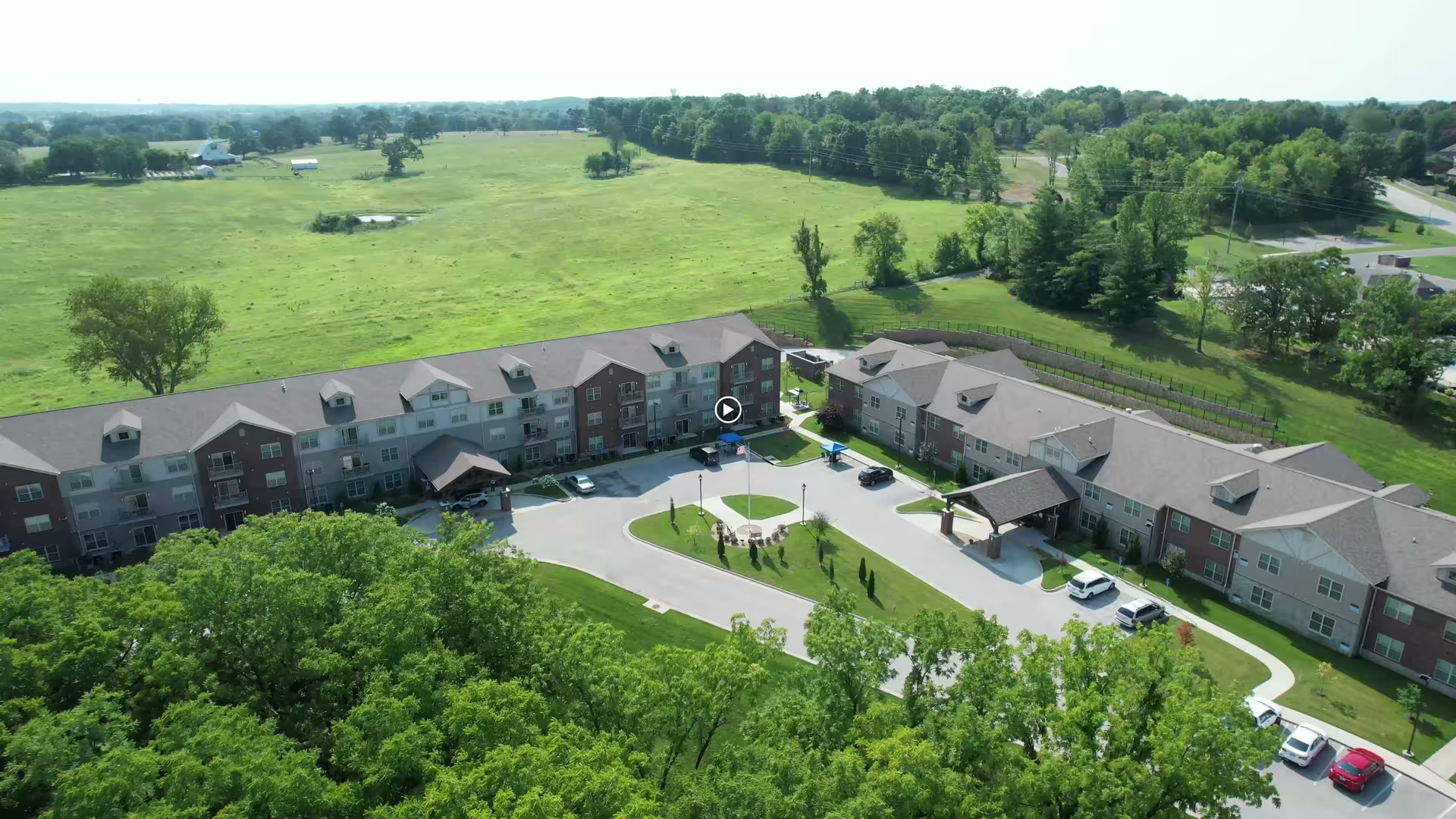
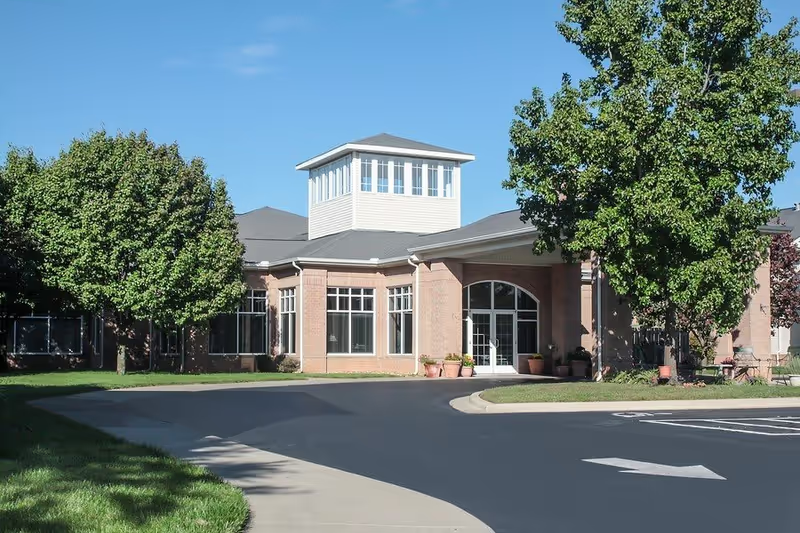
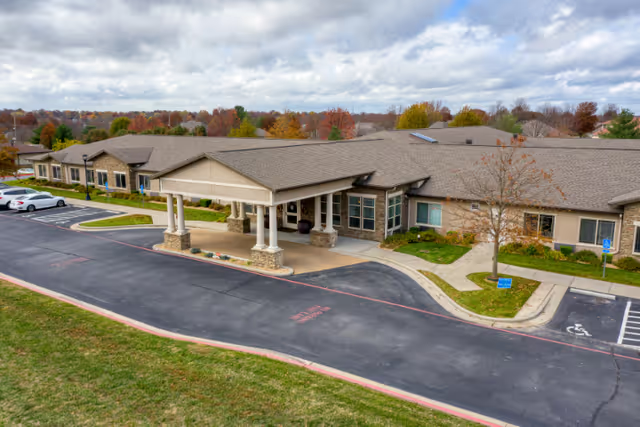
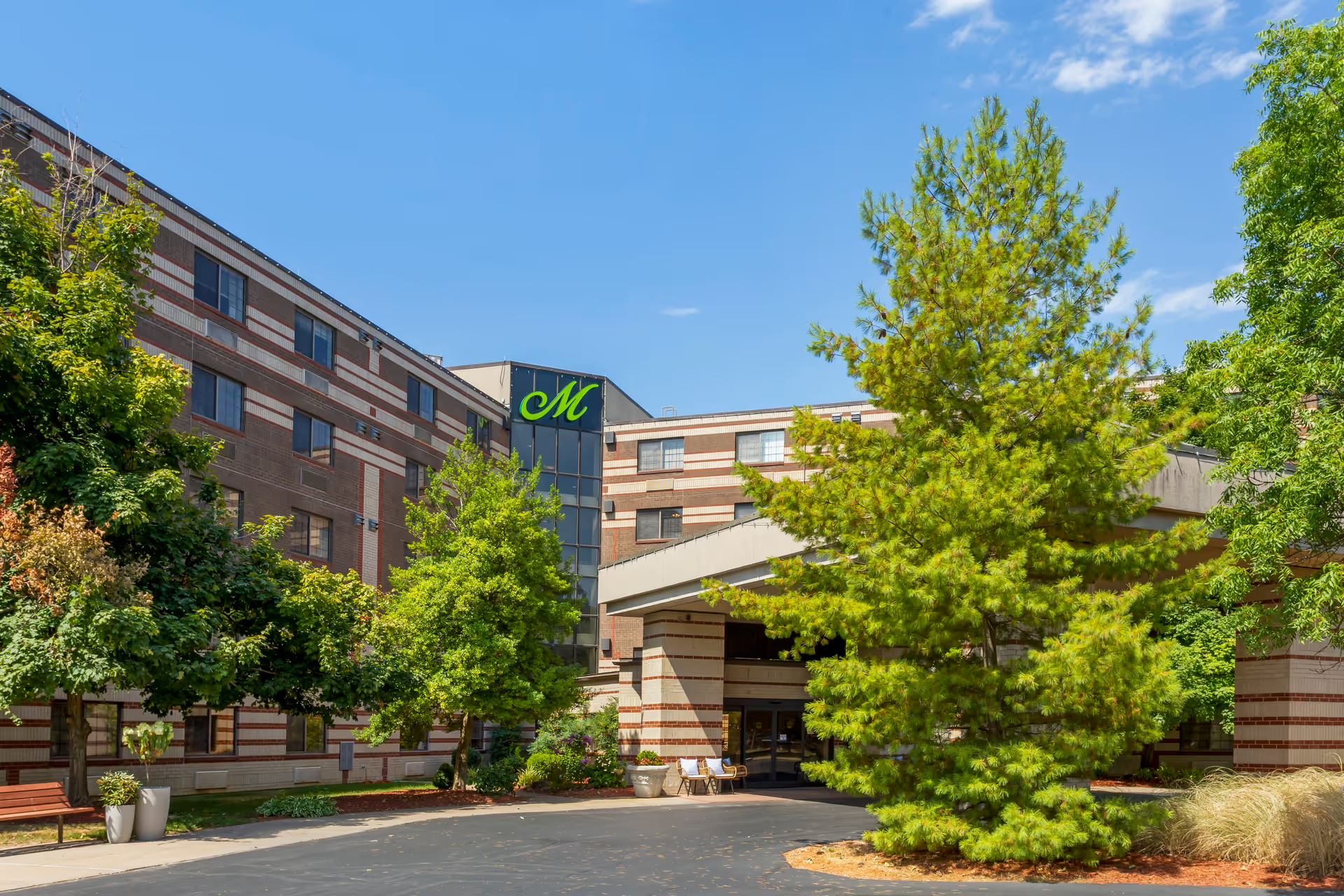
Dining, activities, and amenities elicit mixed reactions. The campus, rooms, grounds, and amenities such as a barber and multiple community spaces receive consistent praise, and many residents enjoy robust activities and social programming. Dining experiences vary: some reviewers describe appetizing meals and convenient dining options on each wing, while others report cold meals, diminished kitchen staffing, and inconsistent food quality. A few comments indicate programs asking families for supplemental donations or supplies, suggesting variability in activity funding.
Housekeeping and infection-control observations are similarly mixed: some families describe a clean, well-kept environment with effective COVID response, while others report sanitation and odor concerns in specific areas or during particular shifts. Emergency response and after-hours clinical availability are noted as areas for improvement, with several reviews describing slow escalation or difficulty reaching administrative staff outside normal hours.
Overall, the pattern in reviews points to a facility with strong physical assets and pockets of excellent caregiving, but with system-level weaknesses that emerge when staffing or management continuity falters. Prospective residents and families should verify current staffing ratios, medication and clinical oversight practices, after-hours coverage, and housekeeping protocols, and ask about turnover and administrator stability when evaluating the community. If there are concerns about specific severe incidents mentioned in reviews, families may consider asking the facility about incident reporting, corrective actions taken, and state oversight history.