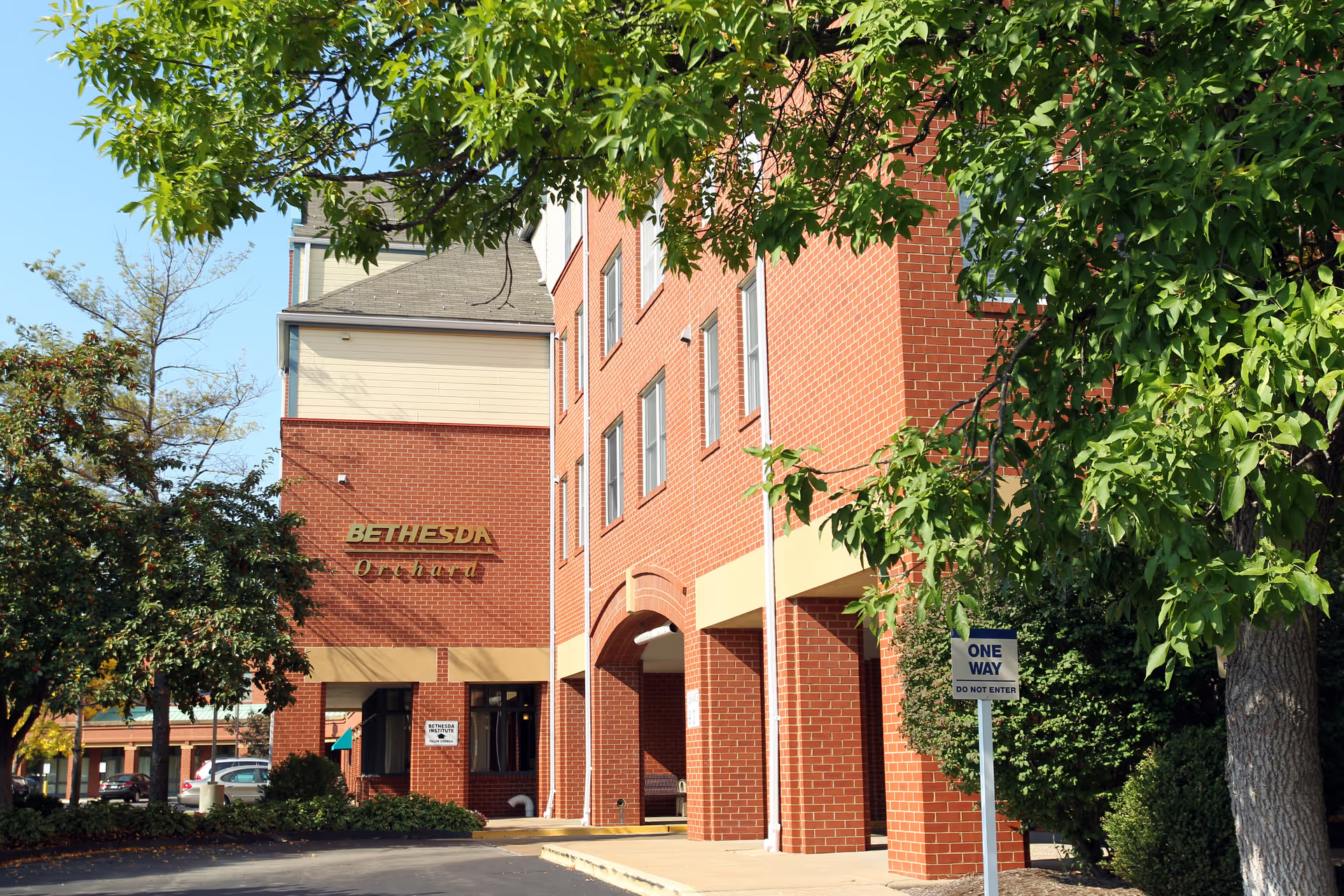
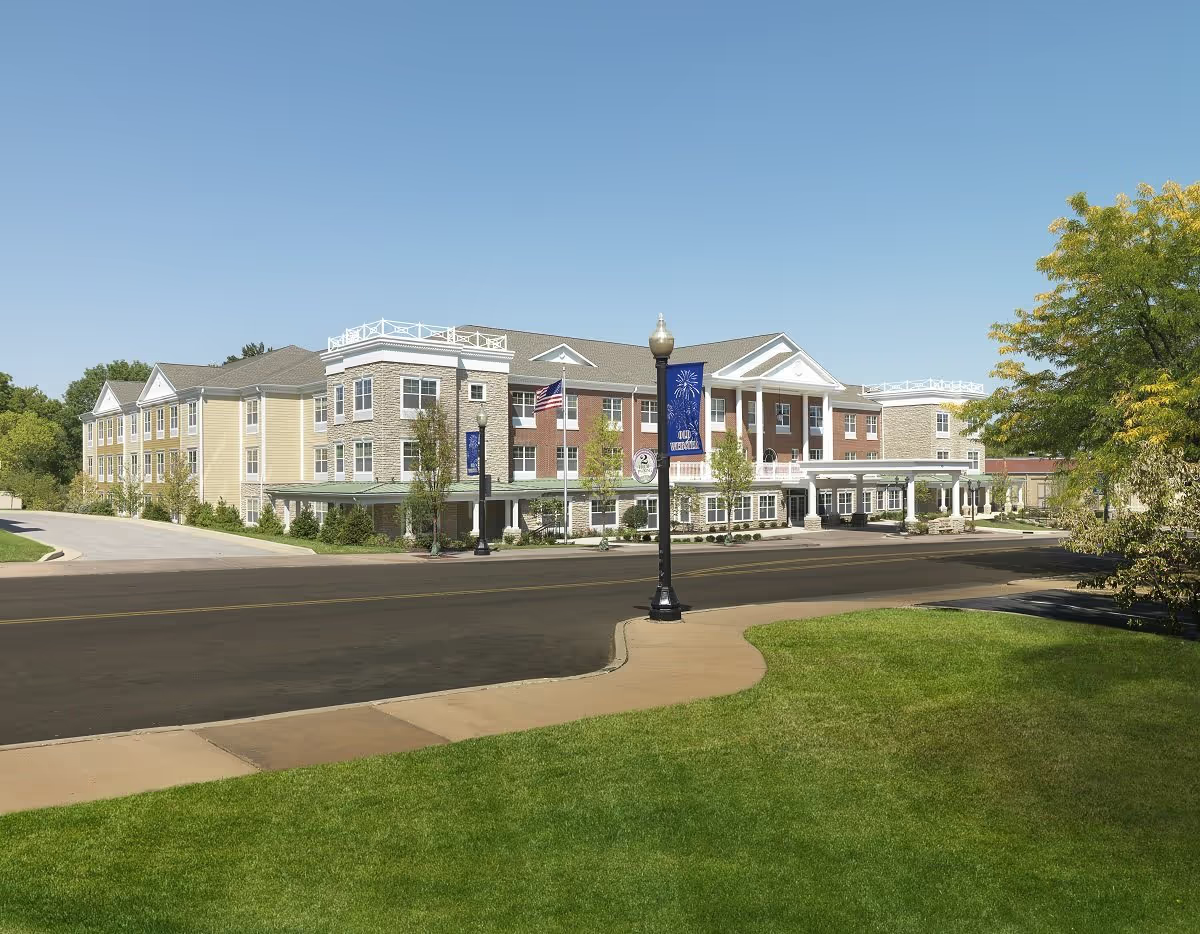
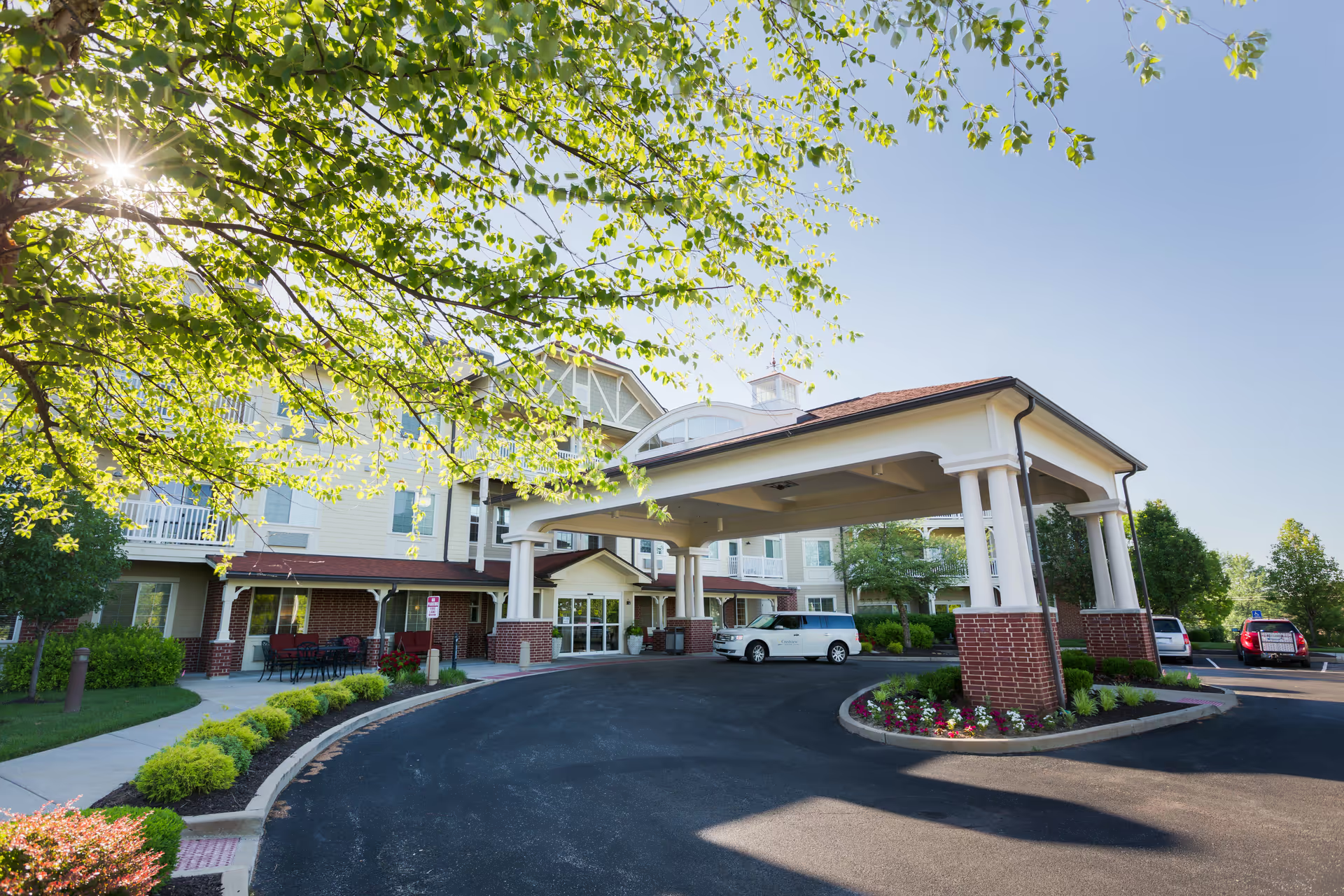
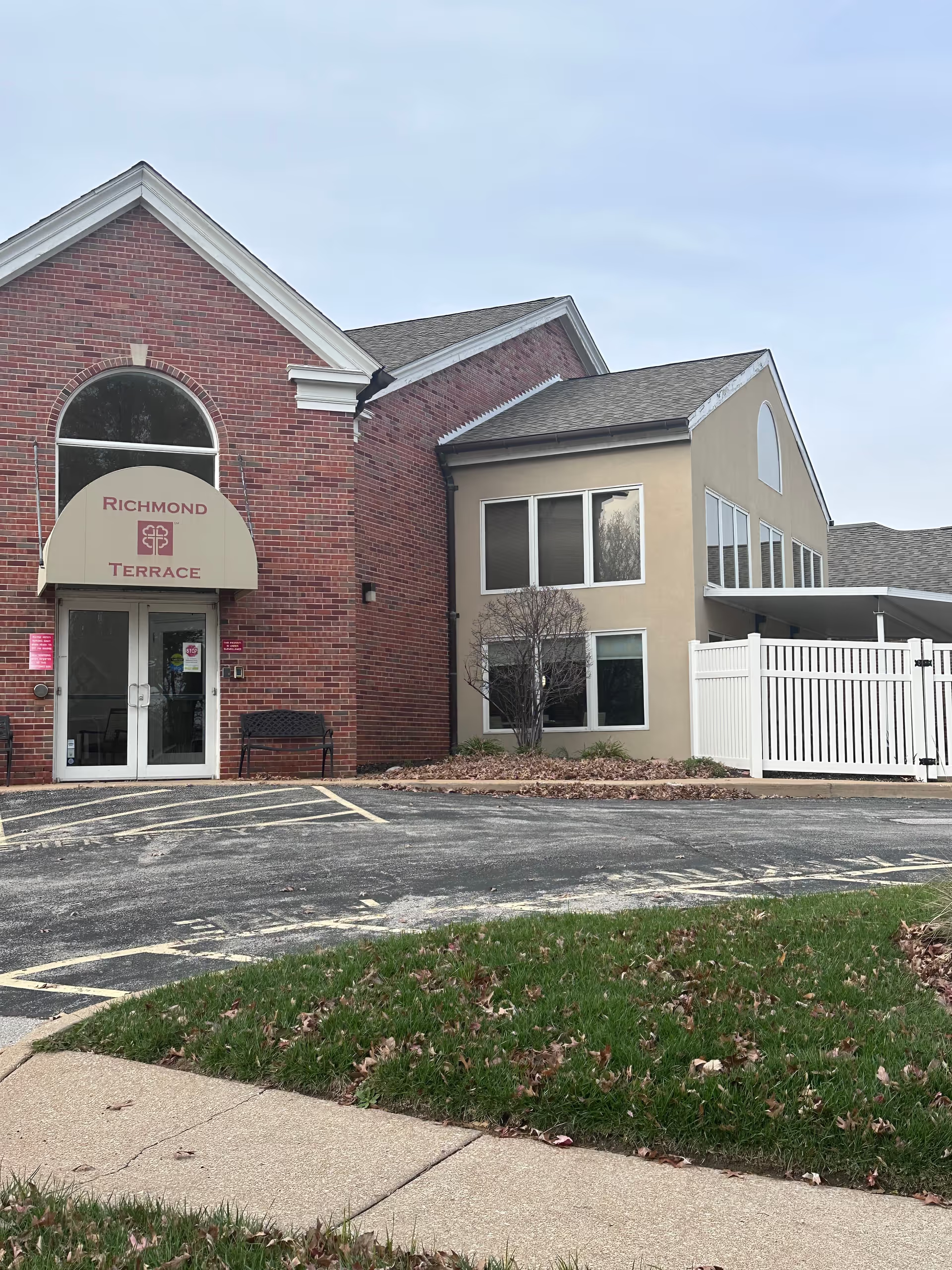
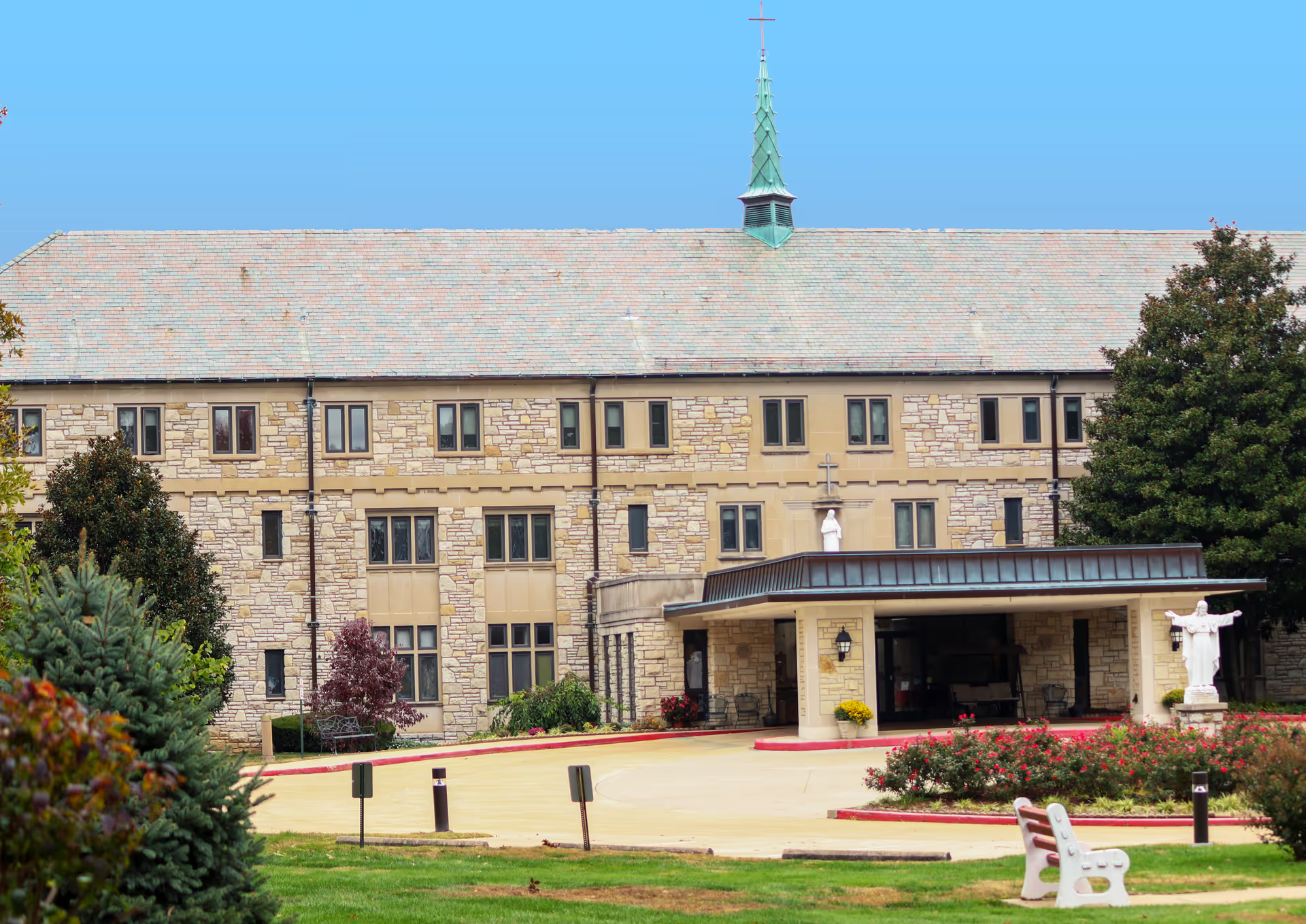
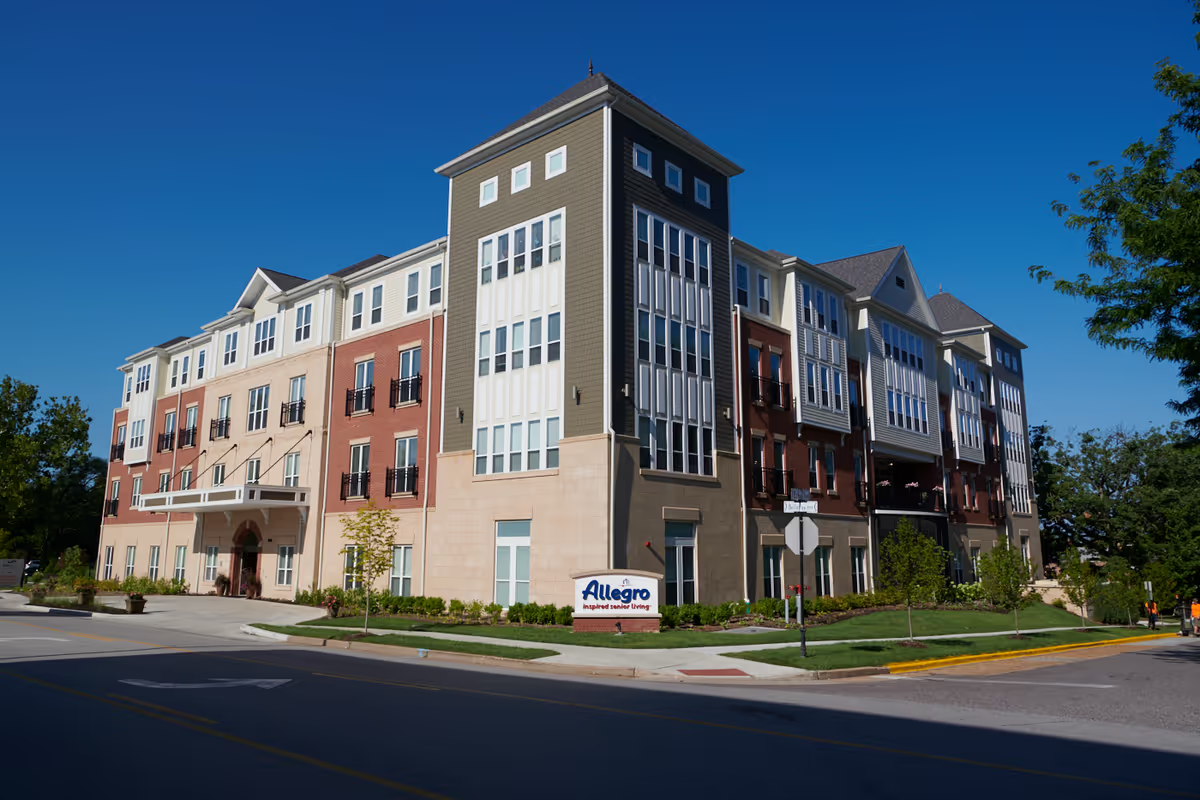
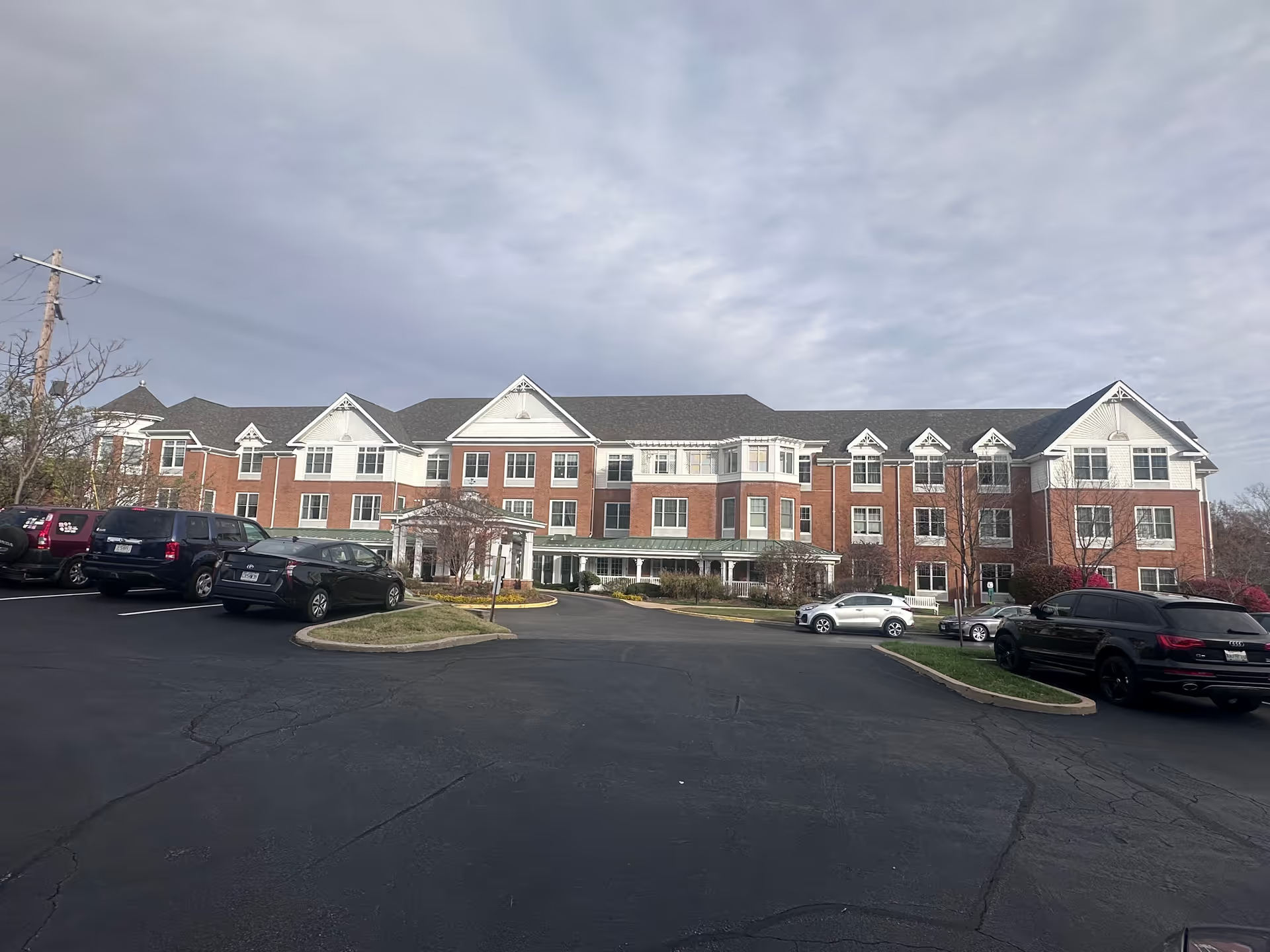
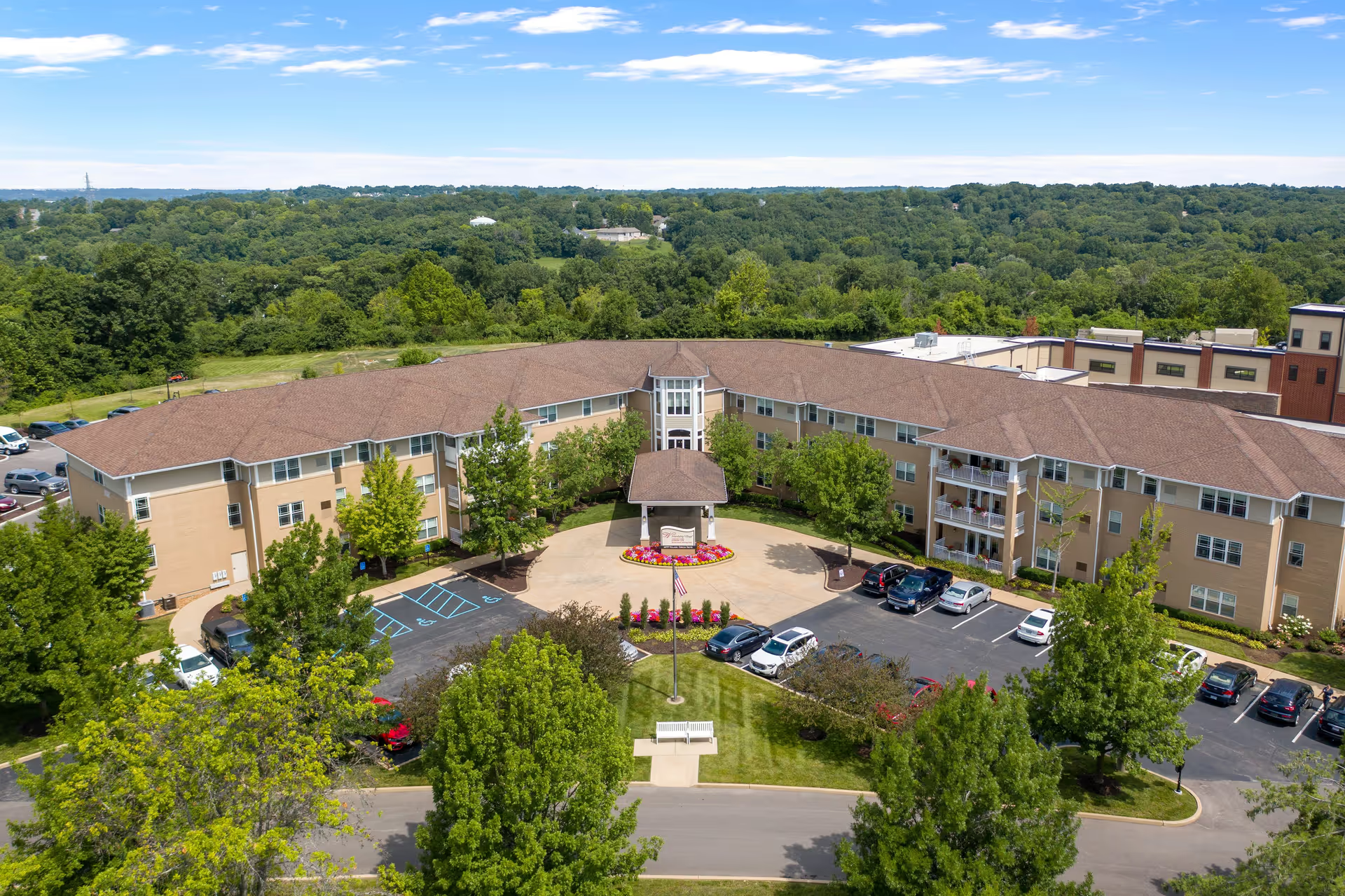
EverTrue Laclede Groves presents as a large, campus-style senior community with many institutional strengths alongside some persistent operational weaknesses. Strengths commonly highlighted include a broad continuum of care (independent living, assisted living, memory care, skilled nursing and rehab), strong rehabilitation and therapy services, and a range of housing options from bungalows to studios and multi-bedroom apartments. The campus environment is frequently described as attractive and well-kept, with landscaped grounds, walking trails, pools, connected walkways, and a prominent chapel. On-site amenities such as multiple dining venues, a bistro, an ice cream parlor, hair salon and fitness facilities contribute to a resort-like atmosphere and active social life.
Clinical care and daily living experiences are mixed. Many families and residents praise compassionate, attentive nurses and therapists and cite positive rehab outcomes and coordinated hospice or end-of-life support. At the same time, there are recurring operational concerns: variability in staffing levels and responsiveness (especially evenings, weekends and holidays), uneven staff professionalism, and episodic communication delays with families and medical providers. Several accounts indicate problems that map to broader clinical-process gaps — inconsistent medication administration, incomplete clinical monitoring, and variability in personal-care scheduling — that prospective residents should evaluate when considering long-term care placement.
Dining and activities are clear strengths for much of the community. Reviewers describe multiple dining areas with generally good variety, regular social meals, exercise classes for all levels, organized trips and an active activity calendar. These offerings appear to support resident engagement and socialization. Cleanliness and comfortable common spaces are commonly noted, though some reviewers contrasted newer, attractive wings with older, less-updated sections of the facility; aesthetic and maintenance quality therefore appears to be variable by location within the campus.
Administrative and management themes recur across reviews. Positive interactions with admissions staff and helpful transition support are reported, yet other accounts describe difficult intake experiences, slow or unhelpful reception, opaque waitlist and deposit practices, and occasional preferential placement dynamics. Security and property-control concerns are raised in isolated but serious instances; these suggest the need to confirm policies for personal-item tracking and incident response. Navigation through the large complex and locating staff during off-hours are additional practical issues noted by families.
Overall pattern: many residents and families report excellent, attentive care, robust therapy services and an active, attractive campus. However, a nontrivial subset of experiences point to operational weaknesses that can affect safety and satisfaction — chiefly inconsistent staffing/responsiveness, variable clinical oversight, administrative friction, and occasional professionalism lapses. Prospective residents and families should tour multiple areas of the campus (new and older wings), inquire about staffing ratios and weekend/holiday coverage, request details on medication and clinical monitoring protocols, review security and property policies, and clarify admission, waitlist and fee practices before making a placement decision.