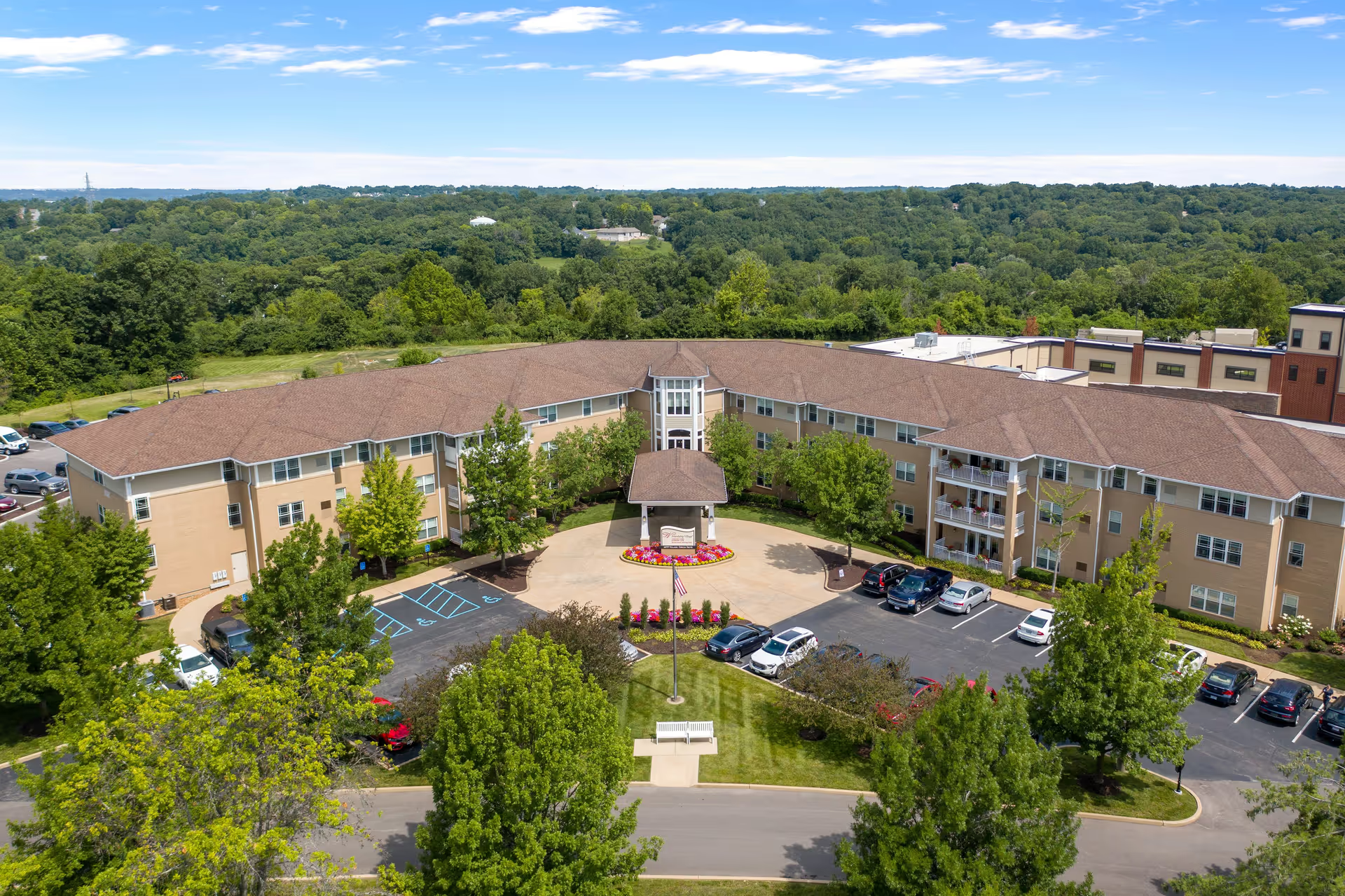
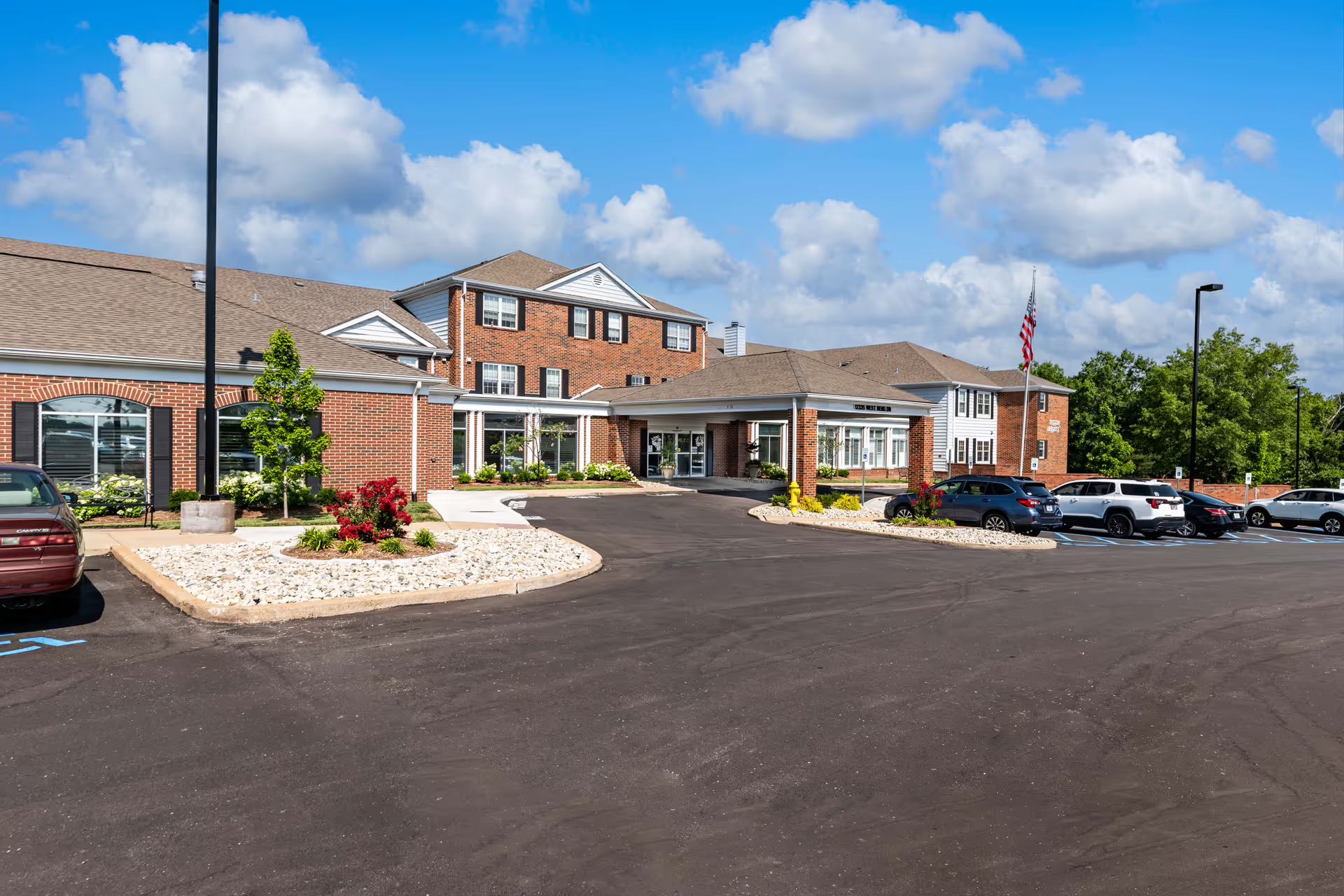
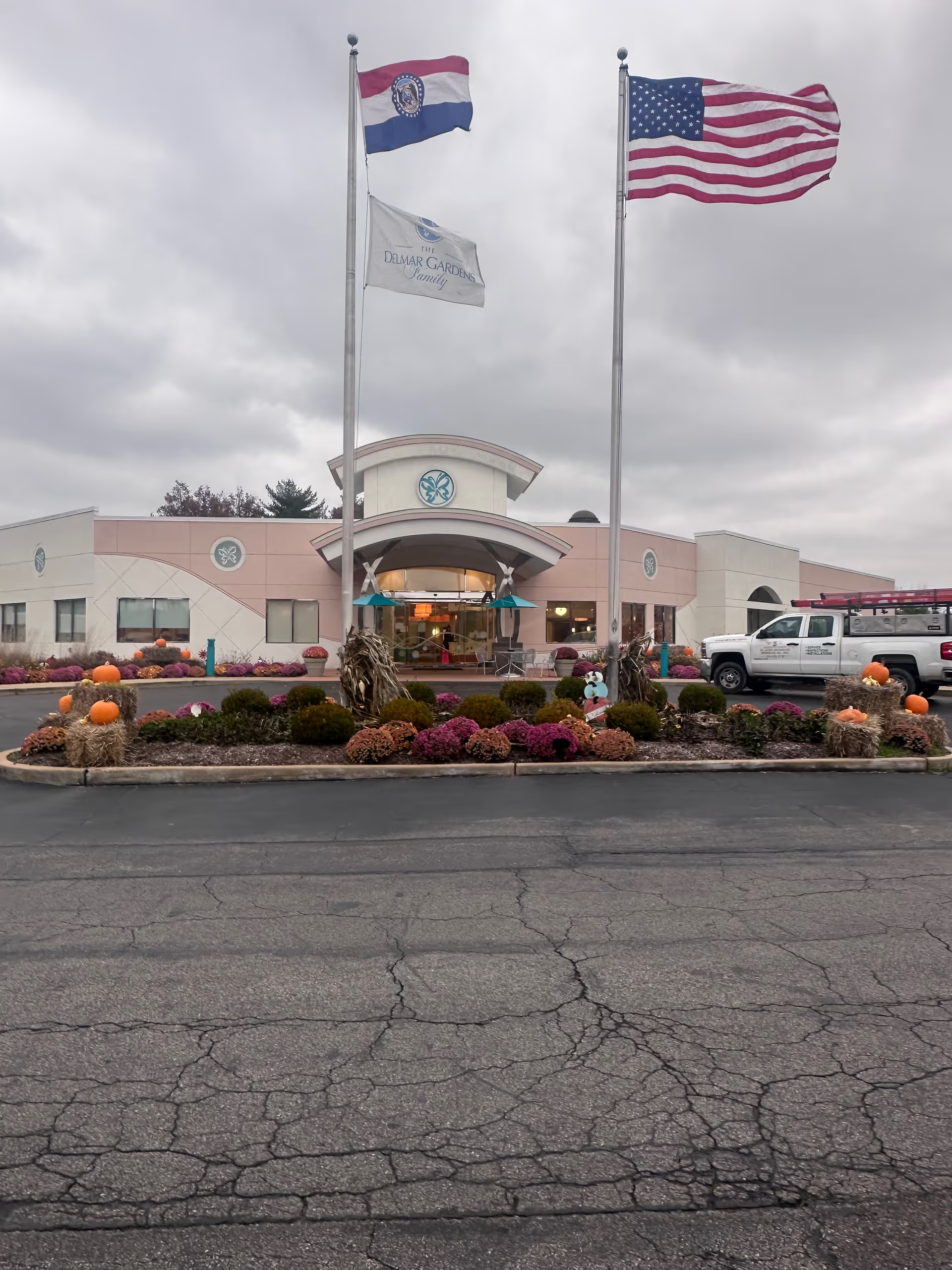
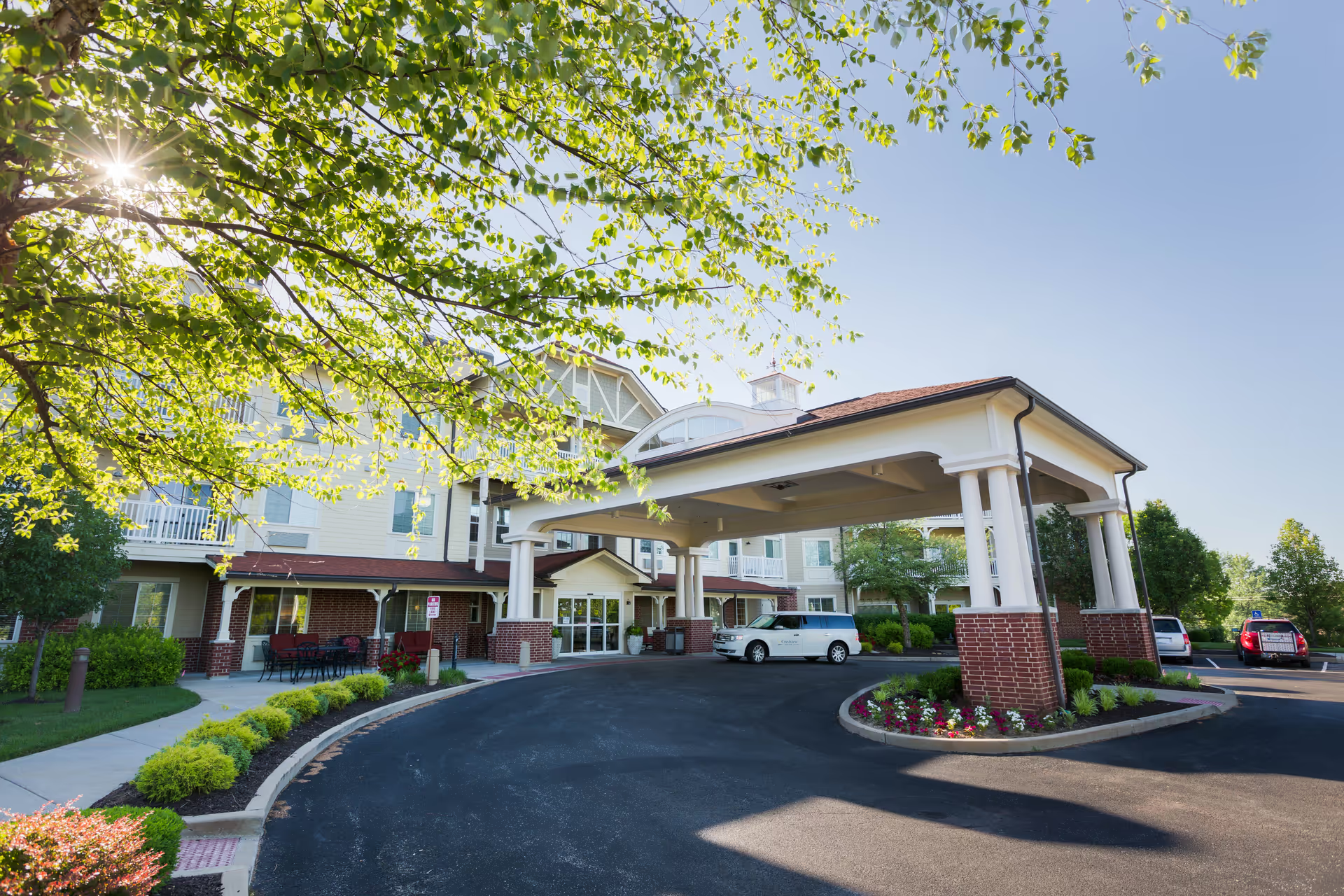
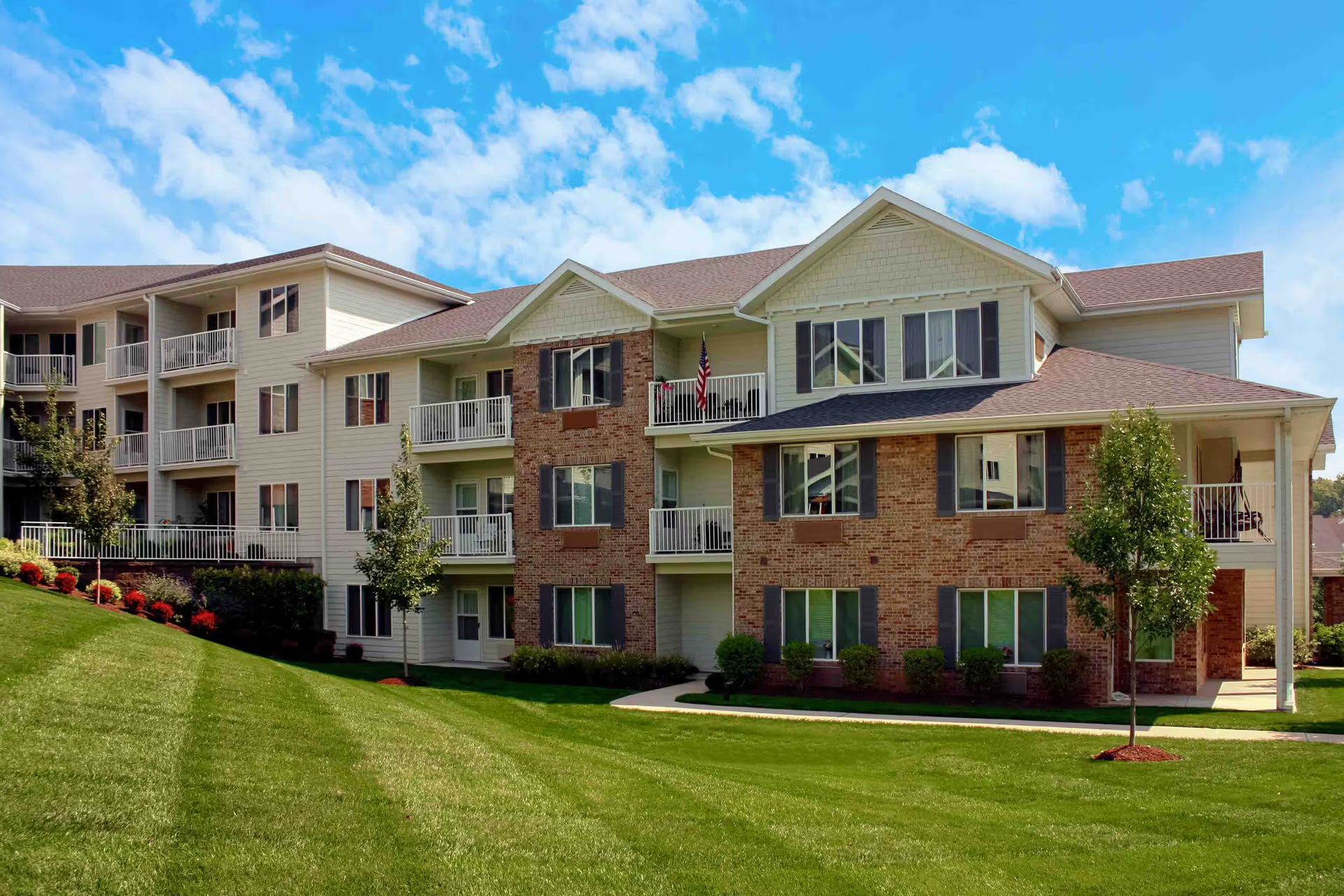
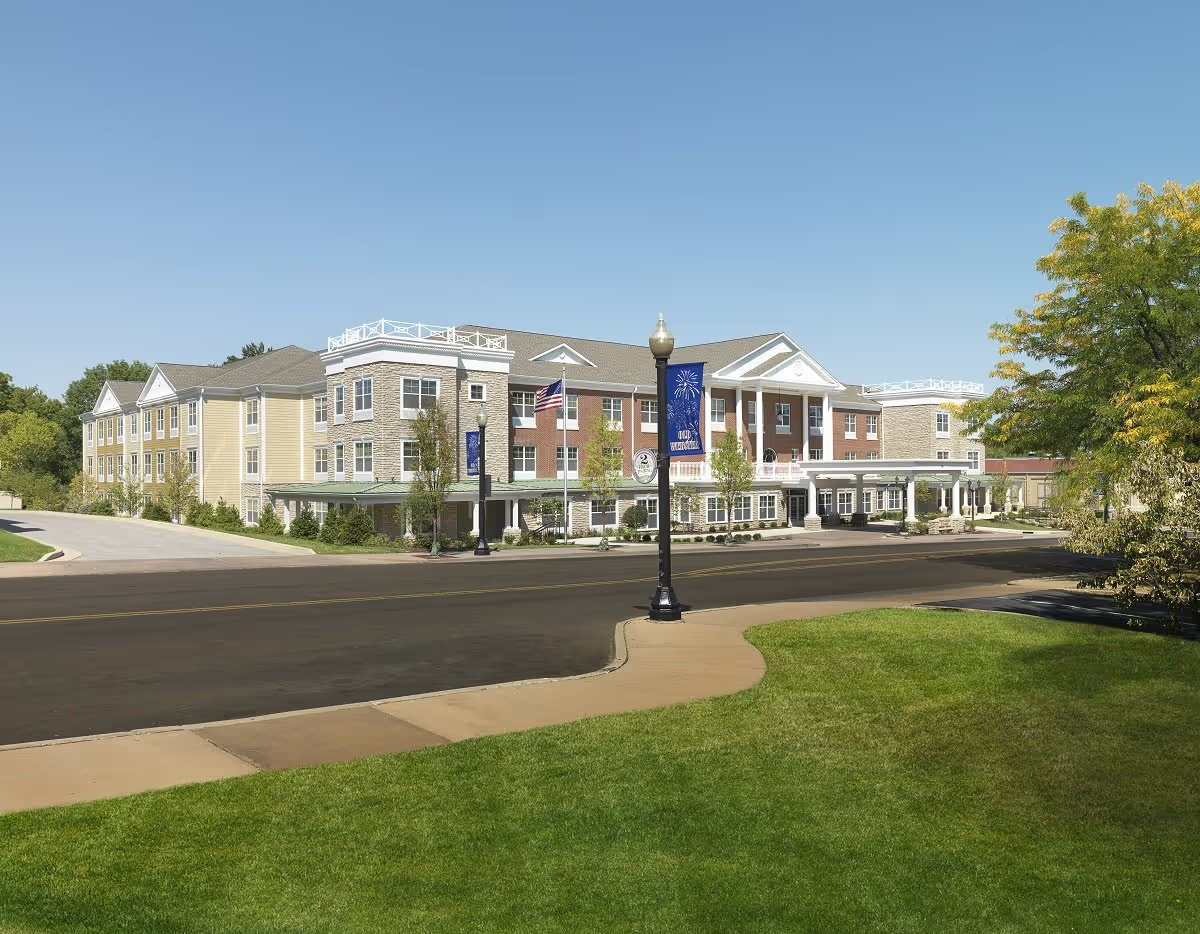
The reviews form a mixed and polarized picture of Fountain Care at Sunset Hills. On one hand, the facility is repeatedly praised for its outpatient and inpatient therapy services: reviewers describe a large, modern therapy gym, skilled therapists, and successful short-term rehabilitations that enabled return home. Renovated rehab spaces, a bright lobby, tasteful decor and a range of on-site amenities (salon, game room, crafts, pet visits) are cited as strengths that contribute to resident engagement and a welcoming atmosphere. Multiple accounts highlight individual staff members who are caring, attentive, and family-oriented; these positive interactions often shape favorable impressions of recovery and day-to-day life.
On the other hand, a consistent set of operational concerns appears across many reviews. Clinical care delivery is described as uneven: families reported missed or delayed medications, care-plan nonadherence, significant unexplained weight loss for some residents, and lapses in pressure-injury prevention and wound management. These items suggest weaknesses in clinical oversight, handoffs, and adherence to routine nursing protocols. Several reviewers also raised issues with resident supervision, fall risk monitoring, and timely recognition of medical distress, along with delayed ambulance/response coordination in acute events.
Food service and housekeeping emerge as another area of variability. While some reviewers praised chef-prepared meals and enjoyed the dining experience, others described inconsistent meal quality, limited fresh produce, cold or mishandled trays, and interruptions in tray service. Sanitation and odor concerns in certain corridors or rooms, along with comments about pest-control and housekeeping gaps, point to inconsistent environmental services. In addition, several accounts mention missing personal items and difficulties securing or accounting for resident belongings.
Communication and leadership are recurrent themes. Multiple families report difficulty reaching staff and administration, inconsistent updates about clinical status, and variable responsiveness from social work and administrative personnel. High staff turnover and reported leadership changes contribute to perceptions of management instability; this is reinforced by accounts of abrupt policy changes to visitation or supervised-visit practices. There are also references to serious individual allegations and instances that prompted family escalation and legal contact; these raise questions about incident documentation, transparency, and regulatory follow-up.
Taken together, the pattern indicates a facility with strong rehabilitative capabilities and appealing physical amenities, but with notable variability in nursing care, sanitation, meal consistency, and leadership stability. Prospective residents and families would benefit from targeted questions during a tour: inquire about staffing ratios and turnover, medication-administration checks, pressure-injury prevention protocols, incident-reporting and family-notification procedures, meal samples and nutrition policies, housekeeping standards, and recent state inspection findings. Asking for recent examples of clinical outcomes and requesting contact information for current family references can help assess whether the facility’s strengths align with an individual’s care needs.