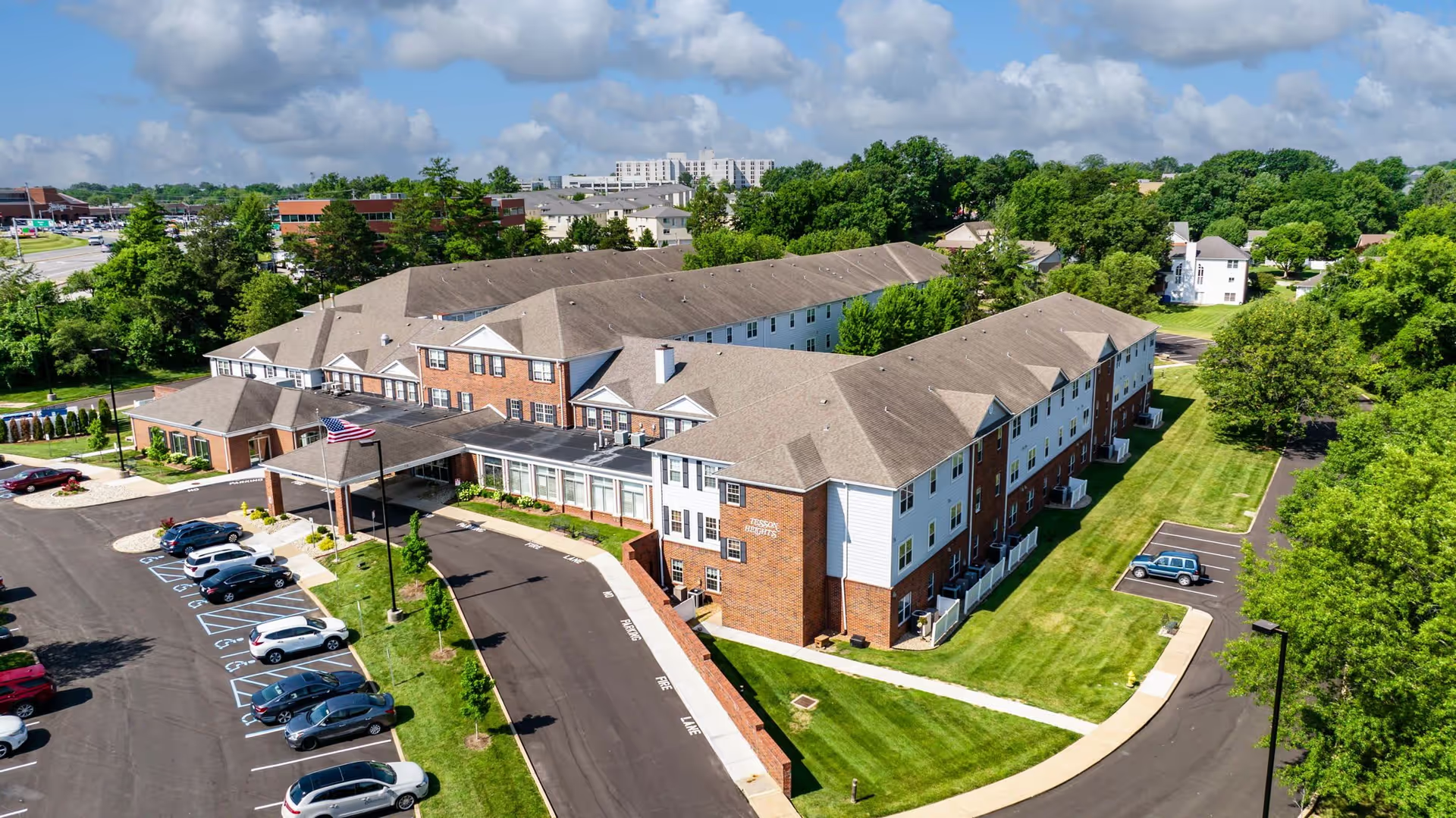
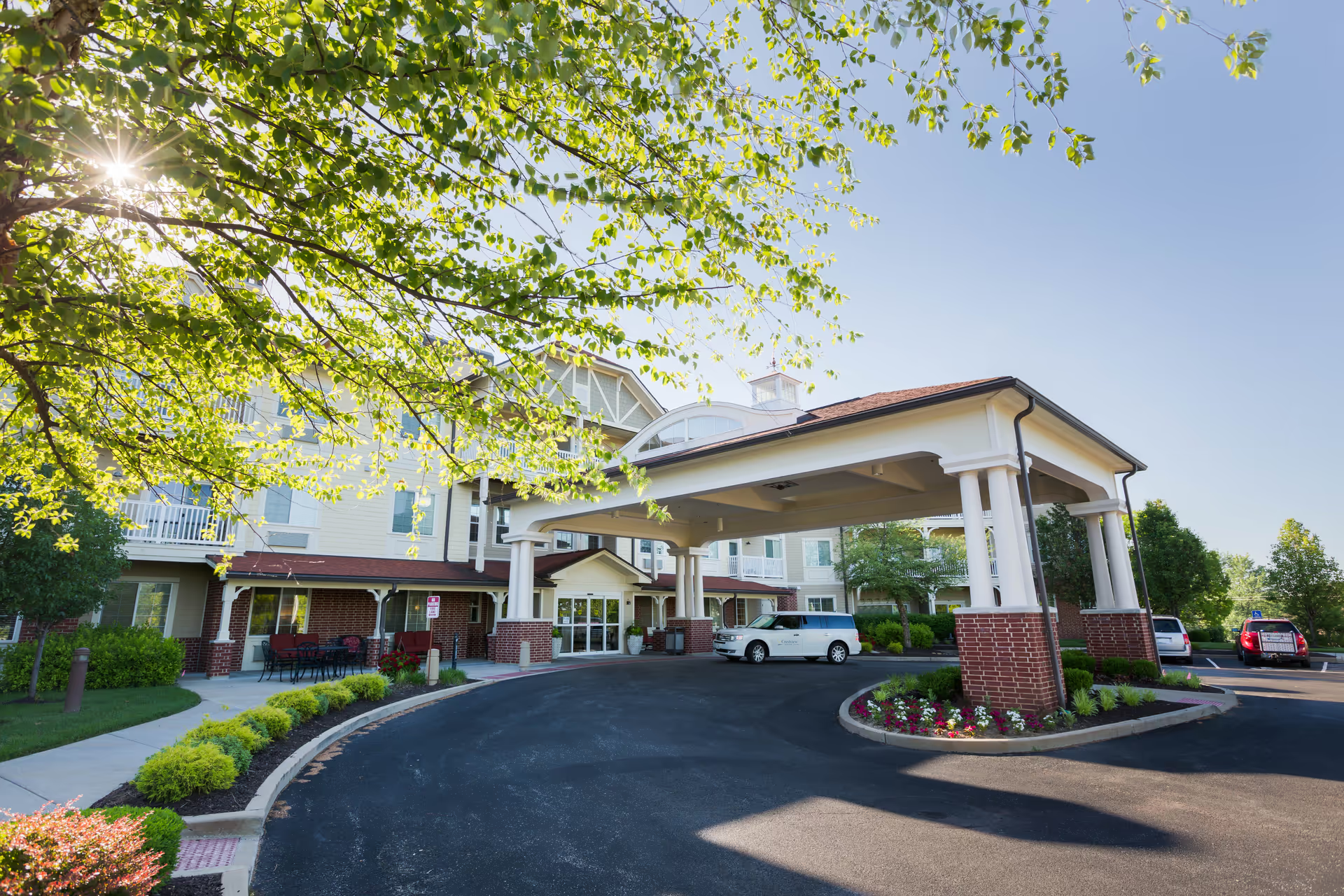
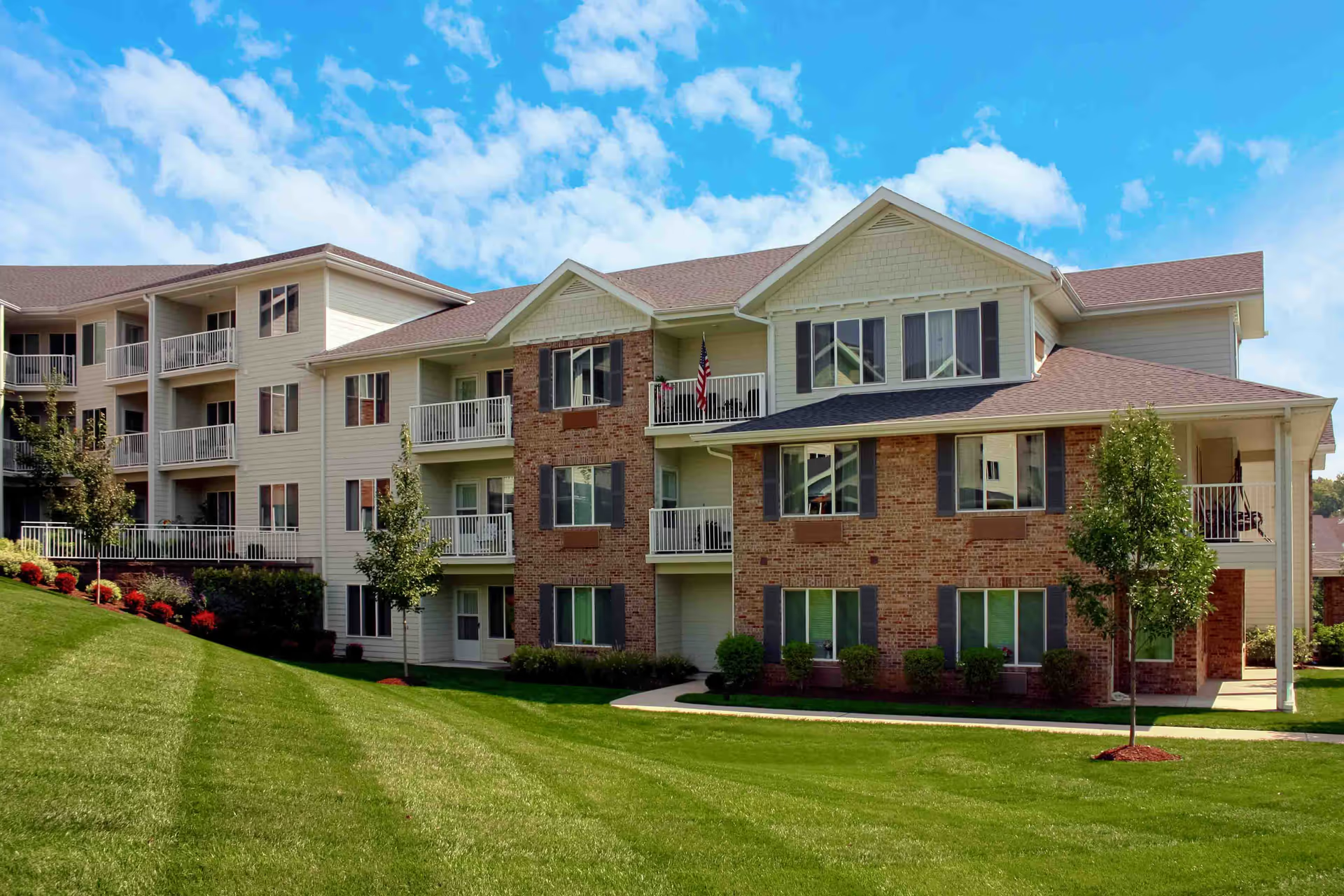
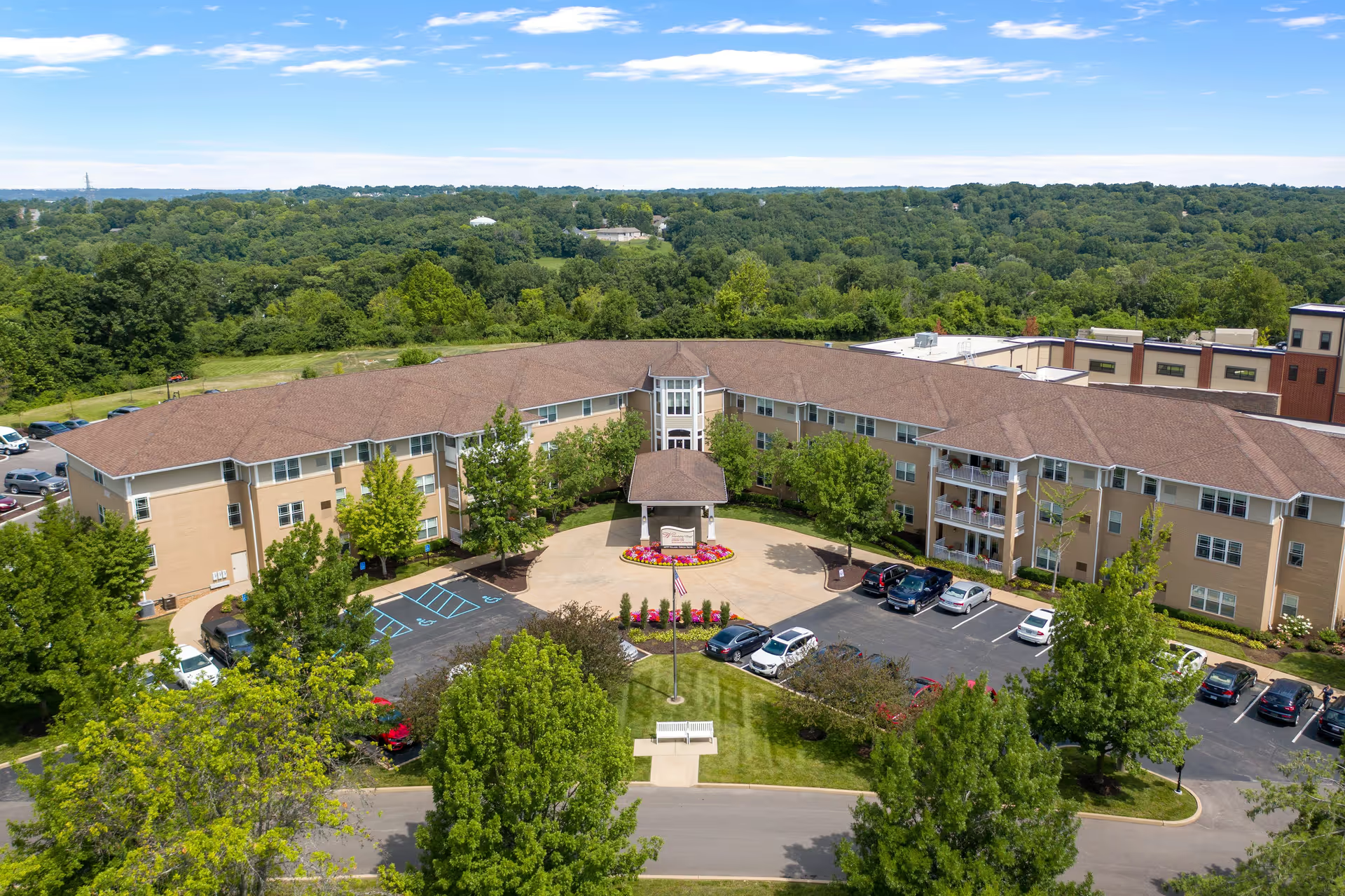
The reviews describe a facility with a clear divergence between its rehabilitative services and the longer-term nursing care experience. Across multiple accounts, the rehabilitation and physical-therapy programs receive consistent praise for producing measurable mobility gains and positive therapy outcomes; several families highlighted effective therapists, a focused rehab environment, and outcomes that supported discharge or improved independence. In the same vein, some areas of the campus and certain staff members are described as clean, courteous, and helpful, and the facility has documented pandemic-era infection-control practices that some families appreciated.
Conversely, there is a substantial pattern of operational concerns tied to long-term nursing care, housekeeping, and clinical oversight. Reviewers describe inconsistent personal-care routines, including irregular bathing and linen changes, and specific incontinence-care delays that create sanitation and odor concerns in both common and resident areas. Housekeeping and laundry practices appear uneven across units, and families reported differences in cleanliness and maintenance between buildings or rooms. Staffing inconsistency—particularly at night—and slow nursing responses were commonly cited and are linked in several reports to gaps in fall-prevention, transfer safety, and timely medication administration.
Clinical management and communication are additional areas of concern. Several accounts point to weak clinical oversight, disorganized medication processes, and delays in arranging timely medical evaluation. Families also described poor follow-through from administration on complaints, billing and Medicare paperwork errors, and inconsistent communication after incidents. A small number of serious incident descriptions include pressure injuries, infection, and a fall-related head injury; families expressed significant concern following a resident's death and there are mentions of regulatory attention in at least one case. There are also allegations of missing personal belongings in isolated accounts.
Resident experience beyond clinical care is variable. Some units offer active programming (bingo, TV rooms, recreational activities) and friendly social-work support, while other areas were described as providing repetitive or minimal engagement, particularly for residents with cognitive impairment. Food quality and meal-service consistency were described as uneven: some families praised the cuisine, while others cited long waits or unacceptable meal experiences. Admissions and administrative processes were generally described as friendly, though ongoing administrative disorganization and billing problems were repeatedly noted.
In summary, prospective residents and families will likely find meaningful strengths in the facility's rehabilitation services and in pockets of attentive staff and well-maintained spaces. However, the recurring operational themes—variable housekeeping and sanitation, inconsistent personal-care practices, staffing variability (especially overnight), gaps in clinical oversight and medication management, and uneven management follow-through—warrant careful inquiry. Recommended next steps for visitors include touring the specific unit under consideration, asking for unit-level staffing ratios and recent inspection reports, requesting therapy outcome statistics if rehabilitation is a goal, and clarifying procedures for clinical incidents, family notification, housekeeping schedules, and billing/Medicare processing before making a placement decision.