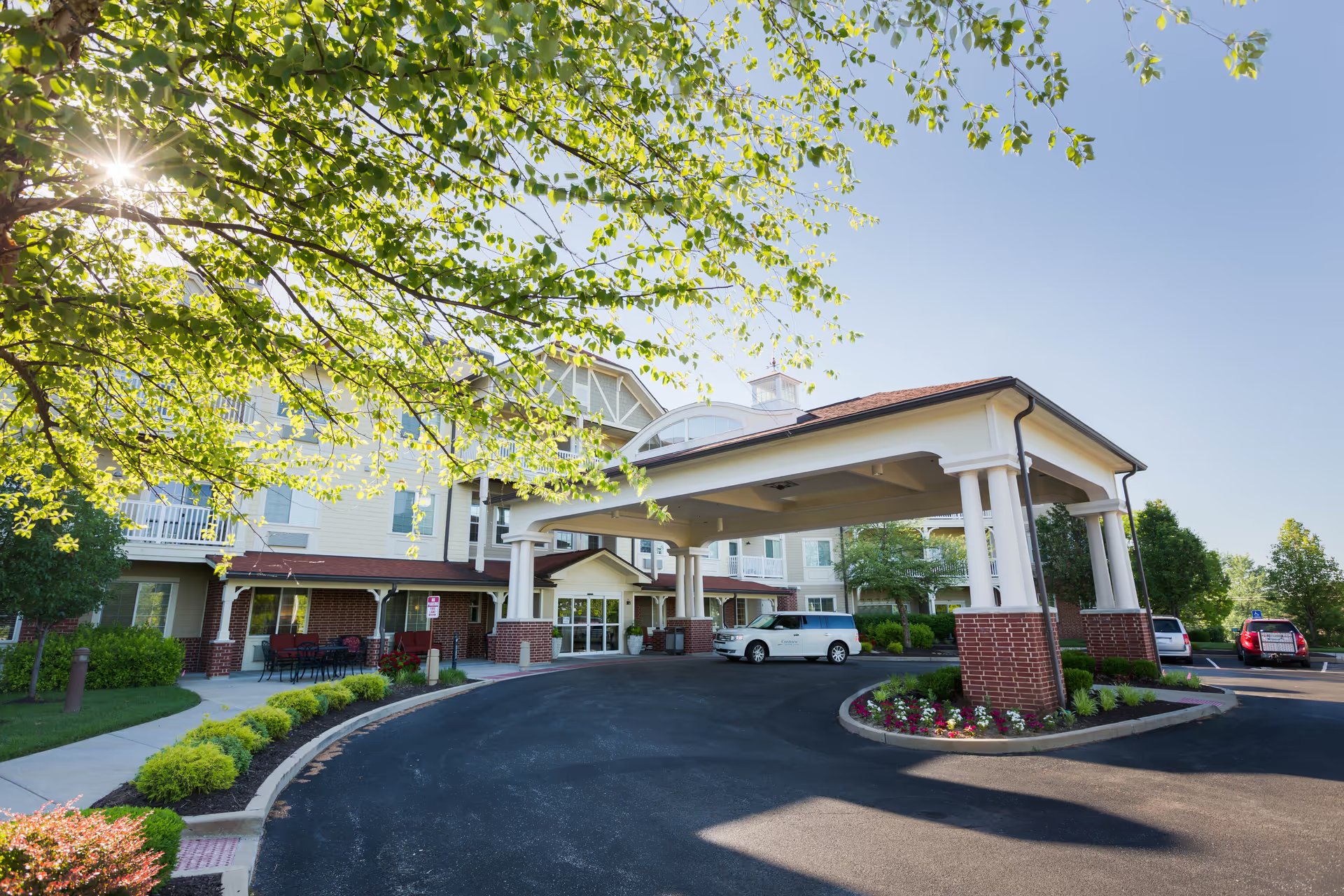
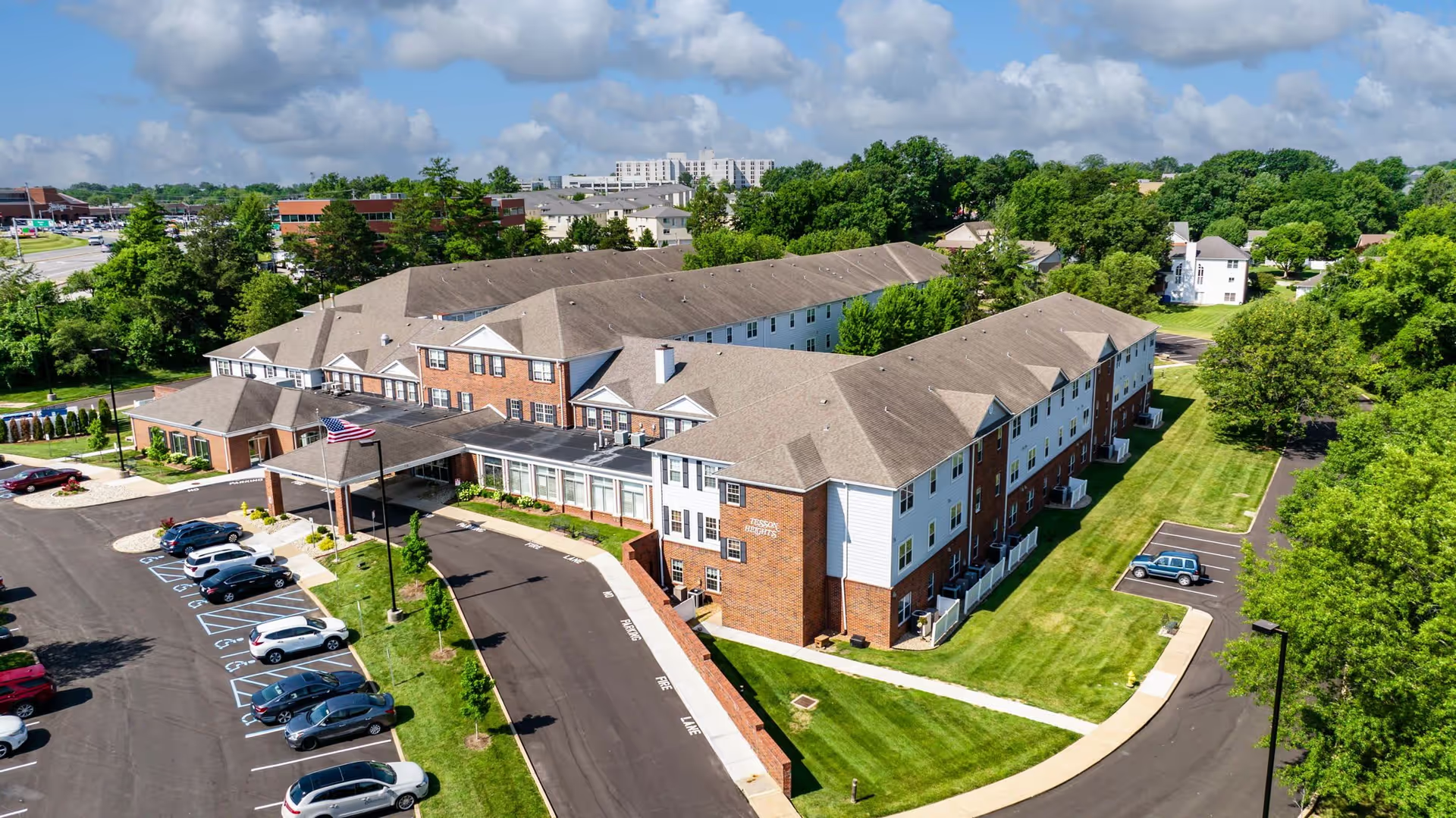
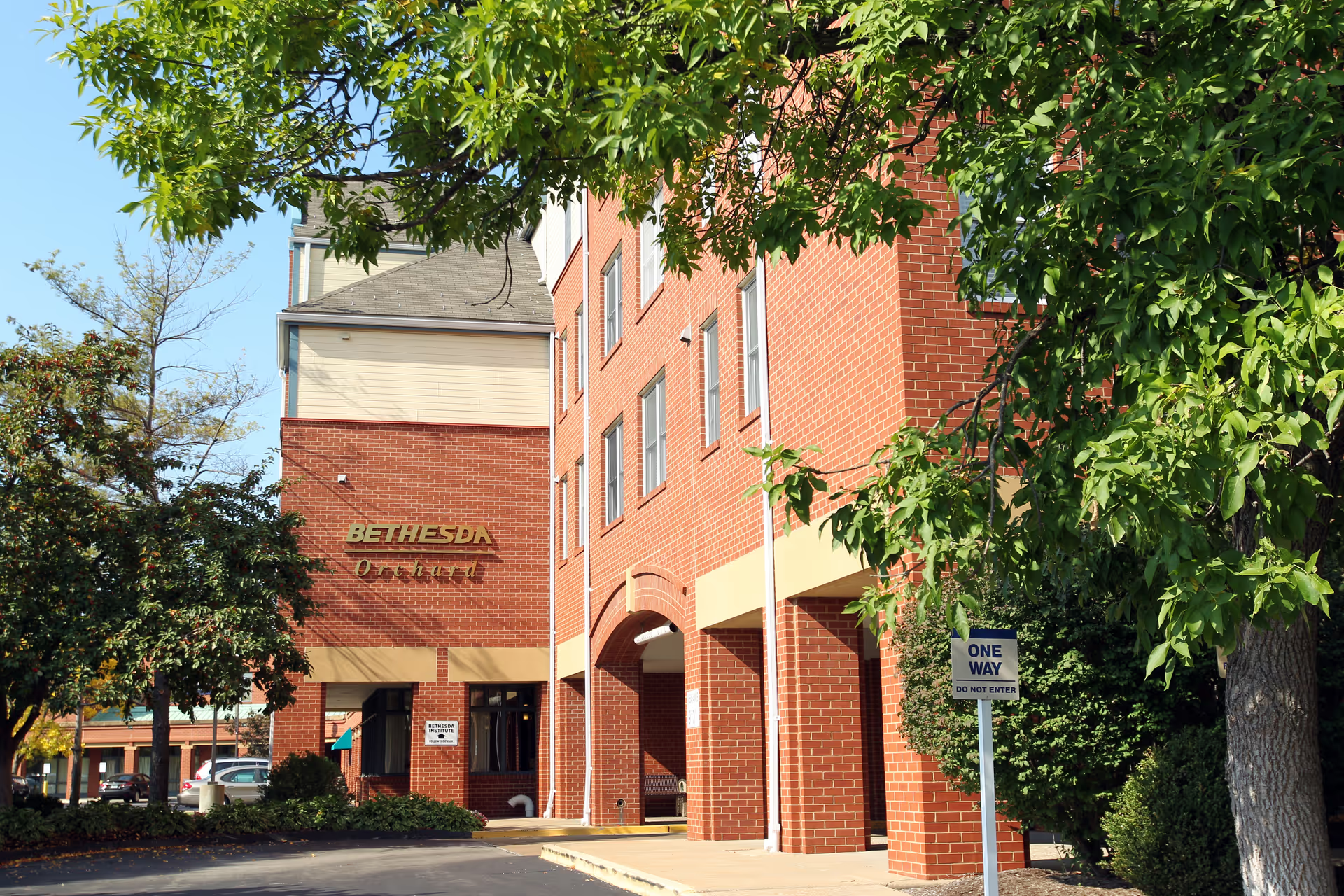
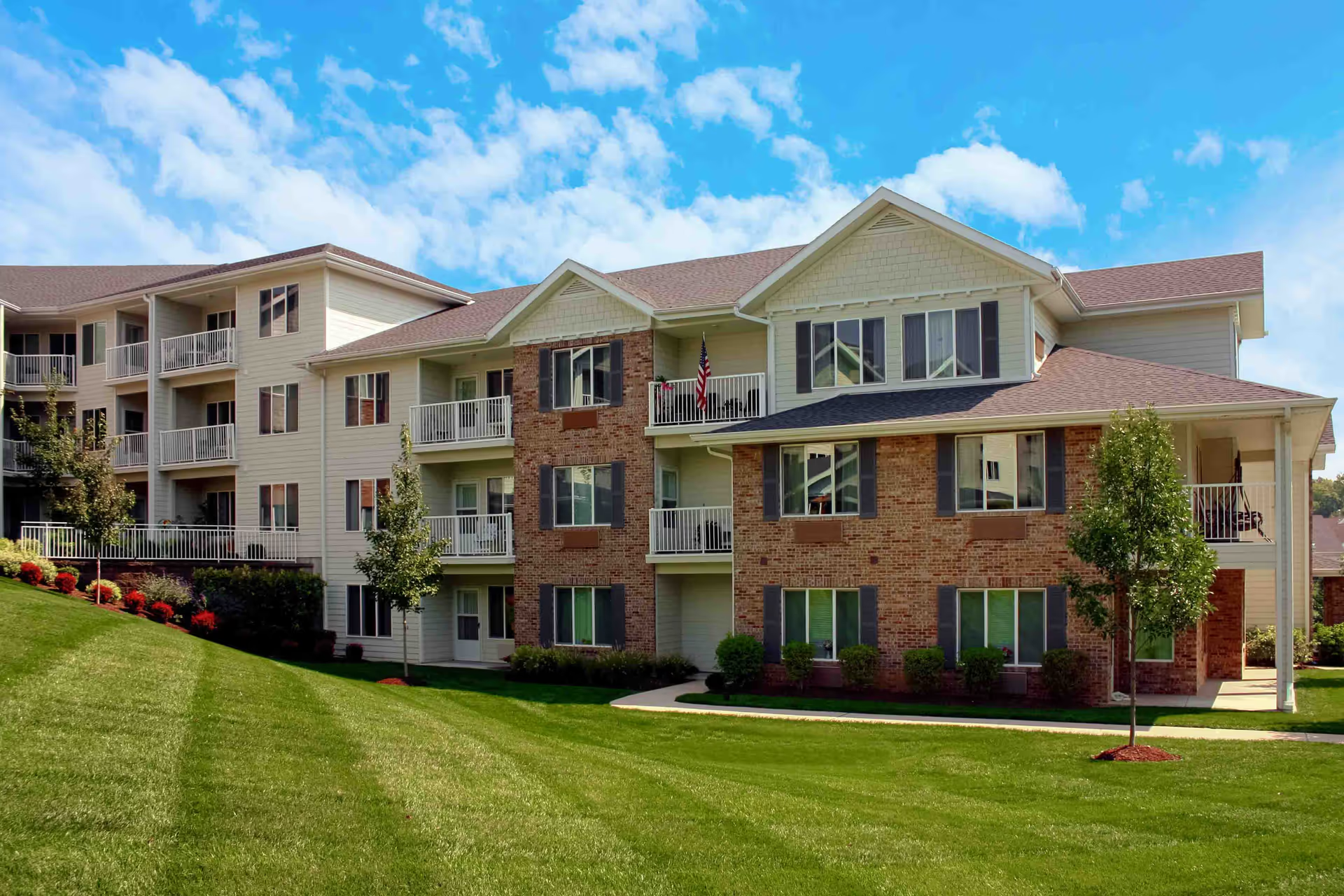
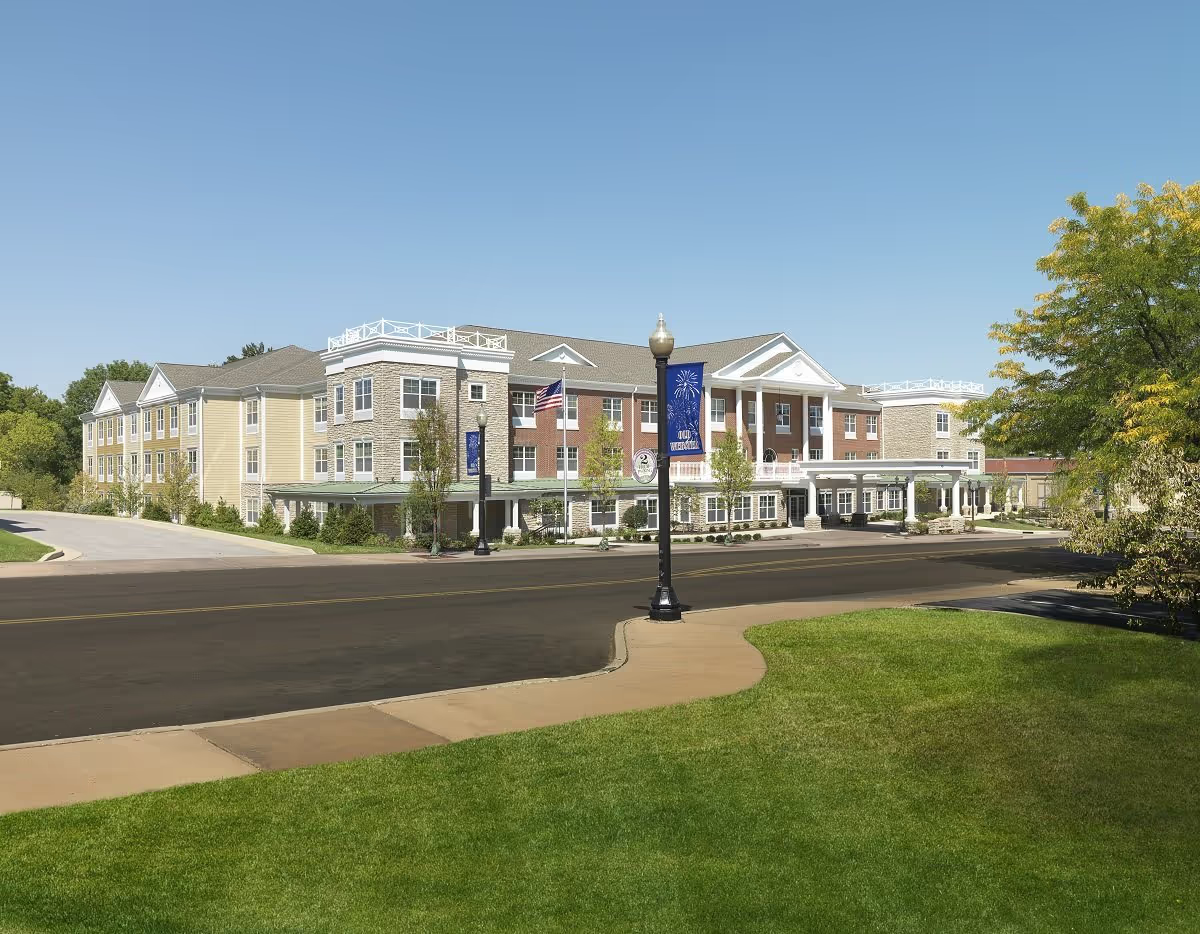
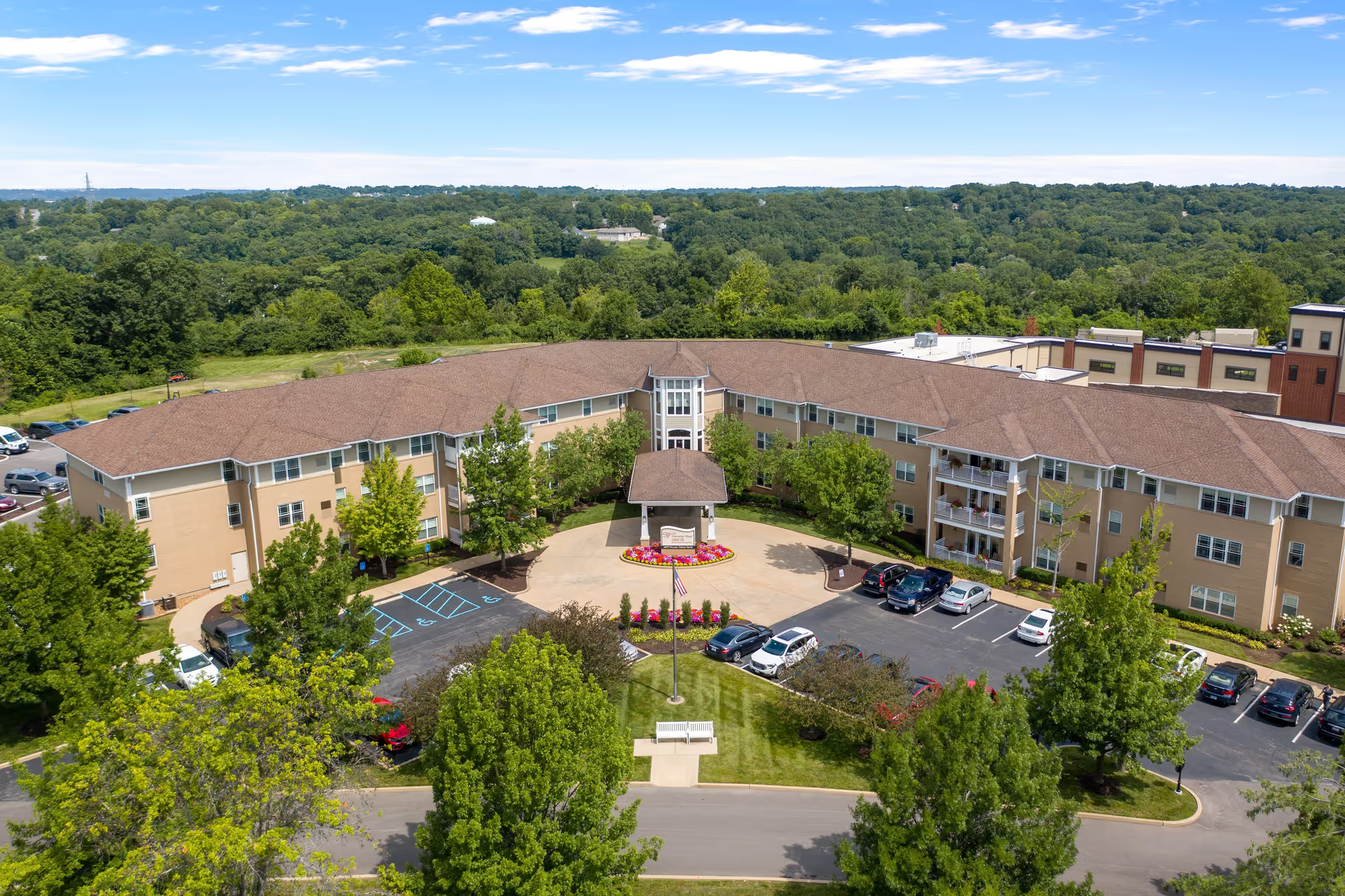
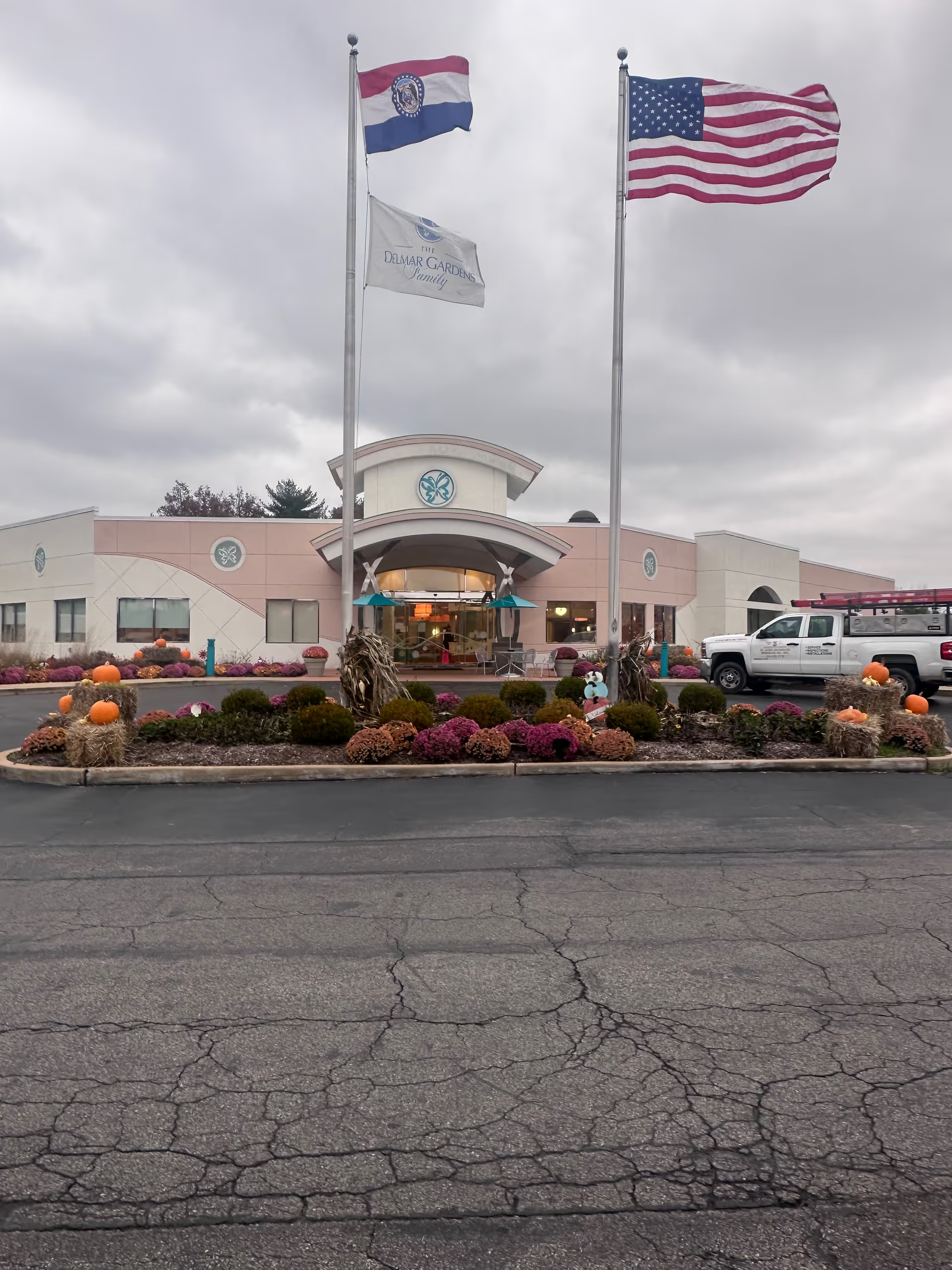
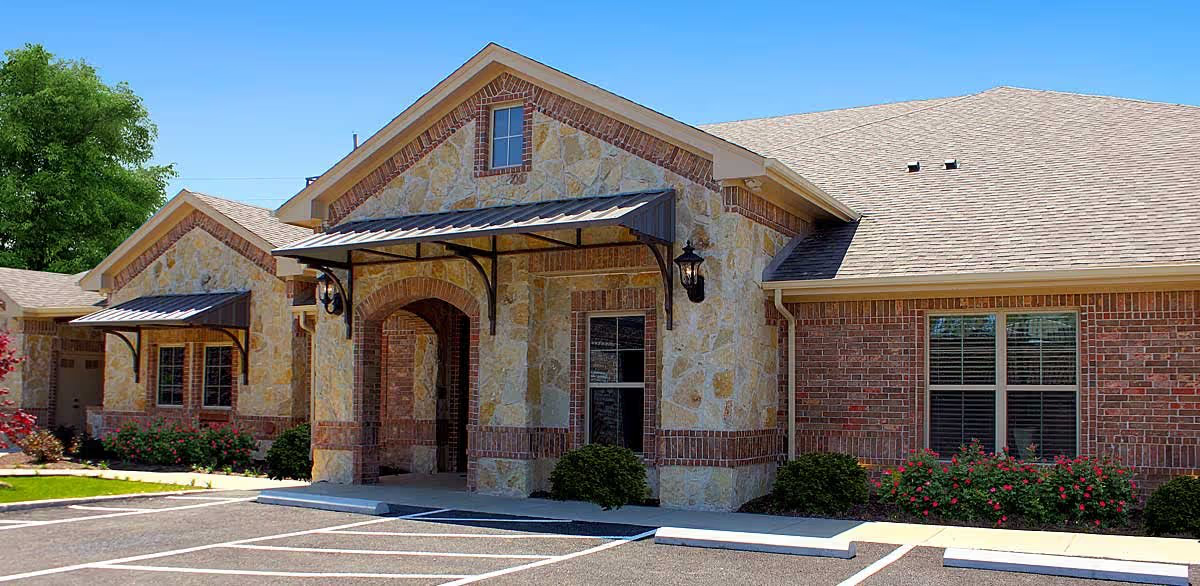
The reviews describe a facility with a clear strength in rehabilitation and therapy services but substantial variability in routine nursing and long‑term care. The therapy department, including PT/OT and speech services, is frequently praised for clinical skill, patient‑centred progress, and effective recovery outcomes. Many families describe bright, clean rooms, well‑maintained common areas, attractive grounds and a home‑like atmosphere; these physical attributes support positive short‑term rehab stays and social engagement.
Care quality is mixed. Numerous accounts highlight prompt clinical action and good communication from some nurses and clinicians, while an equal number describe inconsistent nursing attention, long call‑light waits, missed or delayed medications, and variability in personal‑care tasks such as bathing and toileting support. These operational gaps have manifested as clinical escalation events for some residents, and reviewers express concern about how the facility responds to urgent incidents and wounds. Staffing levels and turnover emerge as an important driver of these patterns: when staffing is stable, reviewers note respectful, attentive care; when understaffed, families report delays, poor responsiveness, and limited staff availability.
Staffing and conduct are inconsistent across shifts and units. Many individual staff members and specific employees receive high praise for compassion and advocacy; at the same time, other reports describe brusque or dismissive interactions, unreturned calls from reception, and gaps in communication with families and primary providers. Administrative weaknesses — including billing errors, scheduling problems, and unclear follow‑up after incidents — are recurring themes, and a change in ownership and staffing cuts were mentioned as exacerbating instability in some accounts.
Dining and activities also show a split picture. Some residents and families appreciate appealing menu items, customization options, and active social programming (bingo, outings, religious services). Conversely, other reports describe inconsistent meal temperature and portioning, occasional unavailability of entrees, and limited weekend or holiday programming with activity offerings that can be TV‑centric rather than engaging. Facility layout and wayfinding pose practical issues for visitors and residents: several comments describe a confusing or constrained floor plan and long walking paths to amenities such as the chapel.
Facility appearance and amenities are consistently cited as strengths: clean rooms, attractive decor, private‑room options, and pleasant outdoor areas. These factors, together with a well‑equipped therapy department, make Sherbrooke Village a strong option for short‑term rehabilitation for many families. However, the pattern of operational weaknesses — inconsistent nursing performance, call‑light responsiveness, medication administration controls, and administrative communication — suggests families should assess current staffing levels, care protocols, and incident‑response procedures when considering longer‑term placement. Given the mix of highly positive clinical rehab reports and significant concerns about routine nursing operations, prospective residents and families are advised to tour, ask for recent staffing ratios and incident‑response policies, and identify specific points of contact for clinical and administrative escalation prior to admission.