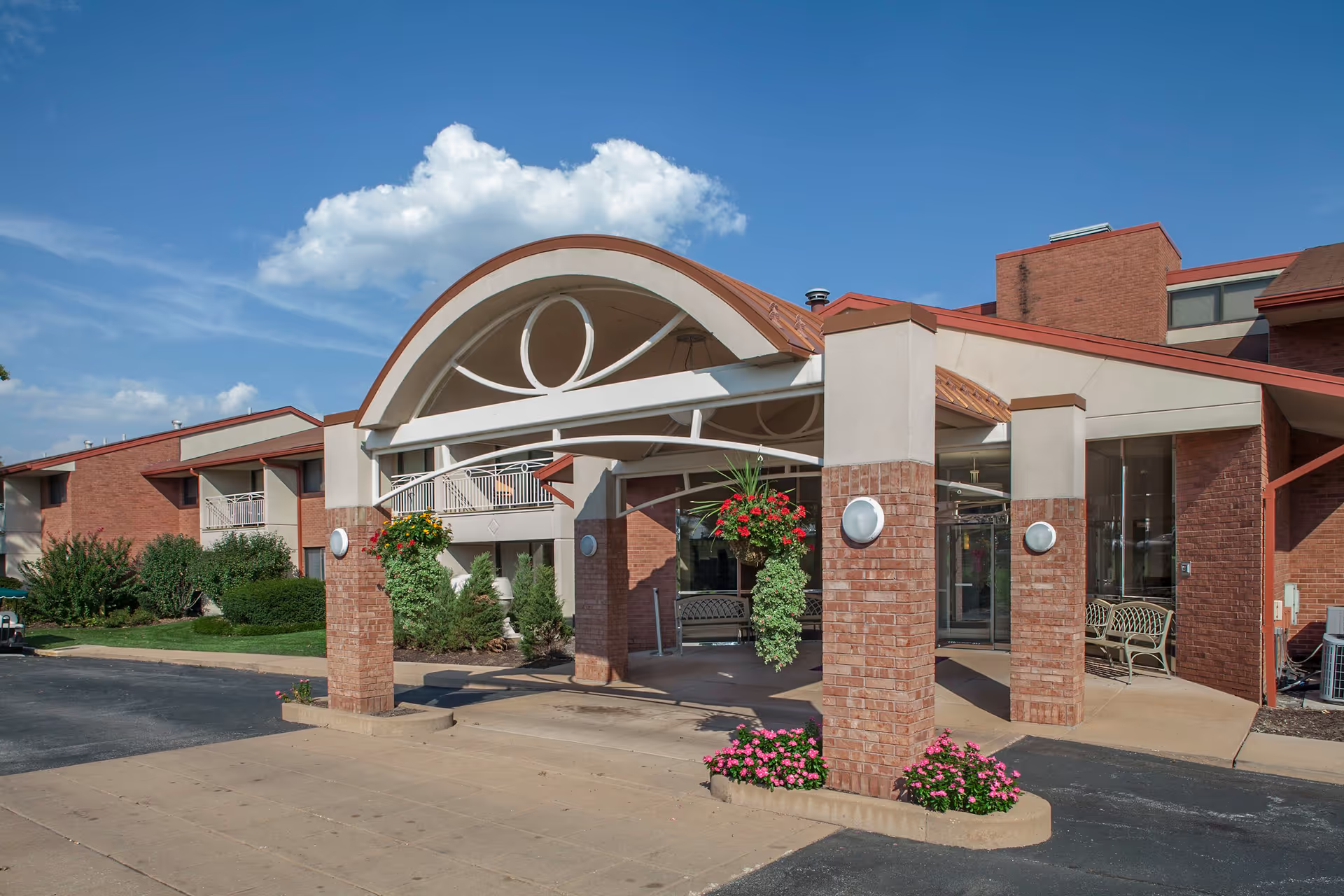
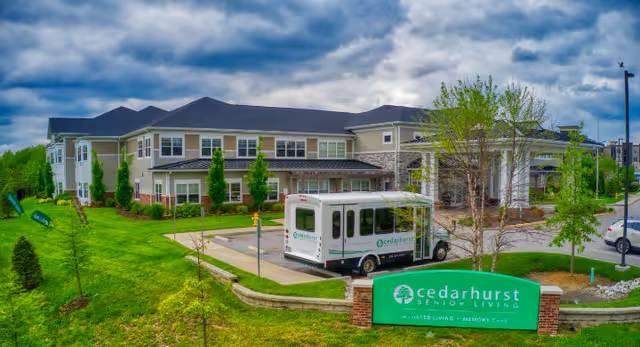
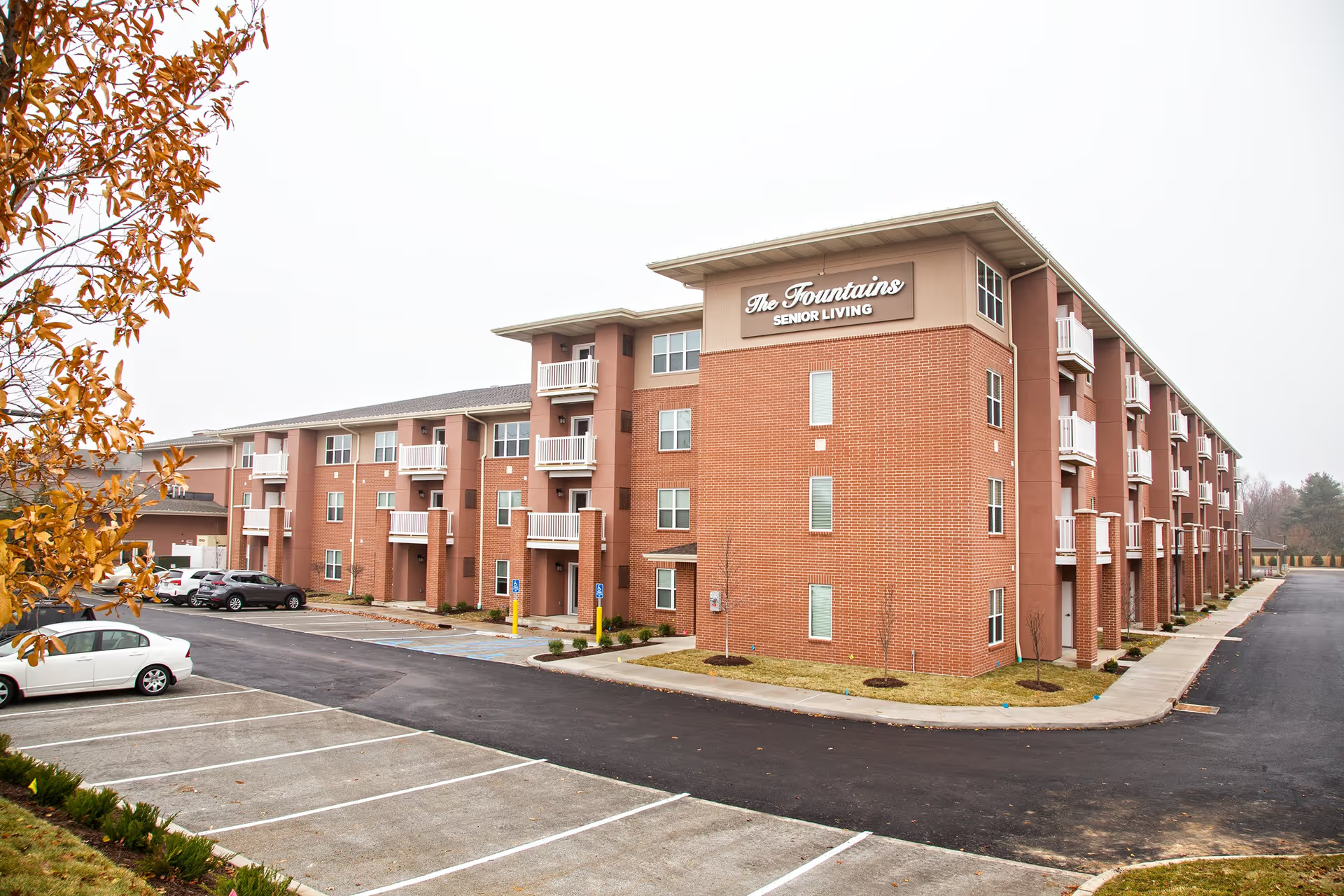
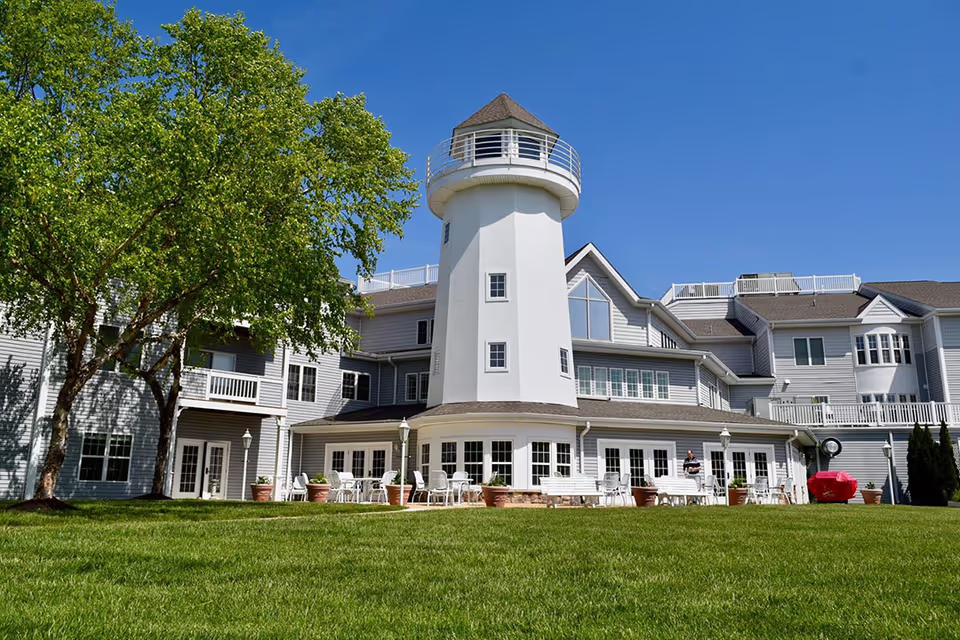
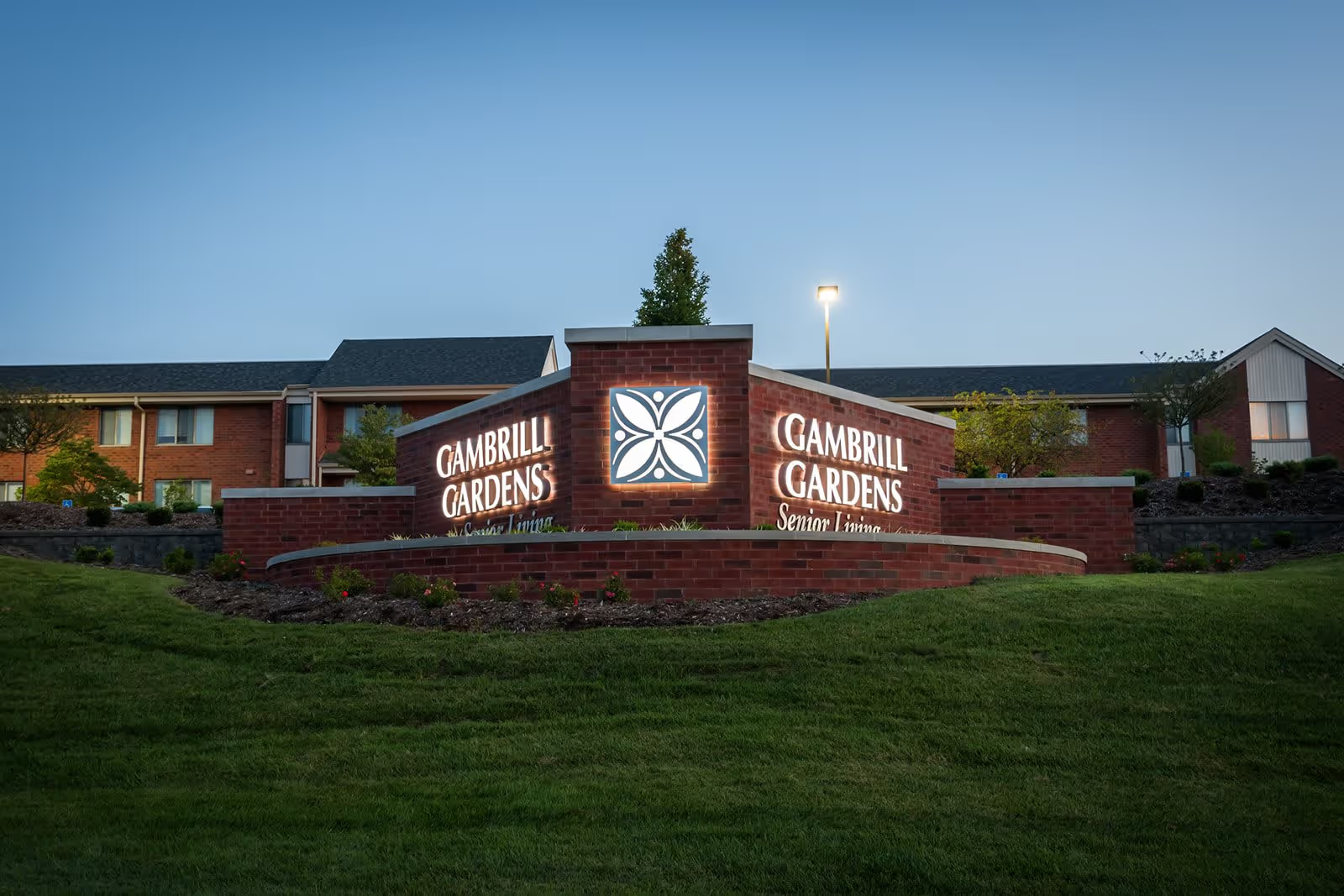
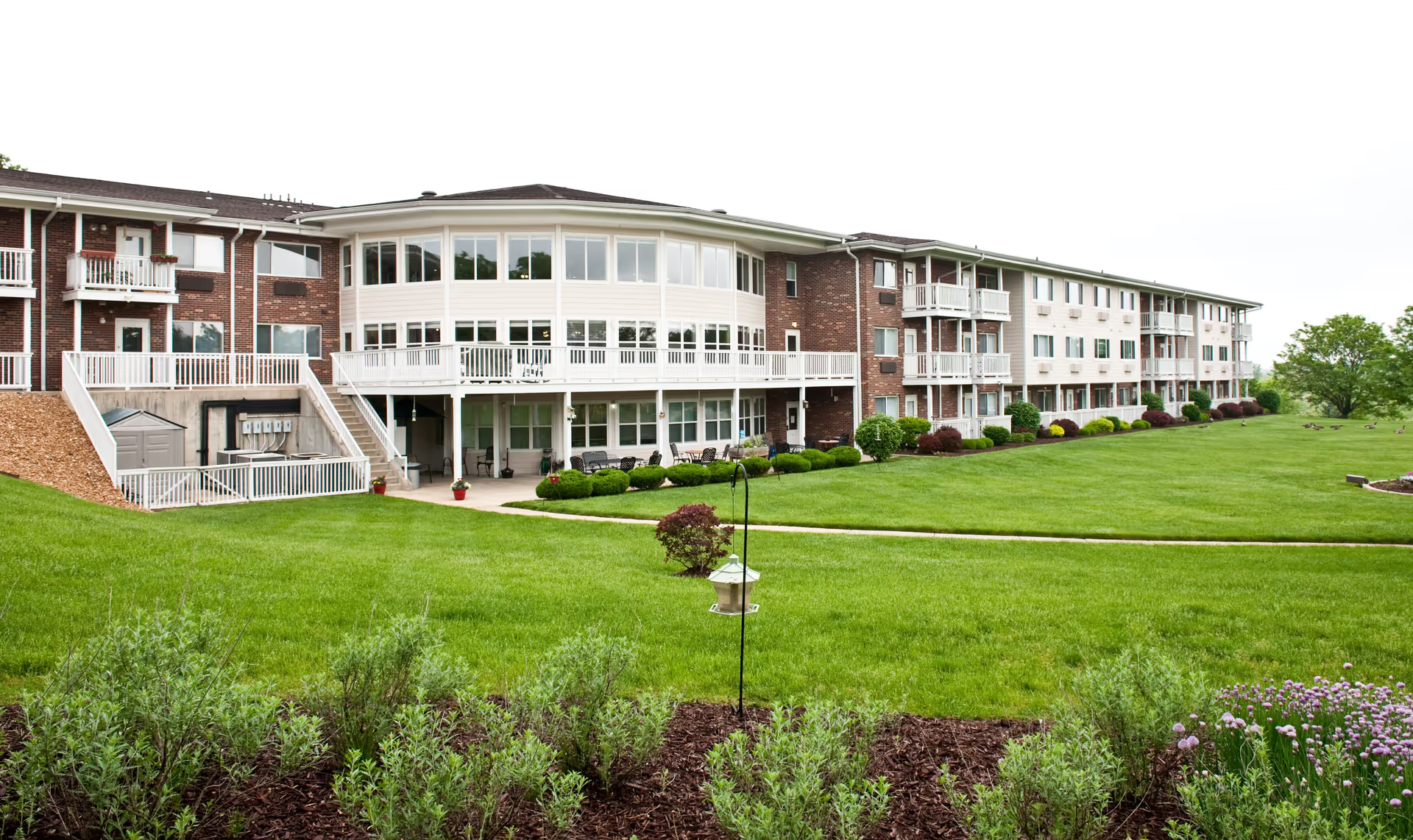
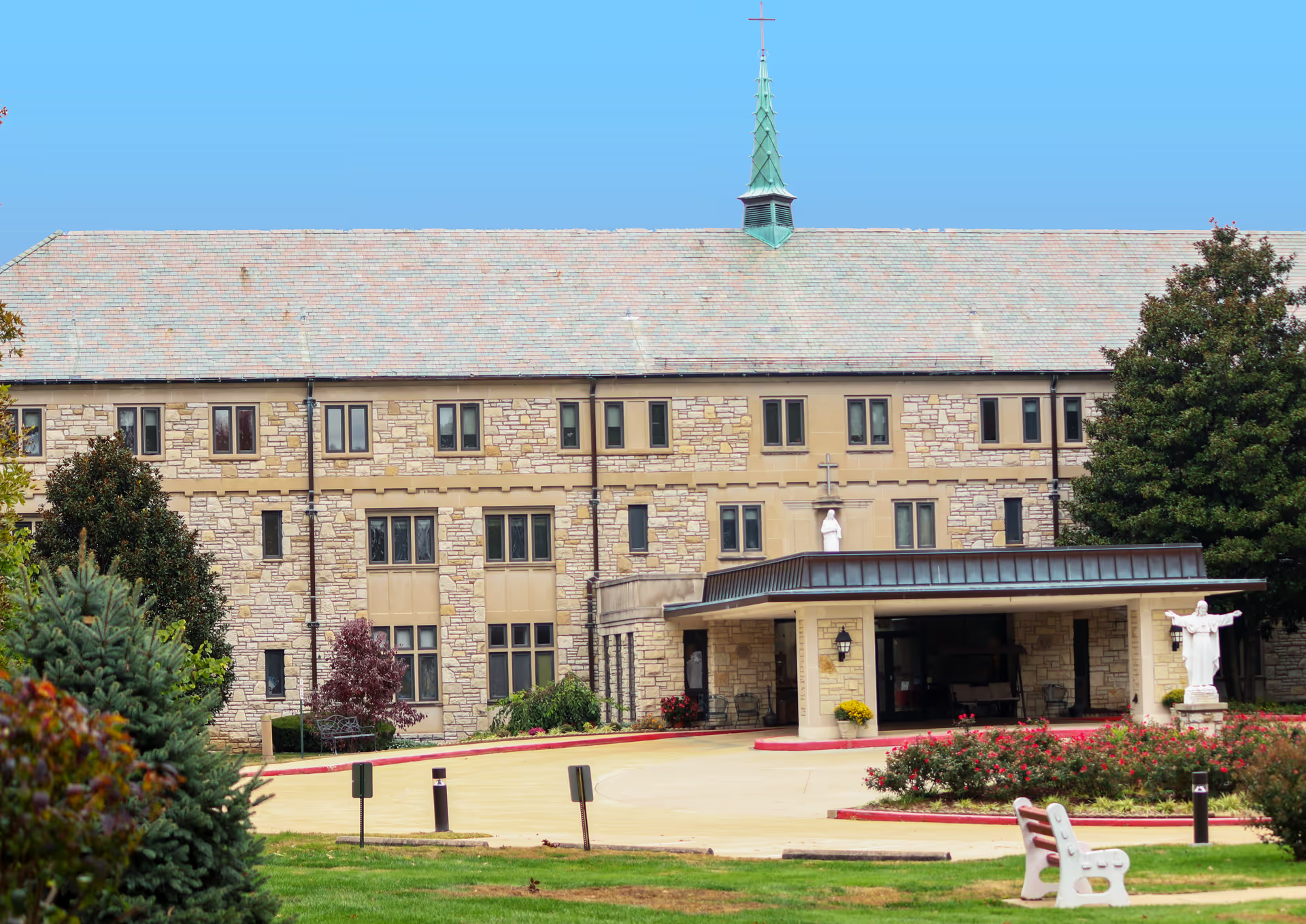
The review set shows a strongly polarized picture of American House Town and Country. Many accounts describe a bright, well-maintained campus with attractive common areas, accessible apartments, secure outdoor space, and active social programming. Multiple reviewers praised specific caregiving staff and memory-care teams as compassionate, attentive, and community-oriented; dining is frequently described as varied and accommodating, and therapy/fitness amenities are noted as positive features. Several families also described concrete improvement after leadership turnover or administrative changes.
Counterbalancing those positive descriptions are recurring operational concerns that appear across reviews. The most consistent pattern is variability in direct care and clinical practices: inconsistent staffing levels and frequent turnover are linked to delays in responding to call lights and medical concerns, uneven personal-care routines (including bathing and repositioning), and problems with incontinence-care processes. Reviewers also raised concerns about clinical oversight and nursing leadership, and about the facility’s capacity to meet higher-acuity nursing needs. There are instances of delayed assessment for emergent issues and a few noted delays in monitoring tasks (for example, delayed lab/blood-sugar updates), which families interpreted as gaps in clinical responsiveness.
Management and communication emerged as a separate theme. Several families described poor coordination across sales, administration, nursing, and transportation teams, and inconsistent fulfillment of promises made during the tour or admission process (including access to amenities, promotional discounts, and unit placements). Phone access and main-line responsiveness were described as unreliable by some, complicating family communication. Billing and pricing inconsistencies were also noted as a concern. At the same time, other families praised specific staff and management for good follow-up and clear communication, and at least one period of positive change was linked to new administration.
Facilities, dining, and activities are generally viewed positively when operational staffing is adequate. The building’s appearance, decor, and appliance of amenities received frequent commendation; activities calendars with trivia, exercise, social events, and family-accessible programs contributed to residents’ social engagement. However, reviewers reported that activity continuity can be uneven when staffing is limited. Laundry and clothing-management problems and sanitation or odor concerns in some areas were reported as operational weaknesses that affect perceived quality.
Overall, prospective residents and families should weigh the polarized experiences: the community offers many of the physical and programmatic attributes families seek in a senior-living setting, and there are clear examples of excellent, compassionate care. At the same time, recurring themes about staffing consistency, clinical oversight, personal-care routines, communication, and admission/billing processes indicate operational areas to investigate during a tour. Recommended due diligence includes meeting the on-site nursing leadership, asking for current staffing ratios (including evening and weekend coverage), clarifying which amenities are included versus restricted, reviewing recent inspection and staffing records if available, and seeking references from current families in the specific unit of interest (memory care versus assisted living).