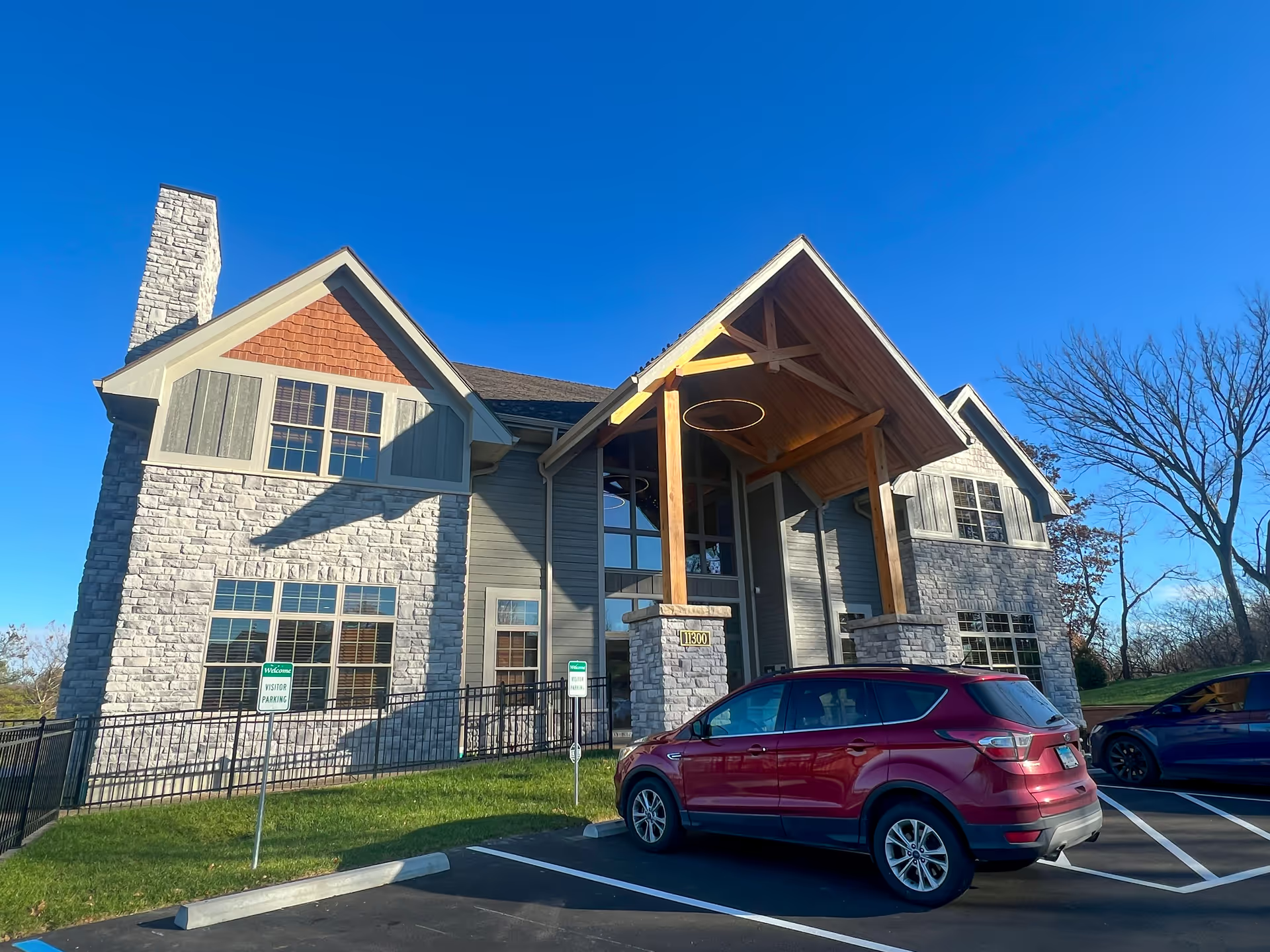
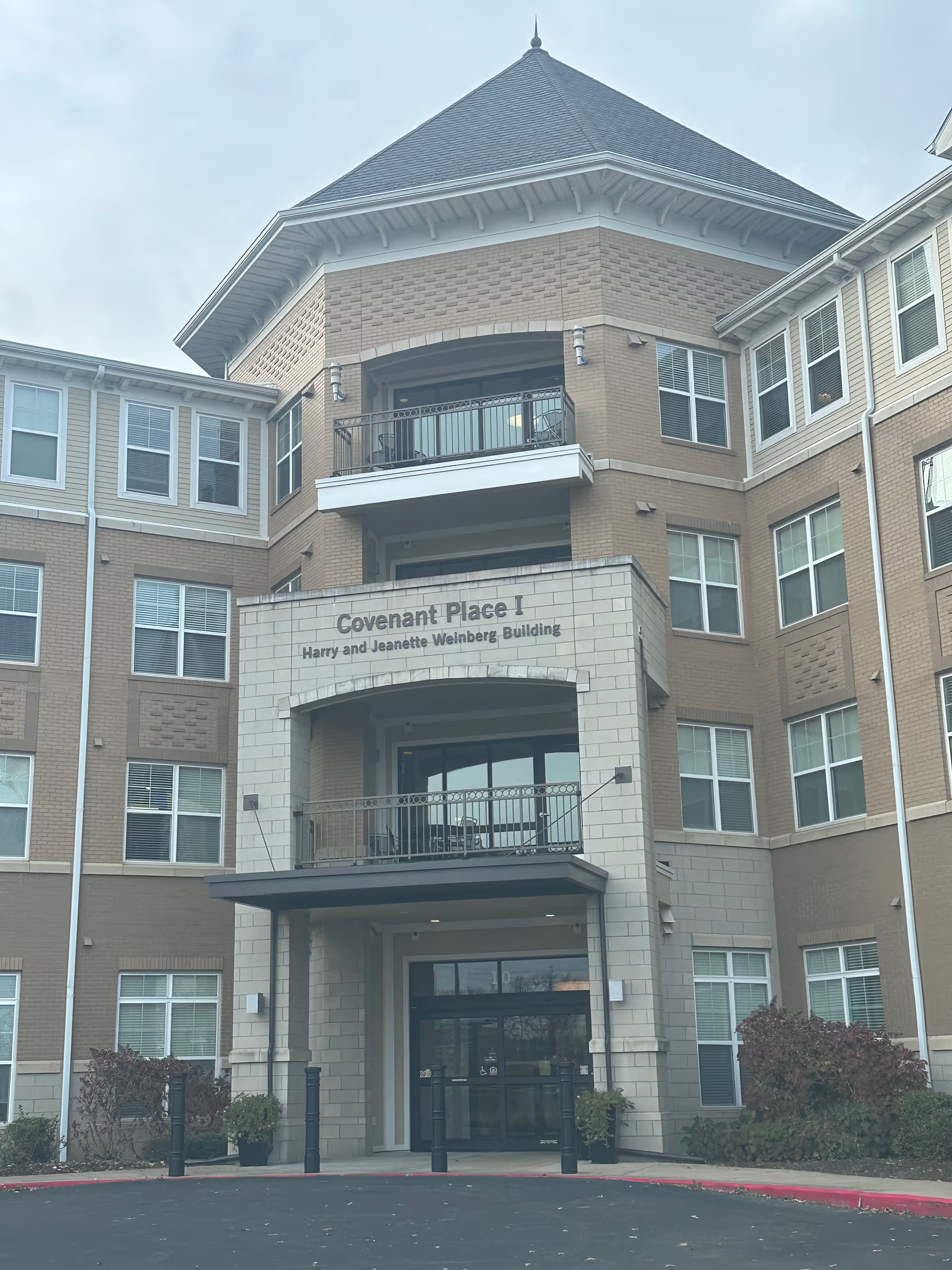
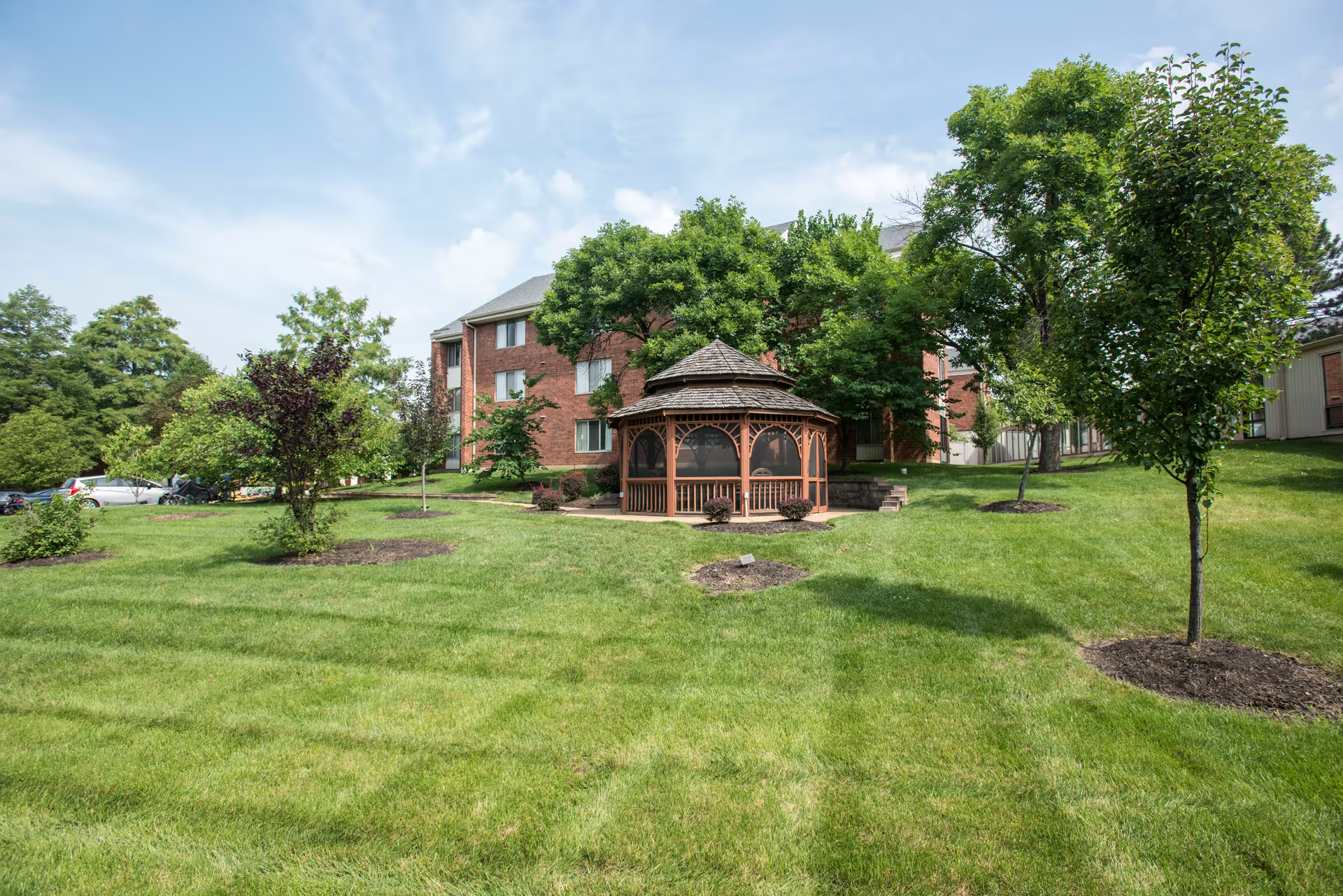
The reviews present a strongly polarized picture of Delmar Gardens West. Many families and short-term rehab residents described positive experiences with therapy services, social-work support, activity programming, and specific staff members who demonstrated compassion and follow-through. Several accounts highlight effective short-term rehabilitation outcomes, attentive hospice clinicians, an active activities calendar (music, art, outings, socials), and accessible outdoor areas and common spaces that residents and families appreciate.
Balancing those positives are recurring operational concerns. Staffing levels and turnover emerge as a central theme: reviewers describe chronic understaffing, uneven coverage—particularly overnight—and variability in caregiver skill and responsiveness. These staffing issues are associated with delays answering call lights, slow assistance for mobility and toileting needs, and inconsistent follow-through on routine clinical tasks such as repositioning, vital-sign documentation, and wound/skin care. Several reviewers also described lapses in medication administration and discrepancies in clinical documentation, which contributed to family mistrust and regulatory complaints.
Sanitation and facility-maintenance issues recur throughout the feedback. Specific descriptions were translated into trait-level concerns such as sanitation and pest-control problems in some areas, inconsistent laundry and personal-item handling, and evidence of deferred maintenance in parts of the building. Meal service and dining also show variability: while some residents found the food accommodating and enjoyed special requests, others reported inconsistent meal delivery, missing utensils, and limited menu choices for dietary needs.
Communication and management patterns are mixed. Multiple reviewers praised individual employees—therapists, intake staff, social workers, and certain nurses—who were proactive and compassionate. At the same time, families described weak communication from leadership, inconsistent responsiveness to complaints, and a perception that corporate priorities sometimes limited investments in staffing and facility upkeep. There are also accounts that indicate weaknesses in security and personal-belonging protection, including allegations of missing items, which families treated as serious and referred to external authorities in some cases.
For prospective residents and families, the most salient patterns are the variability of day-to-day care and the dependence of experience on staffing levels and specific personnel. When considering this facility, it is advisable to ask targeted questions about current staffing ratios (including night shift), medication-safety protocols, skin-integrity and repositioning schedules, pest-control and housekeeping plans, laundry and personal-item procedures, and how management tracks and resolves family concerns. Observing the unit at different times of day—day and night—speaking directly with the therapy team and social worker, and reviewing state inspection records can help clarify whether the strengths seen by many families are likely to be sustained in your prospective placement.